




Today we’d like to introduce you to Cody Clark.
Alright, so thank you so much for sharing your story and insight with our readers. To kick things off, can you tell us a bit about how you got started?
I got my start in the trades the old-fashioned way, by working under my father Randolph Clark and other seasoned craftsmen who didn’t cut corners and didn’t hand out praise easily. I learned early on that this work isn’t just about fixing old buildings, it’s about understanding them. That mindset stuck with me.
Over time, I became more focused on traditional plastering and masonry, especially historic restoration. I was fortunate to learn from European-trained artisans and tradespeople who passed down techniques that aren’t taught in textbooks. After more than a decade in the field, I helped grow our family business, Olde World Walls & Ceilings Inc., into a recognized name for historic work across Florida. We’ve since restored courthouses, lighthouses, and landmark buildings that are part of our state’s heritage.
What brought me to where I am today is a combination of hands-on experience, mentorship, and a deep respect for the craft. I’ve seen firsthand how poor repair choices can damage historic structures, and how the right methods can help them last another hundred years. That’s what drives me. Our work is about stewardship, not shortcuts.
Would you say it’s been a smooth road, and if not what are some of the biggest challenges you’ve faced along the way?
Definitely not a smooth road, but that’s part of what makes the journey worthwhile.
Like most tradesmen who start their own business, I’ve had to learn through experience on job sites, not in classrooms. There were years where the workload was heavy but the margins were thin. We’ve faced jobs with tight timelines, unclear scopes, or decisions being made without a real understanding of traditional materials. And there’s always the ongoing challenge of helping clients understand why historic methods matter and why using the wrong mortar or coating can actually do long-term harm to an old building.
One of the biggest industry-wide challenges is workforce. We’ve been fortunate to grow a small crew of highly skilled, dedicated people who care about the craft as much as we do. But there’s still a real need for more talented artisans in the trade, people willing to put in the time to learn it the right way. That’s a big part of why we’ve started focusing more on education and consulting. If we don’t invest in passing on these skills, they’ll disappear.
So no, it hasn’t been easy, but every obstacle has shaped how we work, how we teach, and how we advocate for the long-term care of historic buildings.
Can you tell our readers more about what you do and what you think sets you apart from others?
We specialize in traditional plaster and masonry restoration. That includes everything from decorative lime plaster finishes to structural crack repair to coquina and tabby historic restoration using methods that are compatible with the original materials. A lot of our work is behind the scenes fixing the things most people overlook until something goes wrong.
I think we’ve become known for being one of the few teams in the region that still does this work the traditional way. We’re not just trying to make things look historic, we’re working to preserve the original fabric of a building so it lasts. That means understanding how older materials function, knowing how to read a wall, and taking the time to do it right. It’s slower work, but it’s worth it.
What I’m most proud of isn’t just one project, it’s the reputation we’ve built over the years. This year at the 2025 Preservation On Main Street event, I was honored to receive the Master Artisan Award from the Florida Trust for Historic Preservation. That recognition meant a lot because it wasn’t just about skill, it was about stewardship. It felt like a reminder that the quiet, careful work we’ve done over the years has made a difference.
At the end of the day, we’re craftspeople, not salesmen. We don’t aim to stand apart, we just aim to do the work with integrity and respect for the buildings we touch.
What quality or characteristic do you feel is most important to your success?
Patience! Without a doubt.
Traditional plaster and masonry restoration isn’t fast work, and it’s not always glamorous. It takes patience to study the materials, understand what’s really going on beneath the surface, and figure out the right solution instead of the fastest one. It also takes patience to teach others, to navigate job site challenges, and to earn the trust of clients who may not be familiar with historic methods.
I’m often brought into a project long before any construction starts, sometimes just to walk a building, help identify what’s failing, or provide insight into appropriate repair methods before the bidding process even begins. It can take months, or sometimes years, before that project comes full circle and the actual restoration work gets done. Seeing something through from that first walkthrough to the final finish coat takes a lot of patience, but that’s what I enjoy most. That’s where the real value is.
Success in this field doesn’t come from rushing through jobs or chasing quick wins. It comes from showing up consistently, doing good work, and letting your reputation speak for itself. Patience is what’s kept us grounded, and it’s what allows us to keep doing this work with care and integrity.
Contact Info:
- Website: https://www.oldeworldwallsinc.com/
- Instagram: https://www.instagram.com/owwc_plastering/
- Facebook: https://www.facebook.com/oldeworldwalls
- LinkedIn: https://www.linkedin.com/in/cody-c-a466978/
- Other: https://www.plastermasonryadvisory.com/

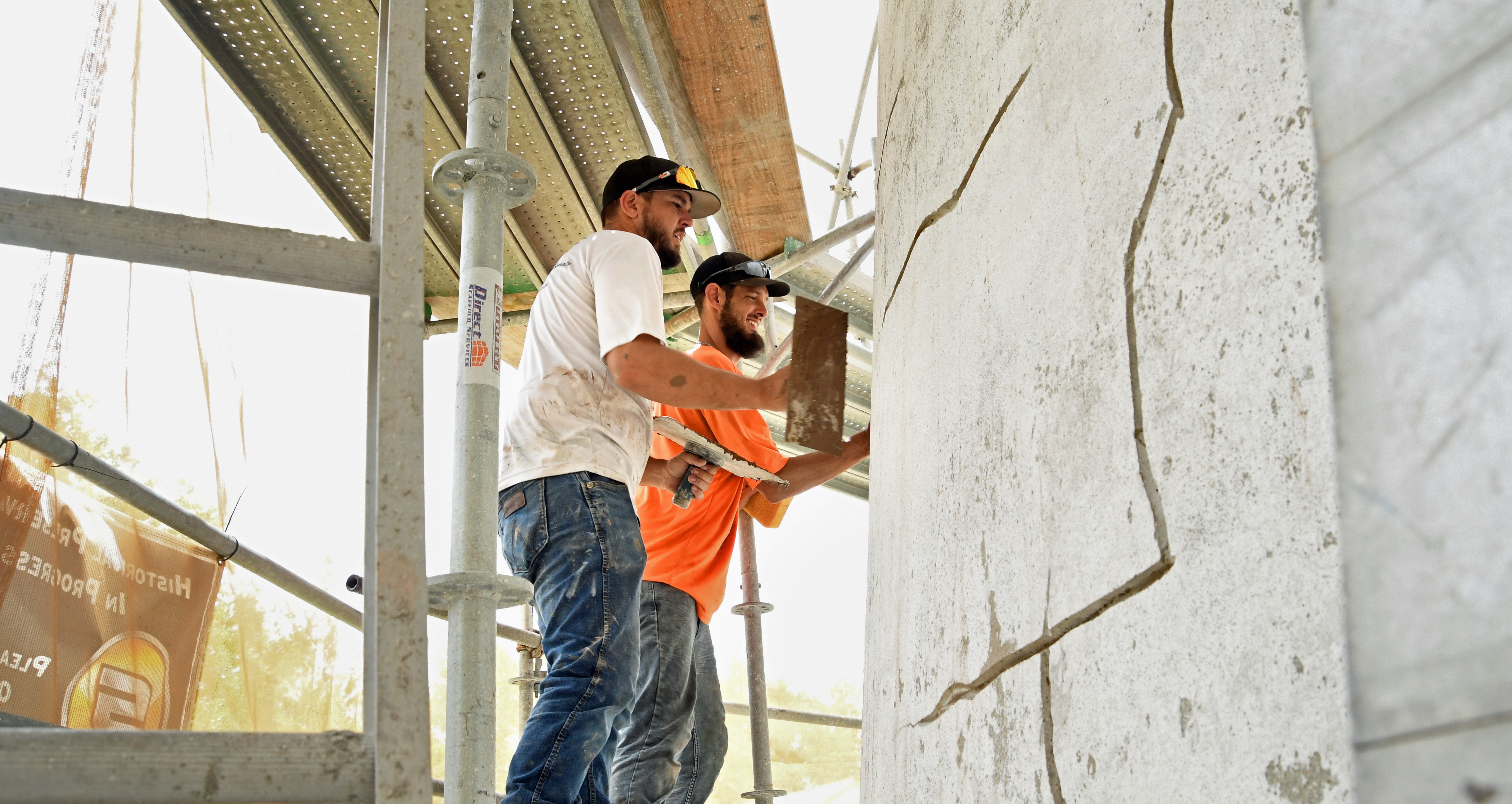

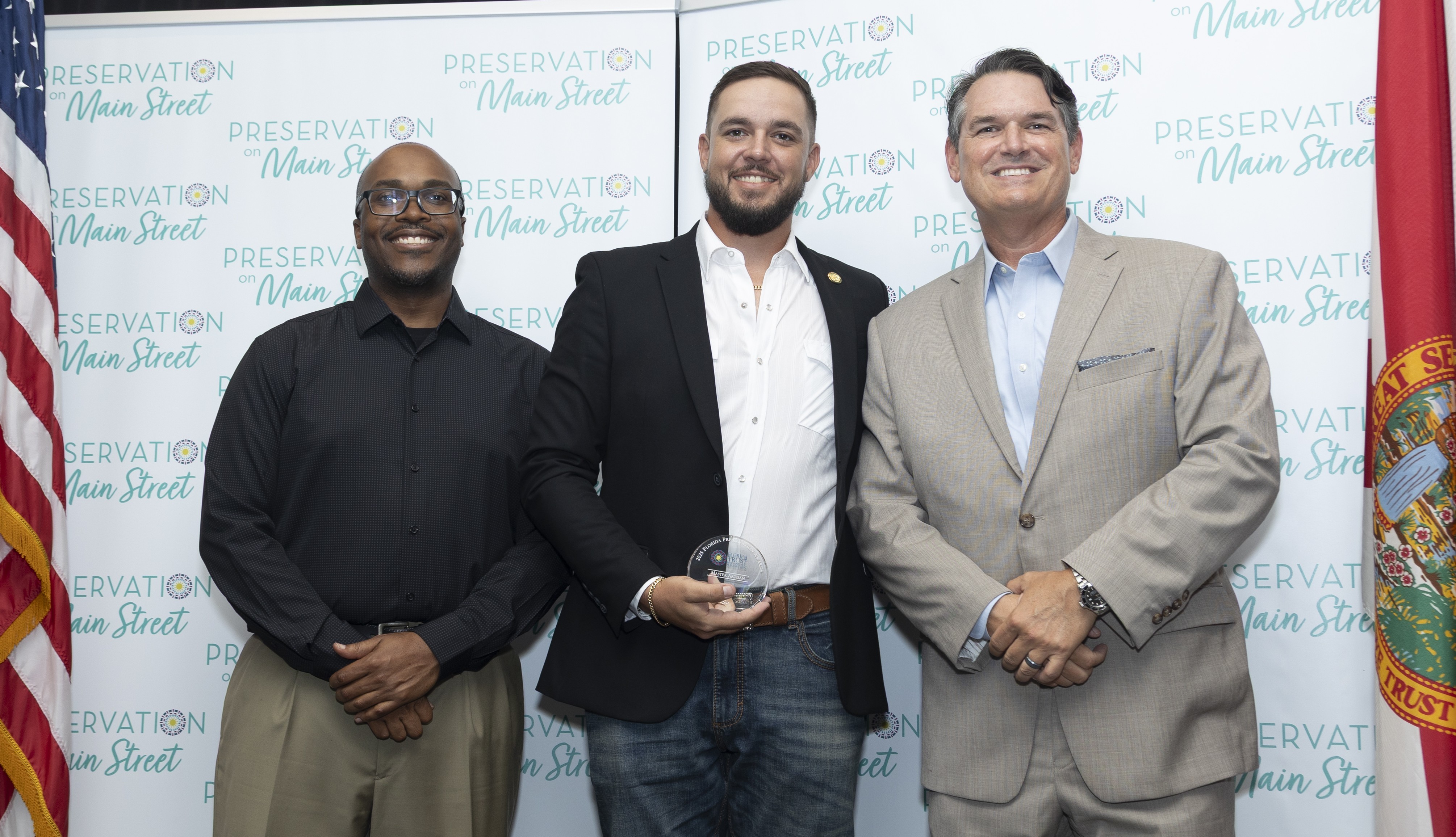
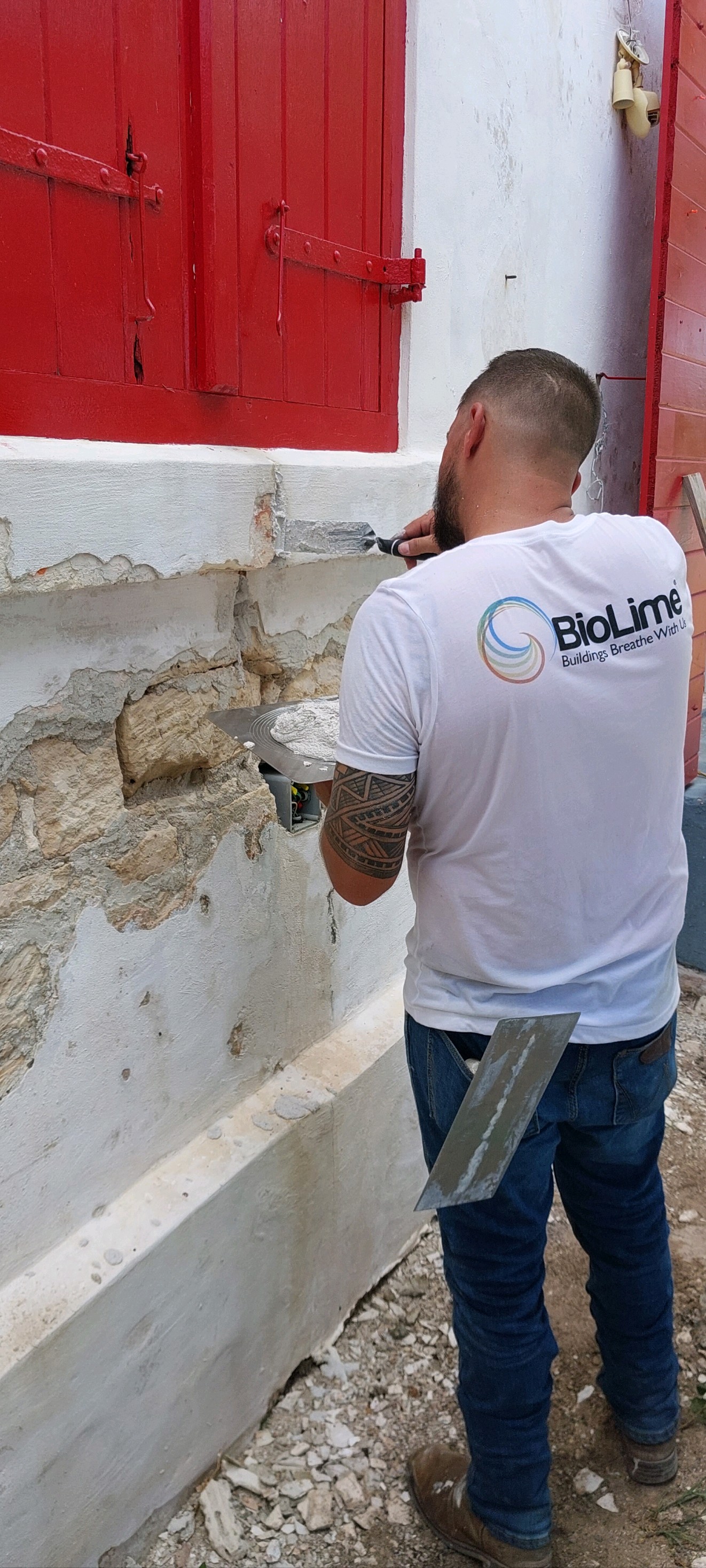
Image Credits
Ann Buster
Robert Eberle