



Today we’d like to introduce you to Lance Loya.
Hi Lance, please kick things off for us with an introduction to yourself and your story.
I’m an author and keynote speaker who helps leaders get their teams to understand the art of being a good teammate.
About a decade ago, I was working as a college basketball coach at a small private college in the northeast when a frightening plane ride changed the trajectory of my life.
I was traveling home from watching a player I coached receive the prestigious NABC Allstate Good Works Award at the NCAA Final Four when my flight encountered some bad turbulence. The encounter led to me authoring a children’s book for my daughters titled Be a Good Teammate.
All that book was ever intended to be was a bit of life advice if something tragic should ever happen to their dear old dad.
My thinking was that my daughters would always be part of a team in some capacity. If they were good teammates, they would always have friends and a strong support network.
If they were good teammates, they would always have financial stability. Companies can’t wait to hire good individuals willing to put the needs of the company ahead of self-serving agendas.
Perhaps most importantly, if they were good teammates, they would find purpose in their lives. They would serve the needs of their team, whatever team that turned out to be. Service leads to purpose, purpose leads to happiness. What more could any parent hope for than for their children to have happiness in their life?
That children’s book changed my perspective on life in unexpected ways.
As it grew in popularity and made its way into classrooms around the country, I started getting asked to visit schools and appear at children’s book festivals.
Every time I did one of those events, someone would encourage me to write an adult version of the book because, as one zealous principal eloquently stated, “We’ve got some people who work here who don’t know how to be a good teammate.”
In response to the recurring demand, I wrote an adult nonfiction book titled Building Good Teammates: The Story of My Mount Rushmore, a Coaching Epiphany, and That Nun.
That book gained a bit of cult following, which sent me on a journey of discovery in preparation for a follow-up nonfiction book titled The WE Gear: How Good Teammates Shift from Me to We.
I left coaching and dedicated two years of research to answering one simple question: What truly separates good teammates from those that are not?
Because when you find the answer to that question, you unlock peak performance, increase productivity, and create an organizational culture that transforms team members from “interested” to “invested” in the organization’s success.
In the beginning, I interviewed professional and high-level collegiate athletes and coaches. I then moved on to education, military, and business leaders.
The experience led me to develop a framework for codifying the concept of being a good teammate so that it can be taught and assessed by more than a gut feeling.
I now travel the world, speaking at conferences and corporate events where I share insights that inspire individuals to be better teammates.
Would you say it’s been a smooth road, and if not what are some of the biggest challenges you’ve faced along the way?
My journey has certainly not been without its challenges. Like any entrepreneurial endeavor, venturing out on your own can be scary. The inconsistency of “gig work” can be stressful, especially when you first start. But the rewards far outweigh the stress of the struggle. Few things are more fulfilling than seeing your influence change someone’s mindset. I am always looking for new speaking opportunities. And I get excited every time someone approaches me at an event and asks me to sign a copy of one of my books.
Thanks – so what else should our readers know about your work and what you’re currently focused on?
I am best known for my enthusiasm on stage and my passion for transforming individuals into good teammates.
Most teamwork experts focus on big-picture team dynamics. Their approach to teambuilding typically includes activities that can be fun in the moment yet fail to lead to lasting change.
I focus on what I call team “micro-dynamics.” These are small, often overlooked behaviors that influence the mindset of the individual team member. Teamwork might make the dream work, but ultimately, it’s the teammates who make the team work. Whether that work is with students, customers, or staff, sculpting the mindset of the individual matters.
One of things I am most proud of is my weekly Teammate Tuesdays newsletter, where I share inspirational anecdotes and insights about the art of building good teammates. Some of the most prominent leaders across a variety of industries subscribe to this free newsletter.
****
Lance’s full Bio:
What if every person on your team performed like Employee of the Month—fully engaged, accountable, and invested in the project? That’s the question Lance Loya answers in his fast-paced, interactive presentations that show leaders how to transform me-focused employees into we-driven teammates.
Lance is the Founder & CEO of The Good Teammate Factory and the creator of National Be a Good Teammate Day (July 22nd). A former college basketball coach turned bestselling author and keynote speaker, he has dedicated his career to helping organizations curb selfishness, improve internal relationships, and unlock peak performance.
His work has been embraced by Fortune 500 companies, professional and collegiate sports teams, school districts, government agencies, and nonprofits. He has authored ten books, including The WE Gear: How Good Teammates Shift from Me to We, which Forbes named one of the “20 Books That Will Make You a Better Coach or Mentor.” His insights have been featured in The New York Times, USA Today, MSN, and CEO Weekly.
When not speaking or writing, he is a devoted husband to his wife of 20+ years and doting father to his two daughters.
What sort of changes are you expecting over the next 5-10 years?
With remote work growing in prominence, creating unity among team members is going to continue to be a challenge. So will employee retention. Both of those challenges are best attacked by cultivating a workforce that embraces the concept of being a good teammate. Educating leaders and equipping them with this knowledge will be increasingly crucial to organizational success and sustainability.
Contact Info:
- Website: https://www.coachloya.com/
- Instagram: https://www.instagram.com/coachlanceloya/
- Facebook: https://www.facebook.com/coachloya
- LinkedIn: https://www.youtube.com/@coachloya
- Twitter: https://twitter.com/coachlanceloya
- Youtube: https://www.youtube.com/@coachloya


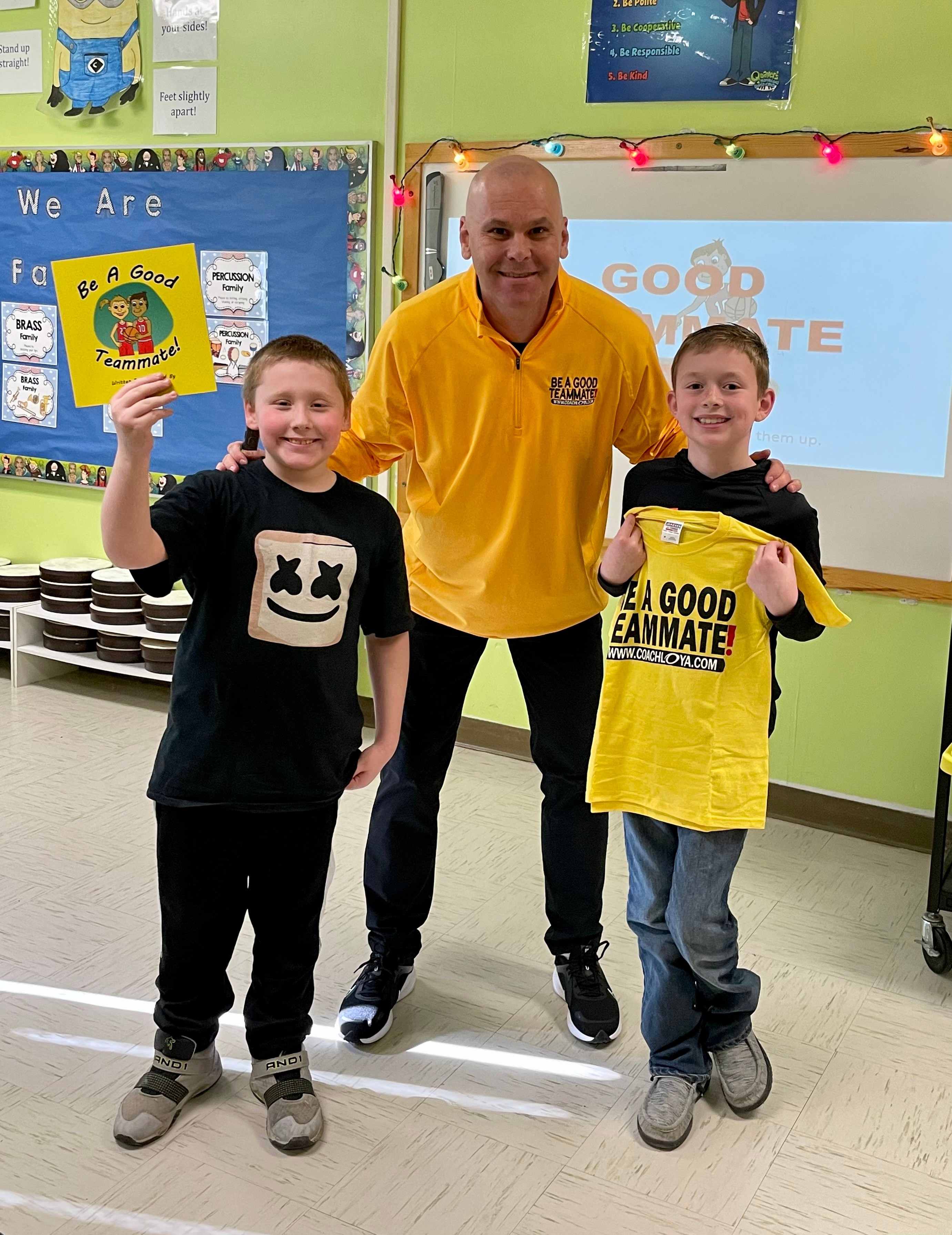


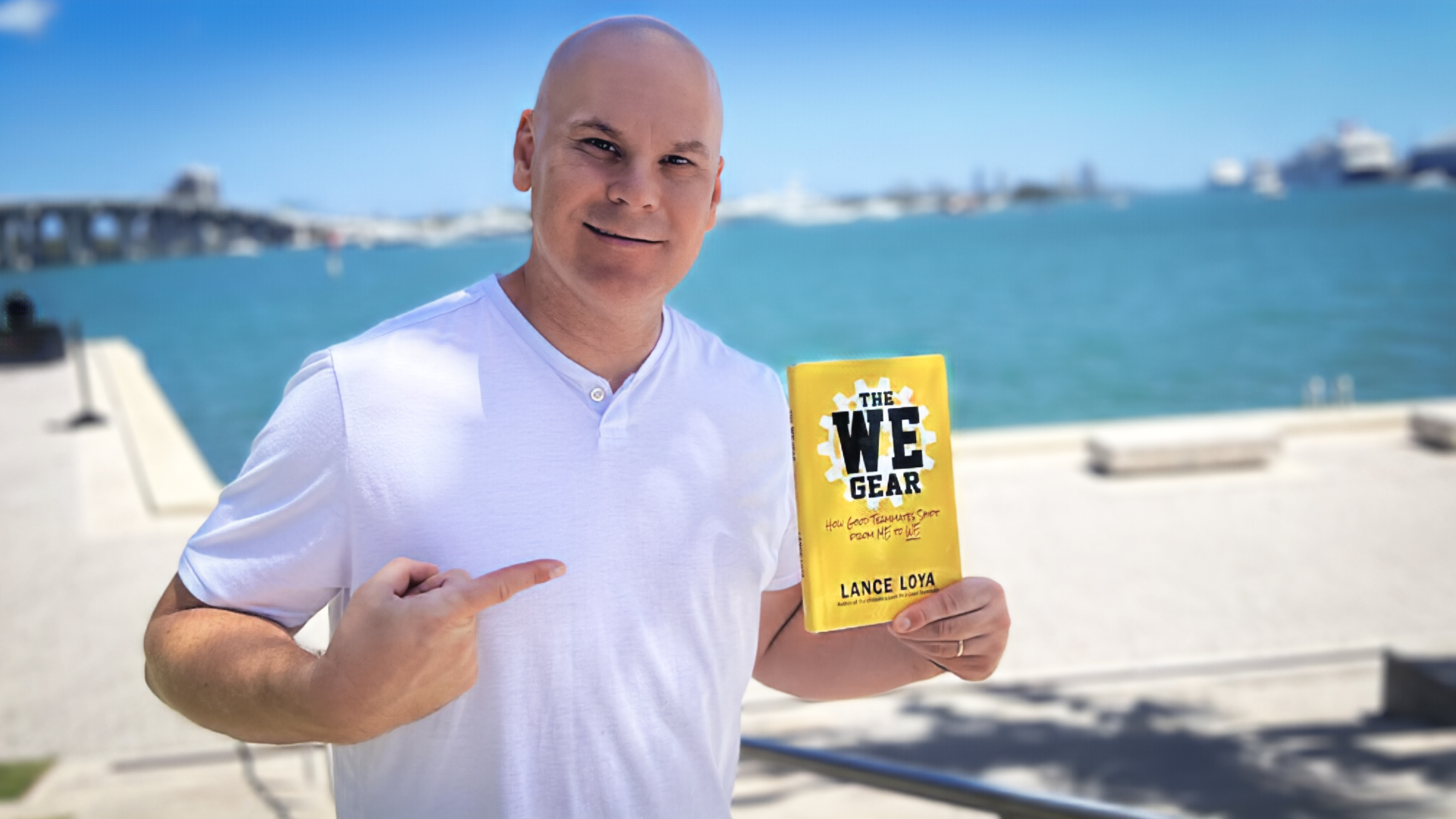

Image Credits
I own the rights to all images provided. No credit is necessary.