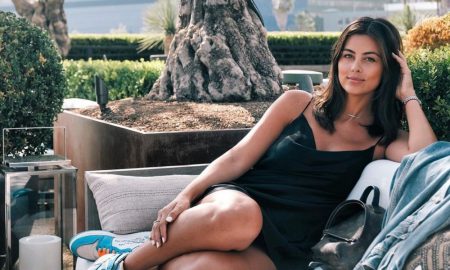



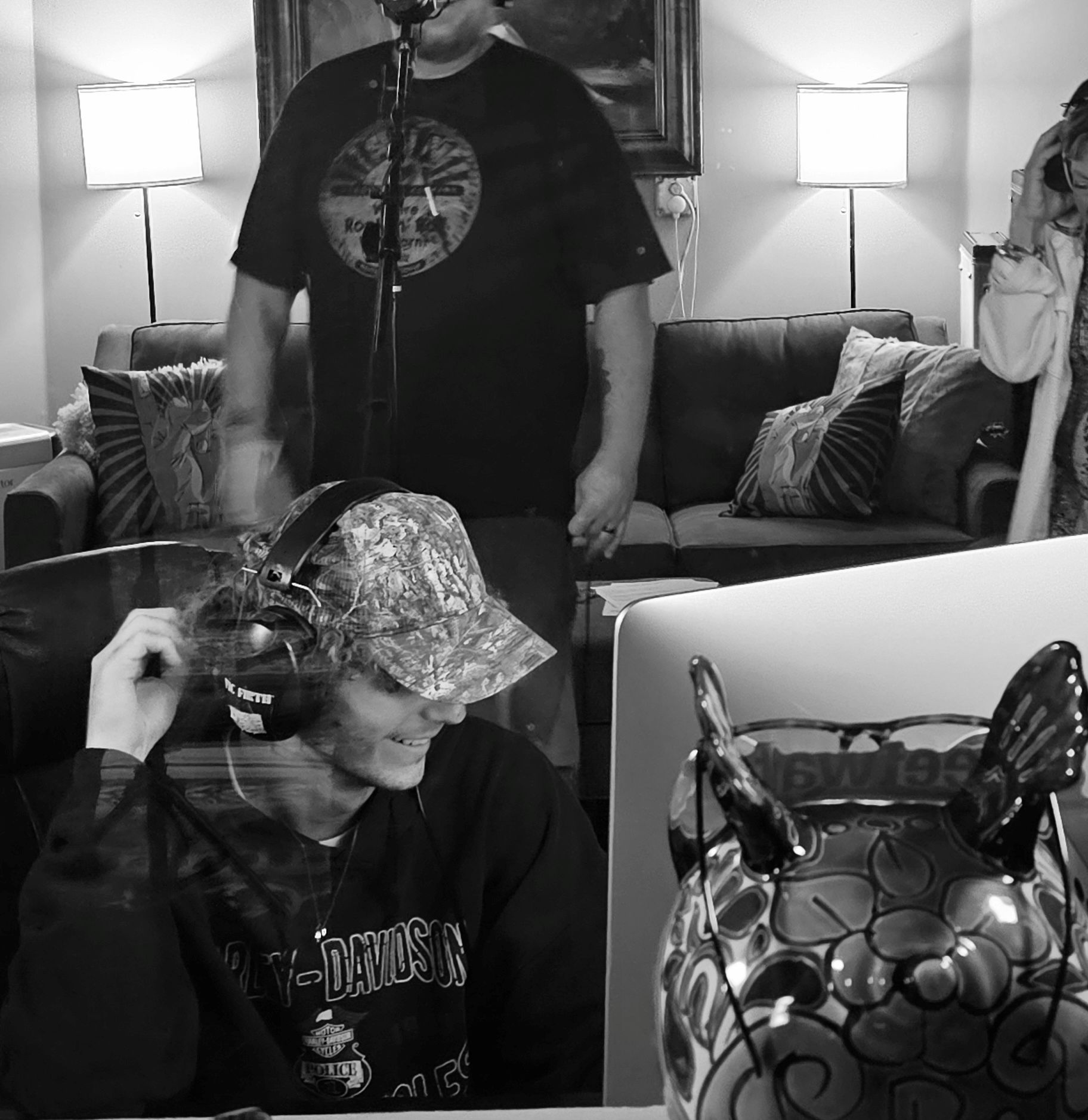
Today we’d like to introduce you to Gabe Stevanus.
Hi Gabe, it’s an honor to have you on the platform. Thanks for taking the time to share your story with us – to start maybe you can share some of your backstory with our readers?
Absolutely. My journey with music started in high school, like many others. I started (like many other young creatives) by hanging out with friends who were already making music. I was very intrigued, not by instruments and bands, but the technical end of music and how DAWs worked. I learned my way around DAWs and the basics of “computer music” via online communities, reading books, watching videos, talking to people, and started learning how to record music on my laptop, probably in my sophomore or junior year of high school. With all this said I did play guitar/keys through high school and am just a little musically inclined, I learned just enough to write my own songs and scrape by on the production end if i was ever needed.
I had one friend in high school who was into all that stuff, and he introduced me to a lot. By the time I was ready to graduate, I knew I would really love to turn this into a career if I could, and I understood all of the uncertainties that came with a decision like that. I toured a couple audio schools around Florida, but I landed on a smaller branch of Mike Curb College of Music in Daytona Beach, which has a small A.S. two year audio degree, very small classes, and professors I liked. I thought if I could complete this degree in a year and a half and hit the workforce quicker than some of the students coming out of more prestigious four year schools, it might benefit me a little.
I graduated high school, moved to Daytona, lived with my aunt, and got through my first couple months of school immersed in this new world, learning mainly how to record music and work in studios. Early on, I also had a studio internship in Daytona for about a year at a local studio called Wall Of Sound, I harassed my ex boss Joey Grillo to get into that place. Biggest shoutout to Joey Grillo from Wall Of Sound Studios & Joey Grillo Entertainment – amazing boss, mentor, and friend, he would do just about anything for me and thats hard to find not just in the music industry but in general.
The studio internship turned into paid gigs here and there and was really helpful for my resume, I would run the studio and sessions when Joey was traveling, at 19 it felt amazing for someone to instill this much trust in me. I worked there for about a year I think. To this day, it’s one of my hidden gems in Daytona; that place gives me more nostalgia than anywhere else on earth, countless hours there, days there, slept there sometimes, it was my second home. The studio gig headlined my resume along with some AV experience and school of course, I would come to find out that this carried a lot more weight than I thought it did.
My final semester of college was one of the best three months of my life. The college only had two professors for the audio program at the time, and this really gave myself and the very few other students who wanted to take advantage of extra studio time an opportunity, which one of my friends and I took full advantage of, often staying in the studios until the security guard Jeff kicked us out. I was in studios every single day, and the experience of being surrounded by sound constantly was incredible. In my last semester of school, I started looking for the next big opportunity. I felt the trajectory of my career really taking a steep climb, and I loved that; I knew I wanted more.
I reached out to a few studios and industry contacts, and a couple of months before I graduated, I got an offer from Westlake Studios in Los Angeles, which was Michael Jackson’s flagship studio where he recorded Thriller. I accepted that offer and finished my last two months of school. In June 2023 I packed everything I had in my shitty little car and drove across the country from Florida to Los Angeles. I’ll clarify that my goal at the time had been to be an audio engineer, tracking or mixing. My first week in Los Angeles was insane culture shock, living in West Hollywood, financing everything, parking tickets galore, but I was in the studio every single day, and happy.
I always say there’s nothing more euphoric than hearing something new come out of a pair of speakers and hit your ears; it is my version of drugs. I spent many nights in the studio alone or during sessions, they have this kinda strange, intimate, and liminal feeling in the middle of the night. I always loved that, I loved the whole scene, the weird hours, the culture, it was amazing. I can’t mention the artists/teams I worked with because of NDAs, but all of them were A-list talent. The experience was surreal, being in these historic studios every single day, meeting industry people, understanding how big commercial music is recorded, and seeing how a studio is run. After about seven months in Los Angeles, I moved back to Florida and went to Miami this time. I moved back to Florida for many reasons, but one was because I had already lined up another studio role there at Criteria Studios, legendary studio. Another was because I thought I could punch through quicker in an area less saturated by young creatives trying to break into the music industry, to my surprise I was right.
In Miami, I really had a great structure. Trevor Fletcher, who runs Criteria in Miami, showed me the honest, genuine side of our often cutthroat industry and I respected him a lot for that; he’s a staple in our industry and one of the best bosses I’ve ever had, even if it was just for a couple months. In Miami, I started getting roped into assistant engineering sessions really quick because of Trevor, he made sure I was on my first work order to get my first album credits too.
In all of my studio experiences, I would meet tons of record executives, A&Rs, marketing teams, artists entourages, really everyone during sessions, sometimes even the artists families. I started to realize that while I loved engineering so much, and at the time that’s where all of my skills had been, it felt like a role that really wasn’t meant for me anymore. What I really wanted was to help artists, especially smaller ones, excel in their careers, just like all of these people who I had met during sessions. There’s nothing I value more than those working in the creative side of our industry; engineers, producers, writers, artists themselves, are the absolute spine of this beautiful industry that we have. What I noticed is that I personally would be so much more useful supporting the careers of those people in the music business instead of in the studios.
I just wanted to make a bigger impact; I wanted to actually move the needle for them and I knew I could If I made a slight career pivot. I was really shooting for A&R at first, but I realized that role is a bit of a blanket term, A&Rs do so much more than just A&R; they’re very multifaceted and getting into that career often happens inadvertently. I knew that breaking into the music business would be tough without formal schooling, so I did a series of internships, freelance A&R, and odd jobs in the music business to build my portfolio on the business side, building connections and experience along the way. This took several months, and it’s nothing anyone should ever be ashamed to admit or participate in; this all happened mid-2024 for me.
Fast forward to now, and things have changed in a really amazing way. I became very involved in creative marketing this year and now work for a digital agency, helping artists break their music through digital marketing. I think marketing is so critical because it also directly informs my A&R decisions, in my opinion. Understanding what is resonating on the marketing end with listeners is imperative when doing A&R research; we see so many high performing indie record labels where the marketers are also the A&Rs, and that’s for a very good reason, I took note of that and turned into one of those execs.
Marketing has also become a big focus for me because it can literally shape the artist ethos and perception, especially for small artists, and that’s just so powerful. If you know how to market music and do really good A&R, you’re already halfway to being an amazing music exec, those are two skills you can really use to singlehandedly launch an artists career.
I also work with an indie record label and run my own freelance artist services company. I’m doing precisely what I want now, I meet amazing people daily, and help build artist careers, and everything I’ve done has led to where I am now, which is focusing on the creatives and propelling their careers.
Can you talk to us a bit about the challenges and lessons you’ve learned along the way. Looking back would you say it’s been easy or smooth in retrospect?
It has by no means been a smooth road. It still isn’t sometimes, honestly, but I can certainly touch on some of the tougher times. When I left for California, I thought there was a good chance I would stay there. All my family, friends, familiarity, everything I had ever known was on the East Coast. Being away from all of that was very challenging, but also very fulfilling and exciting. I was very proud of myself. But the biggest challenge by far was breaking into the music business after working on the creative side.
That transition was extremely difficult. Record labels, publishing companies, management companies, etc. don’t really value that creative background when hiring for entry level roles. It can actually even be a red flag sometimes. Building a portfolio in the music business from the ground up with no formal education in that field was really tough. When it came time to try to land a role, I was up against recent graduates with bachelor’s degrees in music business and a lot more experience on their resumes.
I tried for a while to leverage my creative background for more creative roles like A&R. A lot of those positions, however, have upwards of 1,200 applicants per posting, and I’m not even exaggerating. I’ve spoken to many hiring managers about it. The entry level side of our industry is extremely saturated and underpaid. It’s passion taxed.
Alright, so let’s switch gears a bit and talk business. What should we know about your work?
I’d love to touch on this. Currently, my main work is in creative/viral music marketing and A&R, and as mentioned in other parts of this interview, I intertwine them. I think it’s incredibly valuable to be multifaceted. At the end of the day, I still consider myself a creative. I’d say I specialize in having a deep understanding of how my industry moves. I see it inside and out, I feel it fluctuate, and I anticipate what it’s about to do. The music industry is ever changing, no two days are the same, and it’s always important to be on the cusp or even before the cusp of that next big thing. I’d say I’m pretty good at identifying what that is.
To answer the next few questions in one:
What I’m known for, what I’m most proud of, and what sets me apart:
I’m known for my grit and work ethic. I’ve had the pleasure of participating in some amazing projects, not because I had all the experience or a secret answer, but because people know that no matter what, I’ll do that 16 hour day if I need to for something amazing, I’ll never present problems without possible solutions, and if you give me the trust of working with you, we’ll create something beautiful together, even if it’s not what was originally planned.
There are people in this industry that, when you talk to them, you can just feel they’re on that same level. They eat, sleep, and breathe music. It’s their livelihood, their life, and they’d do anything for it. It’s also their job. When you put multiple people like that together with one common objective in mind, that’s when amazing things happen. That’s kind of what our industry was built on: restless innovators and architects who would stop at nothing unless it was exceptional.
What would you say have been one of the most important lessons you’ve learned?
The most important lesson I’ve learned along the way kind of ties into my earlier answer. In our industry, your currency and value is your network. It’s extremely important. After some time in the studios and a few gigs in the music business, I stopped aiming for those roles at labels and publishing companies. My mindset changed a lot. I started focusing on the connections I had made along the way and began doing the actual work I wanted to do on my own terms and timeline.
As soon as I made that switch, things started to naturally gravitate toward me. Eventually, I landed one of those jobs I had wanted so badly before, simply because I stayed in touch with someone, checked in often, and made myself an asset. In my eyes, it’s extremely important to never frame anything as an inquiry or an ask. If you’re reaching out to a big music exec, client, or anyone in a position of influence, your mindset shouldn’t be “what can they do for me?” or “how can they plug me in here or there?” It should always be “how can I provide this person, who’s seen everything, with a valuable resource they don’t currently have?” or “how can we work together and make this mutually beneficial?” “how can I fill these gaps?”
If you can do that genuinely and consistently, if you can provide real value, work will come your way. Great work too. Everything will start to align.
Contact Info:

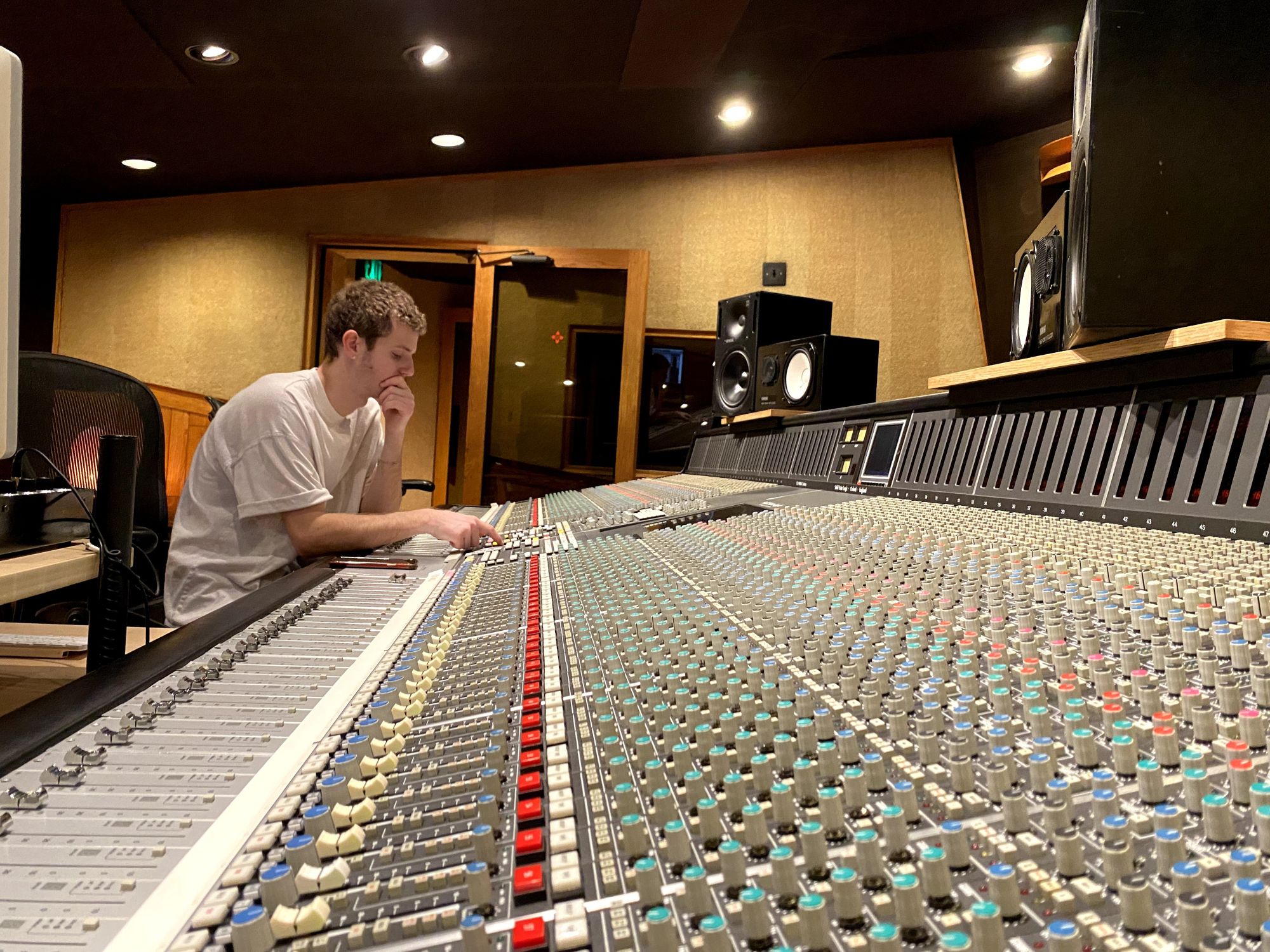

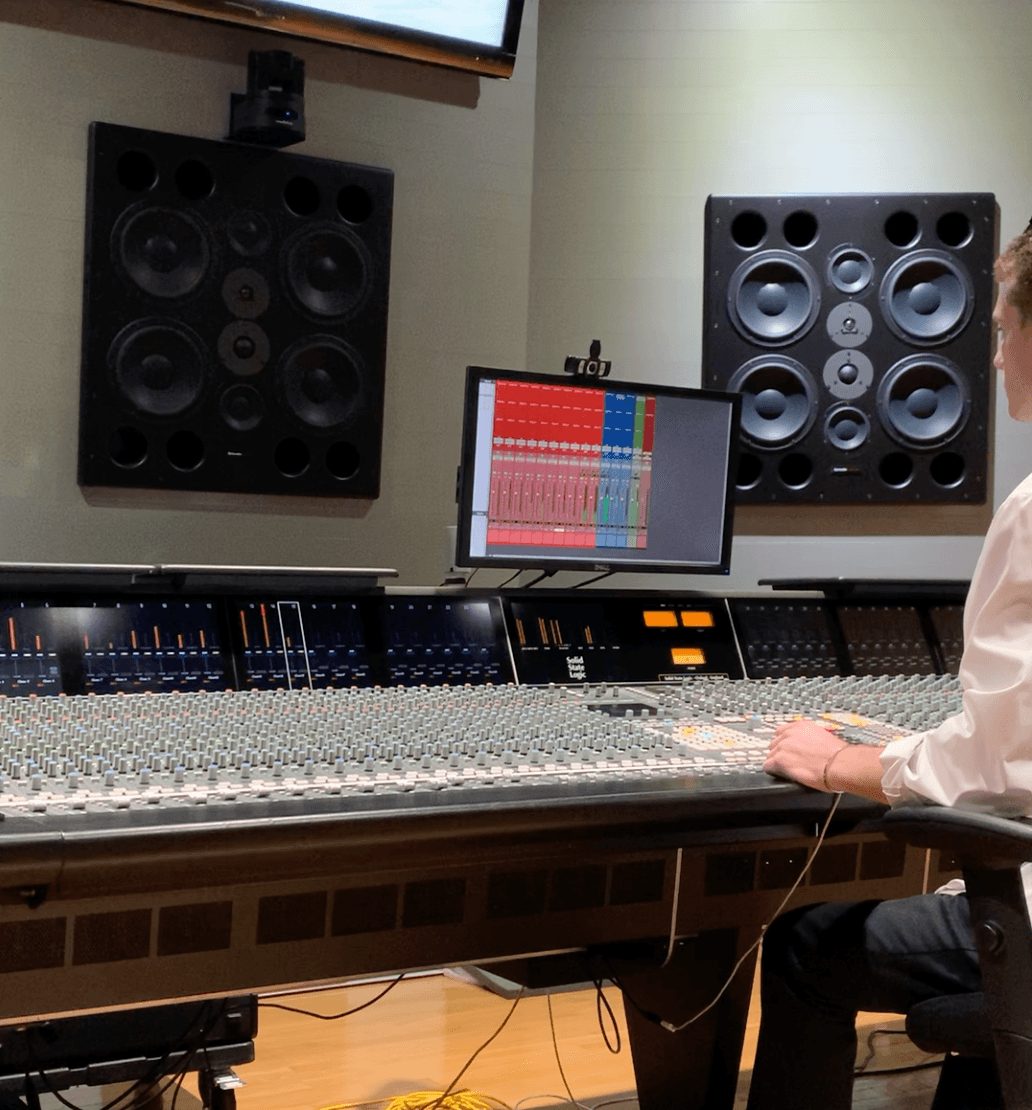
Image Credits
Jonathan Garcia Gabe Stevanus