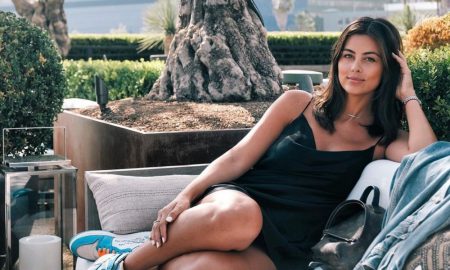



Today we’d like to introduce you to Dr. Elayne Daniels.
Hi Elayne, so excited to have you on the platform. So before we get into questions about your work-life, maybe you can bring our readers up to speed on your story and how you got to where you are today?
I started my lfe as the kid who felt weird. Not quirky-weird or artsy-weird—just wrong, somehow. Like I didn’t fit in no matter how hard I tried. And man, oh man, did I try.
One of my sisters was “the cool one.”
Another was “the cute one.”
And me? I was the “overly sensitive, too much” one. Ouch.
My parents even had a saying they’d toss around whenever life got loud, chaotic, or remotely unpredictable: “Too much commotion for Laynie.” And I hated it. I hated how I was seen, hated that they were right, hated that I couldn’t just toughen up and get on with it like everyone else.
Growing up, my sensitivity was visible to everyone. I was the kid who absorbed emotional tension before the grownups knew an argument was brewing. I worried about small things other kids shrugged off. I closed my eyes during scary movies and sometimes at previews for them. (I avoid them completely now.)
But in a world that doesn’t have a framework for sensitive children, those traits get mislabeled. I wasn’t “highly sensitive”; I was “intense,” “dramatic,” “fragile,” “weak,” “overreactive.”
So naturally, I grew up hating who I was, and trying very hard not to be her.
Fast forward a couple decades, and there I was: an established psychologist, specializing in eating disorders, doing the work I loved. One day, I stumbled across research on sensory processing sensitivity. A single sentence stopped me cold: “HSPs tend to notice subtle emotional cues others miss.”
Sounds simple, but….holy mackerel.
Immediately, I thought of the bazillions of times I had sensed clients’ shame before they uttered a word. I’d always assumed it was intuition, or maybe just clinical training. But in that moment, a pattern snapped into focus.
This wasn’t magic. It wasn’t coincidence.
It was sensitivity that had been shaping my work, and my life, from day one.
When I entered the field of psychology, I’d been told not to show my feelings. The gold standard was objectivity, clinical distance, emotional neutrality. But those weren’t just hard for me—they felt unnatural. Impossible. Wrong.
And over time, I realized I didn’t want to turn it off.
Because my sensitivity was the very thing that helped me hear what wasn’t being said. It was the reason I could pick up the micro-expressions, pauses, and barely-there hesitations that signaled someone was hurting. It was why I could sense when a client was about to shut down or when their “I’m fine” actually meant “I’m drowning.”
This attunement became essential in my work with eating disorders, where so much of the suffering is silent, hidden, or internal. And as I paid attention, I noticed something even more striking: lots of my clients were Highly Sensitive People long before their mental health symptoms emerged. They had always been deep processors, perceptive, emotionally responsive. But in a culture that dismisses sensitivity, those strengths often become vulnerabilities.
That realization didn’t just change my career. Without a doubt, it changed my life.
I began integrating HSP research into my therapeutic work and sharing what I had learned with clients, colleagues, and anyone who’d listen: High sensitivity is not pathology. It’s wiring. Wiring that shapes how people process emotion, experience their bodies, respond to stress, and navigate relationships. It’s a tremendous strength when understood. And a burden when ignored.
Becoming an HSP expert wasn’t a career move so much as a homecoming. My life had been pointing me in this direction from the start. I finally named it, and everything made more sense.
Today, my work focuses on helping highly sensitive people understand themselves, reclaim their strengths, and navigate the world without shrinking. (Pun intended! I specialize in body image and eating disorders.)
If there’s one message at the heart of my story, it’s this:
Sensitivity isn’t the problem. The misunderstanding of it is.
Alright, so let’s dig a little deeper into the story – has it been an easy path overall and if not, what were the challenges you’ve had to overcome?
My biggest challenges started long before my career did. I spent years trying to be the detached, stoic therapist I thought I was supposed to be. My facial expression alone gives away 80% of my feelings.
Working in eating disorder recovery also brought its own kind of challenges. It’s deep work. As a highly sensitive person, I had to learn how to stay connected without absorbing every feeling.
The biggest hurdle was unlearning the belief that my sensitivity was a flaw. Once I stopped trying to be “less much” and started using my attunement as a strength, everything clicked. I finally felt like myself, and not the watered-down version I thought I had to be.
So yes, there were challenges. Plenty. But every single one nudged me toward the work I do now and the way I do it. With compassion, humor, and zero attempts at pretending I’m anything other than exactly who I am.
Thanks for sharing that. So, maybe next you can tell us a bit more about your work?
What do I do?
I’m a psychologist and coach who helps people “come home” to themselves. In essence, I help people understand themselves better and live in a way that reflects that understanding. My specialties include eating disorder recovery, supporting Highly Sensitive People (HSPs) in learning how to thrive (not just cope), and guiding people toward a more respectful, trusting relationship with their bodies. To sum it up: I help people untangle the beliefs that hold them back, reconnect with their inner wisdom, and rediscover a sense of possibility in their lives.
What am I most proud of?
Honestly? There are the big moments, like one of my articles (“Beauty is the Beast: Psychological Effects of the Pursuit of Beauty Among Women”) being selected as the basis for the documentary The Illusionists. What fills me up most are the everyday moments in my work. I get to be with people while they grow. I get to witness them step into strength they didn’t know they had. I get to watch tiny shifts turn into major transformations. That’s remarkable to me every single day.
What sets me apart?
I wish I could answer that with something newsflashy, but the truth is simple: I’m just doing what I genuinely love. I show up with sincerity, deep attunement, and a belief in people’s capacity to heal. Even when they’ve lost sight of it themselves. If anything sets me apart, it’s that I lean into my sensitivity and use it as a tool. My clients often tell me I notice the things they don’t know how to say out loud.
I think that’s the heart of it: I’m here to make a difference, one ripple at a time.
Where we are in life is often partly because of others. Who/what else deserves credit for how your story turned out?
Hmmm. My career has been more of a very long DIY project. No one took me under their wing and said, “Here’s how you do this.” I learned by doing, stumbling, and recalibrating,
That said, I’ve had supporters—just not in the traditional sense.
For example, my parents have always believed in me. Their brand of support sometimes sounded like, “You don’t have to work so hard,” My husband is super steady and reminds me I’m “doing great” even on days when I’m convinced I am not . And my kids? They cheer me on by telling their friends, “Yeah, my mom helps people not hate their bodies.” (Actually, that might be the most accurate elevator pitch ever!)
So while I didn’t have official mentors, I did have people who helped keep me going. They offered perspective, humor, unconditional support—and in my husband’s case, many pep talks.
My path hasn’t been shaped by a mentor but by small, steady supporters who believe in me.
Contact Info:
- Website: https://www.DrElayneDaniels.com
- Instagram: https://www.instagram.com/drelaynedaniels/ or @drdaniels
- Facebook: https://www.facebook.com/DrElayneDaniels/
- LinkedIn: https://linkedin.com/in/elayne-daniels-a512a415
- Other: https://www.pinterest.com/doctorelaynedaniels/

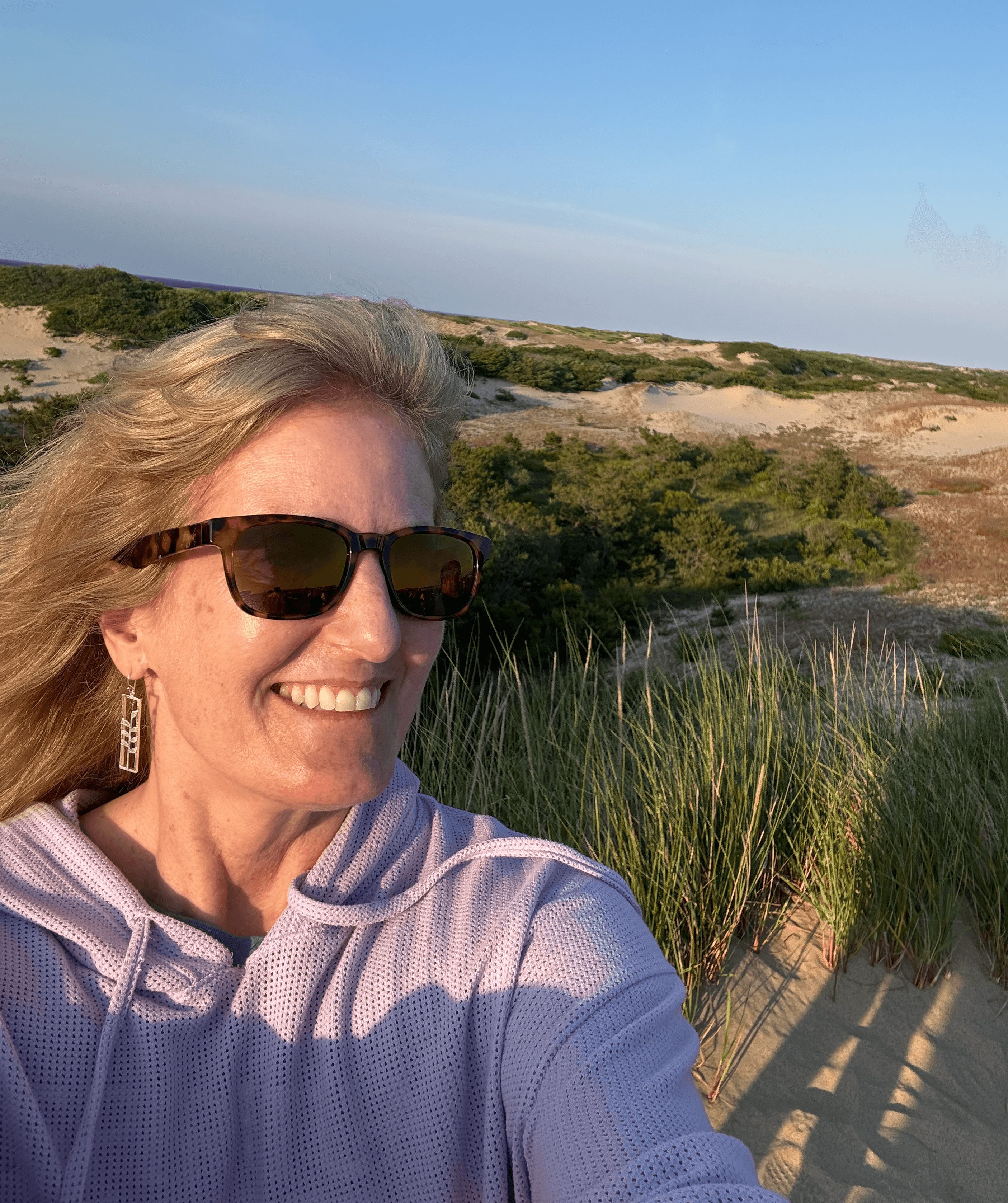

Image Credits
(The photo of me in front of a tree) Moira Sweetland photography