



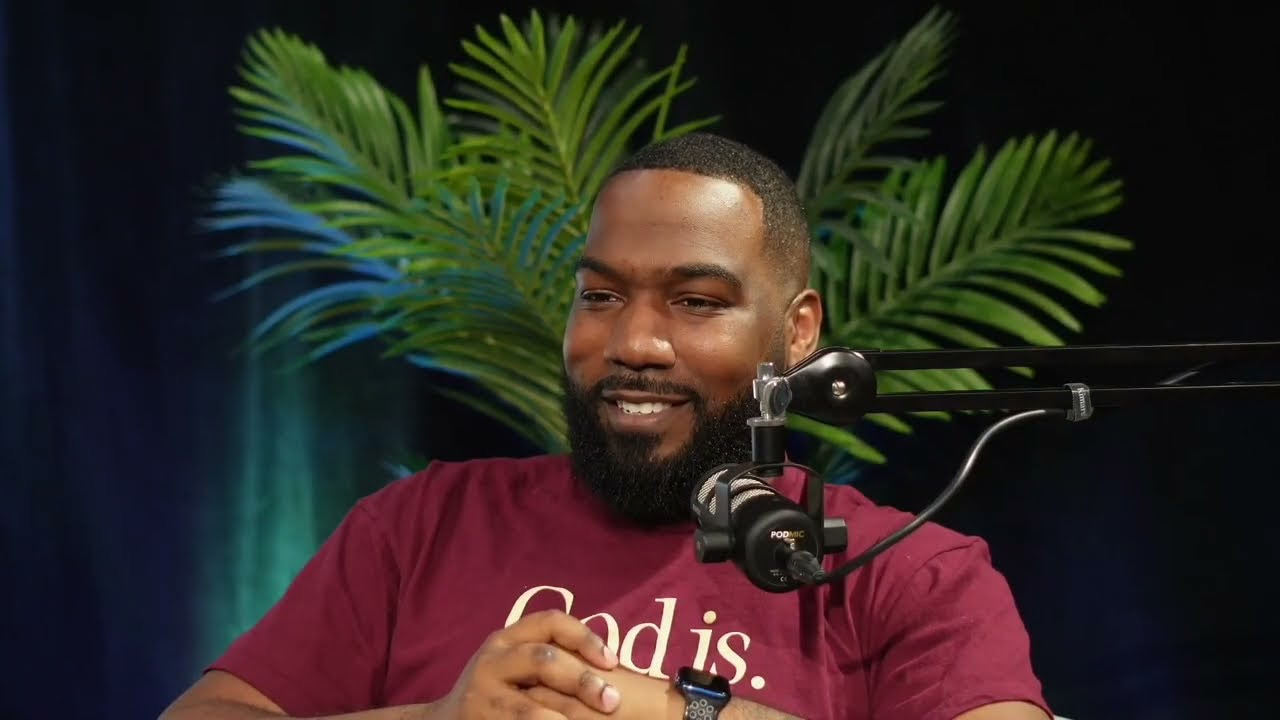
We’re looking forward to introducing you to Jay Derosier. Check out our conversation below.
Hi Jay, thank you for taking the time to reflect back on your journey with us. I think our readers are in for a real treat. There is so much we can all learn from each other and so thank you again for opening up with us. Let’s get into it: What are you most proud of building — that nobody sees?
I’m proud of building myself through daily steps of reflection.
I keep myself learning more in the process of how I process information; that could be from relationships (personal and business) or even how I react to things. I keep myself learning myself in a consistent manner of just trying and trying to be better.
Can you briefly introduce yourself and share what makes you or your brand unique?
My name is Jay Derosier, and I’m the creator and owner of The Jay Derosier Media Network, home of shows like Serious Sarcasm and Fupas & Flapjacks. I’m a content creator, host, and storyteller who built a platform rooted in humor, honesty, and elevating real conversations—especially within the Black community.
What makes my work unique is the journey behind it. I’ve survived cancer, social anxiety, depression, and transient ischemic attacks, and for a long time, I was the person who kept my thoughts to myself. Now I use my voice to challenge harmful narratives, bring more positivity to the culture, and spark conversations that blend comedy with real substance. My brand is all about creating educational yet funny content that reminds people they’re not alone, encourages growth, and pushes us to see the world—and each other—a little differently.
Right now, I’m focused on expanding the network, growing both podcasts, and shining a bigger spotlight on stories and creators who deserve to be heard. My mission is simple: build content that entertains, uplifts, and makes people think, all while staying authentically me.
Appreciate your sharing that. Let’s talk about your life, growing up and some of topics and learnings around that. What was your earliest memory of feeling powerful?
My earliest memory of feeling powerful goes back to realizing that my presence alone could shift the energy in a room. I’ve always been talkative, quick-witted, and naturally able to guide conversations without even trying. Even as a kid, people gravitated toward me for advice, for humor, or just for the energy I brought with me.
That ability to walk into a room and immediately connect with people—make them laugh, make them think, or help them see a situation differently—was my first real glimpse of what power felt like. It wasn’t forceful; it was influence.
As I grew older, that same presence became the foundation of my leadership style and my content. Whether I’m hosting a podcast, creating a clip, or building my media network, I lean into that natural ability to bring people together, spark conversation, and lead with a mix of truth and humor. That’s been my superpower long before I even realized it was one.
When did you stop hiding your pain and start using it as power?
I stopped hiding my pain and started using it as power the moment I realized my son needed the strongest version of me — not the version pretending everything was fine, but the one willing to fight through it.
Going through cancer, TIAs, depression, and anxiety while being a single father to an autistic child forced me to face myself in a different way. There was a point where I realized that hiding my struggles wasn’t protecting him — it was limiting me. And if I wanted to guide him, advocate for him, and show him what resilience looks like, I had to stop pretending I was unbreakable and start transforming what hurt me into what could strengthen us.
My pain became power when I started viewing my challenges as lessons instead of losses. When I accepted that being vulnerable didn’t make me weak — it made me a better father, a better creator, and a better leader. Every hospital visit, every moment of doubt, every win and setback taught me something that I now bring into my content and my business.
My story isn’t perfect, but it’s purposeful. And that purpose is what drives everything I do, from raising my son to building a media network that encourages people to grow, laugh, and keep going even when life gets heavy.
So a lot of these questions go deep, but if you are open to it, we’ve got a few more questions that we’d love to get your take on. Is the public version of you the real you?
The public version of me is real — it’s just not the whole me. On my podcasts and in my skits, I lean into this exaggerated persona: the womanizing, horny, unserious, nonchalant guy who jokes about everything. It’s a character that lets people laugh, relax, and not take life so seriously. But that version of me is only one layer.
Behind closed doors, I’m the complete opposite. I’m a lover boy at heart. I’m big on romance, intentionality, and grand gestures when I care about someone. I love being around the people who matter to me, and I’m the friend who can hype you up, give you a reality check, or be the shoulder you cry on — whatever you need in that moment.
I take pride in the fact that people can watch my content and still have no idea who I really am. Not because I’m hiding, but because I understand the difference between a persona and a person. My public presence is entertainment. My private self is where my heart lives.
So is the public version of me real? Yes — but the version you meet off-camera is the one that carries the depth, the emotion, the loyalty, and the love that most people never see unless they’ve earned access to that side of me.
Okay, we’ve made it essentially to the end. One last question before you go. What are you doing today that won’t pay off for 7–10 years?
What I’m doing today that won’t pay off for 7–10 years is learning to stop measuring my journey against someone else’s highlight reel and fully commit to the process that’s meant for me — and for my team.
As a creator, it’s almost second nature to compare numbers, views, engagement, or how fast someone else is “blowing up.” For a long time, I let that mindset steal the joy out of what I was building. I’d overlook my own progress because I was too busy watching everyone else’s pace.
Now, I’m investing in something that doesn’t pay off overnight: patience, consistency, and trust in my own timeline. I’m learning to focus on the bricks I’m laying today that will turn into the foundation of something huge years from now — my media network, my podcasts, my storytelling, and the people who help me bring all of this to life.
I’m building a system, a brand, and a team culture that values growth over instant gratification. I’m letting myself be proud of the slow burn, the quiet improvements, and the steps nobody sees. Ten years from now, the payoff won’t just be success — it’ll be knowing I didn’t rush the journey, I didn’t skip the lessons, and I didn’t let comparison convince me that I was behind.
What I’m really doing today is learning to enjoy my own process. And that might be the most valuable investment I’ve ever made.
Contact Info:
- Website: https://Www.JayDerosier.com
- Instagram: https://www.instagram.com/thejayderosier?igsh=OW45eGo5c2k4eXlo
- Twitter: https://x.com/jayderosier_?s=21
- Facebook: https://www.facebook.com/share/1ARYtMUezj/?mibextid=wwXIfr
- Youtube: https://youtube.com/@derosiermedianetwork?si=scxWdLrew9RLn1EB
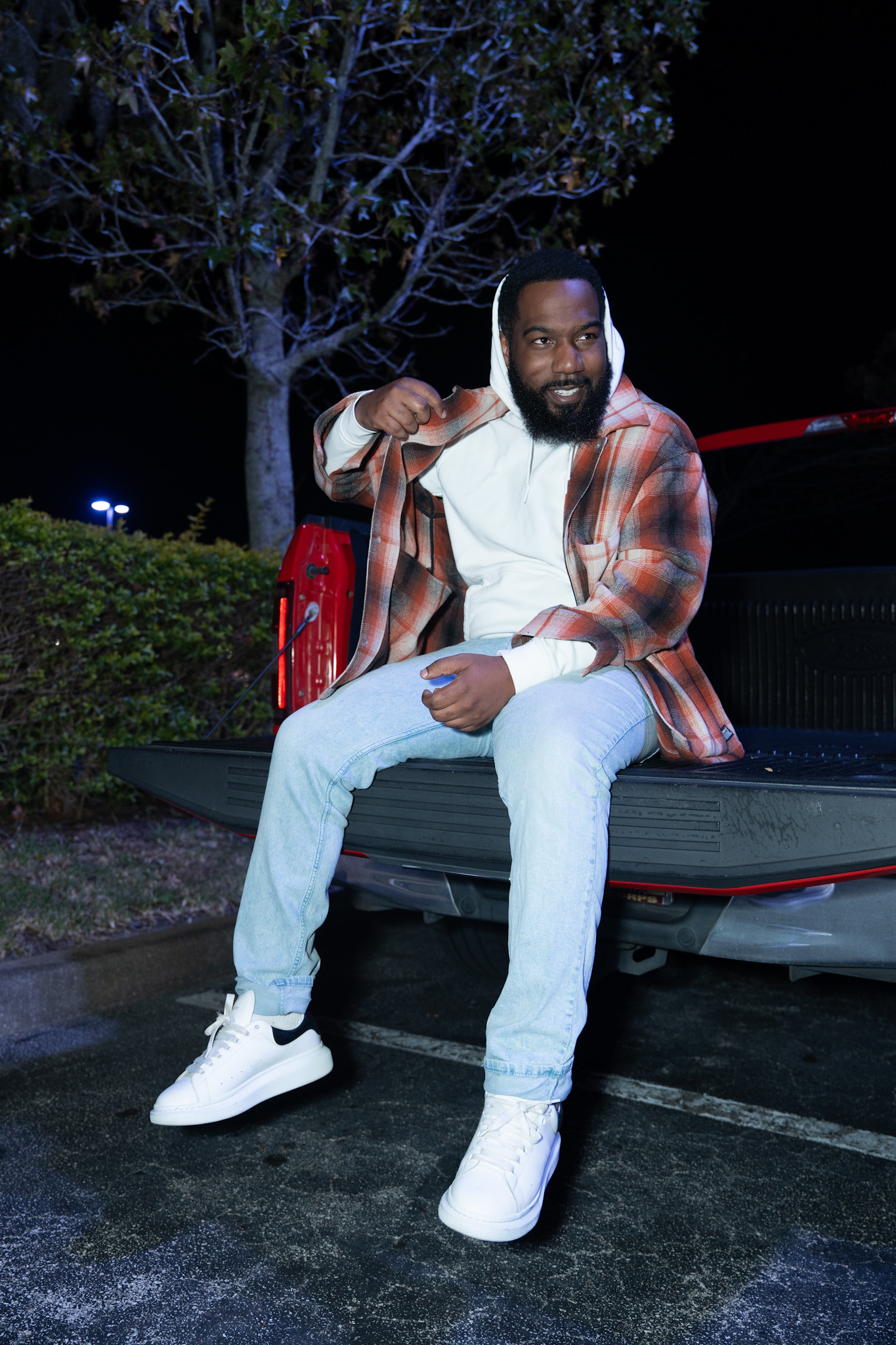
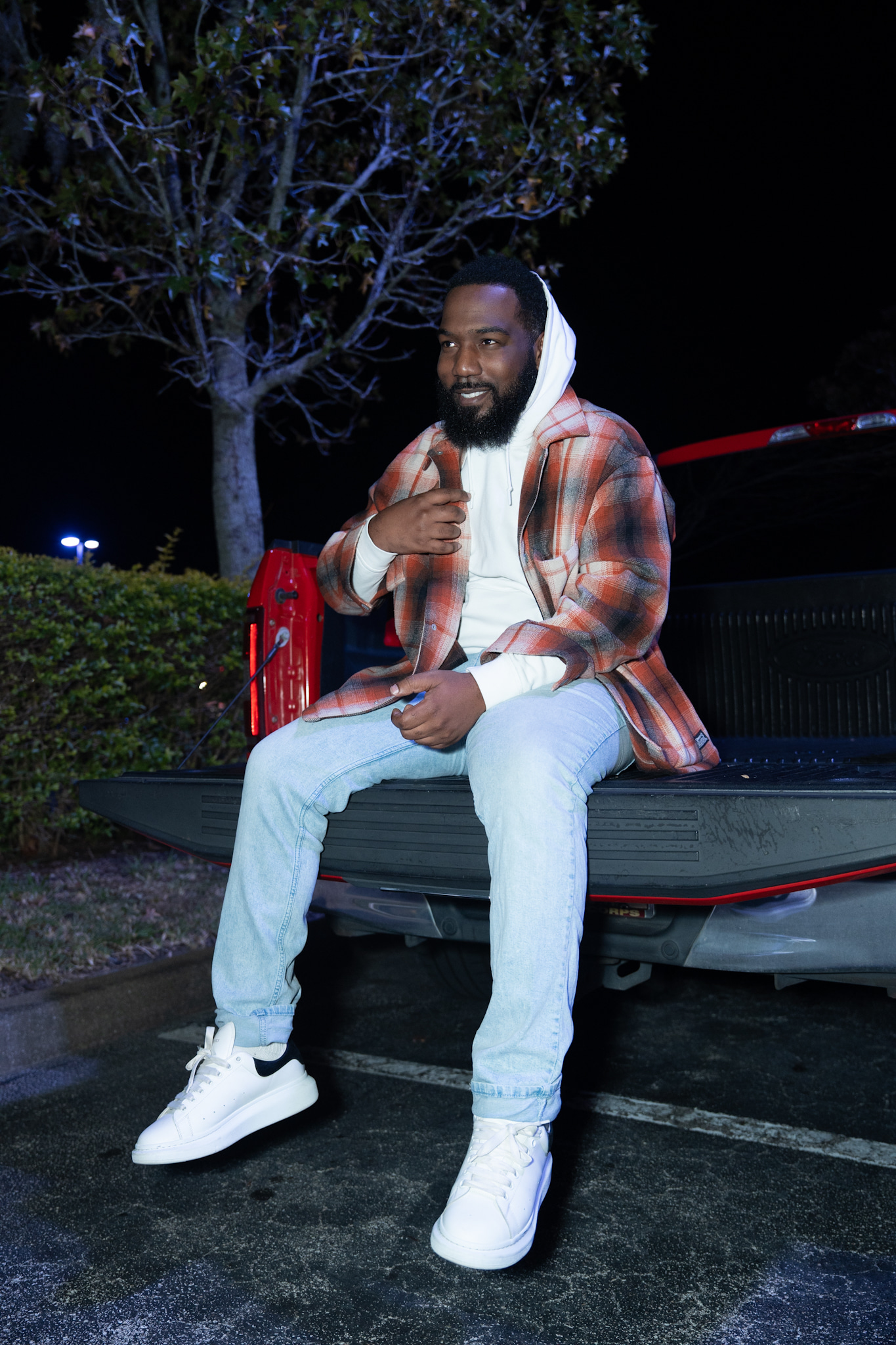
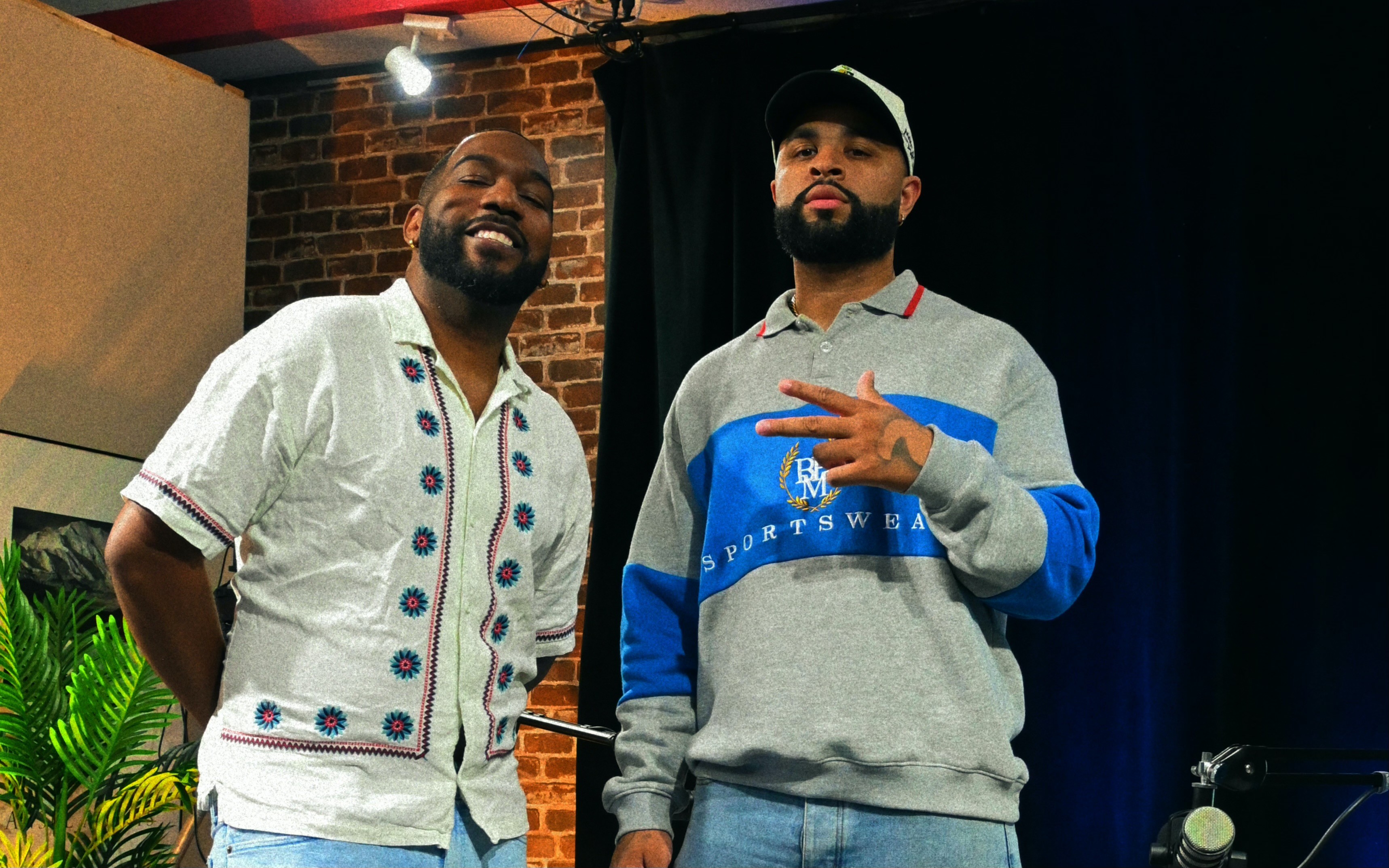
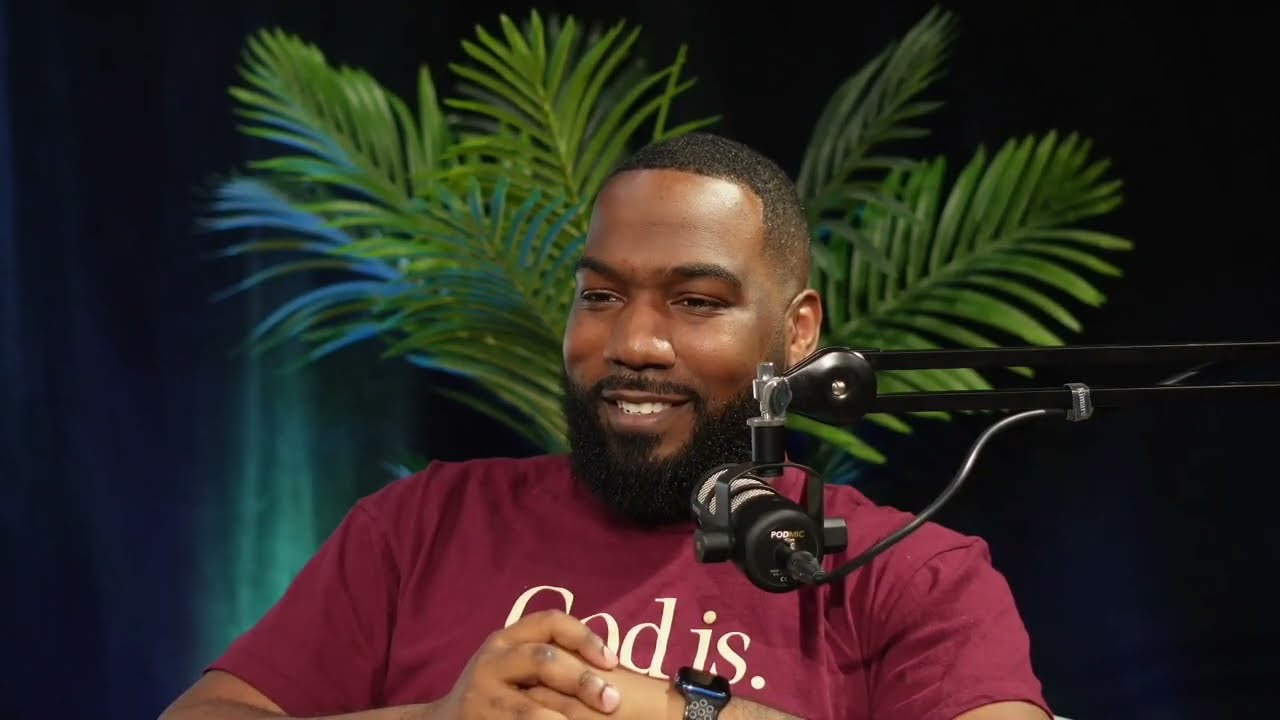
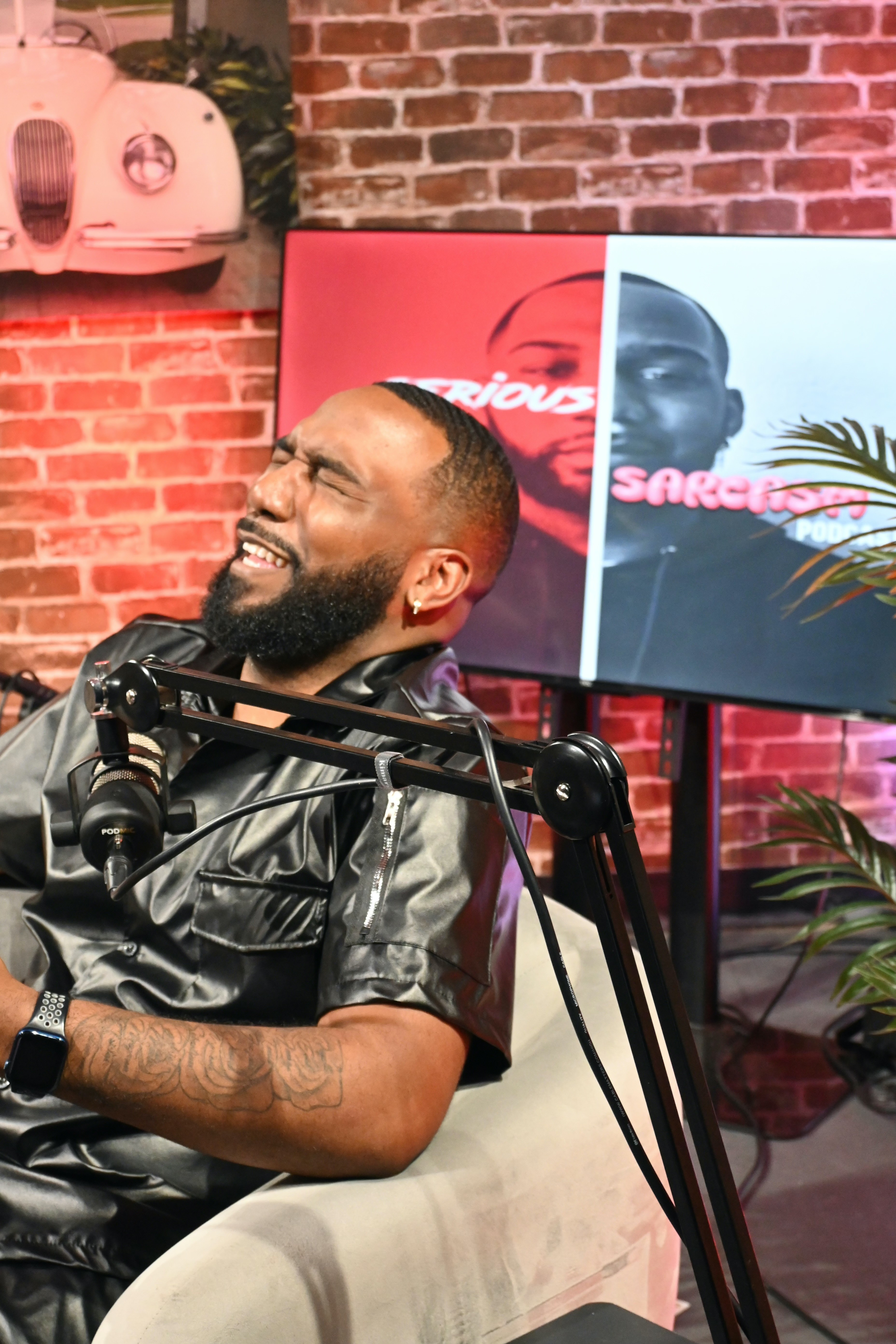
Image Credits
@Shotsbyjmike
@OmniTre