


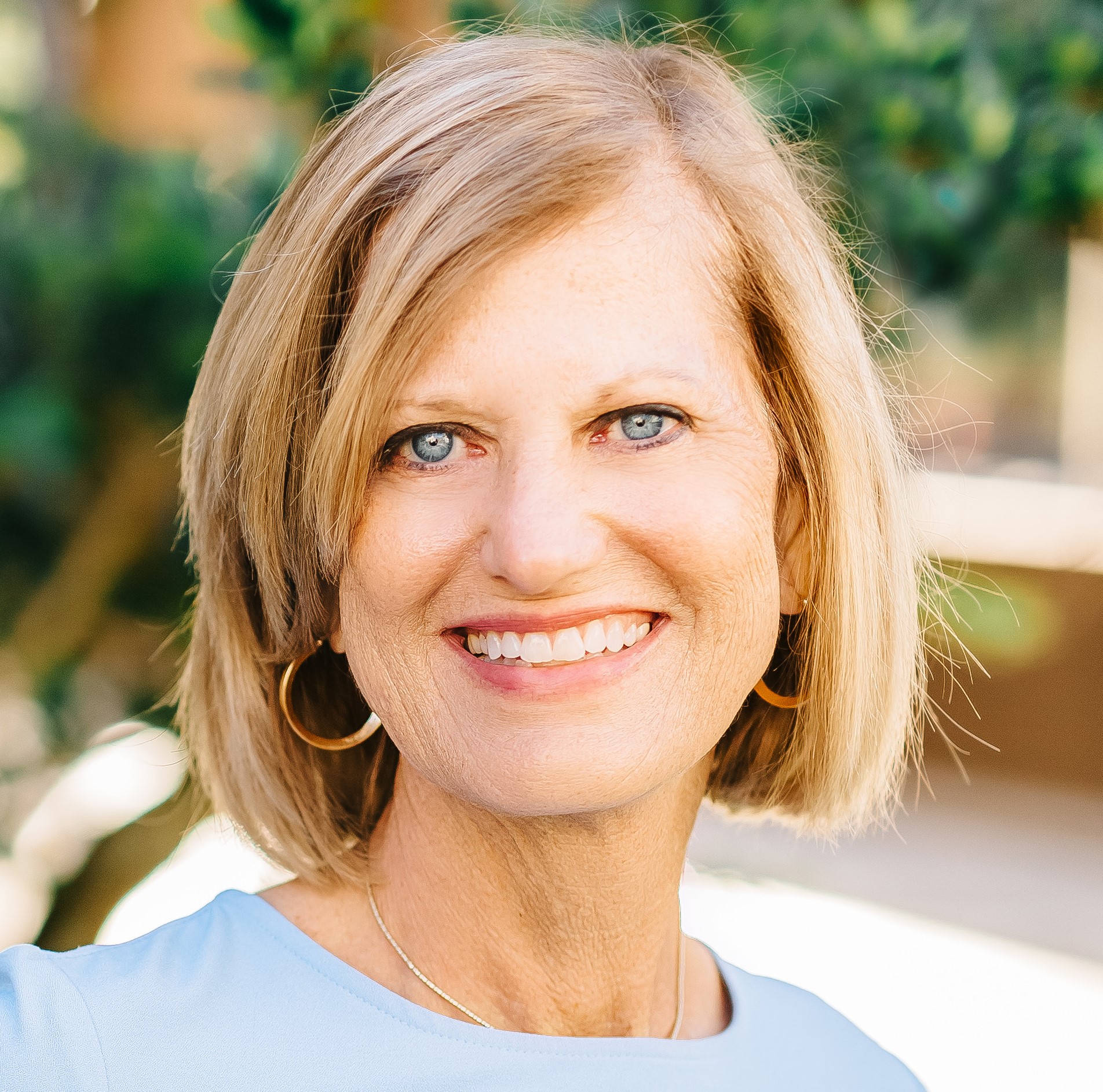
Today we’d like to introduce you to Anne Taylor.
Hi Anne, we’re thrilled to have a chance to learn your story today. So, before we get into specifics, maybe you can briefly walk us through how you got to where you are today?
My journey with IDignity began with a simple question — one I’m almost embarrassed to admit I asked.
When my pastor invited me to join a small group of people exploring the creation of what would become IDignity, I remember responding, “Why? Why would someone not have personal identification? Can’t they just go to the tax collector and get it?”
His answer was simple: “I don’t know — go find out.”
At the time, I was deeply unaware of how complicated and often impossible the process of obtaining identification can be for someone who doesn’t already have it. Over the past 18 years, I’ve learned just how critical — and overlooked — this issue truly is.
IDignity exists to restore dignity and hope by helping individuals obtain legal proof of their identity. We do this through strong partnerships with government agencies, churches, businesses, and community organizations. Our work involves compassionately walking alongside people as they navigate an incredibly complex system to secure essential documents such as Florida ID cards or driver’s licenses, birth certificates, Social Security cards, and other legal records.
What I’ve come to understand is that legal identification is not a small thing — it is a gateway. Without it, people are often locked out of education, employment, housing, healthcare, banking, and public benefits. By helping individuals obtain their identification, IDignity addresses a root cause of poverty and helps people move toward economic self-sufficiency and stability.
IDignity was founded in 2008 by me, our executive director Michael Dippy, and members of five downtown Orlando churches. At the time, our community was encountering people every day who needed identification — and there was nowhere to send them for help. The system is so complex that, without assistance, it can be legally impossible for someone without ID to navigate on their own. So, we came together to fill that gap.
Today, an estimated 11% of people locally and nationally, nearly 25 million individuals across the U.S., and 117,000 in Orange County alone, lack valid, government-issued photo identification.
IDignity’s vision is to ensure that all U.S. citizens and immigrants with legal status have access to their essential identification documents while protecting the integrity of the identification itself.
The impact of this work is both tangible and very human. These documents don’t just unlock opportunities they restore dignity, empower individuals to rebuild their lives, and strengthen the health, security, and inclusiveness of our entire community.
What started with my own ignorance has become one of the most meaningful and purpose-filled chapters of my life.
Can you talk to us a bit about the challenges and lessons you’ve learned along the way. Looking back would you say it’s been easy or smooth in retrospect?
Has it been a smooth road? Not at all but it has been extremely meaningful.
From the very beginning, IDignity was built in uncharted territory. There was no roadmap for how to help someone obtain identification when they had none to begin with. Getting the government agencies onboard was challenging at first. We had to learn alongside our clients, navigating changing government policies, complex legal requirements, and systems that were never designed with our most vulnerable neighbors in mind.
One of our greatest challenges has been helping people who have experienced significant trauma, instability, or long periods of homelessness. Many arrive discouraged after being told “no” countless times. Restoring hope while untangling years sometimes decades of missing or conflicting records requires patience, persistence, and a tremendous amount of compassion.
Like many nonprofits, sustainability has also been a challenge. Securing consistent funding, building the right team, and scaling our services to neighboring counties to meet growing demand have required faith, perseverance, and strong community partnerships. There were seasons when progress felt slow, and the need always seemed greater than our capacity.
We’ve also learned that this work takes time. Some cases can be resolved in weeks, while others take years. That reality can be difficult both for clients and for those of us walking alongside them but it has taught us the value of long-term commitment and trust.
Despite the challenges, every obstacle has clarified our purpose. Each struggle has strengthened our resolve, refined our model, and deepened our belief that dignity, hope, patience, and collaboration can change lives. The road has not been smooth but it has been worth every step.
Appreciate you sharing that. What else should we know about what you do?
As Director of Philanthropy at IDignity, my work is deeply personal. I get to build relationships with people who care about their community and invite them into a mission that has changed my own life.
At its heart, what I do is listen. I listen to donors’ stories, to what matters most to them, and to what they hope their generosity can accomplish. Then I help connect those hopes to the very real lives being transformed through IDignity’s work. I love helping people see that their giving isn’t just a donation — it’s a doorway for someone to access a job, housing, healthcare, or a fresh start.
What I’m most proud of is the trust that has been built over time. I’ve walked alongside donors as they’ve grown from first-time supporters into true lifelong partners, people who feel personally invested in restoring dignity for others. I’ve also had the privilege of helping secure support for both our operations and for our building campaign that will enableIDignity to serve more people with excellence and compassion and give us security in the future.
I’m also incredibly proud of the team we’ve built at IDignity and the culture that surrounds our work. This is not easy work, and it requires compassion, patience, and resilience. Our team shows up every day with humility and respect for the people we serve. We support one another, celebrate small victories, and remain committed to dignity and hope not just for our clients, but for each other as well. That culture of trust, repect and shared purpose is one of our greatest strengths.
What sets my work apart is that I don’t see philanthropy as transactional. Relationships come first. I believe people give best when they feel seen, valued, and connected to the impact they’re making. My role is to steward not only financial resources, but also stories, trust, and hope. Thiis is why I love what I do!
At the end of the day, I’m most proud of being part of something that allows people to be known by name again, not by their circumstances. Helping others use what they have to restore dignity in someone else’s life is a privilege I never take for granted.
Networking and finding a mentor can have such a positive impact on one’s life and career. Any advice?
My advice is to be intentional about putting yourself in rooms where you can learn and then stay curious and humble once you’re there.
Fundraising was a second career for me, and when I stepped into it, I had a big responsibility and very little formal experience. I knew I needed guidance. Getting involved with my local Association of Fundraising Professionals (AFP) chapter was one of the most important decisions I made. I didn’t just attend events. I leaned in, volunteered, and eventually served on the board. Over time, that community became a group of informal mentors and also dear friends who continue to generously share their wisdom, experience, and encouragement.
Pursuing my CFRE (Certified Fundraising Executive) was another pivotal step. It gave me confidence, structure, and a deeper understanding of ethical, effective fundraising. More importantly, it reinforced that this profession is built on relationships, integrity, and continuous learning.
What worked best for me was approaching networking not as self-promotion, but as relationship-building. I asked questions, listened more than I talked, and sought to learn from people who were further along than I was. Mentorship doesn’t always come in the form of one designated person sometimes it’s a community that shapes you over time.
If I could offer one piece of advice, it would be this: don’t try to figure it out alone. Find people who are willing to share what they’ve learned, be open to growth, and give yourself permission to learn as you go. That approach changed everything for me.
Contact Info:
- Website: https://idignity.org/
- Instagram: @idignityorlando
- Facebook: @idignityorlando
- LinkedIn: https://www.linkedin.com/company/idignity/posts/?feedView=all
- Twitter: @idignityInc (on X)
- Youtube: https://www.youtube.com/results?search_query=idignity

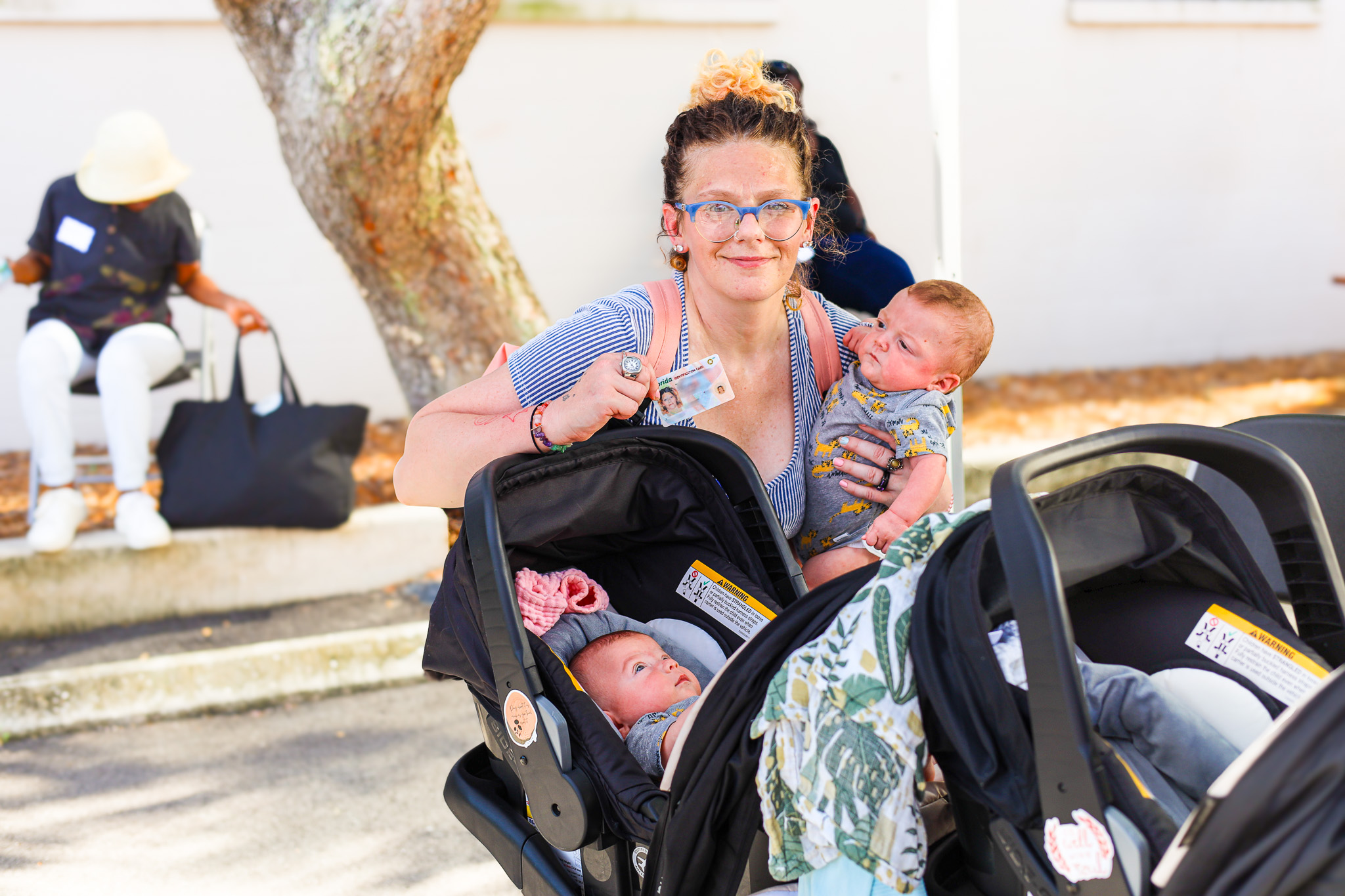

Image Credits
Olivia Ebersole