


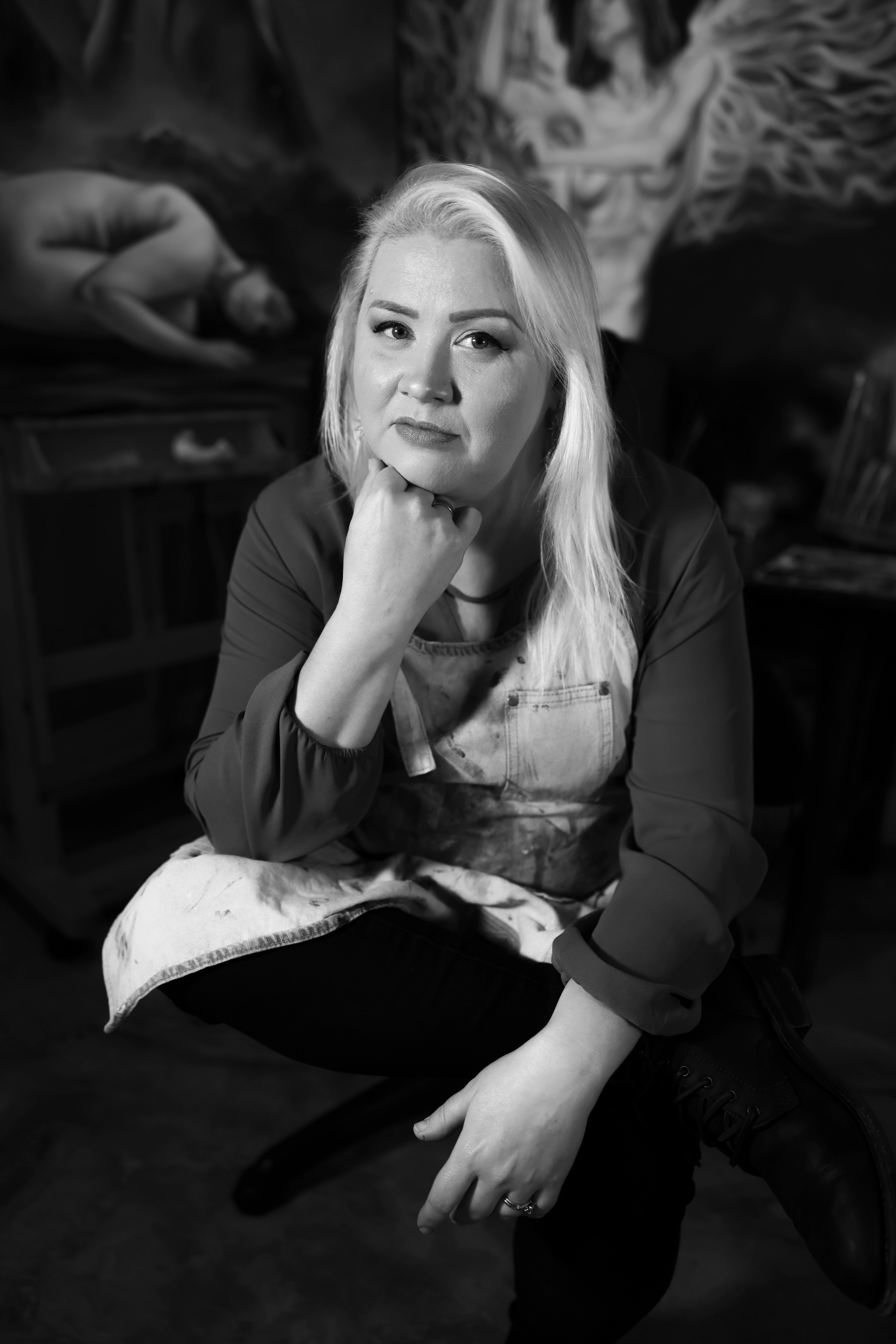
Today we’d like to introduce you to Mel Fiorentino.
Hi Mel, can you start by introducing yourself? We’d love to learn more about how you got to where you are today?
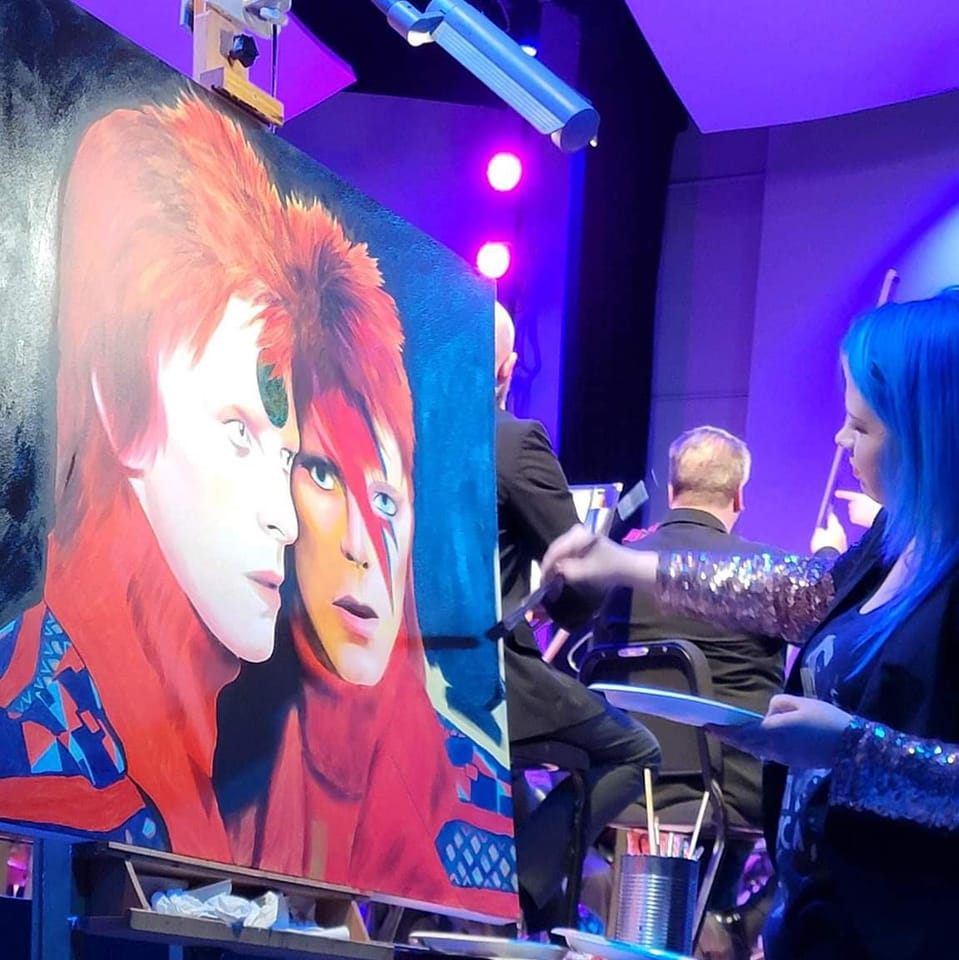
I’ve been an artist for as long as I can remember, but my path has been anything but traditional. I’m largely self-taught, and over the years I’ve built my career through persistence, experimentation, and a constant desire to understand painting on a deeper level.
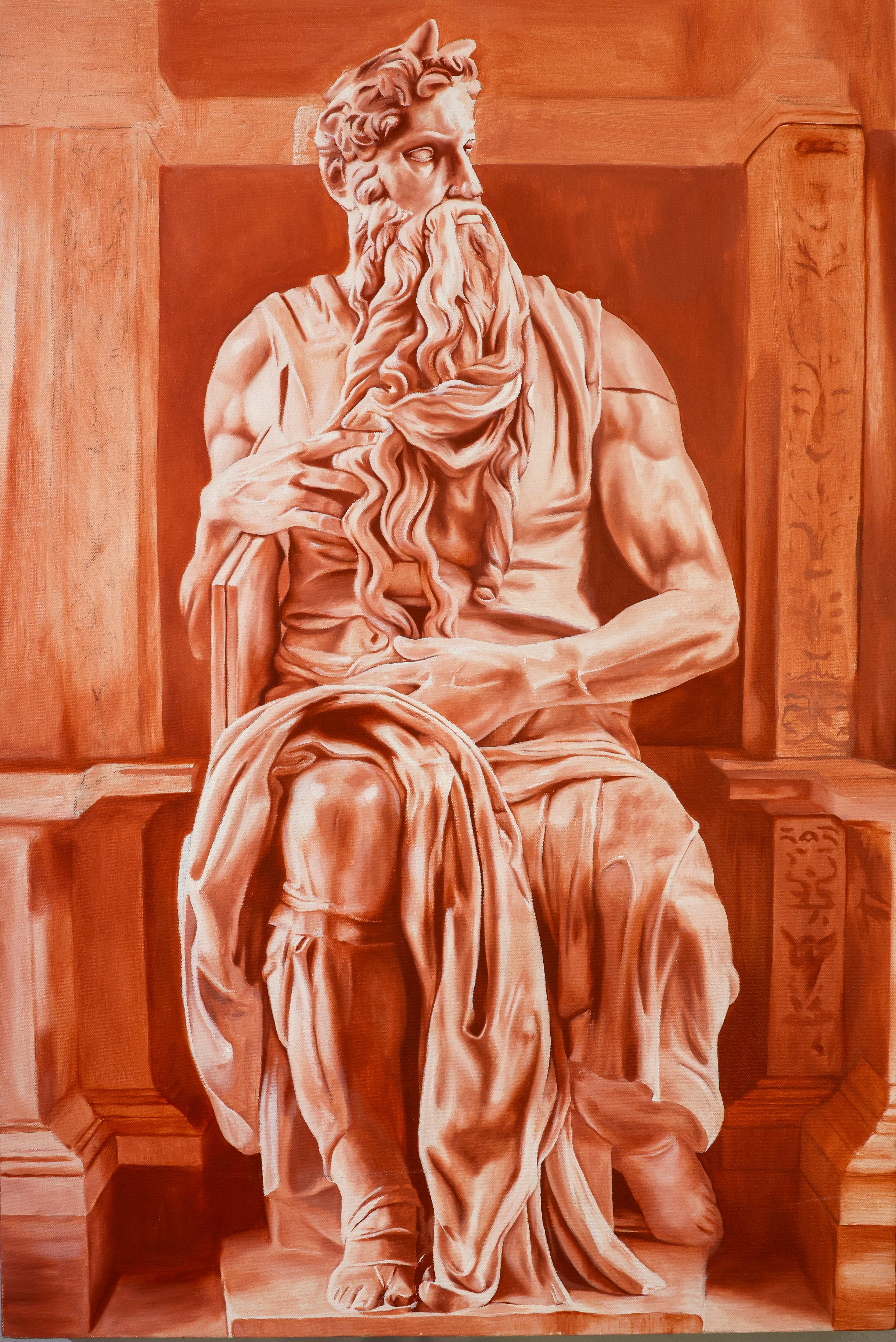
I began working professionally more than two decades ago, first primarily in acrylic and eventually transitioning into oil painting, which completely changed the way I approached my work. I became fascinated with the techniques of the Old Masters—the layering, glazing, value structure, and especially the way light could be built from within a painting. That curiosity eventually became an obsession with understanding not only how to paint a figure, but how to make it feel alive.
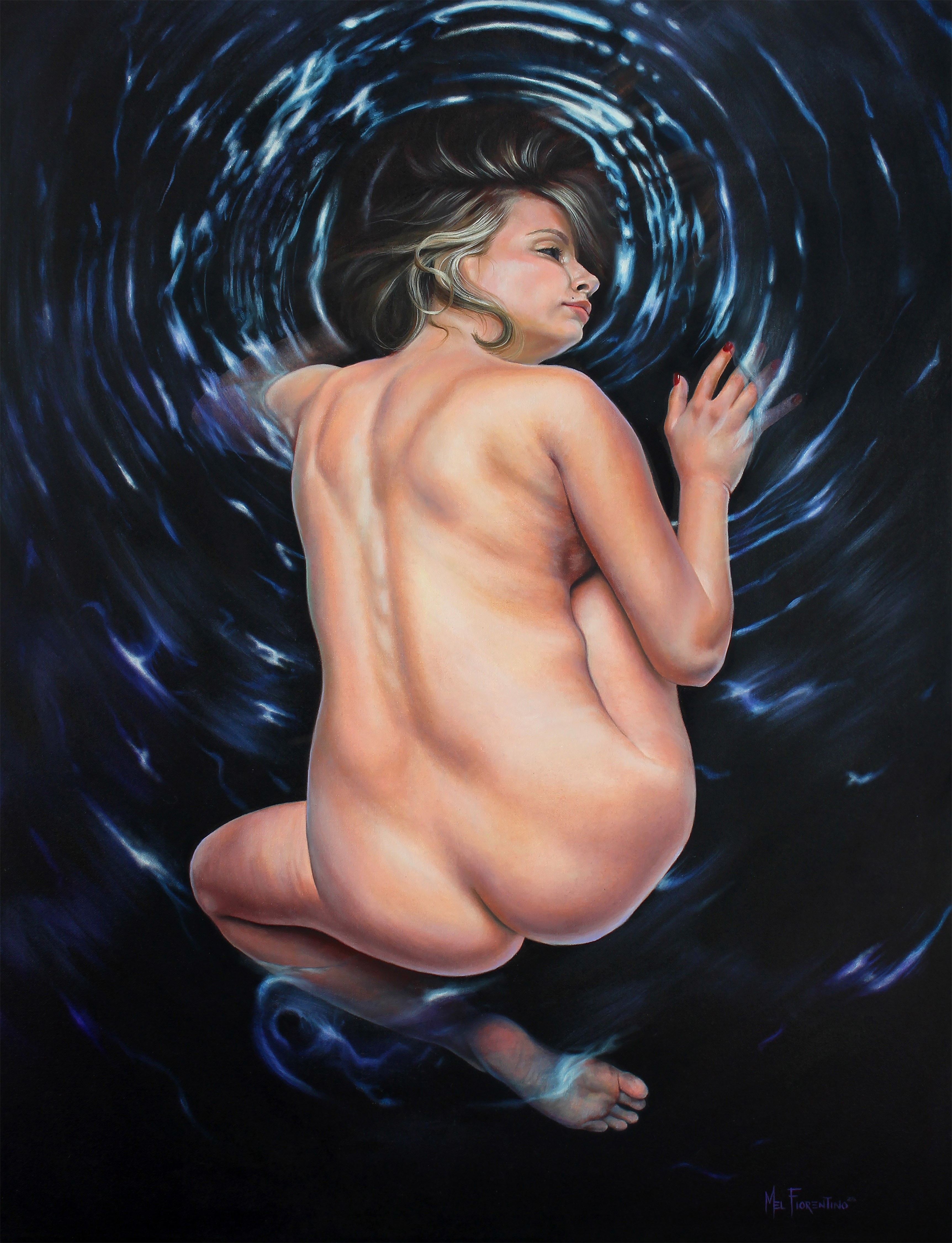
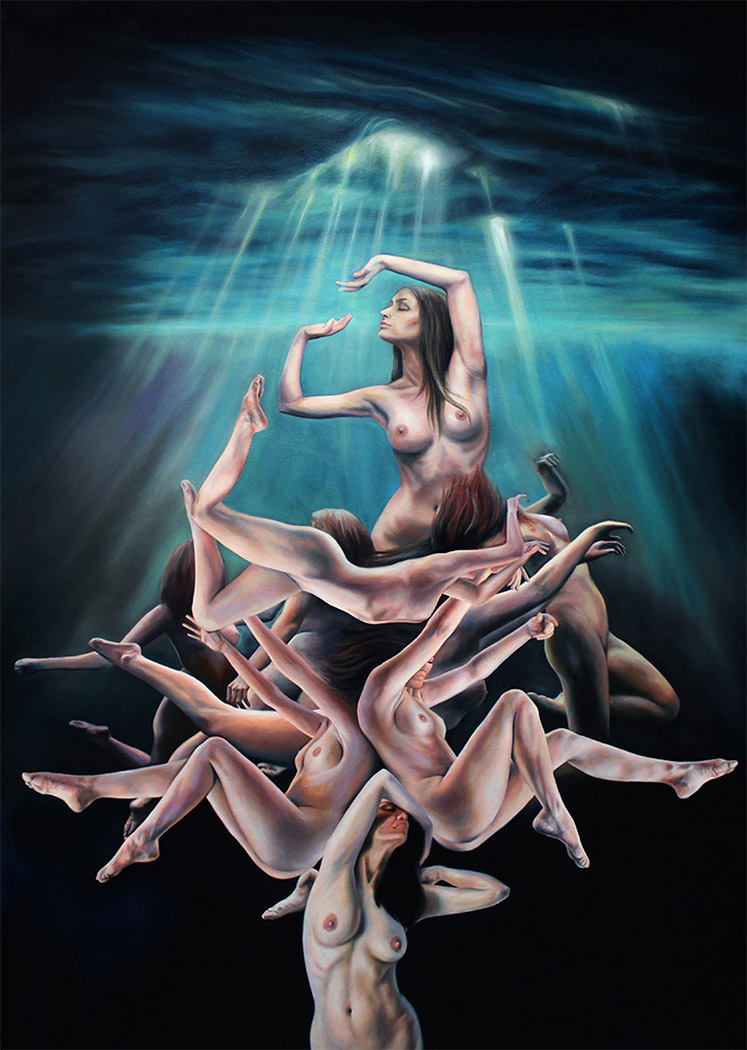
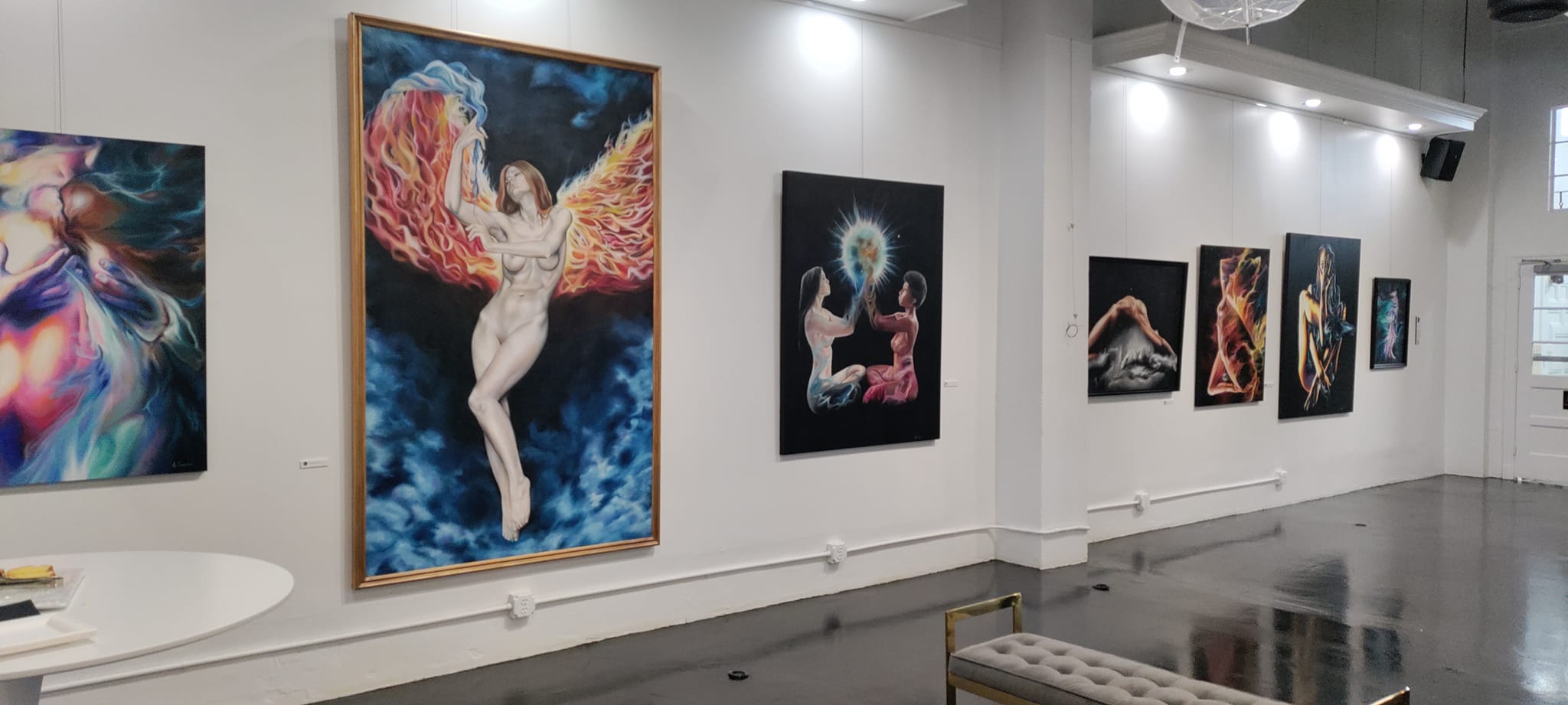
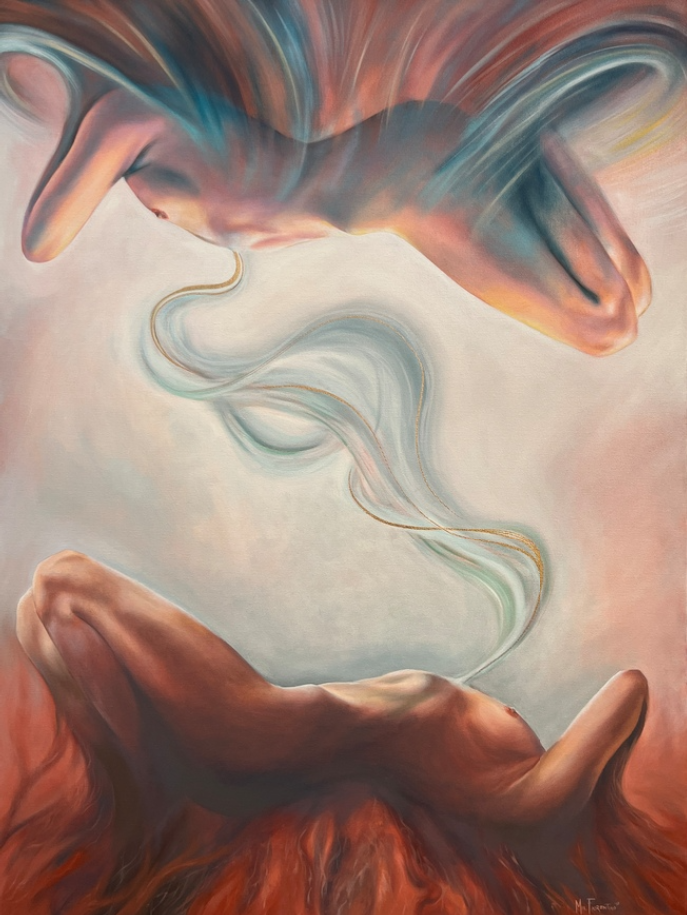
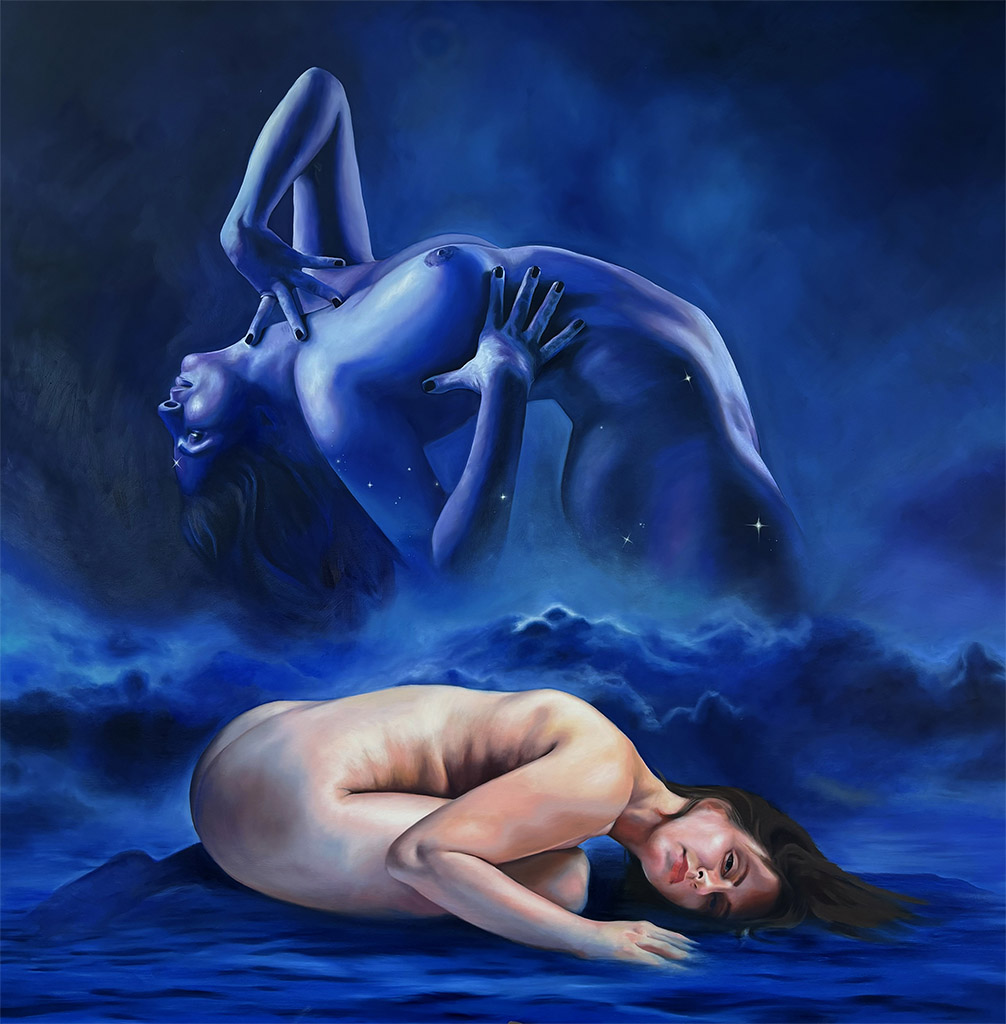
My work has continued to evolve into figurative and portrait painting that explores subjects that are deeply personal to me: spirituality, memory, reincarnation, life and death, and the idea that there may be something beyond what we can physically see. I am especially interested in that space between the physical and spiritual worlds, and many of my paintings explore that sense of transition, transformation, and connection.
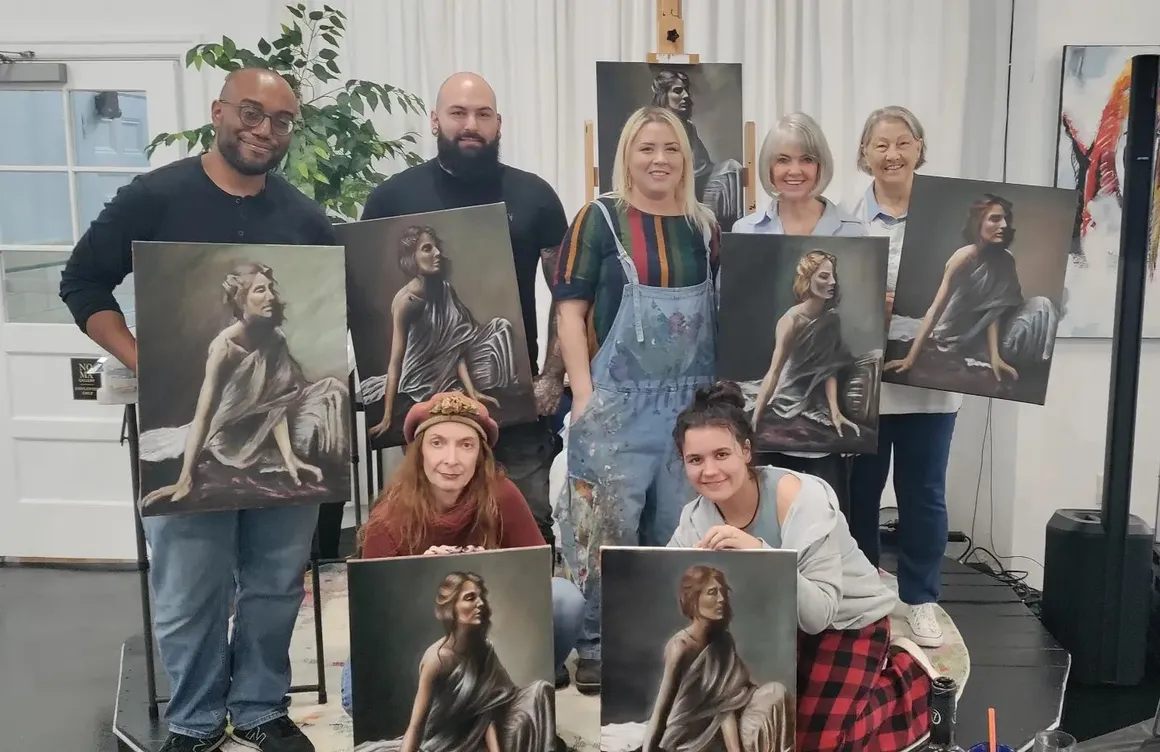
Along the way, teaching became an important part of my life as well. I love helping other artists understand the foundations of painting and showing them that strong technical skills can actually give them more freedom creatively. I often tell my students, “Groundwork makes the Art work.” Whether I’m teaching drawing, portraiture, color, or classical figure painting, I want students to understand why something works rather than simply copying a process.
My career has also grown far beyond my own studio practice. I became increasingly involved in the arts community in Ocala and began serving in leadership and advocacy roles with local arts organizations. Being part of that community made me realize how important it is for artists to have opportunities, visibility, and people advocating for their work.
NOMA has been a particularly meaningful part of that journey. For many years, I worked alongside my great friend Lisa helping to build and grow NOMA. In 2024, I fully acquired the gallery, and that became a major turning point for me. I began reimagining what NOMA could become and transformed it into a global online platform for artists.
Today, NOMA connects artists from around the world through international juried exhibitions, online exhibitions, awards, solo features, artist representation, and partnerships with respected art-material companies. My goal has been to create opportunities that go beyond simply displaying artwork. I want artists to feel seen, supported, and connected to a larger creative community.
At the same time, I continue to develop my own work through Mel Fiorentino Studios and my atelier, where I paint, teach workshops, and continue studying traditional techniques. I’m always trying to push myself further. My goal has never simply been to become “good enough.” I want to continue learning for the rest of my life and keep reaching toward the level of craftsmanship and understanding that I admire in the great painters who came before us.
When I look at where I am today, it really feels like all of these parts of my life have grown together—artist, teacher, gallery owner, and arts advocate. They may look like different paths from the outside, but to me they all come from the same place: a love of art and a desire to create meaningful work while also helping other artists find opportunities to grow and be seen.
We all face challenges, but looking back would you describe it as a relatively smooth road?
It definitely has not been a smooth road. I think anyone who chooses a life in the arts quickly learns that there is very little about it that is predictable. There have been times of incredible growth and excitement, but also periods of uncertainty, exhaustion, financial pressure, self-doubt, and having to completely rethink what I was doing.
One of the biggest struggles has been learning how to balance being an artist with everything else that comes with building a career around art. Painting is only one part of it. There is teaching, running a business, marketing, exhibitions, websites, social media, administration, working with other artists, and now managing NOMA as well. I have had to learn so many things that have nothing to do with holding a paintbrush, often by simply figuring them out as I went.
There has also been the challenge of constantly growing as an artist. I am very hard on myself when it comes to my work. I never want to become comfortable or feel like I have reached the point where there is nothing left to learn. That can be motivating, but it can also be frustrating. There are paintings that fight you every step of the way, periods when you question your direction, and moments when your ability does not quite match what you can see in your mind. I have learned that those difficult periods are usually where the most growth happens.
Taking full ownership of NOMA in 2024 brought another kind of challenge. I had spent years working alongside my great friend Lisa helping build NOMA, but once I acquired it, I had to determine what the next chapter would look like. I wanted to take something that already meant so much to me and expand it into a global platform for artists. That meant learning new systems, rebuilding parts of the business, developing international exhibitions, creating partnerships, and constantly finding better ways to support the artists we work with. There has been a tremendous amount of trial and error behind the scenes.
Probably one of the biggest lessons I have learned is that you cannot wait until everything is perfect before moving forward. Some of the most important things I have done began before I felt completely ready. I have had to become comfortable with learning in public, making mistakes, changing direction, and trying again.
There have absolutely been difficult moments, but I would not remove them from the story. They have made me more resourceful, more determined, and much more aware of how hard artists work just to keep creating. I think that is also part of why supporting other artists has become so important to me. I understand what it feels like to work incredibly hard at something you believe in and simply need someone to give you an opportunity.
At this point, I do not really expect the road to be smooth. I just trust myself much more when it changes direction.
Can you tell our readers more about what you do and what you think sets you apart from others?
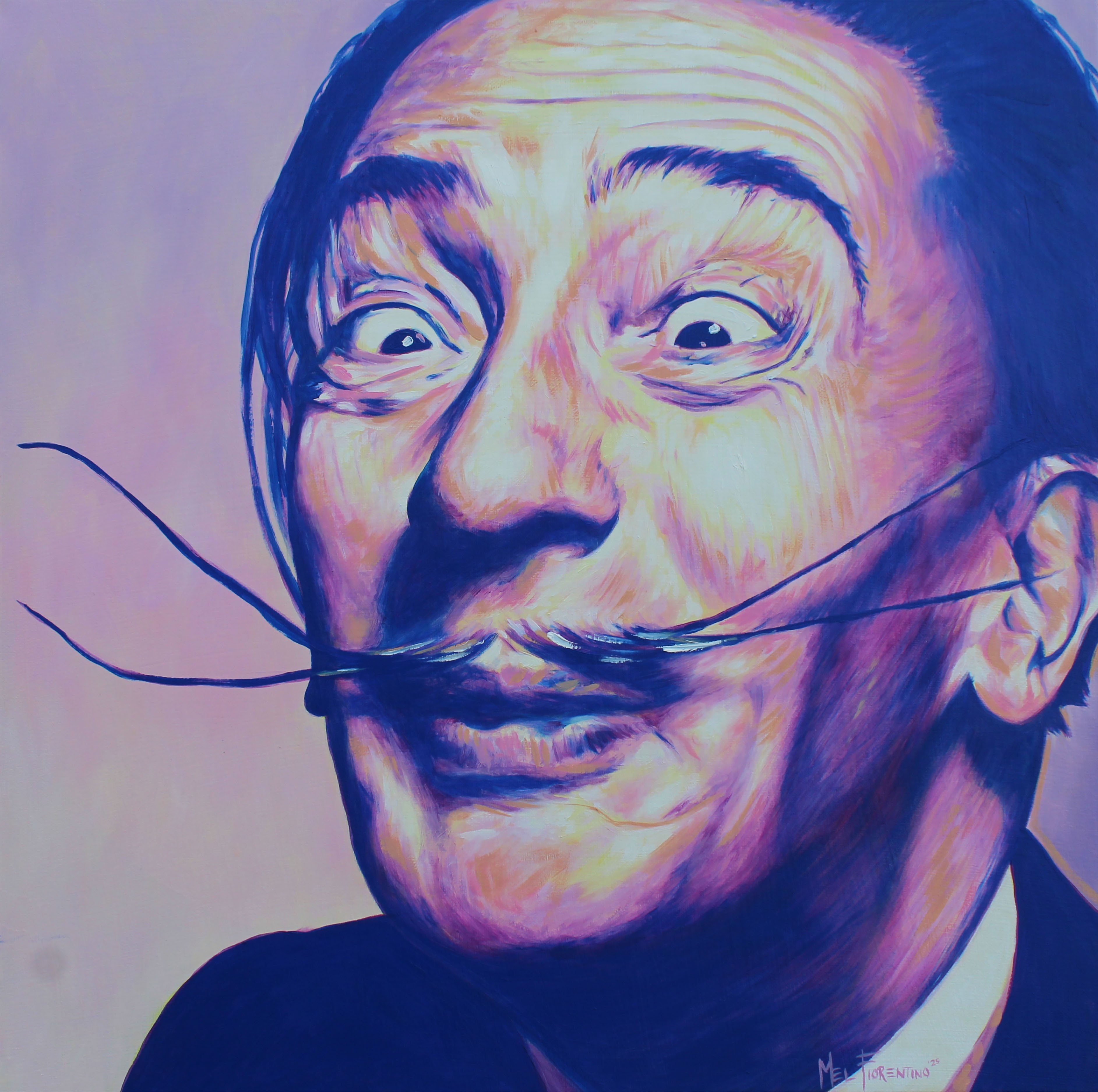
My work really exists in a few connected spaces. First and foremost, I am a figurative and portrait oil painter. I specialize in work that combines traditional painting techniques with more personal, symbolic, and spiritual subject matter. I am deeply inspired by the Old Masters and classical approaches to painting, especially the use of value, glazing, layering, and light, but I am not interested in simply recreating the past. I want to use those techniques to explore ideas that feel very personal and contemporary to me.
A lot of my work revolves around spirituality, memory, reincarnation, identity, life and death, and the idea of what may exist beyond the physical world. I am fascinated by that space where the visible and invisible seem to overlap. Because of that, my paintings often have a dreamlike or symbolic quality, even when they are very traditionally rendered.
I also teach painting through my studio and atelier. Teaching has become a very important part of what I do because I love helping artists understand the foundations behind strong painting. I focus heavily on drawing, value, color, edge control, underpainting, glazing, and building form. My philosophy is that technical knowledge gives artists more freedom, not less. I often tell my students, “Groundwork makes the Art work,” because I really believe that a strong foundation allows you to become much more expressive.
The other major part of my work is NOMA. After working for years alongside my great friend Lisa helping build the gallery, I fully acquired NOMA in 2024 and began transforming it into a global platform for artists. Through NOMA, I now work with artists from around the world through international juried exhibitions, solo features, representation, awards, and partnerships with art-material companies.
What I am probably most proud of is that all of these parts of my life support one another. I am still actively painting and learning, I am teaching other artists what I have learned, and I am also creating opportunities for artists through NOMA. I know firsthand how difficult it can be to build a career in the arts, so being in a position where I can help another artist gain visibility, win an award, have a solo exhibition, or simply feel that their work is being taken seriously means a great deal to me.
What sets me apart is probably the combination of traditional craftsmanship and the way I approach the subject matter. I care very deeply about technique, but technique alone is not enough for me. I want a painting to have something beneath the surface. I want the viewer to feel like there is a story, a memory, or something almost intangible happening beyond what they can immediately see.
I also think I bring that same mindset into everything else I do. Whether I am painting, teaching, or working with artists through NOMA, I am always trying to build something with substance and longevity. I am not particularly interested in chasing trends. I want to keep growing, keep learning, and create work and opportunities that still have meaning long after the moment has passed.
Do you have recommendations for books, apps, blogs, etc?
I’ve actually created a few apps for myself to help with organization because, as an artist, things can get a little chaotic very quickly. Between painting, teaching, exhibitions, NOMA, schedules, artists, deadlines, and everything else, I wanted to create a little order for the chaos. So building tools that help me stay organized has become a resource in itself.
I also love books and have way too many of them, mostly art-related. One of my favorites is “Classical Painting Atelier” by Juliette Aristides. I love books that dig into technique, process, history, and the way artists think about their work.
For podcasts, I really enjoy MJ Dorian’s “Creative Codex.” I find it incredibly inspiring, especially the way it explores creativity, artists, ideas, and the inner world behind making things.
But honestly, music is probably the biggest thing for me. I almost always need music when I paint. It helps me get into a flow state, and when that happens, the work just seems to move differently. Problems get solved more instinctively and immediately, and I can work for long stretches without overthinking everything.
I usually listen to instrumental music while I paint, but I love just about every genre. I listen to a lot of metal, and then somehow Noga Erez ends up in the mix too, which probably says everything about how varied my playlists are.
For me, music is really the key. It creates a rhythm in the studio and helps shut out the noise. Once I hit that flow state, the painting seems to take over and I just follow it.
Pricing:
- Original Artwork — Pricing varies by size, medium, and individual piece.
- Fine Art Prints — Available in multiple sizes and price points.
- Custom Portrait Commissions — Available upon request; pricing varies by size and complexity.
- Workshops & Classes — Pricing varies depending on the workshop, length, and materials included.
- Current Artwork, Prints & Workshops — Visit melfiorentino.art for current availability and pricing.
Contact Info:
- Website: https://melfiorentino.art/
- Instagram: https://www.instagram.com/melfiorentinostudios/
- Facebook: https://www.facebook.com/melfiorentinoart
- LinkedIn: https://www.linkedin.com/in/mel-fiorentino-68699937/
- Youtube: https://www.youtube.com/@melfiorentinostudios