


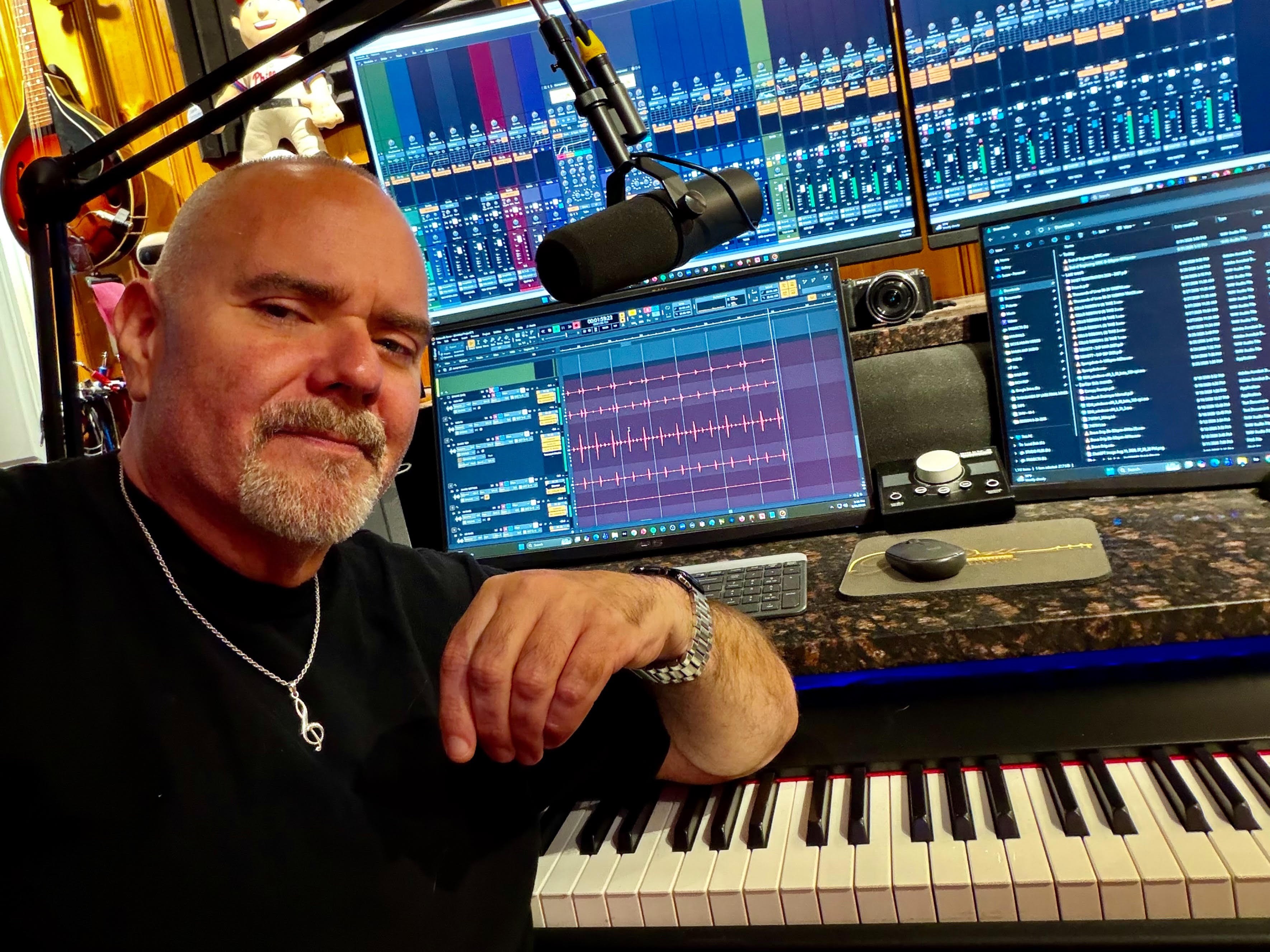
Today we’d like to introduce you to Anthony Newett.
Hi Anthony, we’d love for you to start by introducing yourself.
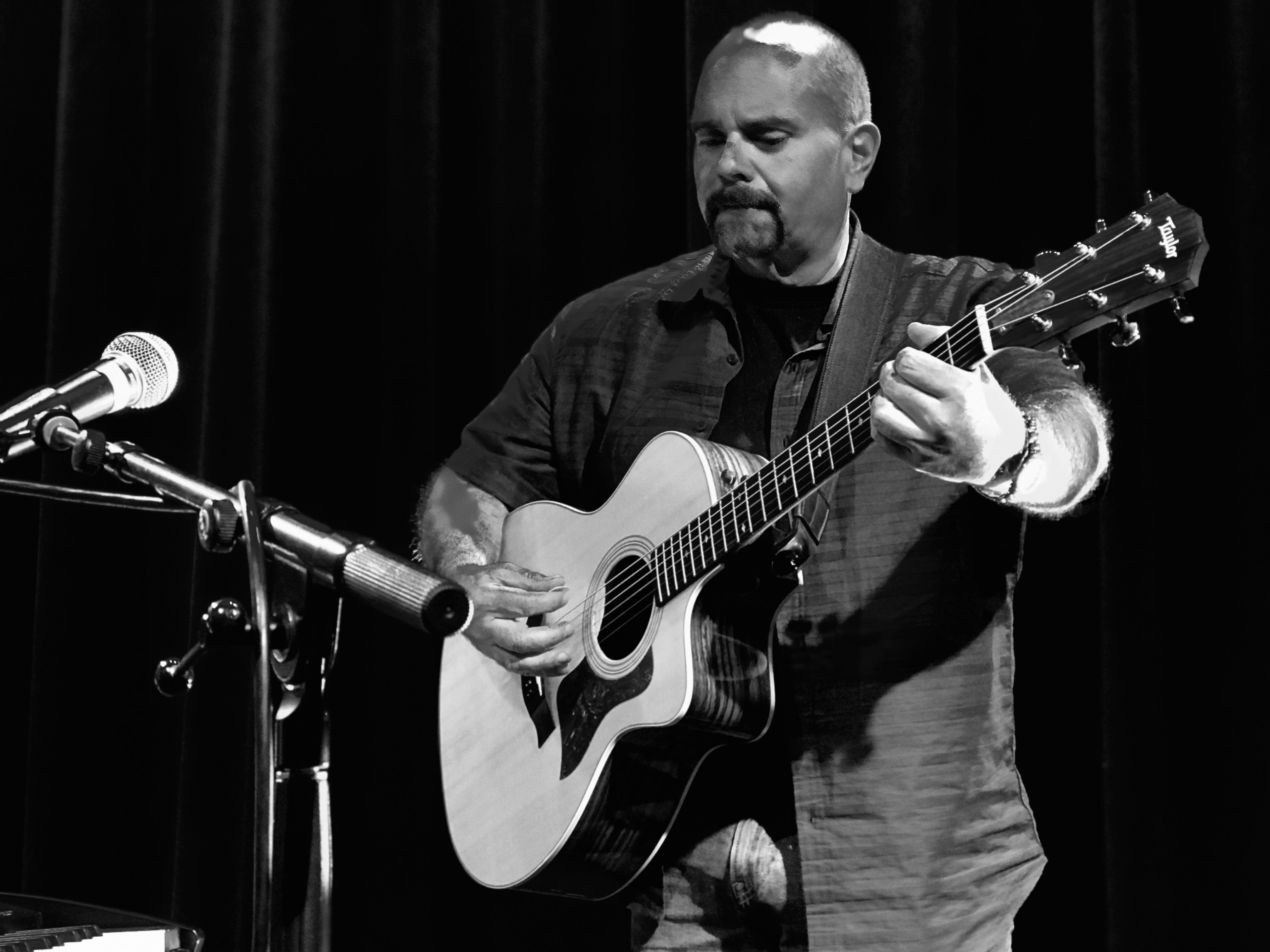
My father recognized my musical ability when I was very young. He told me that when I was around three years old, he gave me a baritone ukulele, which was tuned like the first four strings of a guitar. As the story goes, I began picking out melodies from television shows my parents watched, including the theme from The Dick Van Dyke Show. That is actually one of my earliest childhood memories.
At that age, I was simply reproducing melodies one note at a time, and I had no understanding of the significance of what I was doing. I also assumed it was perfectly normal for children to have fathers who played guitar. I remember being in first grade and thinking it was strange that my friends’ parents didn’t play instruments.
I knew fairly early that I would pursue a life in music. I wanted to follow in my father’s footsteps as a teacher, but I had an equally strong fascination with technology and recording. I always found some basic way to record myself, although the equipment I had in those early years was quite limited. Looking back, I’m grateful for that because it taught me to think creatively and get inexpensive equipment to sound far better than it was ever intended to sound.
I experimented constantly with microphone and line inputs, direct outputs from guitar amplifiers, and anything else I could get my hands on. Through that process, I developed an intuitive understanding of recording concepts such as gain staging. As I was eventually able to afford better equipment, I continued trying to get the absolute most out of everything I used.
By the time my father and I started Newett Studios in 1986, I had already spent years recording myself and producing work that was approaching professional quality. Before long, some of my music students became interested in having me record them. That naturally grew into professionally recording, arranging, and producing local singers, songwriters, and musicians alongside my teaching. Over time, Newett Studios became known throughout the Philadelphia area as a place where musicians could study their craft and have their original material developed into polished, radio-ready recordings.
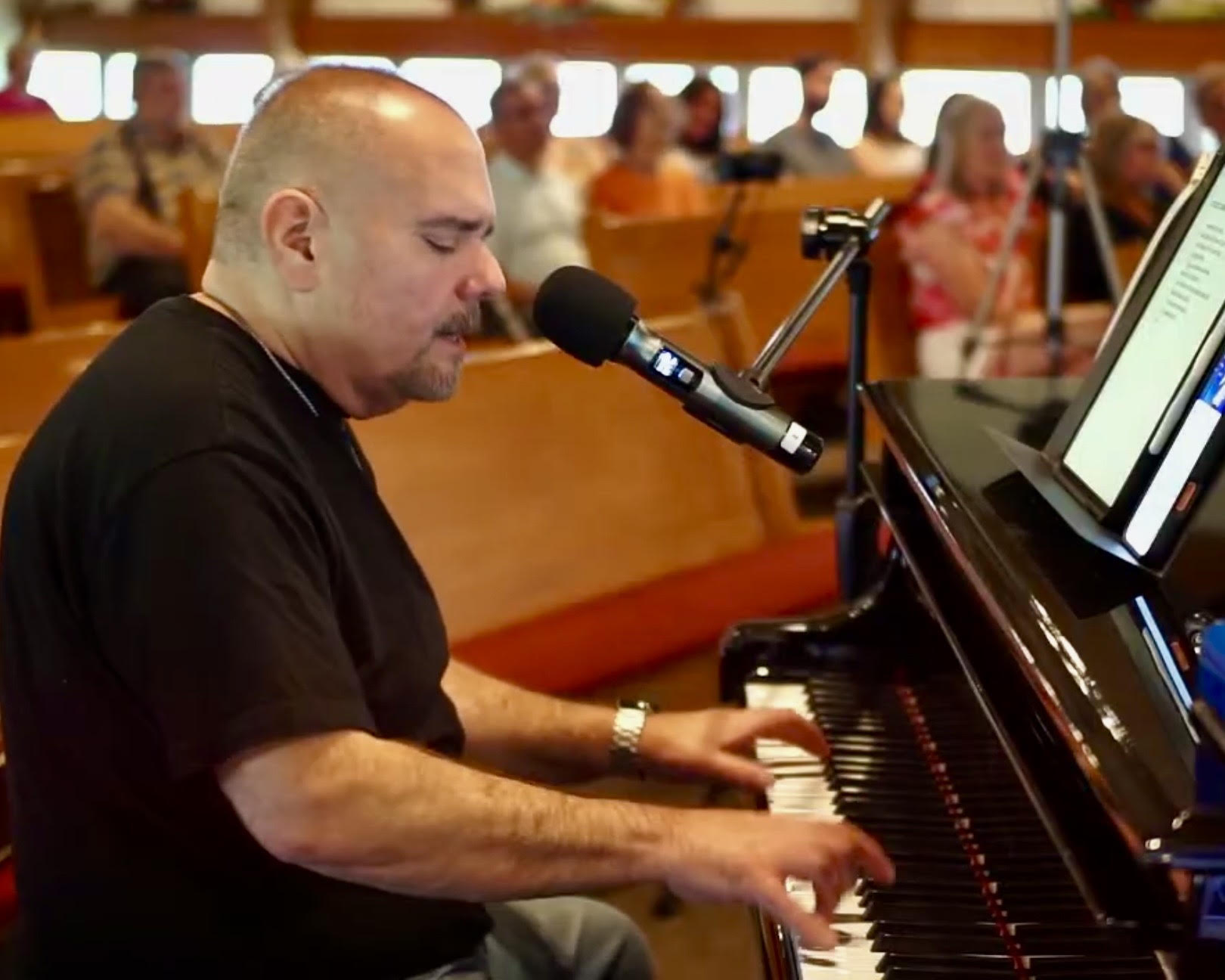
Today, I continue to work as a teacher, musician, recording engineer, producer, arranger, and composer. My career has taken me from working with developing students and local artists to composing music for national broadcasting, performing with extraordinary musicians, and serving as both Music Director and A/V Director for my church. Although the technology has changed dramatically since those early experiments, my approach has remained much the same: listen carefully, think creatively, and make the absolute most of whatever is in front of me.
Would you say it’s been a smooth road, and if not what are some of the biggest challenges you’ve faced along the way?
It has certainly not always been a smooth road. My greatest obstacle came when I developed an unhealthy relationship with opioids. Strangely enough, I had never been interested in drugs or alcohol while growing up. After undergoing surgery in 2006, however, I was prescribed opioids and discovered what would become my drug of choice. Quite honestly, I loved the way they made me feel.
At the time, I had no real understanding of addiction or how powerfully it could take hold of someone. When I could no longer obtain the medication through a prescription, it was not difficult to find elsewhere. My addiction eventually cost me clients, damaged important parts of my life, and brought me to a point where I genuinely believed I might never escape its grip.
Thankfully, I was given the opportunity to participate in an excellent program known as Drug Treatment Court. Through that program, a great deal of hard work, and the support of the people around me, I am now successfully in recovery. I have been able to rebuild my life, regain trust, and restore my business, which is once again thriving.
Recovery has given me a much deeper appreciation for the people who stood by me and for every opportunity I have today. It has also taught me that even when a situation feels completely hopeless, it is possible to find a way forward.
Thanks for sharing that. So, maybe next you can tell us a bit more about your work?
A major turning point in my career came in 2005, when I had the great fortune of meeting Steve “Stu” Burguiere, who was an executive producer and head writer for *The Glenn Beck Program*. Of all places, we met at Geno’s Steaks, one of Philadelphia’s best-known cheesesteak destinations.
During our conversation, I mentioned that I wrote short jingles and themes for several local programs. Stu expressed an interest in having me create some music for *The Glenn Beck Program*, which, at the time, was a nationally syndicated radio show reaching millions of listeners.
I soon began composing music for the program, and it was incredibly exciting to turn on a nationally syndicated broadcast and hear my work. More than 20 years later, I am proud to say that I continue to work with Glenn Beck’s company, Mercury Radio Arts, as well as Blaze Media. The exposure and experience I gained through that relationship also opened the door to additional national radio and television work.
If we knew you growing up, how would we have described you?
I was an only child, so I was relatively spoiled. Honestly, I’m glad I was, because I probably would not have had all the instruments and recording equipment my parents gave me if I had needed to share! Of course, being an only child also meant that sharing was not necessarily one of my strongest qualities.
Personality-wise, I was curious, independent, and probably a little obsessive when something captured my interest. Although I always had a small group of very close friends, I didn’t spend much time doing the typical things other kids did. I was usually listening to records, trying to understand how they were made, and figuring out what I needed to do to become a better musician.
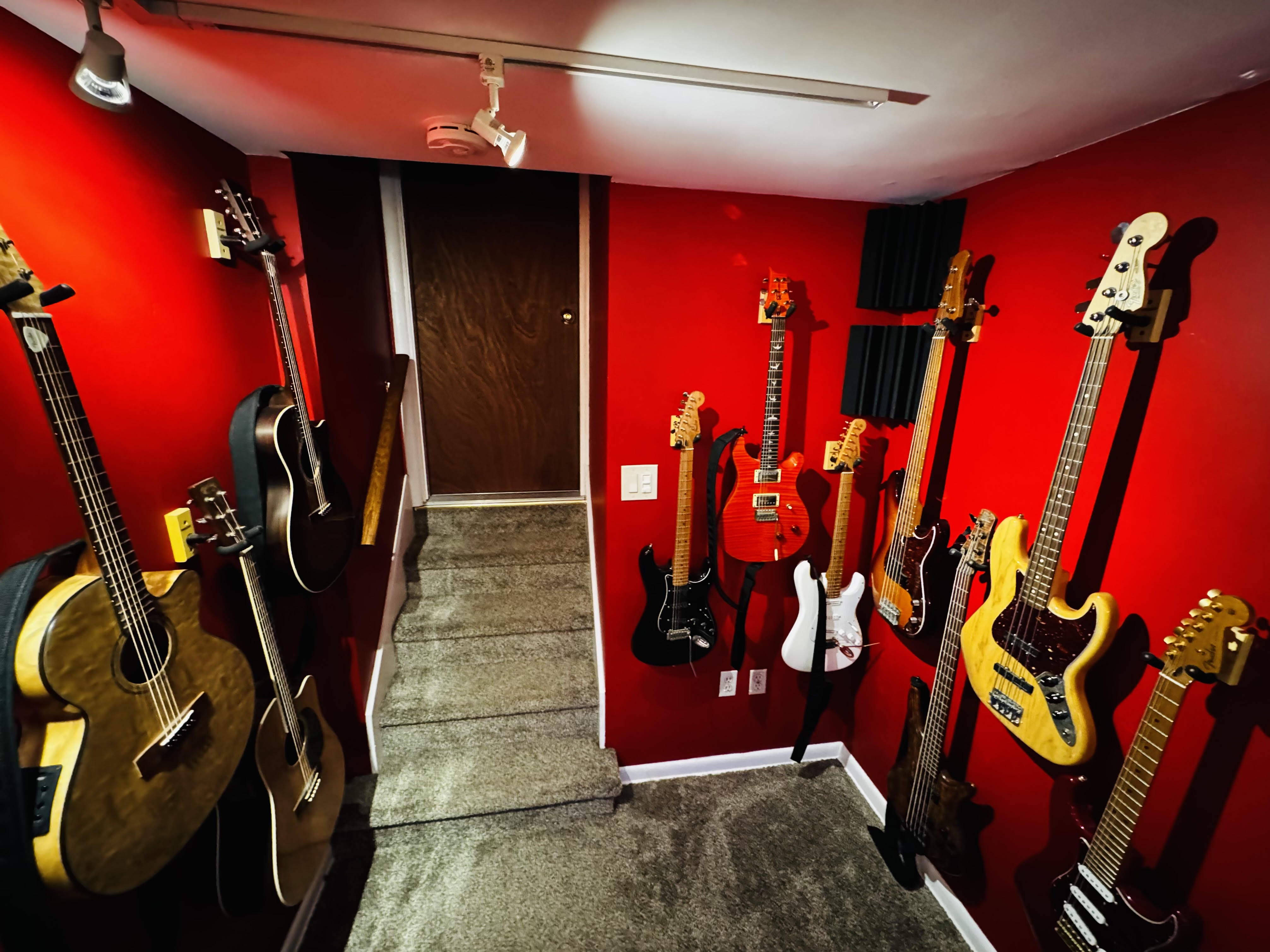
While I consider the guitar my primary instrument, I have always been fascinated by the bass and the power it holds within an arrangement. A single bass note can completely change the character or identity of a chord.
From roughly the ages of 10 to 13, I had a Friday night ritual. I would carry my Ampeg bass amplifier into the kitchen, hoist it onto the kitchen table, plug in my Gibson EB-3 bass, and turn on *Friday with Frank*. The program was hosted by Sid Mark, a legendary Philadelphia broadcaster and absolute Frank Sinatra aficionado.
I knew only a handful of the songs, but I would try to play along with every one of them. Over time, I began recognizing the patterns and predictability of chord progressions. I learned how to “walk” my way up and down the scale while anticipating where the harmony was likely to go next.
No one ever suggested that I do this. It was simply something I thought would be interesting, but I remain grateful that I did. Those Friday nights were essential in training my ear and developing the instincts I would later rely upon as a musician, arranger, and producer.
While other kids were going to the movies or hanging out at the mall, I was hanging out with Frank, and I’m very glad I did.
Contact Info:
- Website: https://newettstudios.com