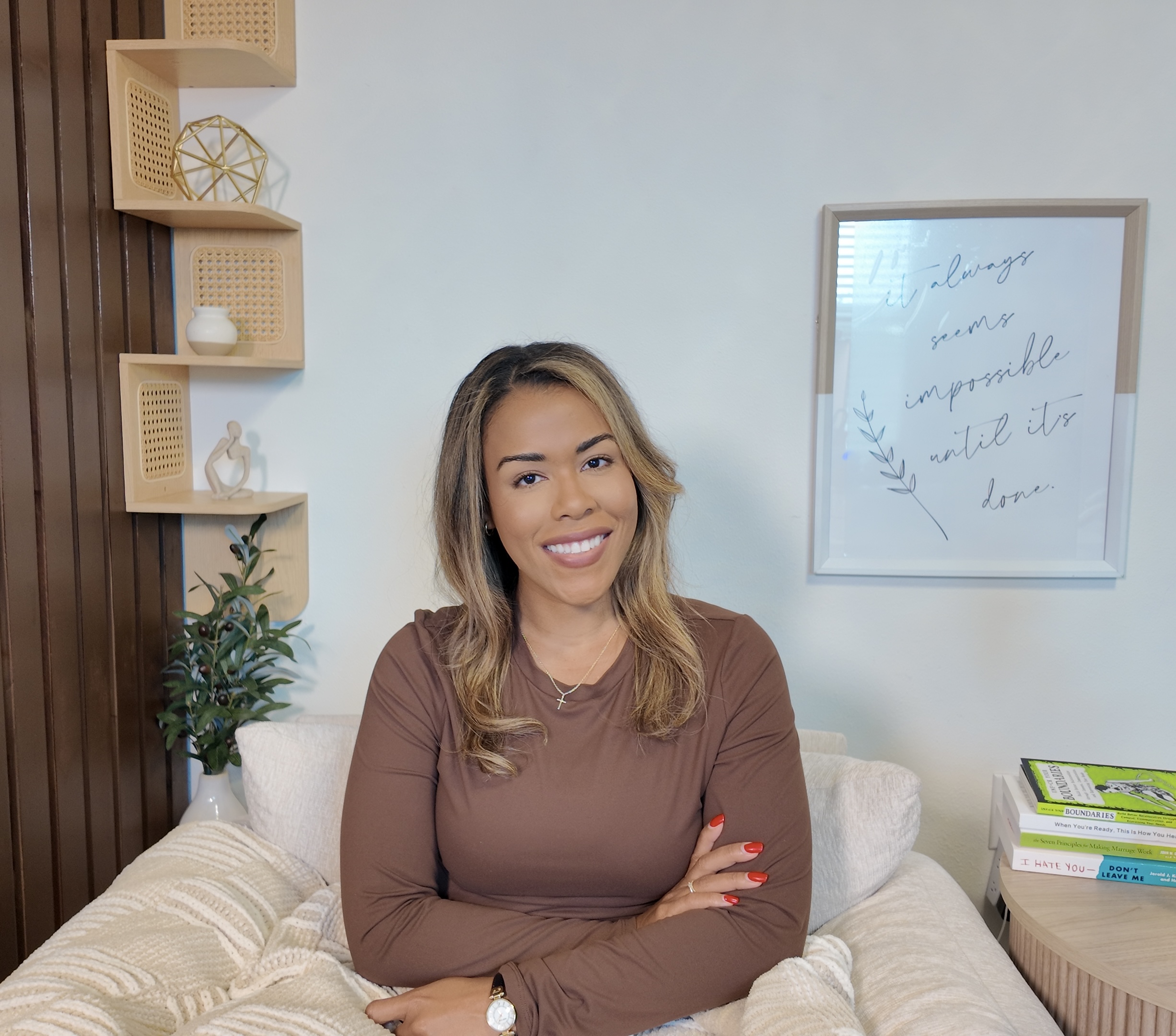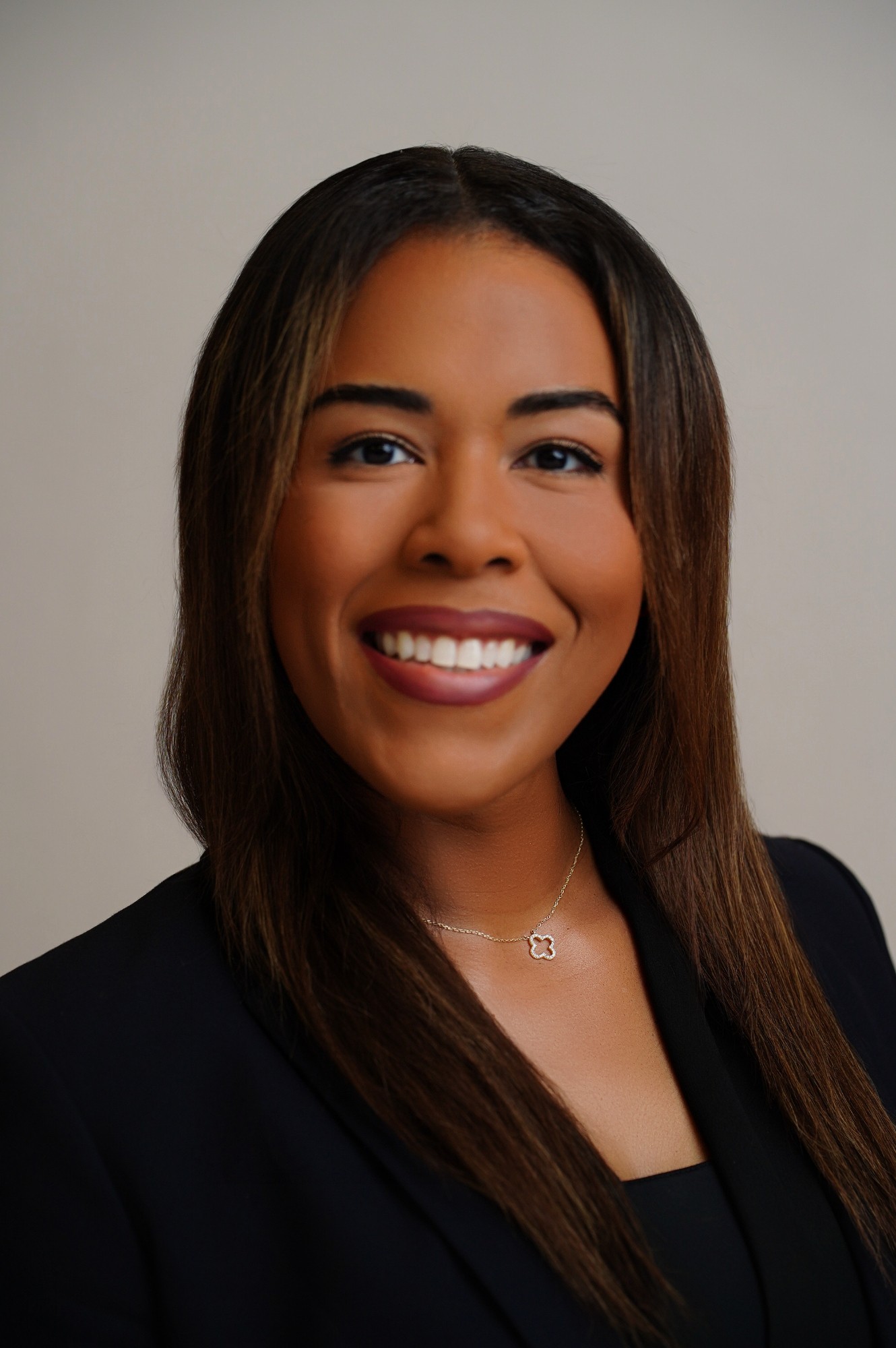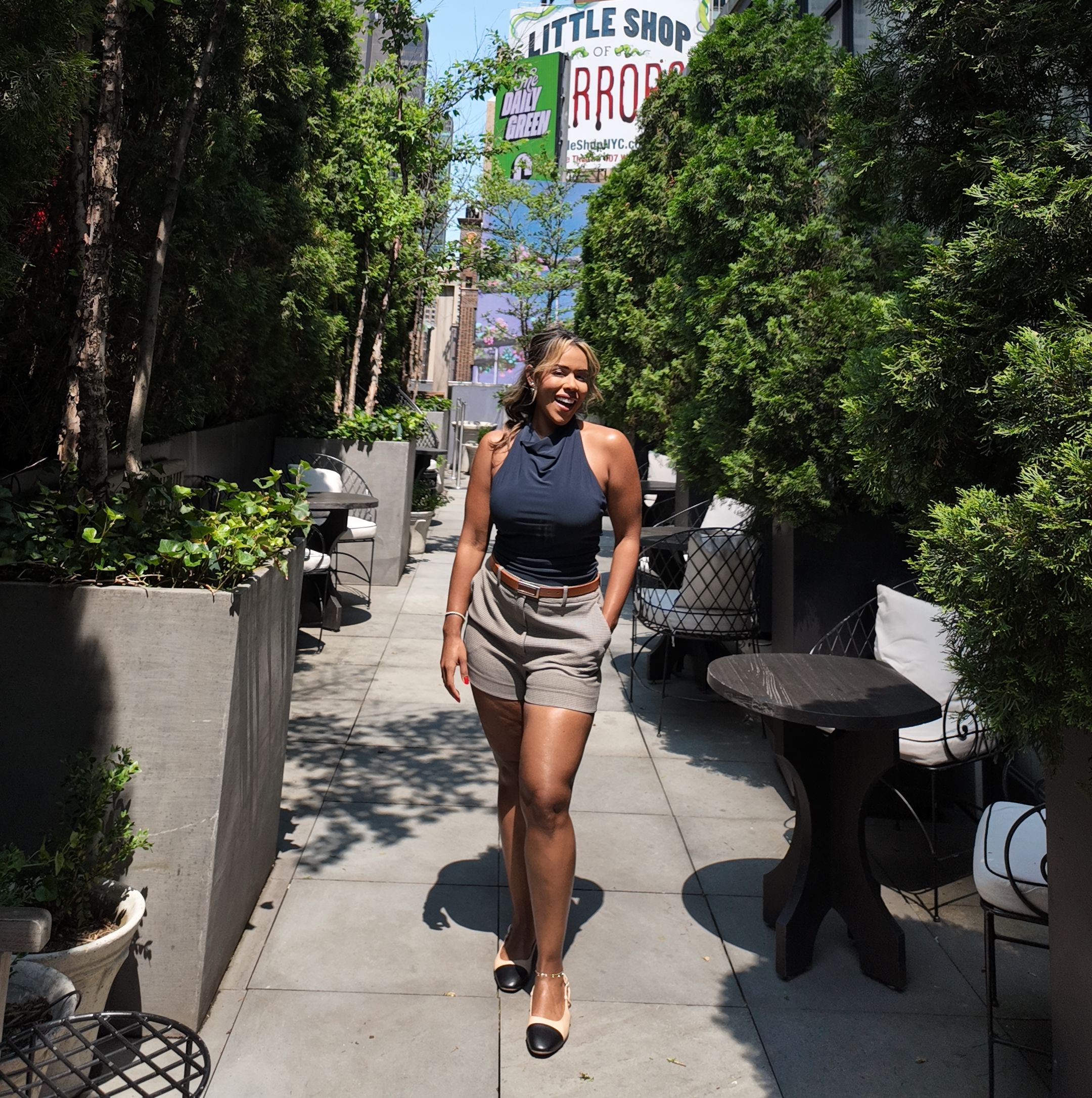



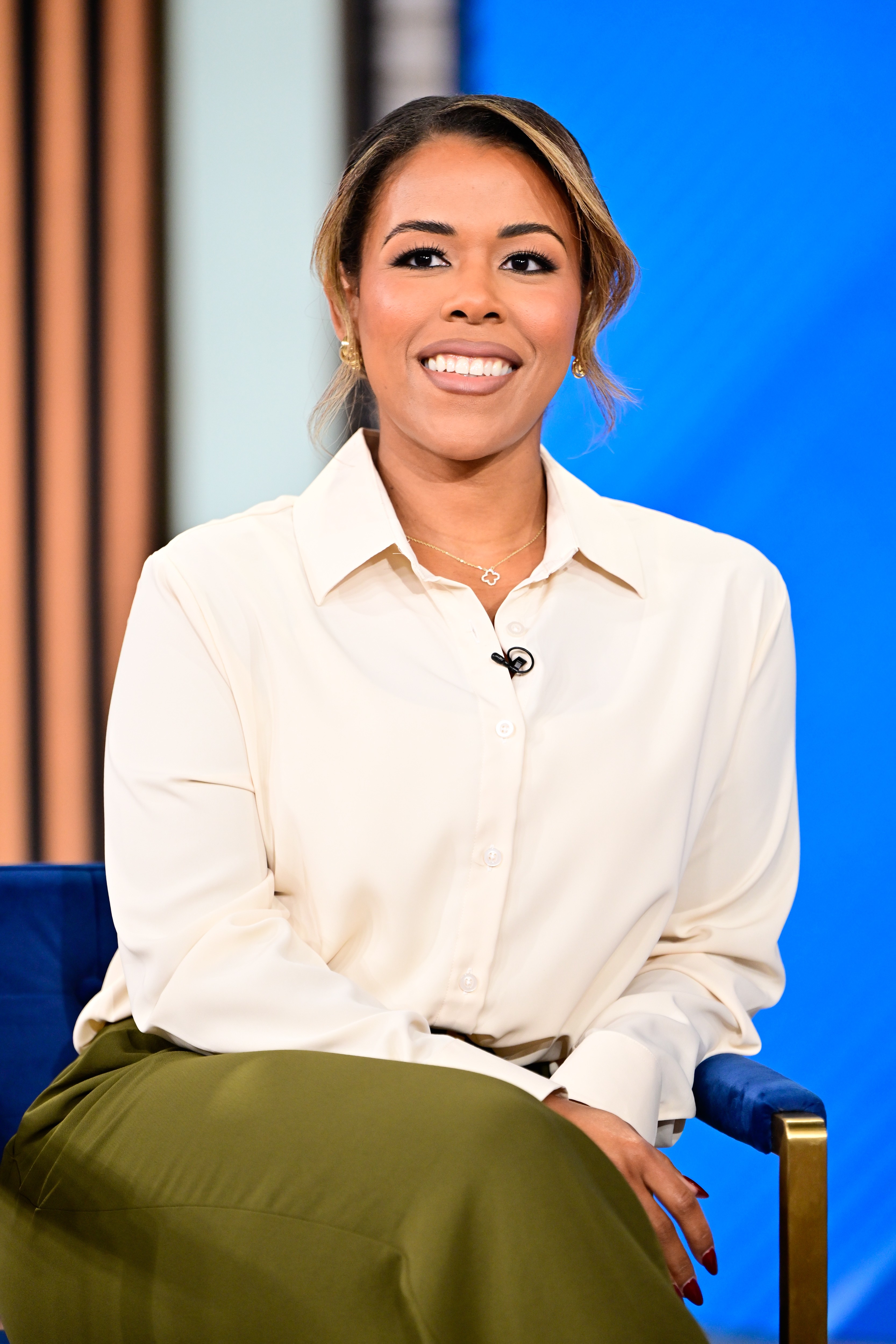
Today we’d like to introduce you to Dr. Vanessa Milagros, PhD.
Hi Dr. Vanessa, thanks for joining us today. We’d love for you to start by introducing yourself.
I am a first-generation Afro-Latina, born and raised in Sarasota, Florida. From an early age, I knew I wanted to build a career centered around helping others, which ultimately led me to become a licensed mental health therapist.
As the first and only person in my family to earn a doctoral degree, my journey through higher education was both challenging and incredibly rewarding. That experience helped shape not only who I am as a clinician, but also my commitment to creating opportunities and making mental health support more accessible. For more than five years, I have owned and operated my private practice: Exhale Counseling Center, where I specialize in helping couples strengthen their relationships and supporting individuals navigating anxiety and other life challenges.
Beyond the therapy room, I am passionate about creating educational mental health content online. I believe psychological knowledge and therapeutic skills should be accessible and understandable, even for those who may not have access to therapy.
Outside of my professional work, I love reading and traveling. I believe both have a unique way of expanding our perspective, introducing us to experiences beyond our own, and challenging the beliefs we may not even realize we carry.
I’m sure it wasn’t obstacle-free, but would you say the journey has been fairly smooth so far?
Although there are certainly times when I wish challenges did not have to be a byproduct of achieving success, I have come to understand how necessary they can be for personal growth. I have faced my fair share of struggles along the way, particularly while pursuing my PhD.
My path to earning my doctorate was anything but straightforward. Shortly after moving from Florida to Maryland, I learned that the first PhD program I enrolled in would remain unaccredited, which meant I could not continue my educational journey there. I transferred to a second doctoral program, only to experience another unexpected setback when the entire university shut down. At that point, I was less than a year away from completing my coursework and becoming eligible to begin the dissertation process.
After already investing years of time, energy, and financial resources into my education, starting over again was incredibly discouraging. Still, I knew I was not ready to give up on something I had worked so hard to achieve. Fortunately, I was given the opportunity to interview for the PhD program at Waynesburg University, where I was accepted and ultimately earned my doctorate.
Anyone who has completed a PhD program understands just how rigorous the process can be. It requires an enormous investment of time, finances, discipline, and sacrifice. In many ways, it also requires the commitment and support of your immediate family, because they experience the demands of the journey alongside you.
That experience fundamentally changed the way I view challenges. I often say that if you can make it through a PhD program and graduate, you can make it through almost anything life puts in front of you. Looking back, I am grateful not only for the degree I earned, but also for the resilience, discipline, and confidence I developed along the way. The journey did not happen the way I originally imagined it would, but perhaps that is exactly what made reaching the finish line so meaningful.
We’ve been impressed with Exhale Counseling Center, LLC, but for folks who might not be as familiar, what can you share with them about what you do and what sets you apart from others?
I founded my private practice, Exhale Counseling Center, LLC, in 2021, where I help individuals struggling with anxiety and work with couples who want to better understand and improve their relationship dynamics. As a Black female therapist who is bilingual in English and Spanish, I also recognize the importance of representation in the therapy room. For many of my clients, being able to work with someone who understands aspects of their culture, identity, and lived experiences allows them to feel seen, understood, and more comfortable showing up authentically in therapy.
One of the things I am most proud of is the impact my work has had on marriages and long-term relationships. So many couples enter adulthood without ever being taught what a healthy relationship actually looks like. They may not have learned how to communicate effectively, navigate conflict, repair after an argument, express their emotional needs, or recognize unhealthy patterns. In many cases, they also did not have healthy relationship dynamics modeled for them growing up.
A significant part of my work is helping couples recognize these patterns and understand not only what is happening in their relationship, but why it continues to happen. I have found that some of the most meaningful breakthroughs occur when couples are finally able to acknowledge the unhealthy dynamics that have been hurting their relationship and make an intentional decision to change them. There is something incredibly rewarding about watching two people begin interacting with each other differently after years of feeling stuck in the same cycle.
My passion for education also extends beyond my work with clients. As a Florida Qualified Supervisor, I have the privilege of supervising registered mental health counseling interns as they work toward becoming licensed clinicians. Being able to support and educate the next generation of therapists has become another meaningful part of my career.
I also create educational mental health resources and digital workbooks focused on topics such as healing from emotional triggers, understanding attachment styles and their influence on relationships, managing anxiety, and helping couples strengthen their connection. Whether I am working with a client, supervising a future therapist, or creating educational resources, my goal remains the same: to take psychological concepts that can sometimes feel complicated or inaccessible and turn them into practical tools people can actually use in their everyday lives.
In terms of your work and the industry, what are some of the changes you are expecting to see over the next five to ten years?
In the next five to ten years, I believe we will see a significant shift toward the integration of artificial intelligence within the mental health field, including how we provide therapy. While I do not believe AI can, or ever should, replace the value of genuine human-to-human connection, empathy, and therapeutic relationships, I do believe it has the potential to become a powerful tool for clinicians.
When used responsibly and ethically, AI may help therapists work more efficiently, recognize patterns, reduce administrative burdens, and provide clients with additional resources and support between sessions. My hope is that we learn how to embrace these advancements without losing the human connection that sits at the heart of therapy. The goal should never be to replace the therapist, but rather to give therapists better tools so we can provide even more thoughtful, informed, and accessible care to the people we serve.
Contact Info:
- Website: https://www.exhalecounselingcenterllc.com/
- Instagram: https://www.instagram.com/dr.vanessaphd
- Facebook: https://www.facebook.com/dr.vanessaphd/
- LinkedIn: https://www.linkedin.com/in/exhalecounselingcenter/
- Youtube: https://www.youtube.com/@dr.vanessaphd