


Today we’d like to introduce you to Linda Brant.
Hi Linda, we’re thrilled to have a chance to learn your story today. So, before we get into specifics, maybe you can briefly walk us through how you got to where you are today.
Certainly! I am an artist, psychologist and educator. Early in my life, I identified art and psychology as my two main interests, and they still seem equally compelling to me. Psychology is the science of human behavior, cognition and emotion. The idea of understanding myself and others more deeply has always intrigued me, and the application of scientific methods to the study of human nature remains extremely captivating. Psychology offers insights into our motivations and behaviors through objective study and analysis. Art, on the other hand, offers a direct, experiential means of self-expression and limitless opportunities to explore ideas. I associate art making with freedom. Freedom to learn, experiment, express, and share ideas and emotions with others. There are no rules in art, so you can turn things on their head, contemplate and express hypothetical scenarios, experiment with alternative perspectives, and communicate your insights through tangible objects as well as through ephemeral happenings and performances. In college, I studied both art and psychology, but eventually leaned toward psychology as a career path. I earned my doctoral degree (Ph.D.) in Clinical Psychology from Texas Tech University. While in graduate school, it was very difficult to make art. I usually managed to make just a few paintings a year. When I graduated and began working as a psychologist, I began to make art more regularly, starting with watercolor paintings and then moving into sculpture, photography, and installations. In 2012, I returned to school to earn my MFA. This was a turning point for me, as I began to focus on making art that addressed our connectionsn with animals. I have been a vegetarian since I was 15, and a vegan for the last 11 years. I feel very attuned to the suffering of certain kinds of animals, including farmed animals, but also animals used as subjects in research studies, and wild animals that must keep pace with the ever-increasing human population and its encroachment on the land. I wanted to make art that reflected my thoughts and feelings about animals that are not valued by society. In 2015, I received the first of 2 creativity grants from the Culture and Animals Foundation to build a Monument to Animals We Do Not Mourn at Hartsdale Pet Cemetery in New York. This project was completed in 2018. There is now a permanent monument in our nation’s oldest pet cemetery that acknowledges and honors the lives of billions of farmed animals. I am continuing to explore ideas and issues related to animal welfare in my art work, which includes sculptures made from animal bones and human bones, photography, and collaborative projects and installations. I keep myself afloat financially by working as a psychologist in private practice. In my psychology practice, I often invite people to draw, paint, or photograph things that are meaningful to them. Art has the power to challenge fixed perspectives, as well as to heal, It’s a real privilege to accompany individuals on their personal paths towards growth. In addition to my work as an artist and psychologist, I have also done quite a lot of teaching over the years. I began teaching as a graduate student, and later taught graduate and undergraduate courses in psychology at Winthrop University, the University of Central Florida, Ringling College of Art & Design, and Saybrook University. Teaching allows you to continue to be a student, and to share your experiences in a generative way with younger people, who offer fresh viewpoints and enthusiasm.
Can you talk to us a bit about the challenges and lessons you’ve learned along the way? Looking back would you say it’s been easy or smooth in retrospect?
I think the greatest struggle for me has been to accept my eccentricities, and to make the kinds of choices that are compatible with who I am as a person. This seems simple, but it is actually a great challenge because we live in a society that values things that run counter to the cultivation of a peaceful life, as I understand it, such as the acquisition of money and status and the over-valuation of competitiveness in professional environments. Social pressures to conform to a conventional life are strong, When I have given in to these pressures in the past, I quickly discovered how profoundly it affected my mental health and well-being. I have also had to learn to forgive myself for making mistakes, and to give myself permission to fail. I have never quite fit the mold of working as a full-time employee at an institution of any sort. I’ve tried to push myself into that mold a couple times, only to find myself feeling squeezed and stifled. It took me quite a while to allow myself to do what comes most naturally for me – which is working for myself, setting my own schedule, and building a creative life alongside my psychology practice.
Can you tell our readers more about what you do and what you think sets you apart from others?
In addition to my daily work as a psychologist in private practice, I enjoy the process of making and sharing my art and collaborating with others on various projects. If I specialize in anything, it is the process of bringing my interests in art and psychology together in meaningful ways. I do this in my psychology practice by encouraging my clients to make, share, and learn from their art. But I also do it in my work as an artist. For example, in 2021 I curated an exhibit at the Orlando Science Center called “Love and Loss Across Species Lines: The Neuroscience of Attachment.” I invited a number of other artists to participate in the exhibit, all of whom share my interest in psychology and human-animal studies. The exhibit included text panels which highlighted recent research findings in the area of human-animal studies, as well as art work that addressed various aspects of our attachments to animals and the grief we experience when they die. As part of the exhibit, I presented images of my Monument to Animals We Do Not Mourn, sculptures made from the bones of factory farmed animals, and an All Species Memorial project. The All Species Memorial was a pandemic project, where people from all over the world created paper lanterns in honor of an animal or group of animals, and mailed them to me. I collected about 75 in total and displayed them at the Orlando Science Center exhibit. There were lanterns for koala bears lost in the Australian fires, rats who died from poison, coral that is dying in our oceans, endangered animals of all sorts, beloved chickens, rabbits, birds of prey, and of course, many individual dogs and cats. The All Species Memorial evolved from a previous project, called Mourned & Unmourned, which was held in Baldwin Park in 2015. In Mourned & Unmourned, I recognized the dogs lost at the Orange County Animal Shelter that year by hanging 1543 silver tags marked ‘Unknown’ over a wide public railing. The tags were draped over collages made from paper lanterns that people had previously made to honor the dogs they had lost. I have really enjoyed being able to bring my art and my ideas to various venues in the greater Orlando area and beyond.
Do you have recommendations for books, apps, blogs, etc.?
I enjoy a range of podcasts and blogs, but I think I have found books to be most helpful to me, both personally and professionally. One of my favorite novels is the Brothers Karamazov by Dostoyevski. I really appreciated the struggles of the youngest brother, Alyosha, who ultimately decided to leave the world of institutionalized religion and simply act ‘as if’ a monk in the world. I also love the writings of Epictetus, whose ideas are strikingly similar to those espoused by researchers and therapists in contemporary cognitive psychology. I have benefitted greatly by reading the works of Carl Jung, one of the first to use art as a therapeutic tool with clients. Jung was a medical doctor specializing in psychiatry – but he was also a misfit, a mason, and an artist who chose to blaze his own trail, in spite of pressures to carry on the Freudian tradition. I also treasure works by existential psychologists such as Rollo May and Irv Yalom, who conceptualized the process of psychotherapy as a shared journey, thereby minimizing other therapist-client power differential and making things very real. Rollo May was also an artist who wrote about the connections between art and psychology, perhaps most famously in his book, The Courage to Create. Siddhartha by Herman Hesse is another favorite book of mine. I’ve read that book four times and I continue to learn from it. I have also read and re-read various translations of the Tao Te Ching. It’s like a guide book for life, and a great comfort during times of struggle.
Contact Info:
- Website: www.lindabrant.net; www.unmourned.net
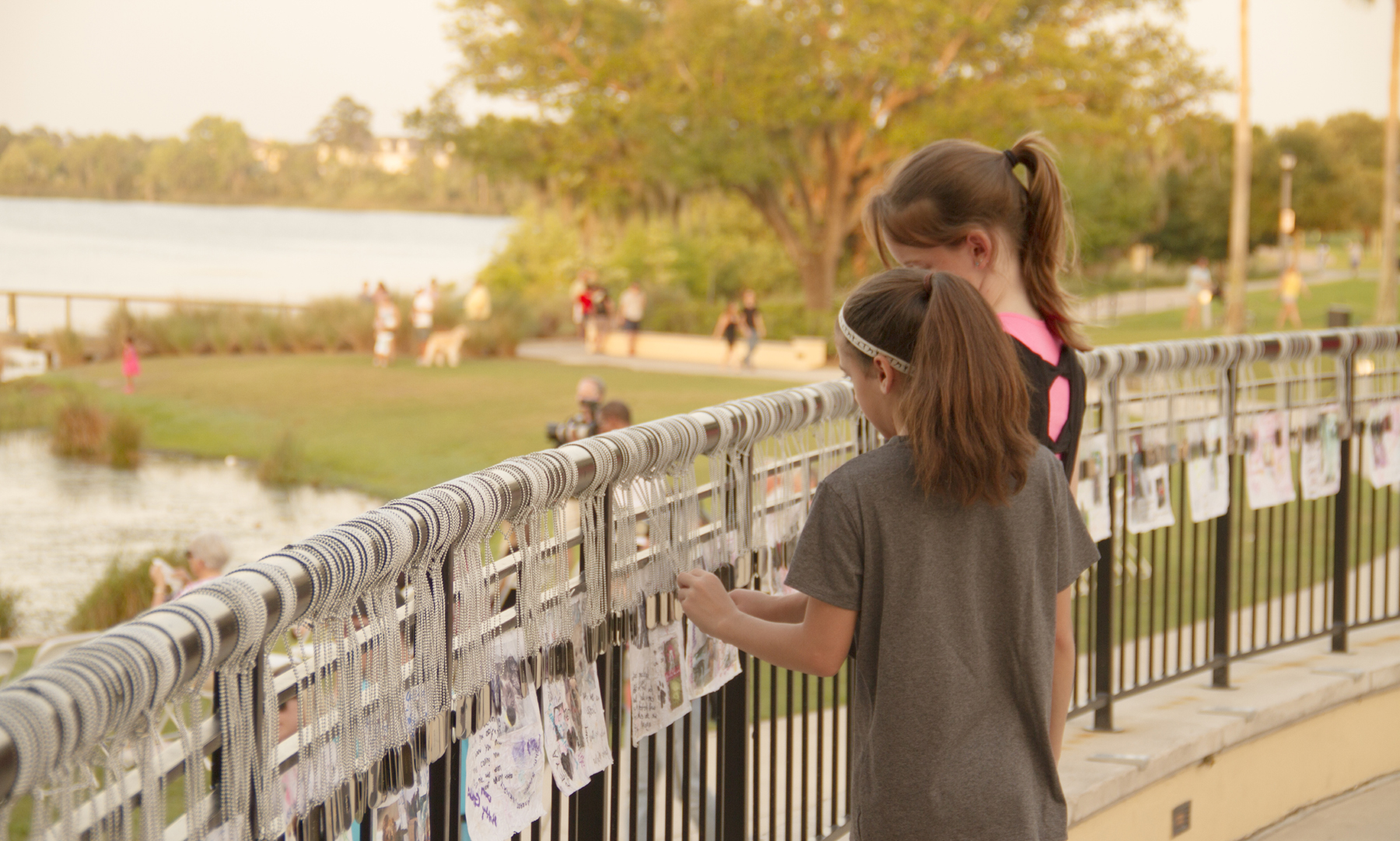
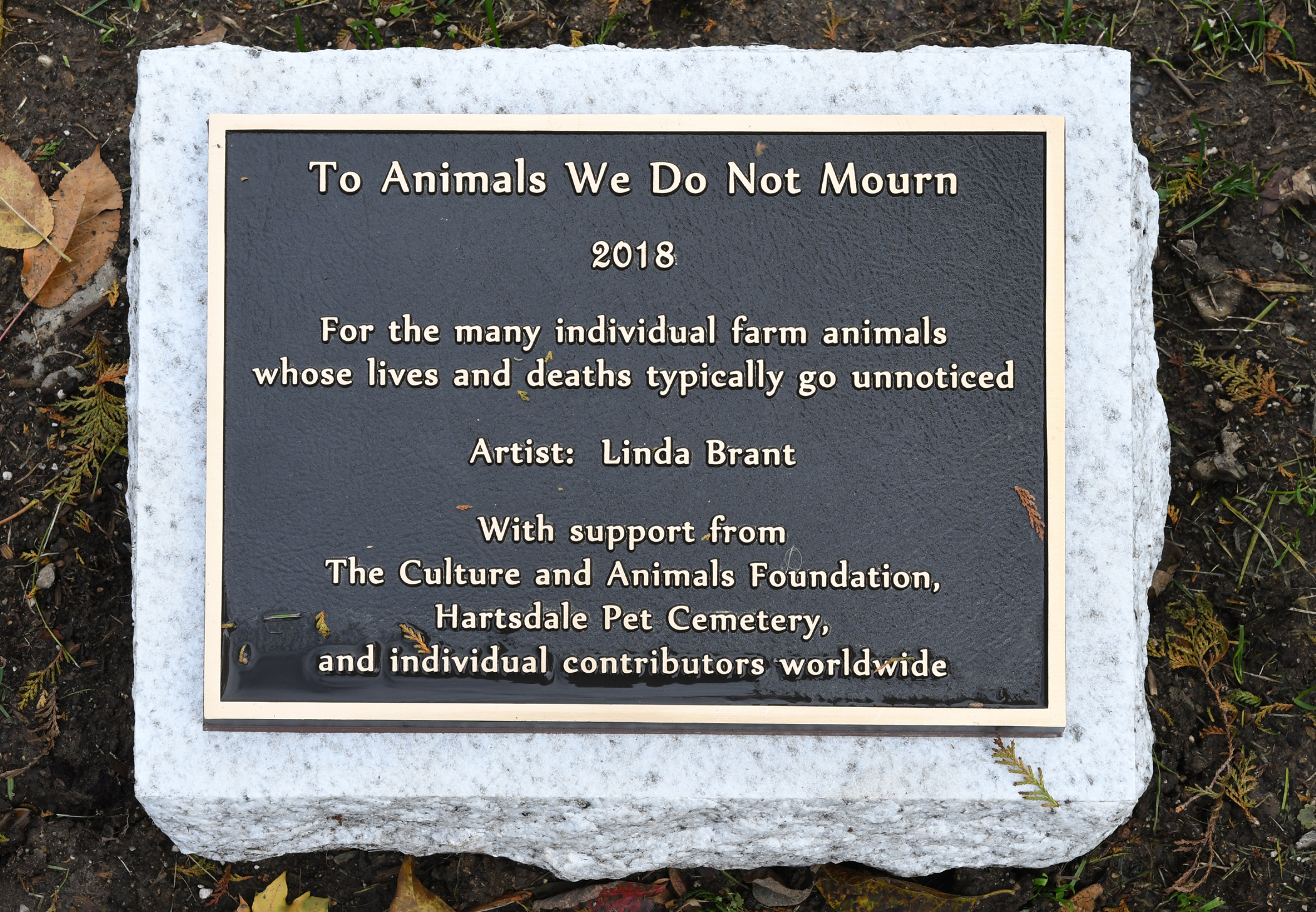
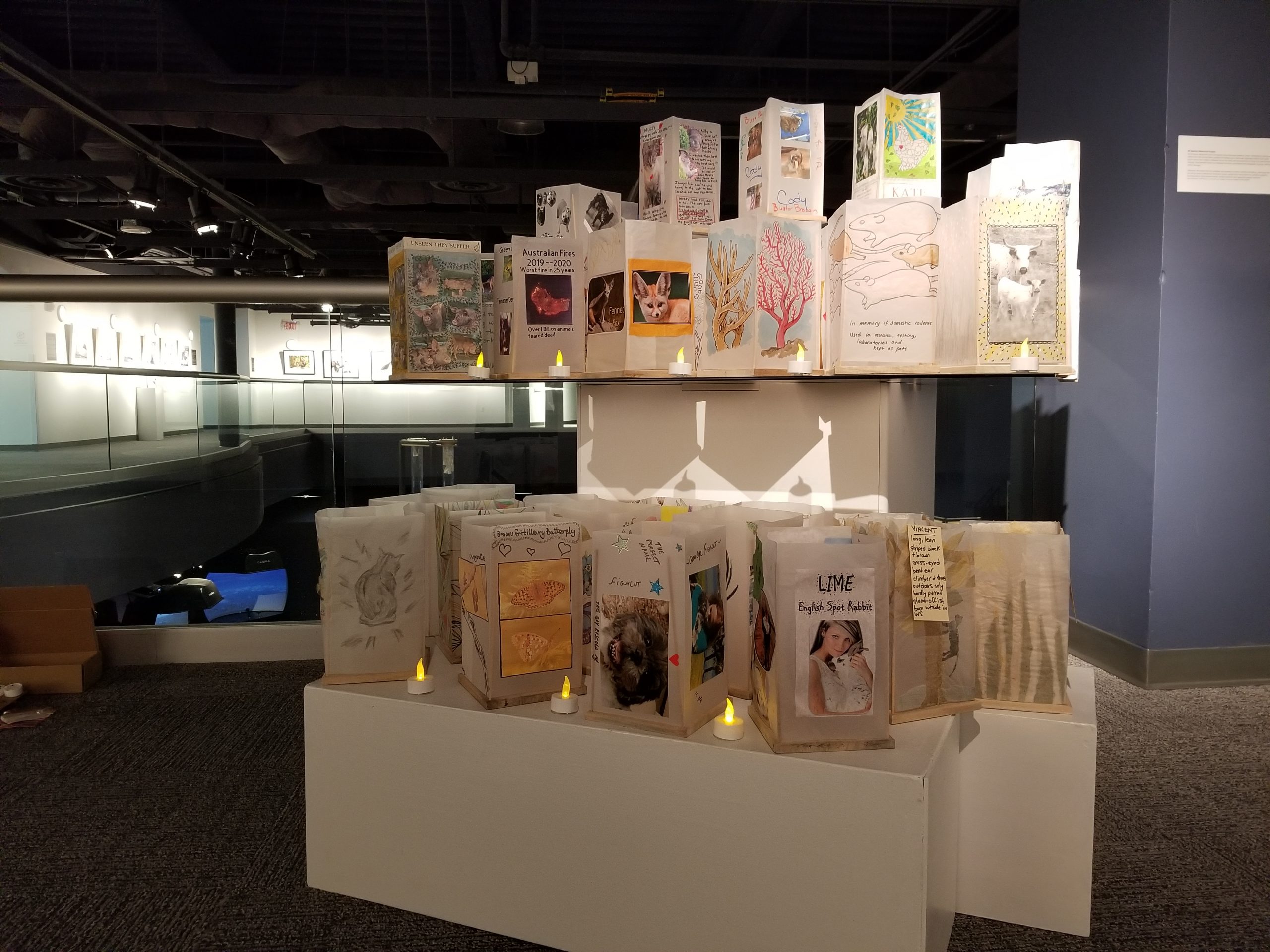
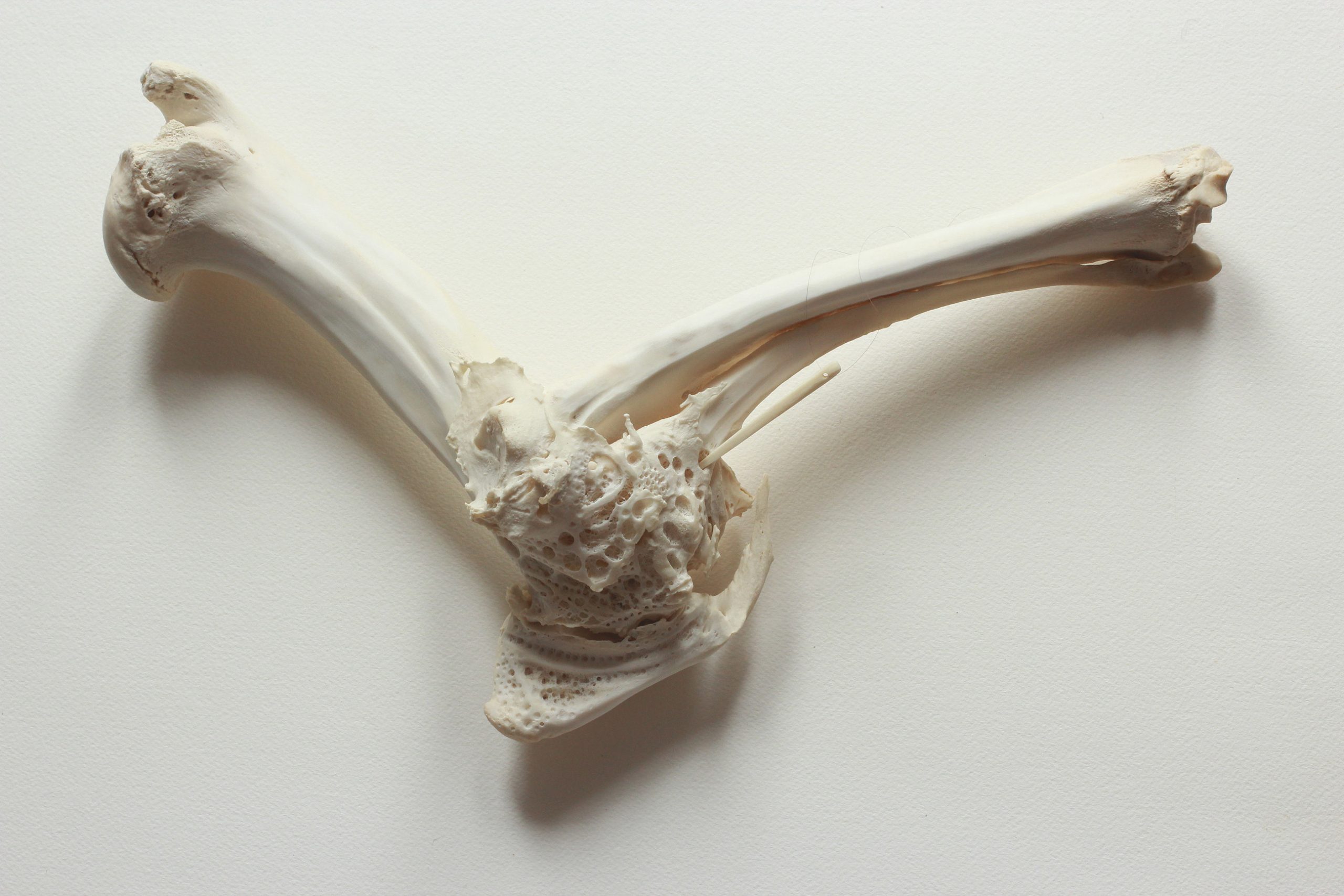

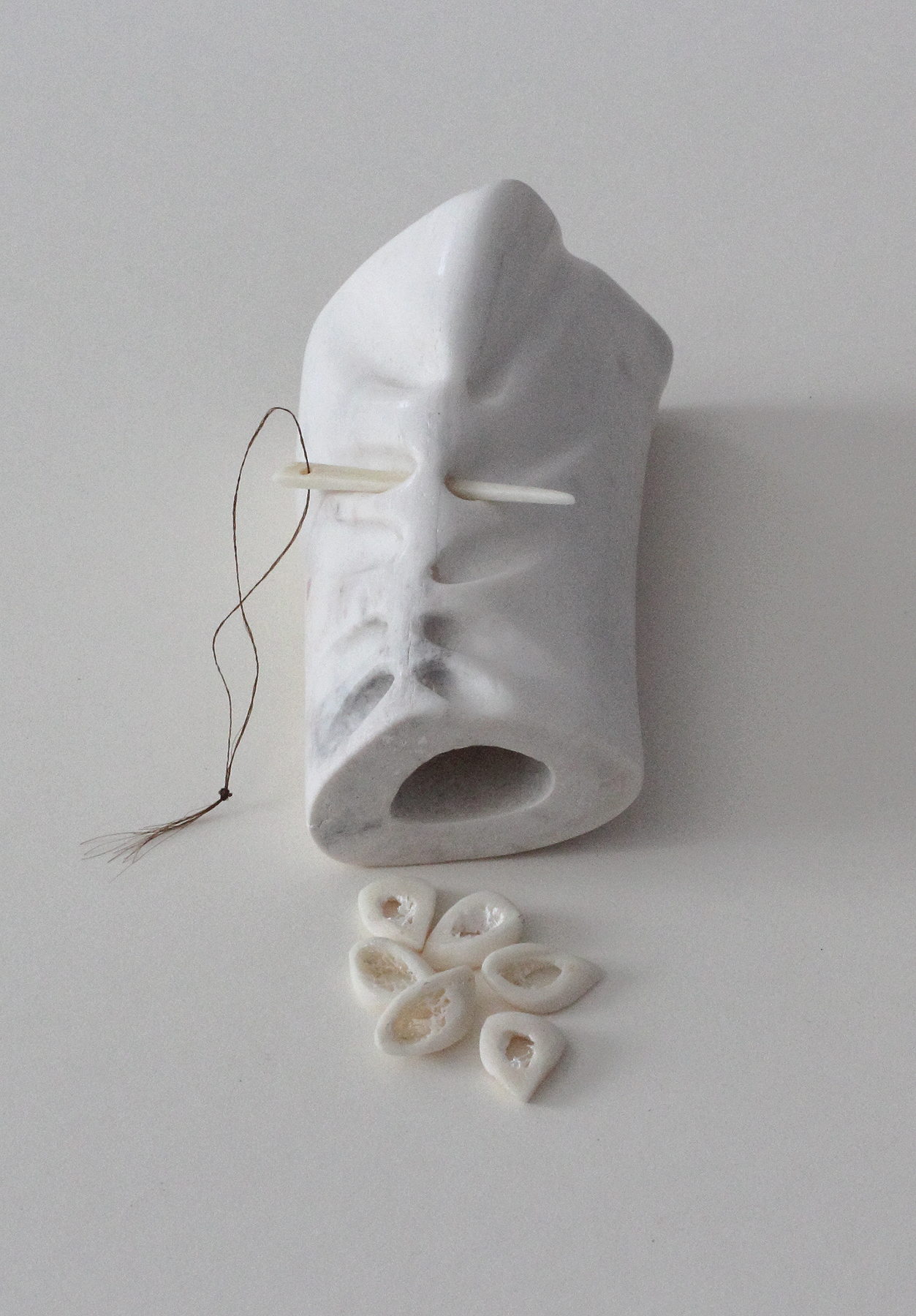


 Image Credits
Edward Watkins
George Jones
Roberto Gonzalez