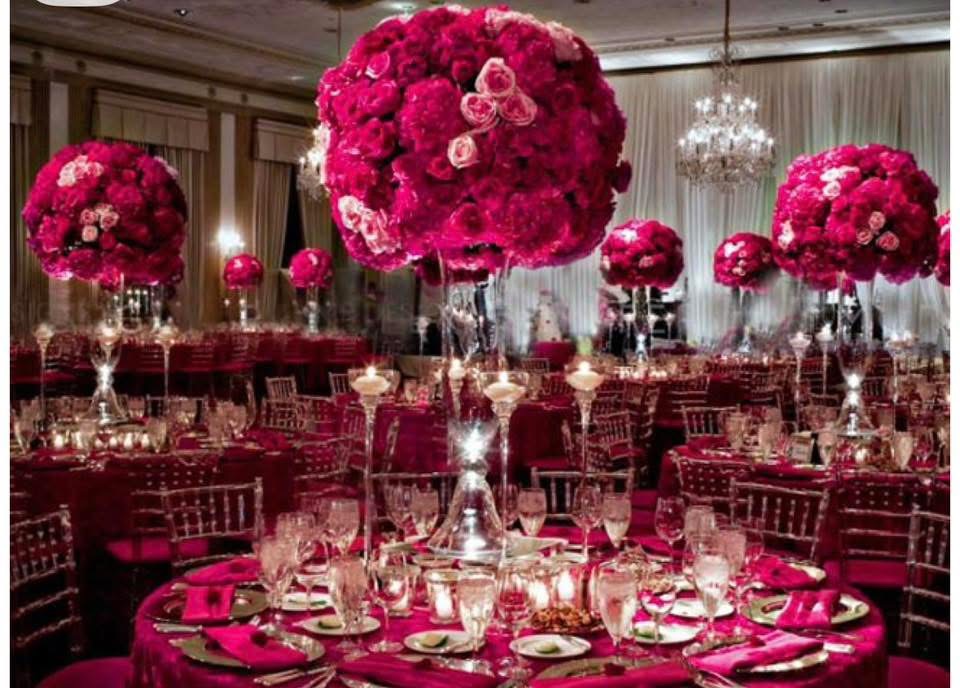
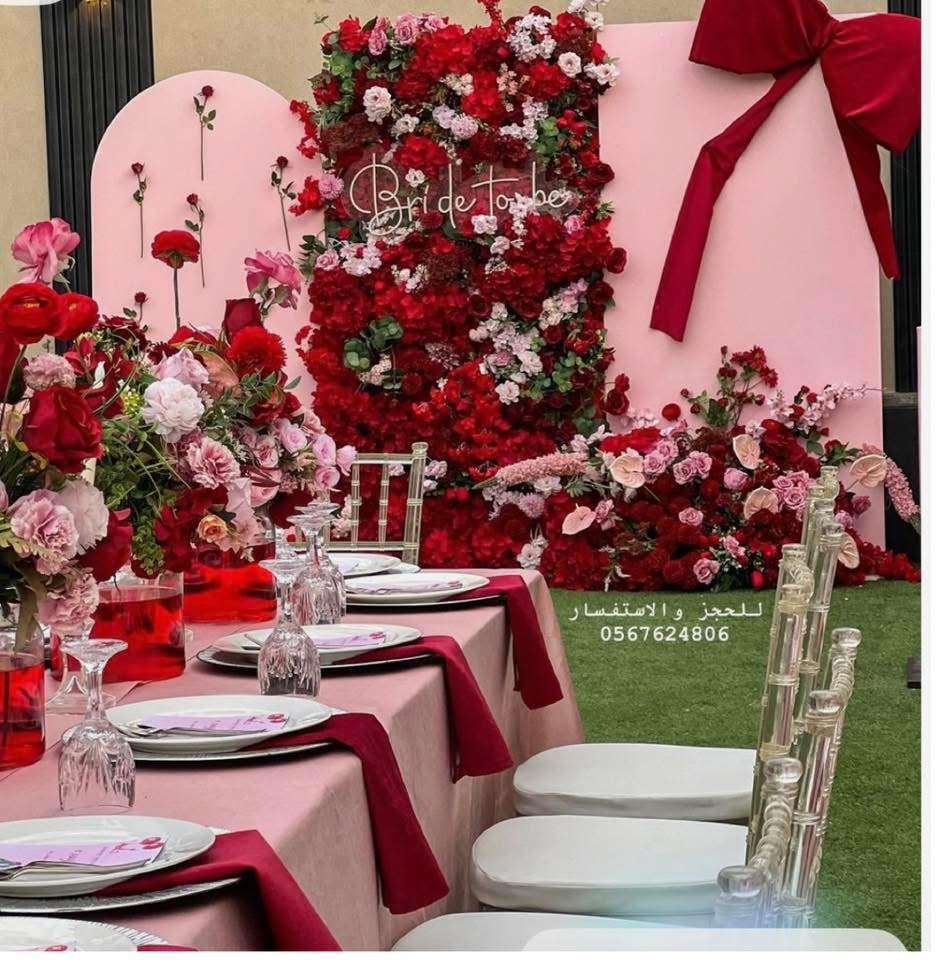
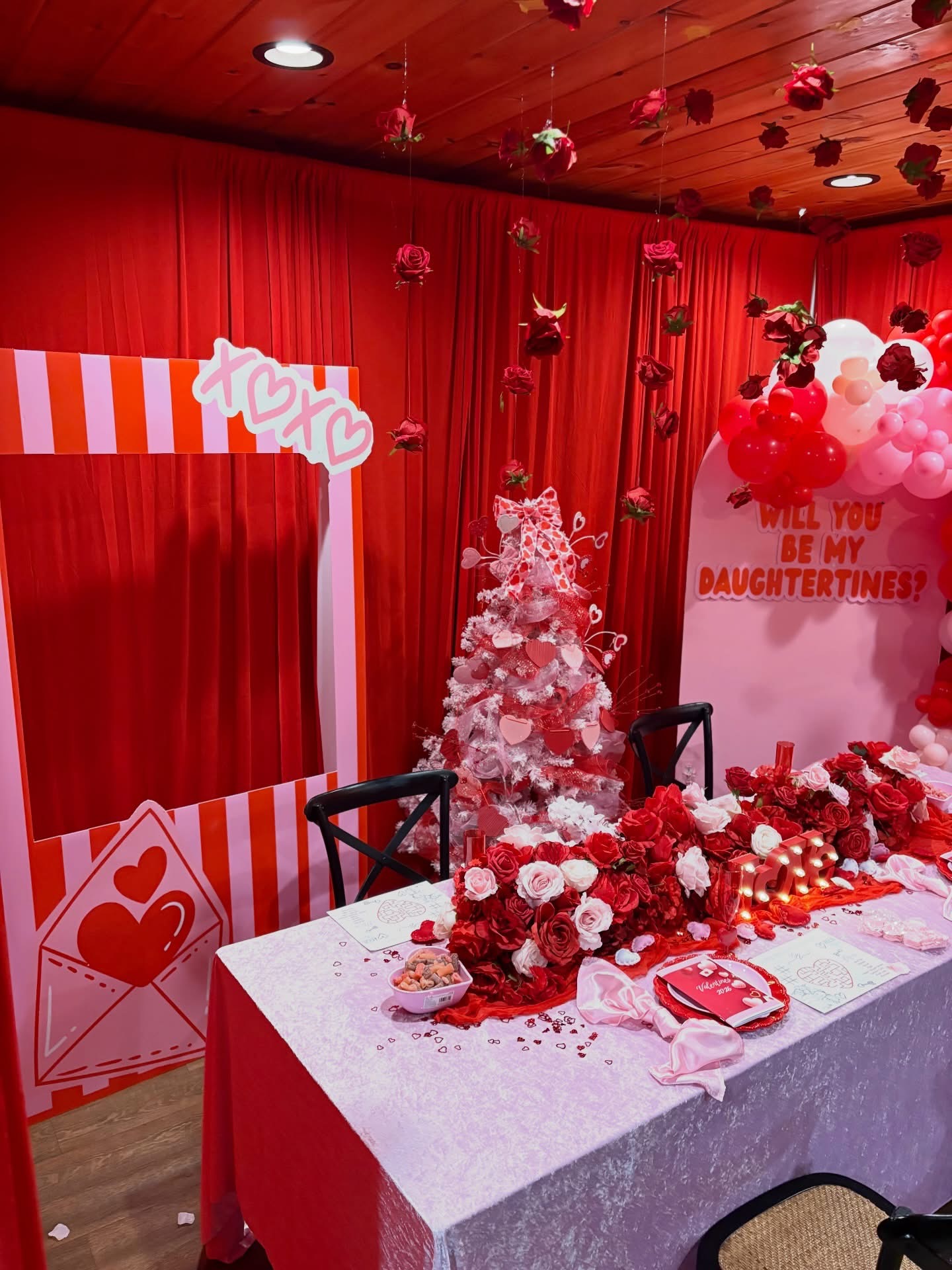
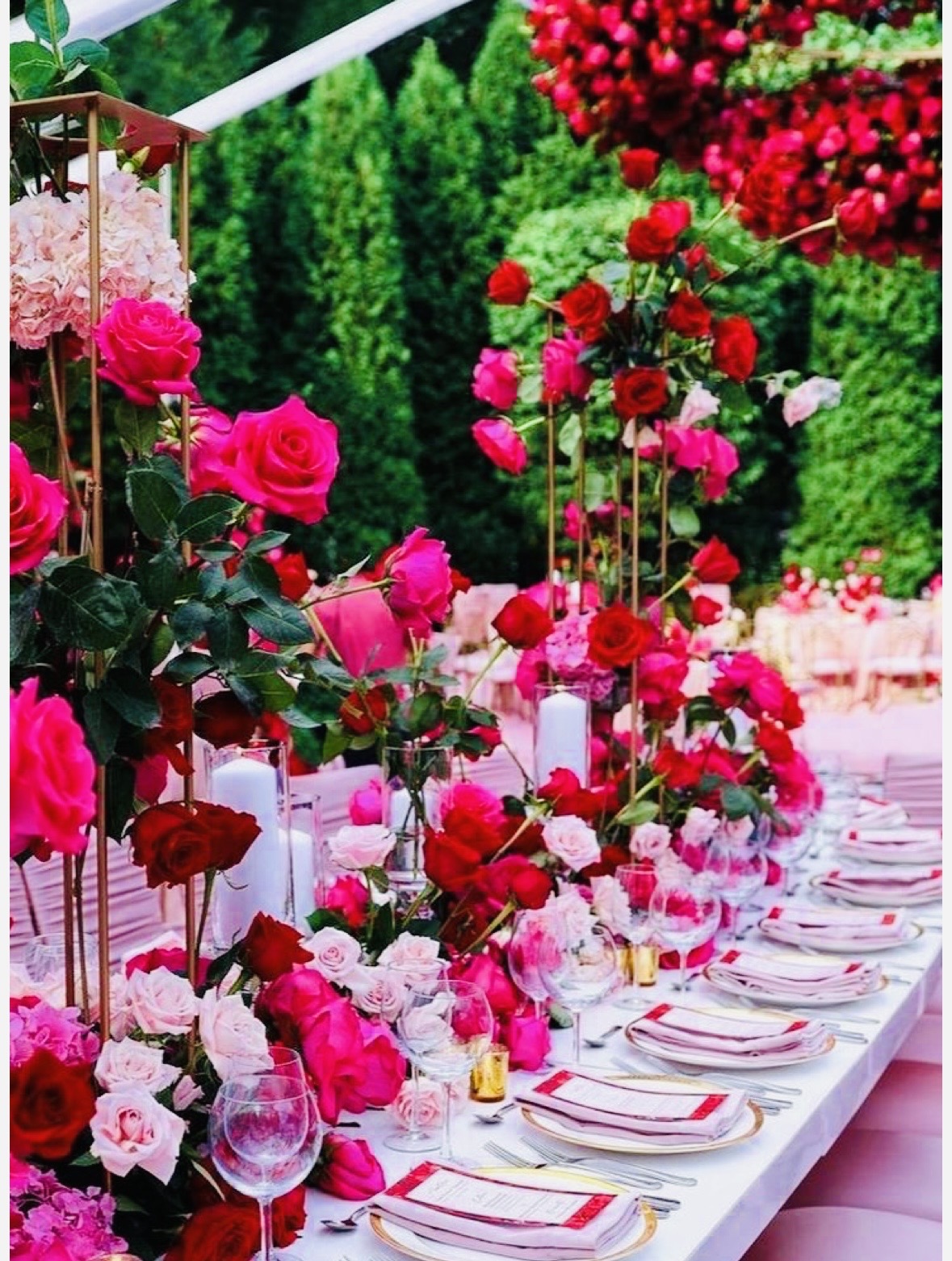
For Shaquilla Williams, beautiful design has never been enough on its own. After watching talented creatives burn out from a lack of business education, she felt called to transform her hard-earned experience into hands-on workshops and certifications across multiple states. Known for her larger-than-life luxury installations, Williams now teaches creatives how to pair vision with strategy—covering everything from pricing and systems to branding, versatility, and leadership—so they can stop operating as hobbyists and start building six-figure event design businesses rooted in confidence, clarity, and longevity.
Hi Shaquilla, thank you so much for taking the time to share your journey and everything you’re building with our readers. Your 2026 workshops sound like such a powerful next chapter — helping creatives not just design beautiful events, but build real, profitable businesses. Let’s jump right in. What inspired you to expand into teaching over 25 certifications across multiple states and turn your expertise into a hands-on educational experience?
Thank you — that means a lot.
What inspired me was a mix of necessity, responsibility, and calling. Over the years, I watched incredibly talented creatives burn out or disappear from the industry, not because they lacked skill, but because they were never taught the business side — pricing, systems, contracts, credit, scalability, or how to position themselves for higher-level clients. I realized that beautiful work alone doesn’t sustain a career; strategy does.
After building my own multi-faceted event design business and navigating everything from luxury clients to setbacks and pivots, I felt a responsibility to turn those hard-earned lessons into something tangible and transferable. Teaching became a way to shorten the learning curve for others — to give creatives access to the information I had to figure out the hard way.
Expanding into 25+ certifications across multiple states was intentional. I wanted the education to be immersive, credible, and practical — not just inspirational. These workshops are hands-on because I believe transformation happens when knowledge meets execution. My goal is to help creatives walk away not just feeling empowered, but equipped — with systems, confidence, and a clear path to profitability and longevity in this industry.
Your work is known for “larger than life” luxury weddings and over-the-top installations. How did you develop your signature design style, and how do you help students discover and confidently own their own creative voice?
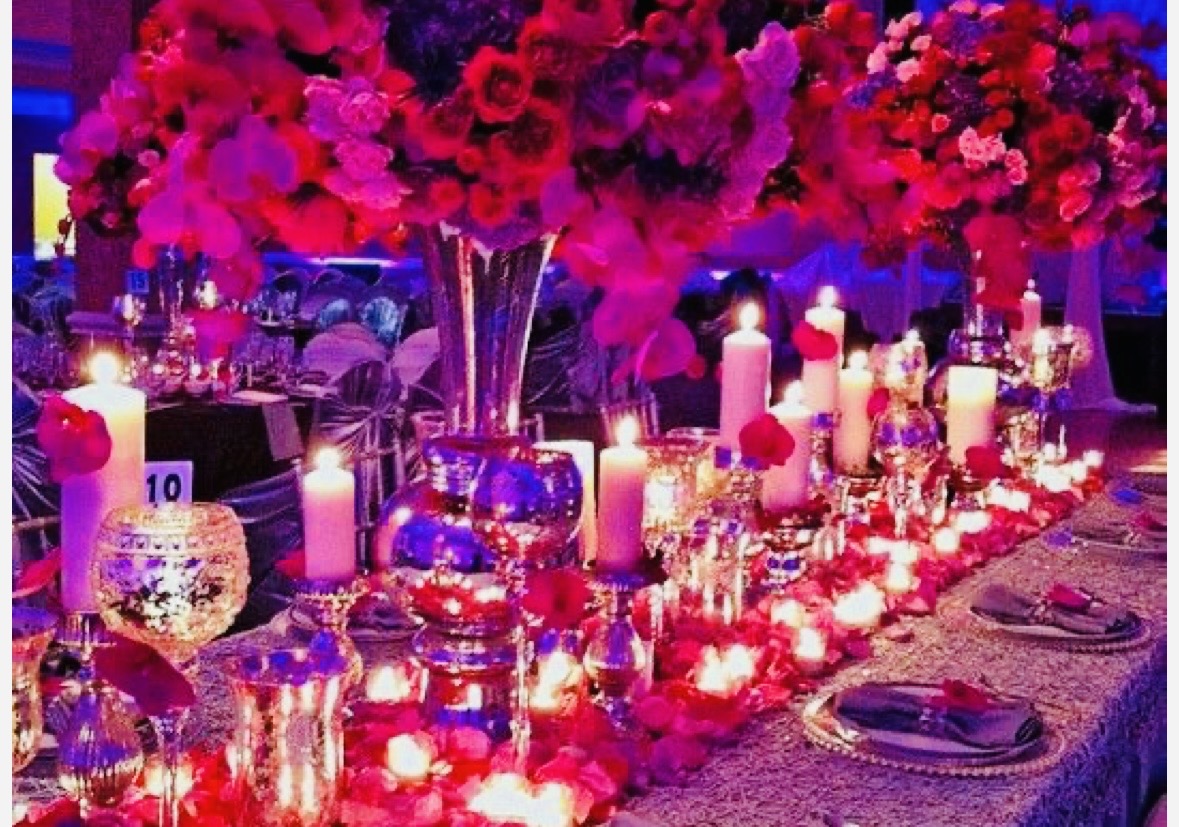
My signature style developed long before it had a name. It came from instinct, curiosity, and a refusal to play small. Early on, I realized that what excited me most wasn’t just making things look pretty — it was creating moments that felt immersive, emotional, and unforgettable. I studied scale, movement, negative space, lighting, and storytelling just as much as florals themselves. Over time, “larger than life” became my language — bold installations, intentional drama, and designs that command presence while still feeling elevated and refined.
I also gave myself permission to evolve. I stopped designing for trends and started designing from intuition and experience, trusting that the right clients would be drawn to authenticity over imitation. That shift is what truly defined my work.
With students, I don’t try to mold them into my style — that would be a disservice. Instead, I help them identify patterns in what they’re naturally drawn to, the problems they love solving, and the emotions they want their work to evoke. We break down their influences, refine their aesthetic vocabulary, and align their design voice with their ideal market. Just as important, I teach them how to stand behind their work — how to articulate their vision, price it confidently, and present it unapologetically.
Owning your creative voice isn’t about being the loudest in the room — it’s about being the most intentional. Once designers understand that, confidence follows.
A big part of your workshops focuses on business foundations — pricing, branding, marketing, and systems like EIN and DUNS setup. Why do you think so many talented creatives struggle on the business side, and what mindset shifts help them finally become profitable?
Because the industry trained them to be artists first and entrepreneurs last.
Most creatives are taught how to design, not how to protect, price, or scale that talent. There’s very little education around financial literacy, business structure, or systems — and when creatives do encounter it, it’s often wrapped in fear, misinformation, or gatekeeping. Add imposter syndrome and a scarcity mindset, and you get people undercharging, overdelivering, and quietly resenting their own businesses.
Another big factor is that many creatives emotionally attach their self-worth to their work. When pricing feels personal, numbers feel scary. Saying your rate can feel like asking for validation instead of offering a service. That mindset alone keeps incredibly gifted people stuck.
The shift happens when creatives stop seeing business as something that dilutes their artistry and start understanding it as what protects it. Profitability isn’t about greed — it’s about sustainability, freedom, and choice. I teach students to view pricing as a reflection of value and infrastructure, not just time or materials. Systems like EINs, DUNS numbers, contracts, and workflows aren’t “extra” — they’re what allow you to show up as a professional instead of a freelancer hoping for approval.
The most powerful mindset shift is this: you are not being hired for your hands alone — you’re being hired for your vision, your judgment, and your ability to execute under pressure. Once creatives internalize that, they stop apologizing for their prices, start making data-driven decisions, and finally build businesses that pay them back.
You’re teaching everything from real and silk florals to balloon artistry, full-room transformations, and styled shoots. How important is it for today’s event designers to be multi-skilled and versatile in order to compete in the luxury market?
It’s extremely important — but with an important caveat.
In the luxury market, versatility isn’t about doing everything for everyone. It’s about having enough range and technical understanding to execute a cohesive vision at a high level without relying on ten different vendors to make one idea work. Luxury clients expect seamlessness. They want one creative mind who can see the full picture and translate it across multiple mediums — florals, installations, textures, scale, and space.
Being multi-skilled allows designers to design without limits. When you understand real and silk florals, balloons, structural installs, and room transformations, your ideas expand because you’re no longer designing around what you can’t do. You’re designing around impact. It also gives you leverage — you can control quality, timelines, and costs more effectively, which is critical at the luxury level.
That said, I’m very intentional about teaching students when to specialize versus when to diversify. Early on, versatility builds confidence, competence, and income. As designers grow, they can refine their niche while still retaining the ability to collaborate intelligently and lead a production team. Multi-skilled designers don’t lose their edge — they become creative directors.
In today’s market, luxury isn’t just about aesthetics. It’s about execution, leadership, and trust. The more fluent you are across disciplines, the more indispensable you become.
You’ve been featured in major outlets and have built a celebrity-level event brand. Looking back, what were the key moves or decisions that helped you break into the high-end space and attract luxury clients consistently?
Breaking into the high-end space wasn’t one big lucky break — it was a series of very intentional, sometimes uncomfortable decisions.
First, I stopped marketing to everyone. I made a conscious choice to design as if I was already serving luxury clients, even before they were consistently booking me. That meant elevating my visuals, tightening my brand language, and being selective about what I showed publicly. I learned that luxury clients don’t respond to volume — they respond to clarity, confidence, and restraint.
Second, I invested before it felt safe. I invested in education, materials, styled shoots, and experiences that matched the level of clients I wanted to attract. I treated my brand like an asset, not a side hustle. That shift alone changed how others perceived me — and how I negotiated.
Another key move was positioning myself as a creative authority, not just a service provider. I didn’t wait for permission to lead the room. I learned how to communicate vision, manage teams, and speak with certainty. Luxury clients aren’t just buying décor — they’re buying trust. They want to know that under pressure, you can make decisions and protect their investment.
Finally, I learned to say no — to misaligned clients, underpriced opportunities, and exposure that didn’t serve the brand I was building. Consistency came when my work, my pricing, and my boundaries all matched the same level.
Luxury isn’t about proximity to wealth — it’s about proximity to excellence. Once I aligned every part of my business with that standard, the right clients found me — and stayed.
For someone who’s currently a hobbyist or just getting started but dreams of building a six-figure event design business, what’s the very first step you’d tell them to take today to move closer to that vision?
The very first step is this: stop treating your dream like a side note and start treating it like a business — even before it pays you like one.
That doesn’t mean quitting your job or having everything figured out. It means making one clear, intentional decision today that shifts you out of “hobbyist” mode. Register the business. Separate your finances. Choose a lane you want to be known for and commit to learning both the craft and the business behind it. Clarity creates momentum.
I also tell beginners to stop waiting for confidence. Confidence is a byproduct of action, not the prerequisite. Build a small but intentional portfolio — even if that means styled shoots or mock projects — and practice articulating your vision as if clients are already listening. The market responds to people who sound like they belong there.
Most importantly, adopt a long-term mindset. Six-figure businesses aren’t built by dabbling; they’re built by consistency, systems, and a willingness to learn faster than your fear. If you take one aligned step today — just one — you’re no longer dreaming. You’re building.









 Local Highlighter Series
 Life, Lessons, & Legacies
 Highlighting Local Gems
 Life, Lessons, & Legacies
 Highlighting Local Gems
 Life, Lessons, & Legacies
 Highlighting Local Gems
 Life, Lessons, & Legacies
 Highlighting Local Gems