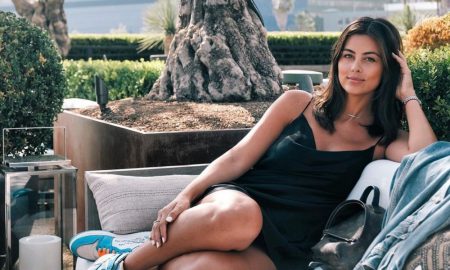




Qichao An shared their story and experiences with us recently and you can find our conversation below.
Qichao, a huge thanks to you for investing the time to share your wisdom with those who are seeking it. We think it’s so important for us to share stories with our neighbors, friends and community because knowledge multiples when we share with each other. Let’s jump in: Would YOU hire you? Why or why not?
I would hire me. I’m the kind of person I enjoy working with myself: curious, calm under pressure, and willing to take responsibility when something goes wrong.
As a designer, I care about two things at the same time: beauty and impact. I’ve run my own studio in China and now lead design for a U.S. brand, so I’m used to taking vague ideas and turning them into clear visual systems that work across cultures and channels, not just “nice-looking” layouts.
On the team side, I show up, hit deadlines, and communicate clearly—even when the news isn’t perfect. I like mentoring younger creatives and I’m very open to feedback myself. If there’s one thing I still work on, it’s saying “no” faster so I don’t try to do everything at once, but that sense of ownership is also exactly why I’d hire me.
Can you briefly introduce yourself and share what makes you or your brand unique?
My name is Qichao An, and I’m a brand and visual designer who loves turning culture into something you can actually see, touch, and use. I was born and trained in China, ran my own studio there, and now live in the Orlando area where I split my time between my studio, Mornice Brand Design, and leading design for a U.S.–based wellness and nutraceutical brand.
My work usually sits at the intersection of Eastern aesthetics and very practical, system-driven branding. On one side, I’m inspired by things like calligraphy, traditional symbols, and the idea of “space” in Asian art; on the other side, I’m obsessed with grids, packaging regulations, digital touchpoints, and how a brand actually performs in the market. I enjoy building visual systems that are not only beautiful on a poster, but also work on a shelf, in an app, and in a global context.
Lately I’ve been focusing on packaging and experience design for wellness products in the U.S., while also creating poster series and installations for international exhibitions. A big theme in my practice right now is how design can act as a quiet bridge—between East and West, online and offline, and between what a brand says and what people really feel.
Okay, so here’s a deep one: What’s a moment that really shaped how you see the world?
A moment that really changed how I see the world was the flight when my family and I moved from China to the U.S.
It was a long overnight flight. My daughter was asleep next to me, the cabin lights were off, and I was scrolling through photos of the brands and posters I’d designed in China. Suddenly they felt very “local” — the jokes, the symbols, even the way I used space all assumed people shared the same background I did. In a few hours we were landing in a place where almost nobody would read those signs the way I expected.
Sitting there somewhere over the Pacific, I realized that design for me couldn’t just be about expressing myself or my culture. It had to work like a translator between cultures, helping people who grew up in completely different systems still feel seen and invited in. Since then I’ve paid much more attention to the small details that make something legible to someone far away from where it was created — language, color, rhythm, even silence. That night made the world feel much bigger and much closer at the same time.
Was there ever a time you almost gave up?
There was a period during the early months of the pandemic when I almost walked away from design.
I was running my own studio in Wuhan. Practically overnight, clients paused campaigns, exhibitions were canceled, and several of our biggest accounts froze their budgets. The streets were quiet, everyone was worried about their health and their families, and I was also trying to figure out how to pay rent and salaries with almost no new work coming in. At home I had a young child, my parents were anxious, and friends kept asking if it was time to find a “more stable” job. One night I sat alone in the dark office, looking at the stack of halted projects, and I honestly wondered if I should shut everything down.
Around that time, a small cultural organization approached us with a very modest project connected to their community work during COVID. Financially it didn’t make much sense, but I loved the intention behind it, so I treated it almost like a personal project and poured everything into it. After it went live, the client sent me a long message on WeChat about how the visuals had helped them communicate hope and support to people who were feeling isolated. I read that message on another rough day, and it quietly reminded me why I became a designer in the first place.
The pandemic didn’t suddenly become easier after that, and the money problems didn’t disappear, but I decided not to give up. I tightened the team, clarified the studio’s focus, and became much more deliberate about which projects we accepted. That “almost gave up” season forced me to decide what kind of work I want to stand for, and that decision is still guiding me now.
So a lot of these questions go deep, but if you are open to it, we’ve got a few more questions that we’d love to get your take on. How do you differentiate between fads and real foundational shifts?
For me, a fad changes how things look for a season; a real shift changes how things work for the long run.
I usually look at three things. First is the behavior test: when the hype dies down, do people still change how they spend time or money? A new TikTok aesthetic is a fad; the move from print-first to mobile-first was a real shift because it completely changed how brands plan, design, and measure their work.
Second is the system test: does this trend force us to redesign the system behind the visuals—team skills, processes, even business models—or is it just another style on top of the same structure? In branding, a new gradient or type trend is fun but shallow; something like subscription models or direct-to-consumer changed the entire relationship between brands and people.
Finally, I look at the human-need test: does it connect to something deep and timeless—health, connection, meaning—or is it just a way to look “new” for a few months? That’s how I think about AI as well. One more “AI filter” is a fad. The expectation that creative work will be a long-term collaboration between humans and intelligent tools—that feels like a foundational shift I need to design for.
Okay, so before we go, let’s tackle one more area. What are you doing today that won’t pay off for 7–10 years?
The things I’m most excited about right now are exactly the ones that won’t “pay off” for 7–10 years.
On the creative side, I’m slowly building a long-term body of personal work around the theme of East–West dialogue—posters, installations, and visual essays that are less about any one client and more about a consistent language. Each piece on its own is small, but together they’re becoming an archive I hope will one day live as a book or a series of exhibitions.
I’m also investing a lot of unpaid time in teaching and feedback—mentoring younger designers, serving on juries, sharing process notes instead of just finished images. That doesn’t bring an immediate return, but I know in 10 years the people I’ve encouraged will be part of the design ecosystem I work inside of.
And quietly, I’m trying to design a life for my family in a new country: learning how things work here, building relationships, giving my daughter a sense that she can move between cultures without losing herself. That is the slowest project of all, but if it works, it will be the most meaningful “return” I can imagine.
Contact Info:
- Website: https://www.anqichao.com
- Linkedin: https://www.linkedin.com/in/qichaoan/
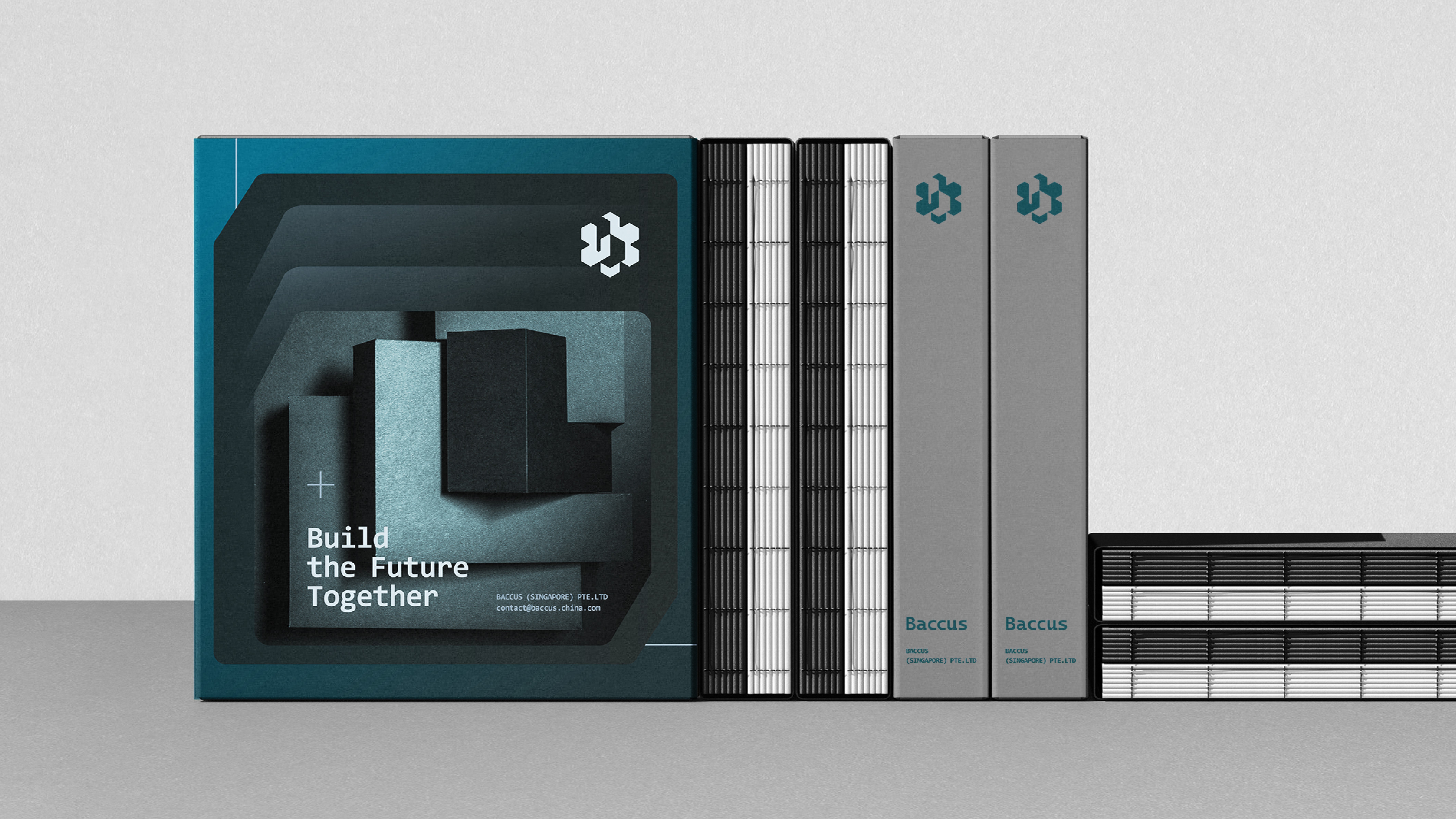
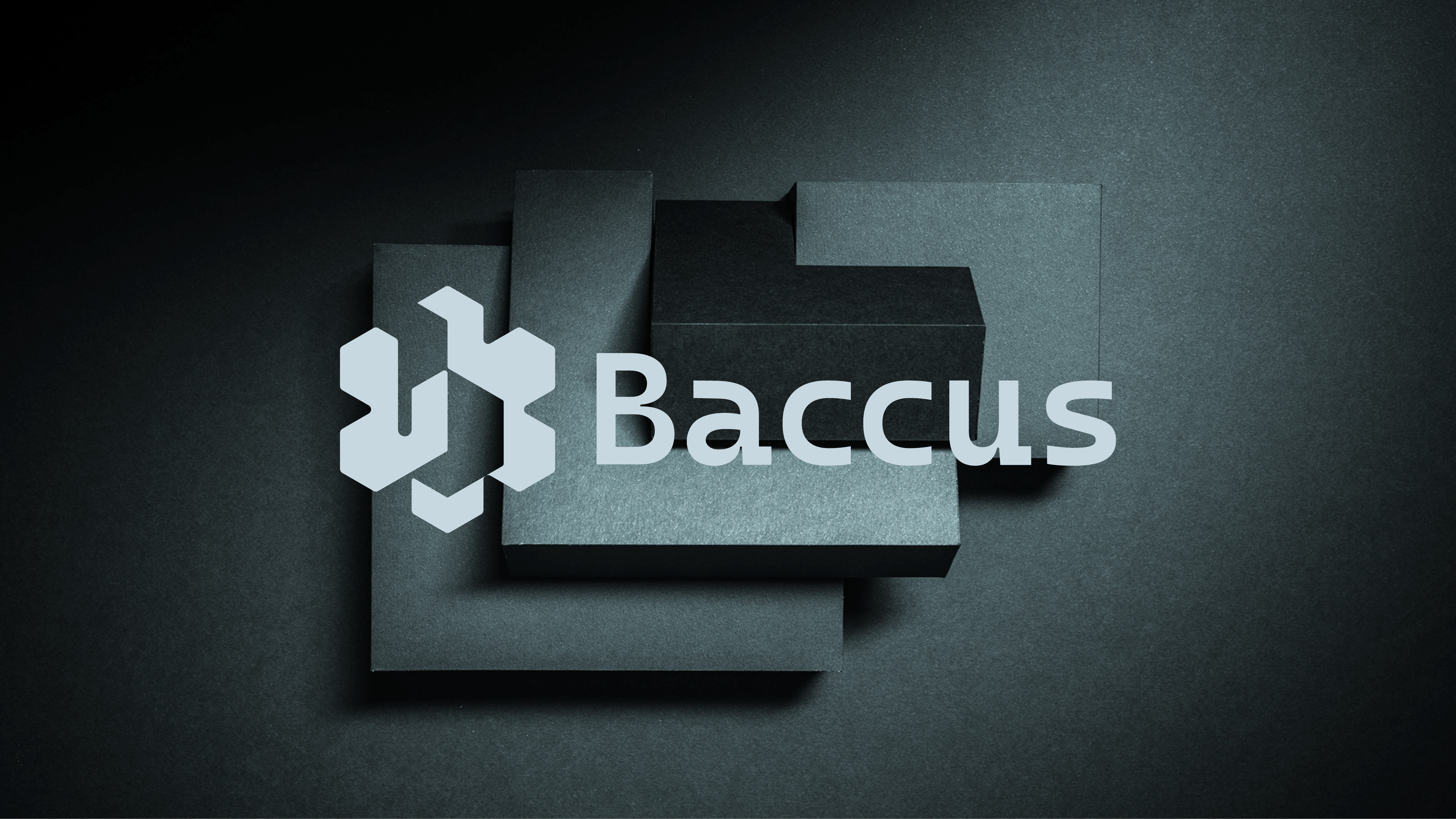
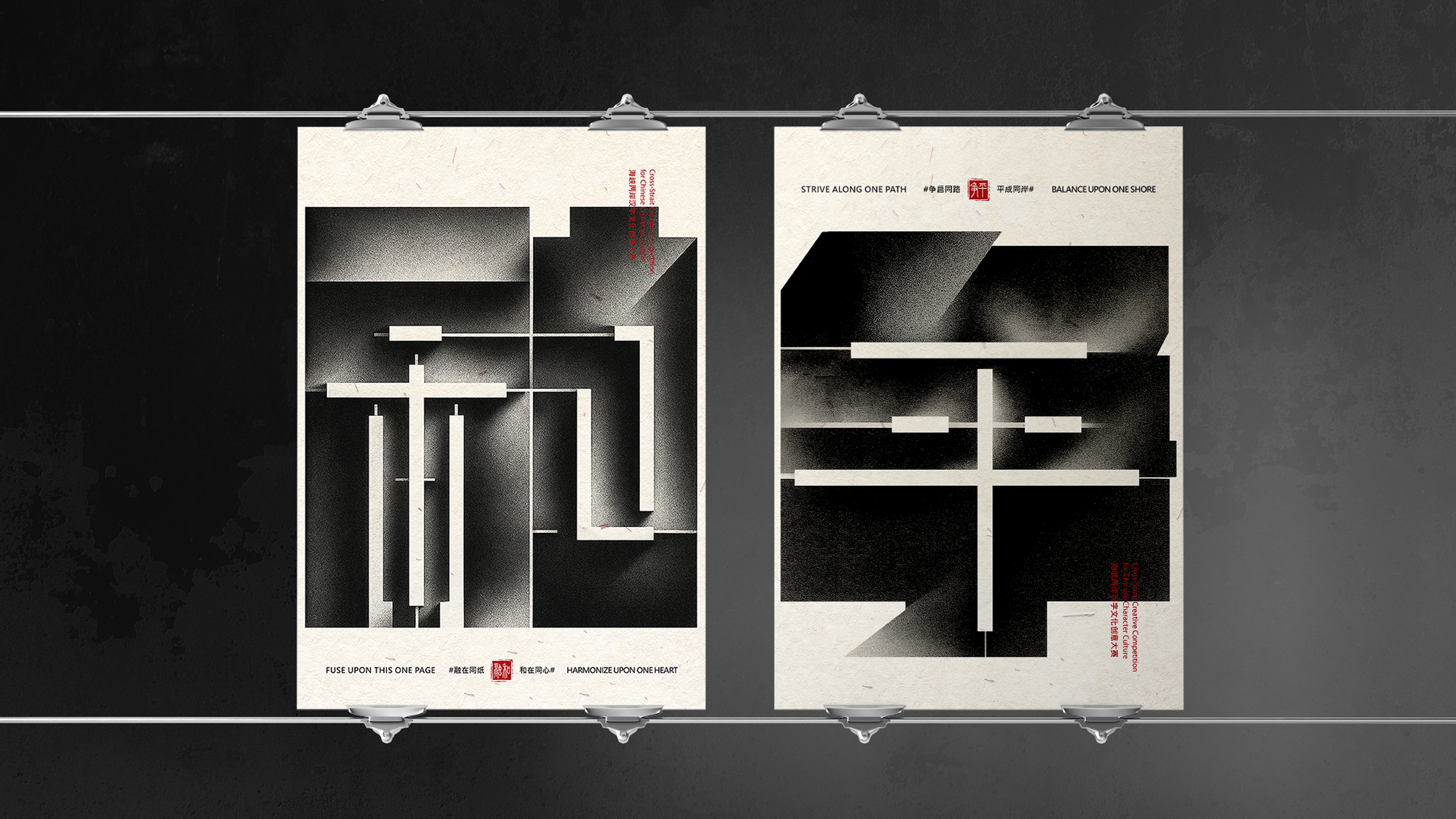
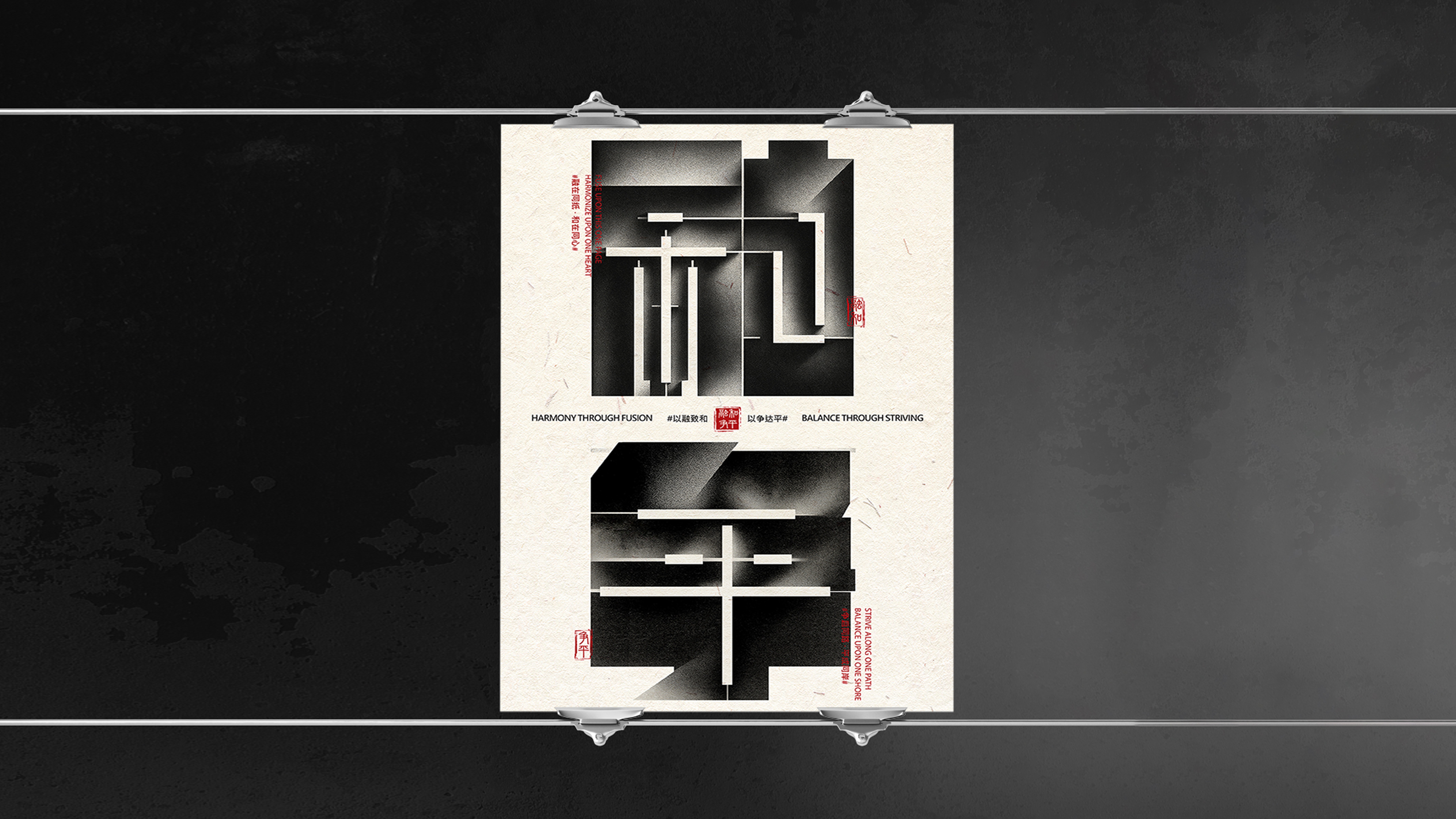
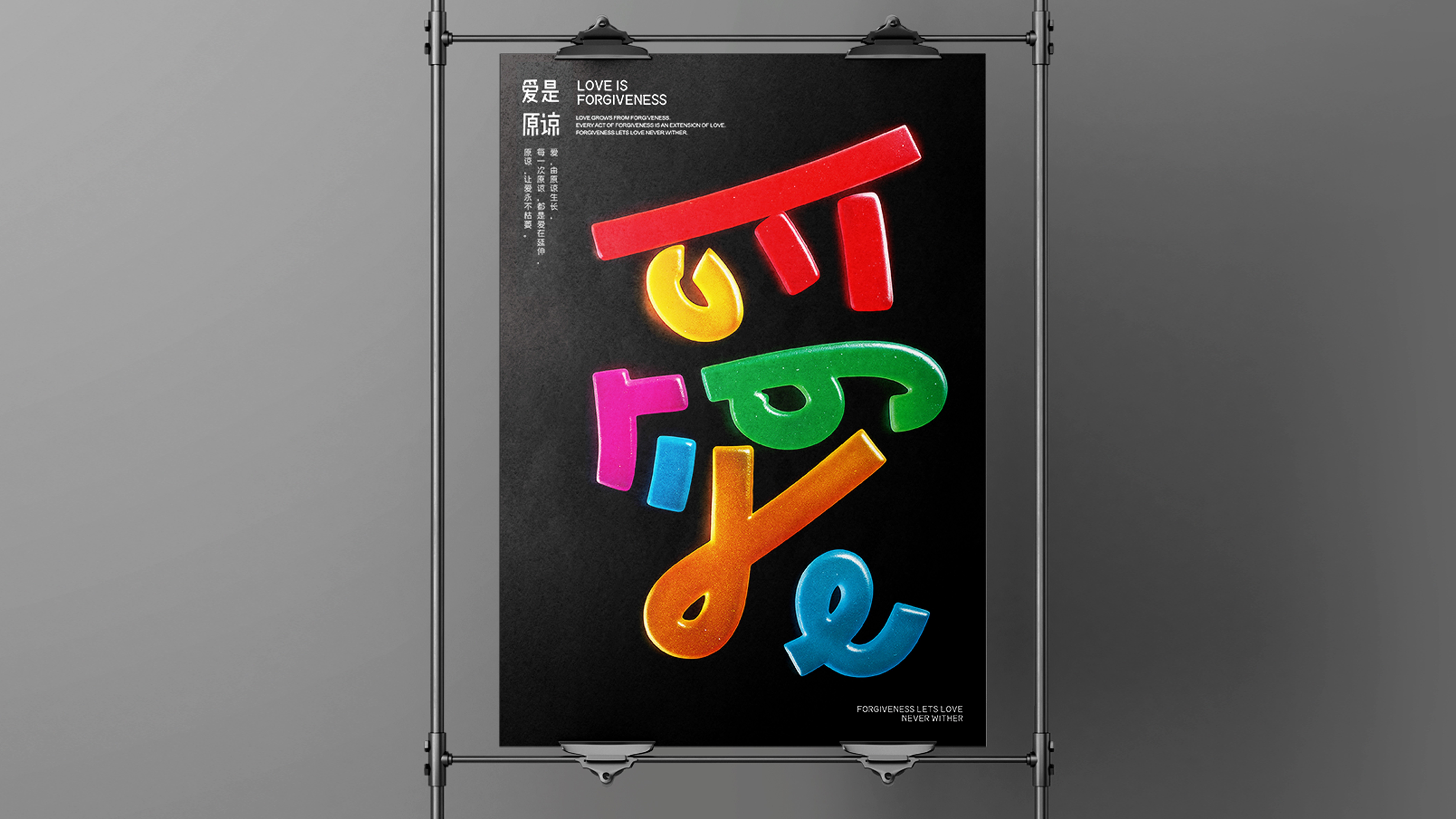
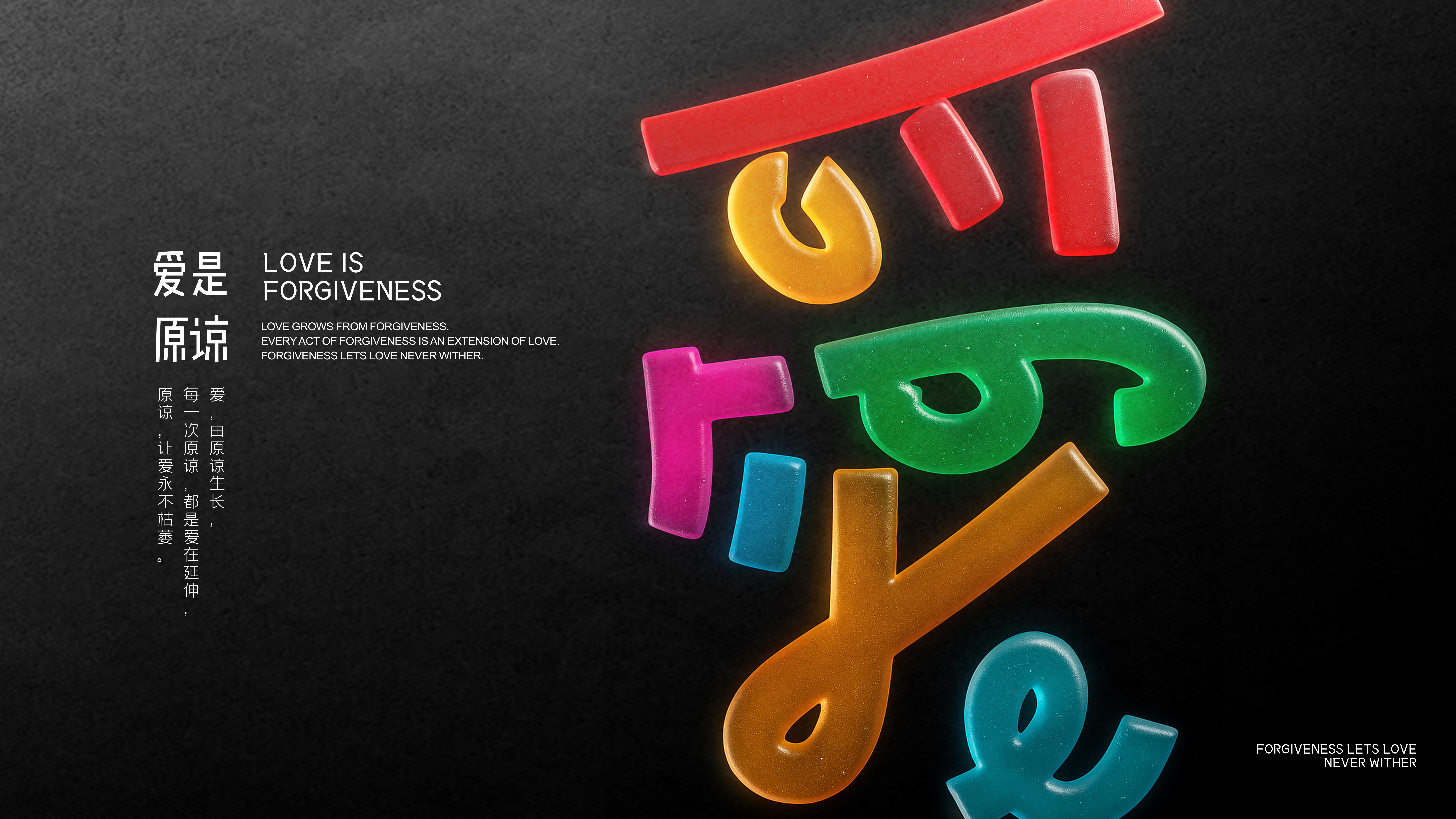
Image Credits
Qichao An