


Today we’d like to introduce you to Davvon Branker.
Hi Davvon, we’re thrilled to have a chance to learn your story today. So, before we get into specifics, maybe you can briefly walk us through how you got to where you are today?
I’ve always wanted to be a photographer. It’s something that feels natural to me—something that not only brings me joy but also connects me to the people around me. My mother was the family archivist, always capturing celebrations and even the quiet, everyday moments. Photography has shaped how I see myself and my place in the world.
Some of my earliest memories are of flipping through family photo albums, studying each image, learning names—figuring out who was who. The cousin, the auntie, the uncle—piecing together our lineage through photographs. My family is Trinidadian, and social events like Carnival have deeply influenced how I understand myself and my culture.
At first, photography felt like a way to savor moments for myself, but over time, I realized I was also preserving them for the future—for the next generation who will look at these images the same way I once did.
A little more about me: I was born and raised in Orlando but decided to explore a new city after graduating. I studied at Parsons School of Design in New York, learned a lot, and eventually moved back home just before the pandemic. Coming back was bittersweet—I wasn’t sure what it would mean for me creatively—but I’ve done my best to make the most of it.
Can you talk to us a bit about the challenges and lessons you’ve learned along the way. Looking back would you say it’s been easy or smooth in retrospect?
It definitely hasn’t been a smooth road, but the shifts along the way have brought new things into my life. Moving back home was already an adjustment, but then experiencing a pandemic on top of that changed everything. It forced me to rethink what I wanted, how I created, and how I connected with others.
There were moments of uncertainty—feeling like I had taken a step backward instead of forward. I questioned my path, my creative practice, and what stability even looked like for me. But through that, I found new ways to grow. I leaned into my work, found deeper meaning in the stories I wanted to tell, and reconnected with the essence of why I do what I do.
The struggles weren’t just personal; they were also about navigating a creative career in a world that felt paused. I’ve learned that nothing is truly on hold—things are always shifting, and evolving, and sometimes, the detours lead to the most unexpected opportunities.
Alright, so let’s switch gears a bit and talk business. What should we know about your work?
My work sits at the intersection of memory, identity, and culture. I’m a lens-based artist and photographer, and my practice explores lived experiences, generational memory, and the way history shapes us. I specialize in both post-documentary and conceptual photography, often blending archival imagery with alternative photographic processes to create work that feels tactile and intimate.
I’m known for capturing the in-between moments—the tenderness, the duality of joy and grief, the spaces where personal and collective histories overlap. One of my proudest projects is Laugh An’ Cry Does Live in De Same House, which examines Caribbean legacies within diasporic communities. It’s deeply personal, yet so many people see themselves reflected in it, which means everything to me.
Another project that holds deep significance is Get It And Come Back, which explores migration, social spaces, and the cyclical nature of movement within Caribbean families. The title itself comes from a phrase often heard in my community, referencing the expectation that those who leave will return home, whether physically or through the support they send back. Through this project, I use photography to trace these migrations—both literal and emotional—capturing what is lost, what is carried forward, and what it means to belong across multiple spaces.
What sets me apart is my approach to storytelling. I’m not just documenting—I’m constructing a visual language that highlights narratives that honor Black photographic vernacular and challenge traditional representations of family, memory, and belonging. I want my work to feel like an heirloom, something that future generations will hold onto, just like I did when I flipped through my family’s photo albums as a child.
Can you talk to us a bit about happiness and what makes you happy?
Resting—when I need to—makes me happy. Knowing my limits and understanding when to push myself and when to pause is something I’ve learned to appreciate. Being out in nature has always brought me a sense of calm, too. There’s something about fresh air, open space, and the quiet that resets me.
Honestly, even simple things like staying hydrated make a difference. Taking care of my body, listening to what it needs—it’s always the first indicator of how I’m really doing. When I’m in tune with myself, everything else feels a little lighter.
Contact Info:
- Website: https://kierrabranker.com
- Instagram: https://www.instagram.com/kierra.davvon
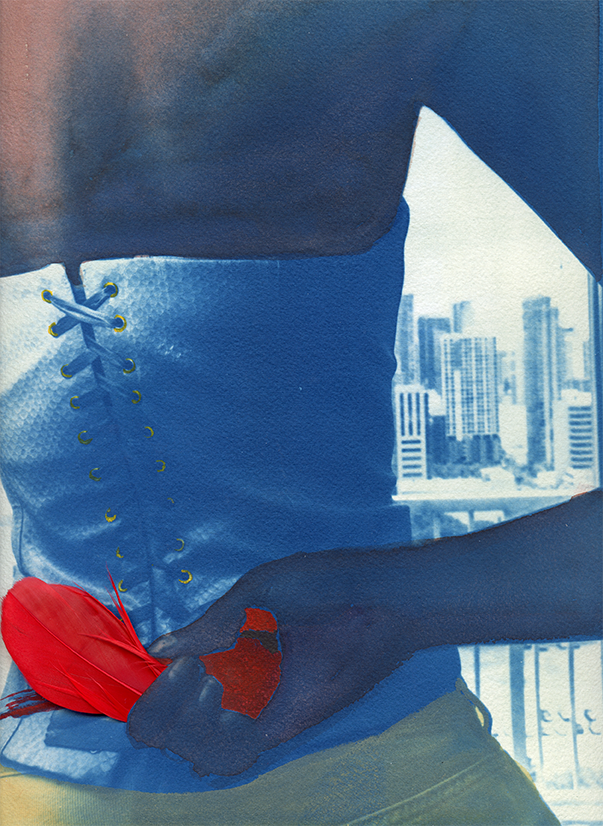
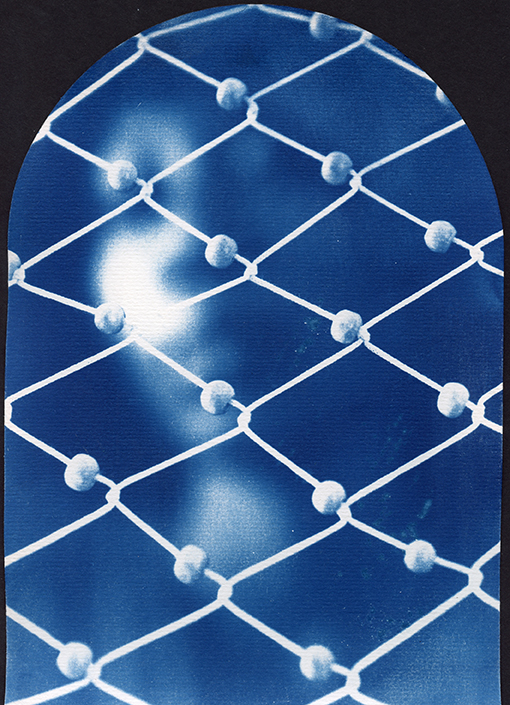
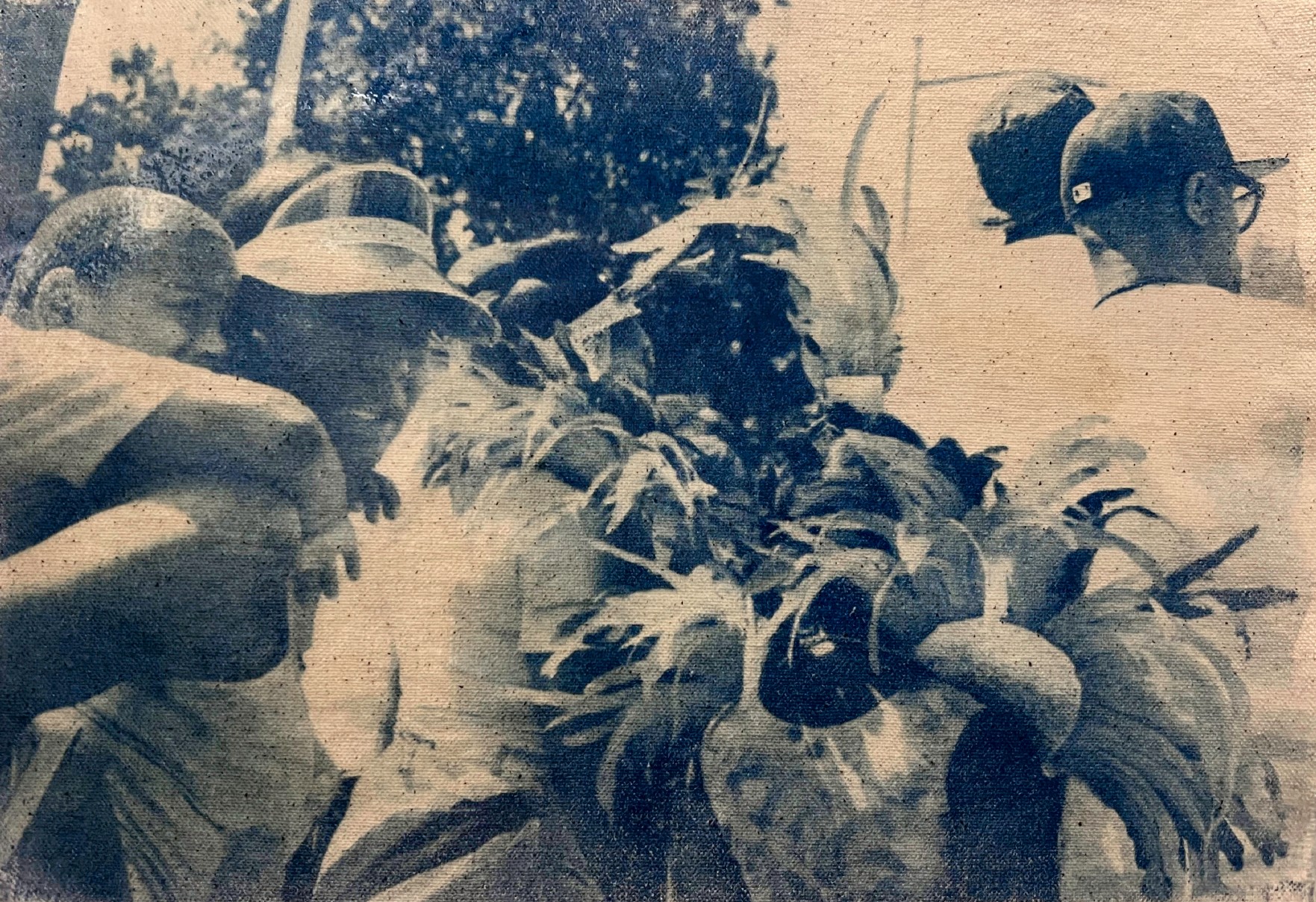
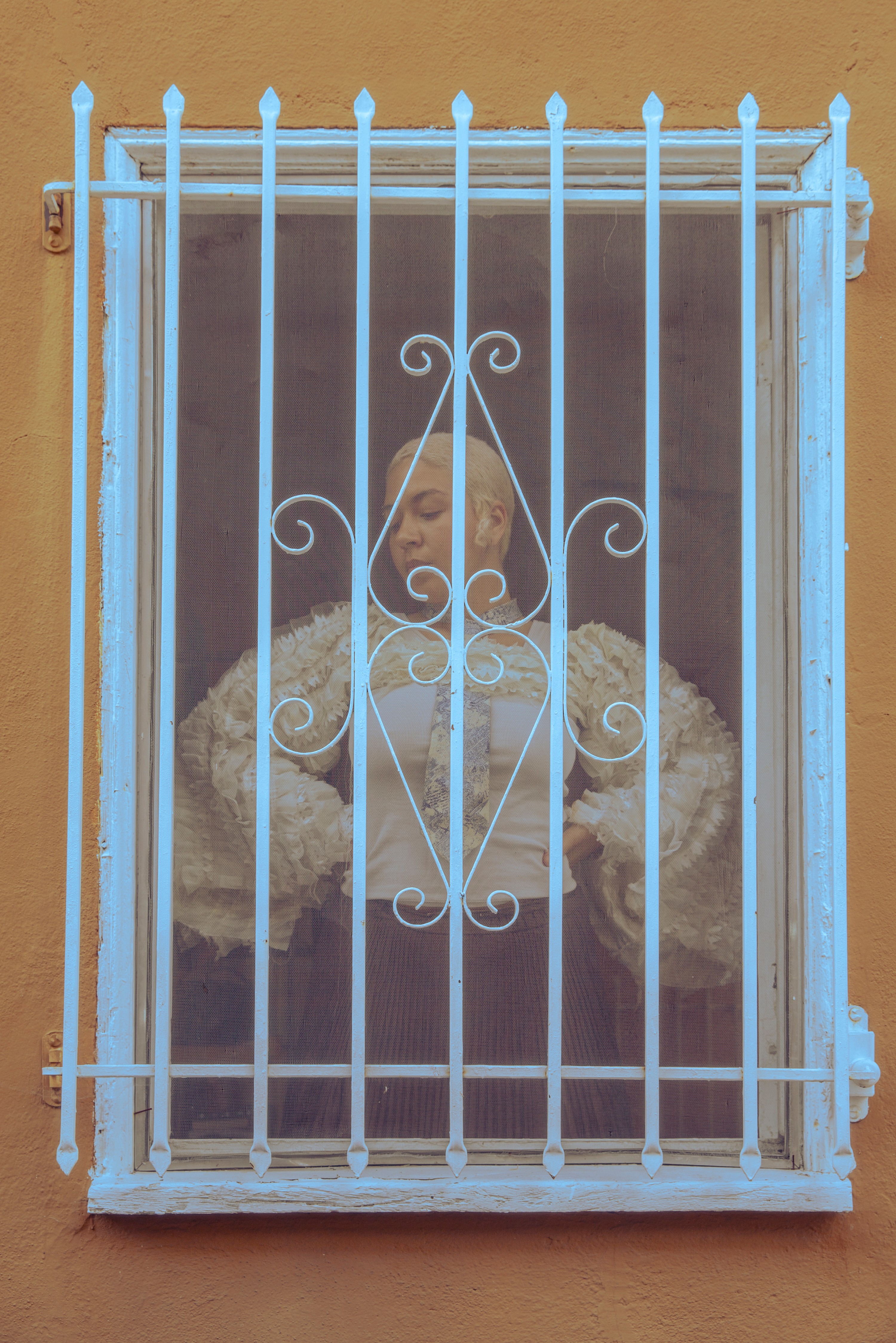

Image Credits
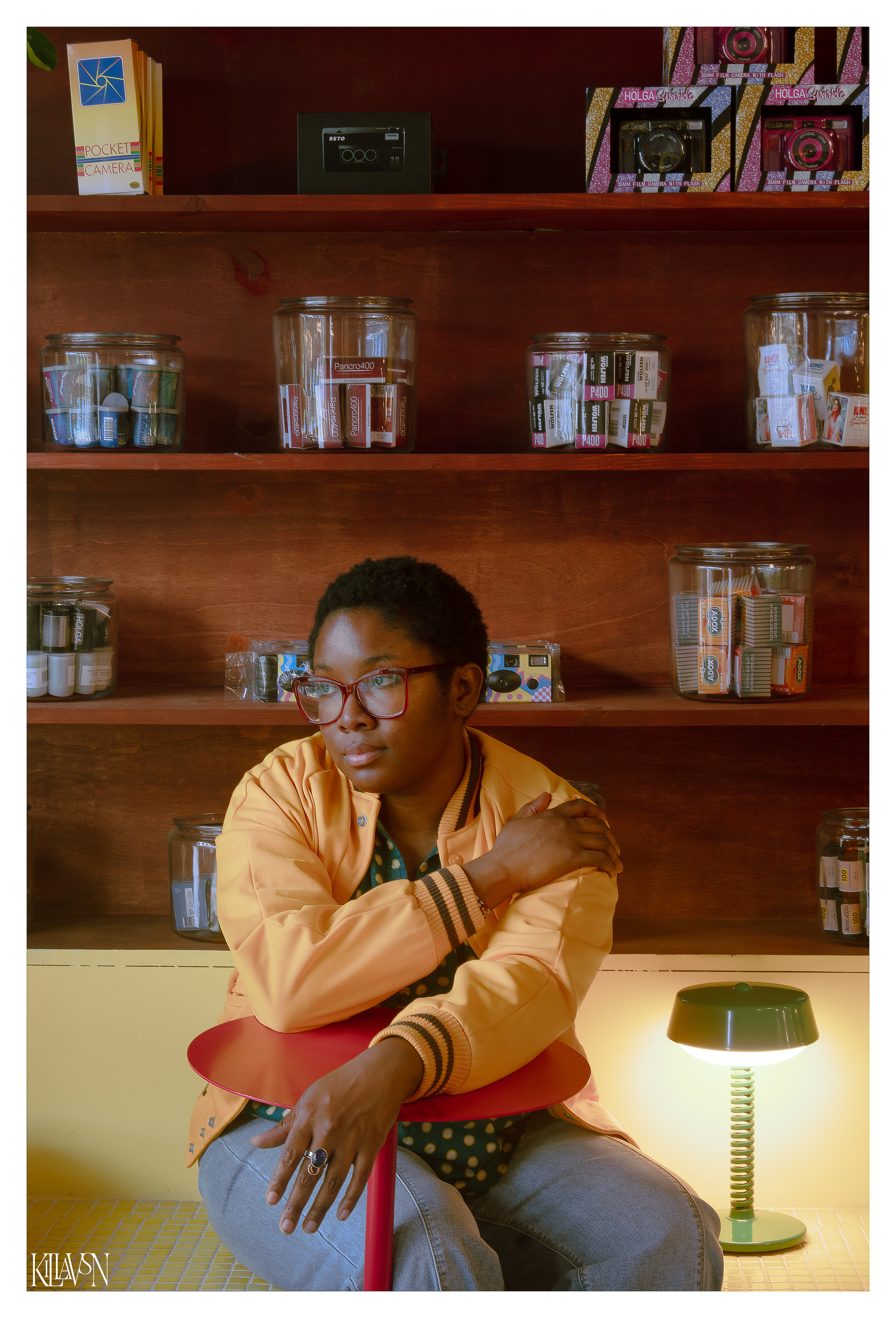
Headshot image by @killavsn