



Today we’d like to introduce you to Caroline Chomanics.
Hi Caroline, please kick things off for us with an introduction to yourself and your story.
My first experience with the environmental world was a special one. In my small town of Gotha, Florida, I wandered cemetery streets and passed horse farms to find myself in what I thought was a local forest. I rode my bike down a forested garden path and saw a large white 1880s house in the distance. I was approached by the Caretaker of the property, who offered to give me a tour. I discovered this magical secret forest was a historic botanical garden called Nehrling Gardens. Expanding seven acres, this was the home and botanical mecca once cultivated by scientist, naturalist, ornithologist, and horticulturist Dr. Henry Nehrling. I immediately fell in love with the vast gardens full of ornamental plants and 100 year old specimens. The Caretaker told me he was leaving at the end of the month. With no experience but an eagerness to learn and grow, they invited my brother and I to move into the grounds, living in Dr. Henry Nehrling’s old historic home. In exchange for our help in the garden, we would be able to live there for free. I was awestruck. At that moment, I felt that my brother and I were called into this field of horticulture, almost in an extraordinary, clandestine way. After discovering this newfound love of my life, I knew it was time to get to work, learn hands-on at Nehrling Gardens, and start Horticulture school at Valencia College. Through my school, I found an internship on a local farm that led me to be hired into the Fleet Farming program of the global nonprofit IDEAS For Us. With time, I taught myself skills such as grant writing, accounting, event planning, and donor stewardship to become Chief Operations Officer of IDEAS For Us.
It wasn’t obstacle-free, but would you say the journey has been fairly smooth so far?
There have been many long, physically demanding days with the brutal Florida heat, blood, sweat, and tears of both joy and exhaustion. One such instance occurred one summer when we experienced a particularly dry and hot July, resulting in an unexpected crop die-off. Within the same week, National Geographic reached out to cover a story on Fleet Farming for their “Paris to Pittsburgh” documentary. Our team quickly amended the soil, devised a game plan, and brought together our community to regenerate one of our micro-farms. This effort allowed us to connect the audience to our program and show what it is like to be an urban farmer. Though this work is physically demanding and funding can be difficult, I wouldn’t have it any other way. What we are building together, as an IDEAS For Us collective worldwide, is creating the world I want to live in—every day.
Let’s switch gears a bit and talk business. What should we know about your work?
My journey as the Chief Operations Officer of IDEAS For Us and Program Director for Fleet Farming has been deeply personal, rooted in a profound passion for community transformation through sustainable practices.
At the core of my mission lies the “lawns-to-farms” movement, an initiative that I’ve poured my heart into, empowering small farmers and reshaping urban landscapes. Through tireless fundraising efforts, I’ve had the privilege of rallying support for these farmers and witnessing their growth and success firsthand. Leading Fleet Farming in Orlando and Sebastian, Florida, has been an enriching experience, as I’ve seen the transformative power of sustainable urban agriculture in action. Additionally, my involvement in eco-action projects across Florida has allowed me to connect with communities deeply, driving positive change from the ground up. Eco-action projects close to my heart include:
- Planting thousands of mangroves.
- Restoring acres of Florida coastline with native plants.
- Aiding in the creation of school/community gardens across Central Florida.
Working alongside the incredible team at IDEAS For Us, I’ve been humbled to contribute to our organization’s growth and development, enabling us to make a tangible impact on a global scale. My journey is driven by a profound commitment to empowering urban farmers, fostering sustainability, and, ultimately, building a brighter, more resilient future for future generations.
Is there something surprising that you feel even people who know you might not know about?
Something surprising that most people might not know is that while I am engaged in urban agriculture and see so much value in local food, I would not call myself a foodie. My love for native plants and animals sparked my passion for supporting local food systems.
I understood the connection of our native environment with the social and environmental consequences of the global industrial food system. The industrial food system has a profound impact on our planet and farm workers alike. For instance, it’s a significant driver of biodiversity loss, with a staggering 75% of the world’s food now generated from only 12 plant and five animal species. Additionally, agriculture accounts for approximately 70% of global freshwater usage, leading to water scarcity in many regions. Furthermore, the industrial food system contributes significantly to greenhouse gas emissions, soil degradation, and the exploitation of farm workers, with millions enduring hazardous working conditions and low wages worldwide. These alarming statistics underscore the urgent need for sustainable alternatives to the industrial food system that prioritizes environmental stewardship and social justice.
The industrial food system is responsible for significant food waste, with approximately one-third of all food produced globally being lost or wasted each year. This waste exacerbates hunger and food insecurity and contributes to environmental degradation through methane emissions from landfills. Additionally, intensive agriculture practices contribute to deforestation, with estimates suggesting that around 80% of global deforestation is driven by agricultural expansion, particularly for commodity crops such as soy, palm oil, and cattle ranching. Chemical fertilizers and pesticides in industrial agriculture pollute waterways and threaten aquatic ecosystems, leading to declines in fish populations and biodiversity loss.
For these reasons and more, I feel called to take action for our environment. By supporting shorter supply chains in our food system we can support our local farmers. By advocating for and engaging with local farmers, we can promote regenerative agricultural practices, reduce carbon emissions from food transportation, and support vibrant local economies. It’s possible to create a more resilient and equitable food system that nourishes people and the planet for future generations.
Contact Info:
- Website: https://ideasforus.org/, https://fleetfarming.org/
- Instagram: https://www.instagram.com/fleetfarming
- Facebook: https://www.facebook.com/fleetfarming
- Linkedin: https://www.linkedin.com/company/fleet-farming/, https://www.linkedin.com/company/2775544/
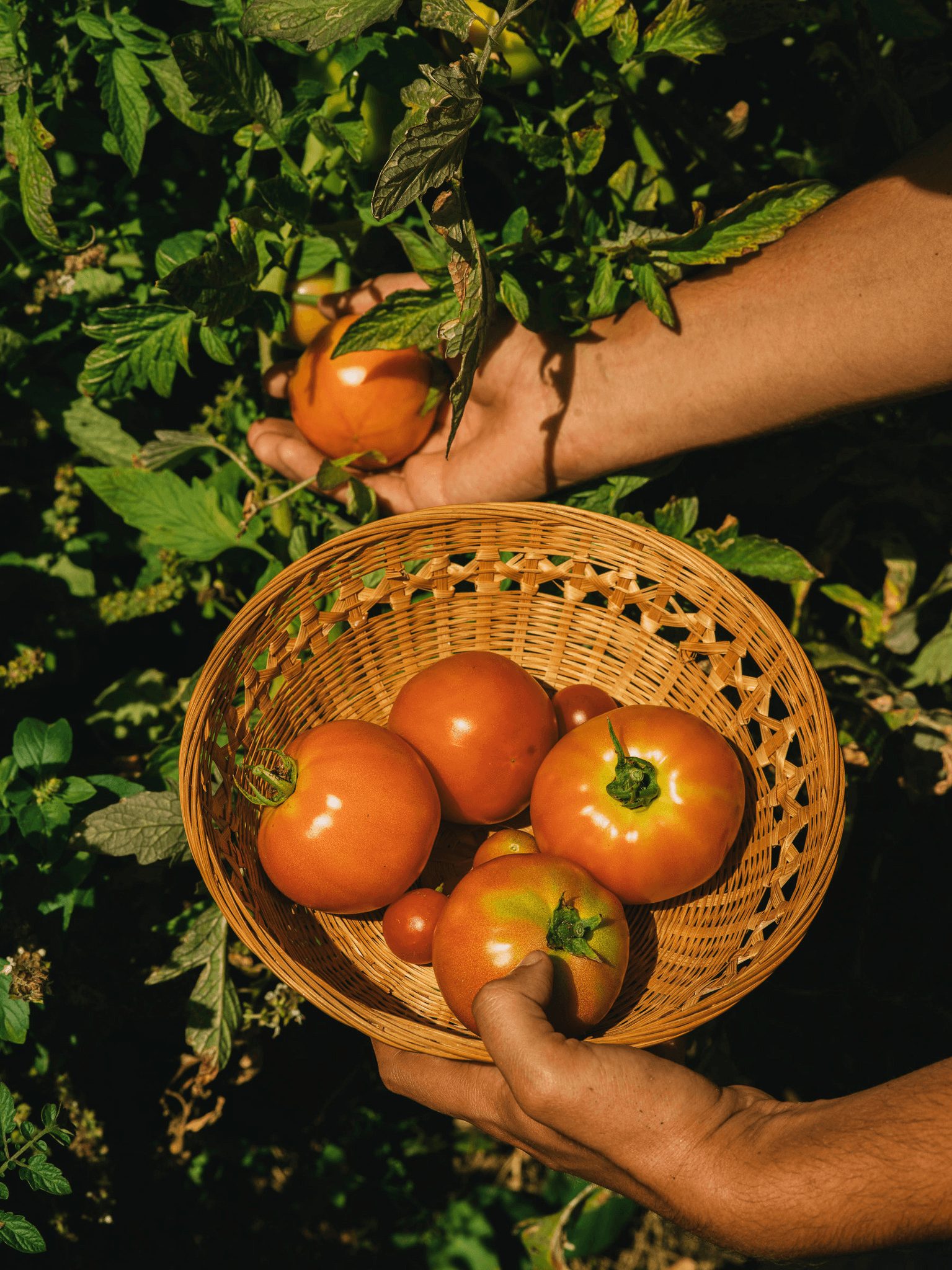

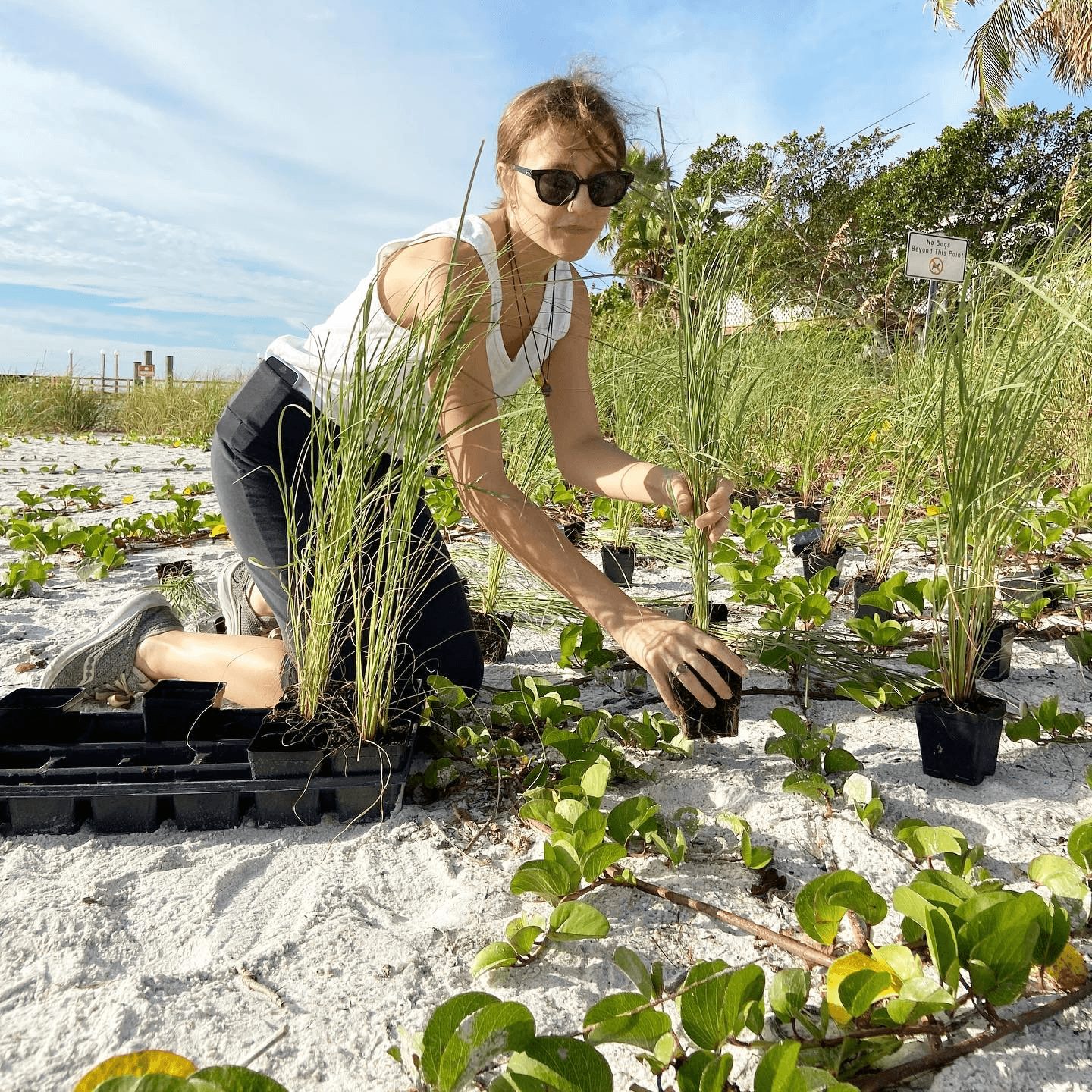

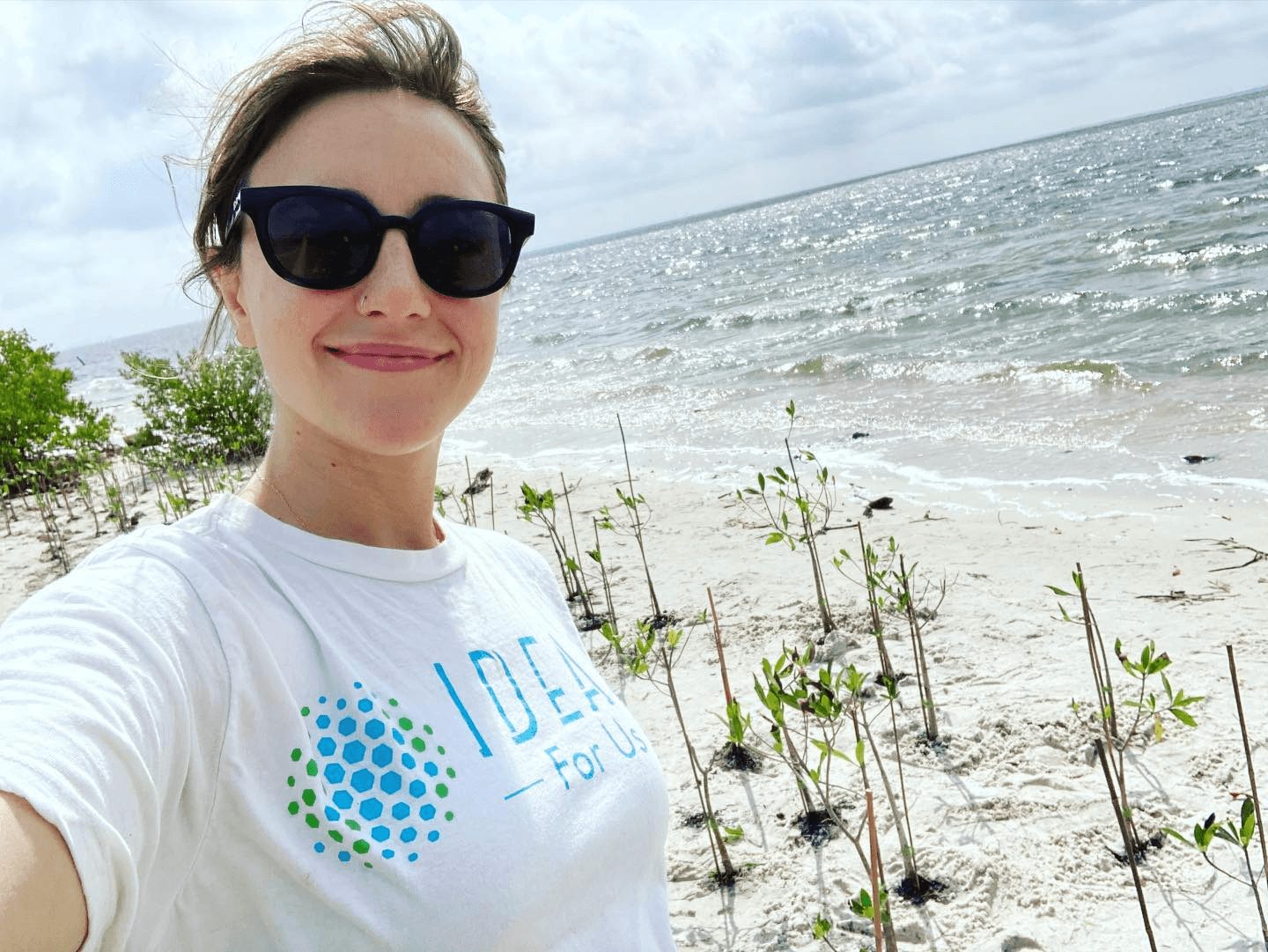

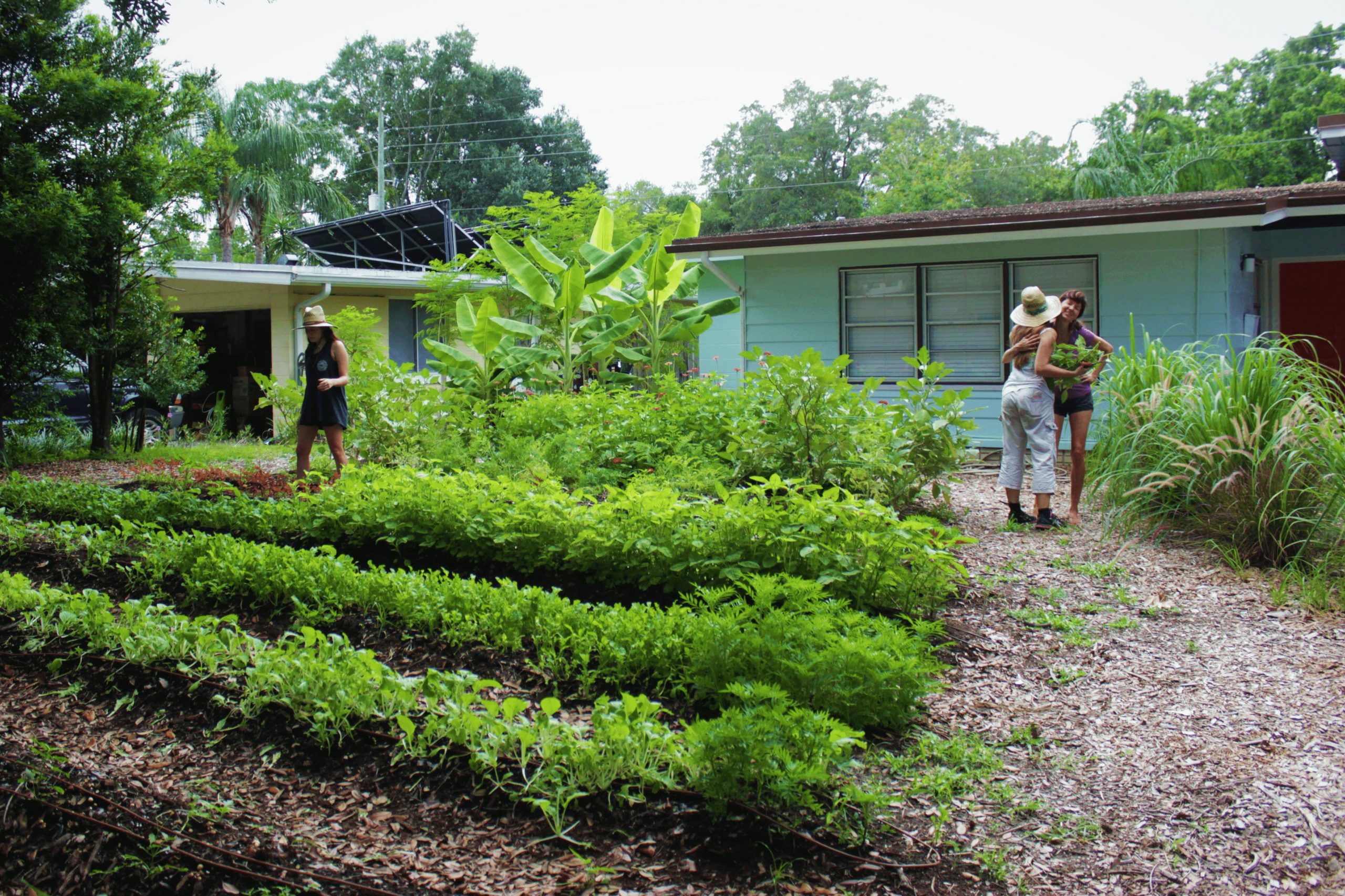
Image Credits
IDEAS For Us Inc.