


Today we’d like to introduce you to David Hill.
Hi David, so excited to have you with us today. What can you tell us about your story?
My name is David Hill and in September 2014, at the age of 34, my life changed forever. While celebrating a friend’s wedding in Alabama, I dove into a pool and struck my head on the opposite wall, instantly breaking my neck. I woke up three weeks later in a hospital, terrified and unable to move or speak. I had suffered a C4/5 spinal cord injury, leaving me a quadriplegic and dependent on a ventilator to breathe. The active, independent life I had built was gone in an instant.
Before my injury, I was born and raised in Orlando, where I attended Catholic school through 8th grade and later graduated from Bishop Moore High School. I chose to stay close to home for college, earning a degree in Business Administration from the University of Florida. After graduation, I built a successful career as a real estate appraiser with Wells Fargo. My days were filled with the things I loved—playing sports, working out, riding my motorcycle, and living an active lifestyle. But above all, I treasured time with family and friends, especially cheering on the Florida Gators at football games. Life was good—I was truly living my dream.
But after the accident, everything changed. I spent months in the hospital and rehabilitation centers, faced countless setbacks, and ultimately returned home without the ability to walk, breathe independently, or care for myself. During one of my darkest moments, I lost not just my physical strength, but my relationship, independence, and any clear sense of future. The grief was overwhelming—but I refused to let that be the end of my story.
Determined to fight back, I began researching recovery options and found NextStep Orlando, a specialized therapy center for people with spinal cord injuries. Within two months of training at NextStep, I was off the ventilator. After six months, my diaphragm was fully functional again. But what truly changed my life wasn’t just the physical recovery—it was the community. Being surrounded by others with similar challenges gave me purpose, strength, and friendship in ways I never expected. That mental and emotional support has been just as important as the therapy itself.
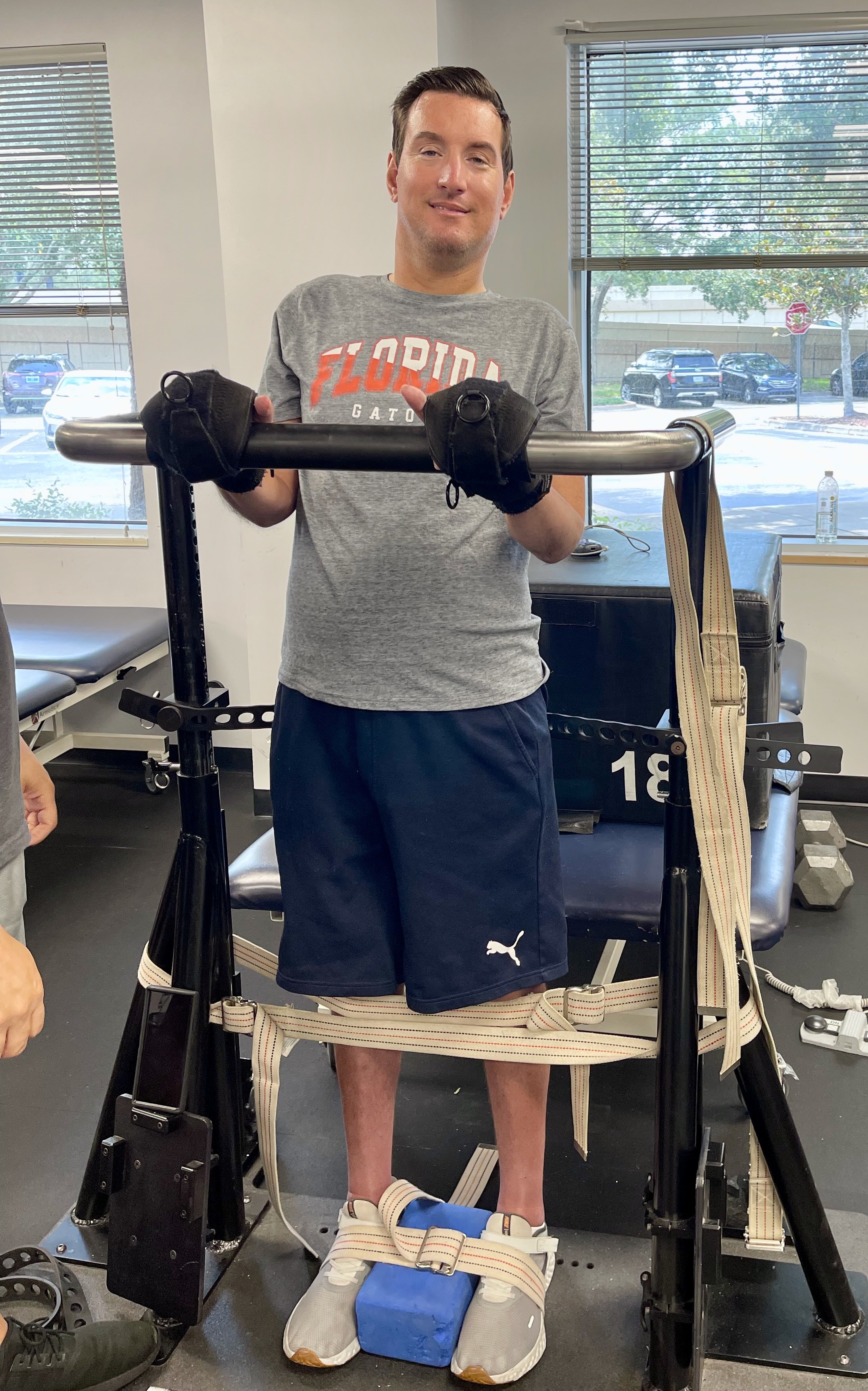
I’ve worked tirelessly over the years, regaining core strength, building stability, and making progress I once thought impossible. I can now stand with minimal assistance and continue to push forward with unwavering determination. Along the way, I’ve documented my journey online, originally to keep friends and family updated—but I soon realized my story was inspiring others with similar injuries. One message in particular changed everything: a woman told me that my videos saved her life. She had been contemplating suicide, but watching my fight gave her the strength to keep going.
That moment made me realize this journey wasn’t just about me anymore.
In 2024, I was honored to join the Board of Directors at NextStep Orlando and lead the Ambassador Program. In this new role, I’m working to empower other clients to share their own stories, building a network of hope and resilience. The goal is to reach more individuals with spinal cord injuries or neuromuscular disorders—showing them that therapy can transform not just the body, but the mind and spirit. By sharing real stories of recovery and community, we’re helping others take that first, often terrifying, step toward healing.
NextStep gave me more than therapy—it gave me purpose. And now, as a board member, I’m proud to help bring that same hope and opportunity to others. This isn’t just my journey anymore. It’s ours.
Alright, so let’s dig a little deeper into the story – has it been an easy path overall and if not, what were the challenges you’ve had to overcome?
The physical reality of being a quadriplegic is brutal—imagine not being able to scratch your face, sit up in bed, or even take a deep breath without assistance. But the emotional and mental toll was even heavier. I lost my independence, my relationship, and the future I had always envisioned. The loneliness was suffocating. You go from being surrounded by friends and family to sitting in silence for hours, isolated by the very fact that you can’t just get up and go.
One of the most difficult parts of this journey has been the constant fight to access the therapy I need to recover. I began with standard physical therapy, but soon hit a devastating roadblock—my insurance company determined I wasn’t making “enough” progress and cut off coverage. That decision felt like a second injury. It was around that time I discovered NextStep Orlando, a specialized facility dedicated to spinal cord injury recovery. Within just two months of working with their team, I was able to come off the ventilator. By six months, my diaphragm was functioning fully on its own. The progress I made there was nothing short of life-changing.
Spinal cord recovery isn’t fast—it’s measured in inches, not miles. Just being able to stabilize my torso, or stand with help, took years. But insurers want quick results, and when they don’t see them, they pull the plug. So now I pay out of pocket—$100 per hour—for the only treatment that’s ever helped me regain anything. I live on a fixed disability income, so every session I attend is only possible because of donations and fundraisers. I would go every day if I could afford it. Instead, I go as often as I can, knowing that each session brings me closer to a stronger, more independent life.
Over the years, I’ve made progress many thought impossible. I can now stand with minimal assistance, lock out my legs, and stabilize my upper body. I continue working out multiple times a week and recently underwent nerve surgery to hopefully regain arm movement. But this progress didn’t come easy. It came through years of struggle—physical pain, financial pressure, emotional lows, and the constant battle to keep going when everything felt stacked against me.
Being a quadriplegic isn’t just a physical condition—it’s a full-time fight. A fight for access, for dignity, for hope. And though it hasn’t been a smooth road, I’m still here. Still pushing forward. Still believing that I can, and will, walk again.
Alright, so let’s switch gears a bit and talk business. What should we know about your work?
In the early days of my recovery, I began sharing weekly videos of my progress online. What started as a way to keep friends and family updated quickly reached people around the world. I was stunned to learn how many others living with paralysis or neuromuscular disorders were watching. One message changed everything—a woman reached out and told me that watching my journey had saved her life. She had been on the brink of giving up, and my story gave her hope.
That moment made me realize that my journey wasn’t just mine anymore—it was part of something bigger.
In 2024, I proudly accepted a position on the Board of Directors at NextStep, taking the lead on our Ambassador Program. Our goal is to raise awareness and spread the message that there is therapy, there is community, and there is hope for those living with paralysis and neuromuscular disorders. We do this by sharing stories—not just mine, but the stories of many other clients at NextStep who are defying odds, regaining movement, and rediscovering purpose.
As an ambassador, I also engage with online communities—Facebook groups and forums for people living with SCI, paralysis, and related conditions—where I regularly share information about available therapy options, resources, and words of encouragement. I tell them what many doctors don’t: Don’t give up. There is still more life to live.
We’ve seen people travel from across the country and even the world to train at NextStep because they see what’s possible. It’s not just about standing or walking again—it’s about reclaiming identity, building resilience, and creating a life of meaning, no matter the circumstances.
My story is just one example of what’s possible. And I will continue sharing it—not for attention, but to shine a light for those still in the dark, waiting to believe in their own recovery.
Risk taking is a topic that people have widely differing views on – we’d love to hear your thoughts.
I’ve taken a few major risks in my life—some planned, others spontaneous—and looking back, each one shaped the person I’ve become. To me, risk isn’t just about gambling on the unknown; it’s about listening to your gut, stepping into uncertainty, and trusting that the payoff—whether success or lesson—is worth it.
One of my earliest risks came right after high school. I wasn’t sure what I wanted to do or where I wanted to go to college. I was torn between staying close to home at UCF or going farther away to FSU. Then, just weeks before fall semester started, a buddy invited me to join him at the University of Florida—on one condition: I had to find two more friends to split a four-person condo. It was a big leap with no clear plan, but I said yes. That decision changed everything. I ended up loving UF, becoming a lifelong Gator fan, and meeting some of my best friends—friends I still go to football games with to this day.
Another major risk came after I had been working for about a year at a real estate appraisal management company. I saw potential to move up the ladder and was comfortable where I was. Then out of nowhere, a friend mentioned my name to someone at Wells Fargo who was looking for real estate appraisers. It was a curveball I didn’t see coming. When I brought it up to my boss, he tried to convince me to stay, saying I had a bright future there. But something in me said to take the leap. I took the risk and accepted the job at Wells Fargo—and it ended up being one of the best decisions of my life. For nearly 10 years before my accident, I worked in a role I loved, with better pay, flexibility, and the freedom to work from home. It felt like I had found the perfect fit.
The third—and one of the most exciting—risks I took was starting a house-flipping business in Charleston with my sister. We had talked about it for a while, and when the opportunity suddenly appeared, we jumped on it. Within a few weeks, we were incorporated, and within a month, we had our first property. That first flip didn’t go smoothly—we had a major flood and thousands in damages—but thankfully, insurance covered it. We barely broke even, but we learned a lot. Our second house was a full renovation, and we hit it out of the park. That success fueled our passion, and for a while, we were thriving. Unfortunately, after my accident, I had to step away from the business. But I haven’t let go of the dream—and I hope to return to it in the future.
Risk has played a huge role in my life. It hasn’t always been easy, and sometimes it’s come with loss or hardship, but it’s also led to some of my proudest moments, greatest opportunities, and most meaningful relationships. To me, risk is where growth happens—it’s where life really begins.
The one major risk I took after my accident was traveling to Thailand to receive an epidural stimulator implanted on my spine in hopes of regaining movement in my legs. At the time, the device was still in the trial phase in the United States, so I found a company in Bangkok that had only been operating for only a few years. I would be one of their earliest patients.
What I didn’t expect was to be rushed into surgery the very next morning after arriving—treated by a medical team that spoke very little English. It was a nerve-wracking experience. But as it turned out, the lead surgeon was one of the top in the country, even serving as a doctor to the Thai royal family, with an outstanding reputation.
In the end, taking that leap of faith turned out to be one of the best decisions I’ve ever made. The stimulator has accelerated my recovery by more than half. With it on, I can now lock out my legs and even stand almost completely on my own. None of this would have been possible without taking the risk of traveling across the world to undergo a procedure involving an unproven device.
Pricing:
- $100 hour for therapy at Nextstep
Contact Info:
- Website: https://linktr.ee/dhillstrong
- Instagram: https://www.instagram.com/dhillstrong/
- Facebook: https://www.facebook.com/hillstrong/
- LinkedIn: https://www.linkedin.com/in/dhillstrong/
- Twitter: https://x.com/dhillstrong1
- Youtube: https://www.youtube.com/@dhillstrong
- Other: https://www.nextstepfitness.org/about-nextstep-orl/
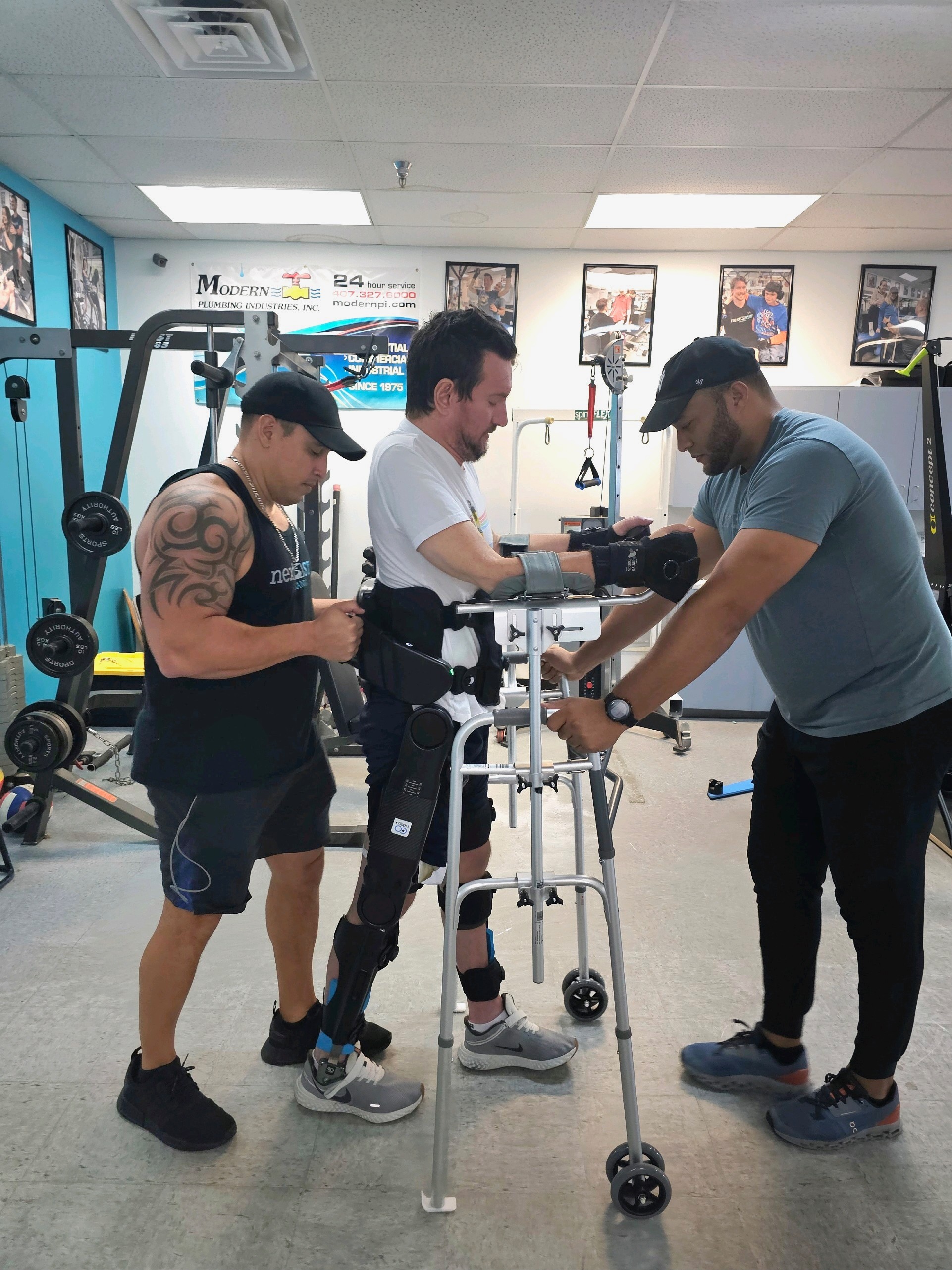
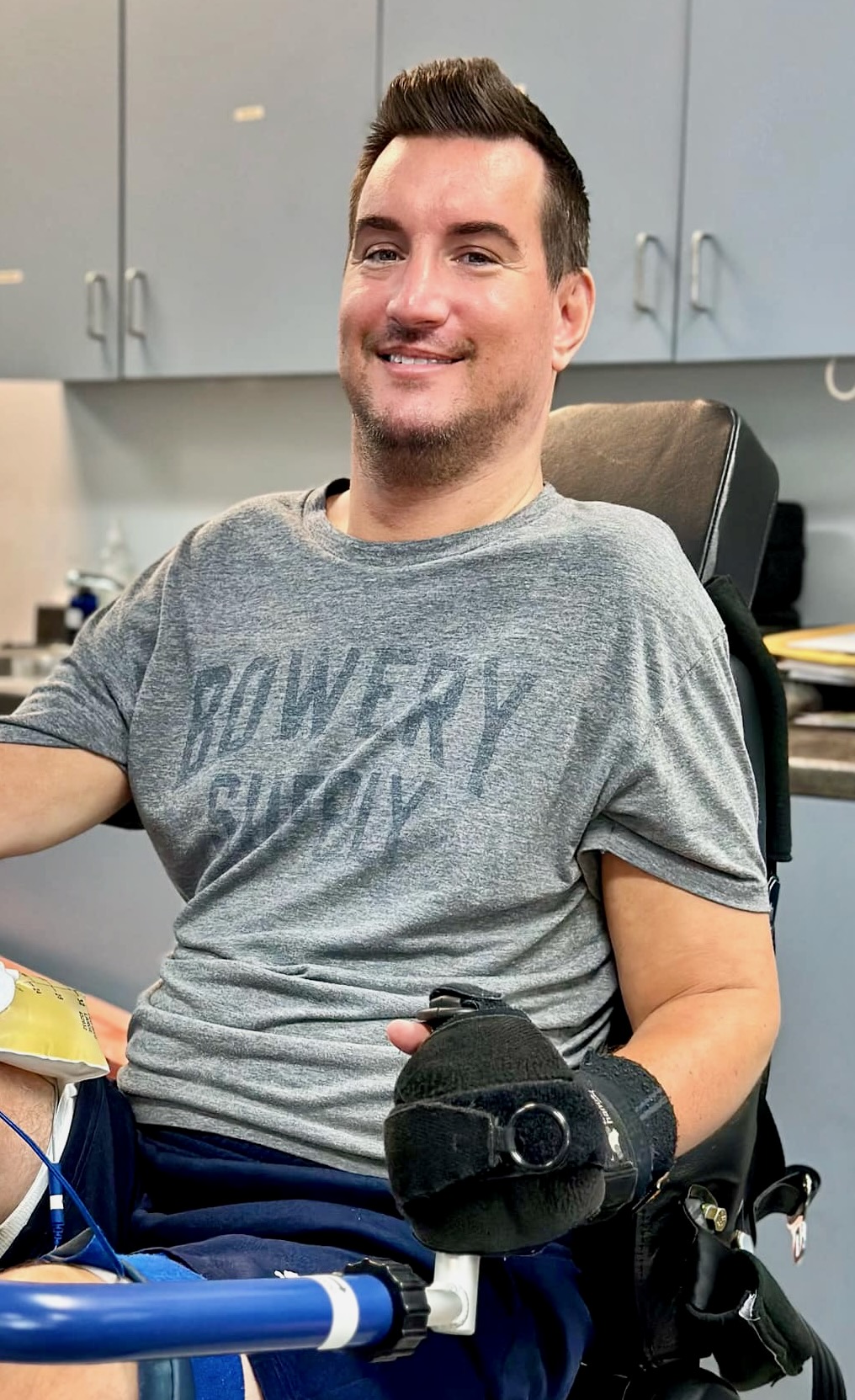
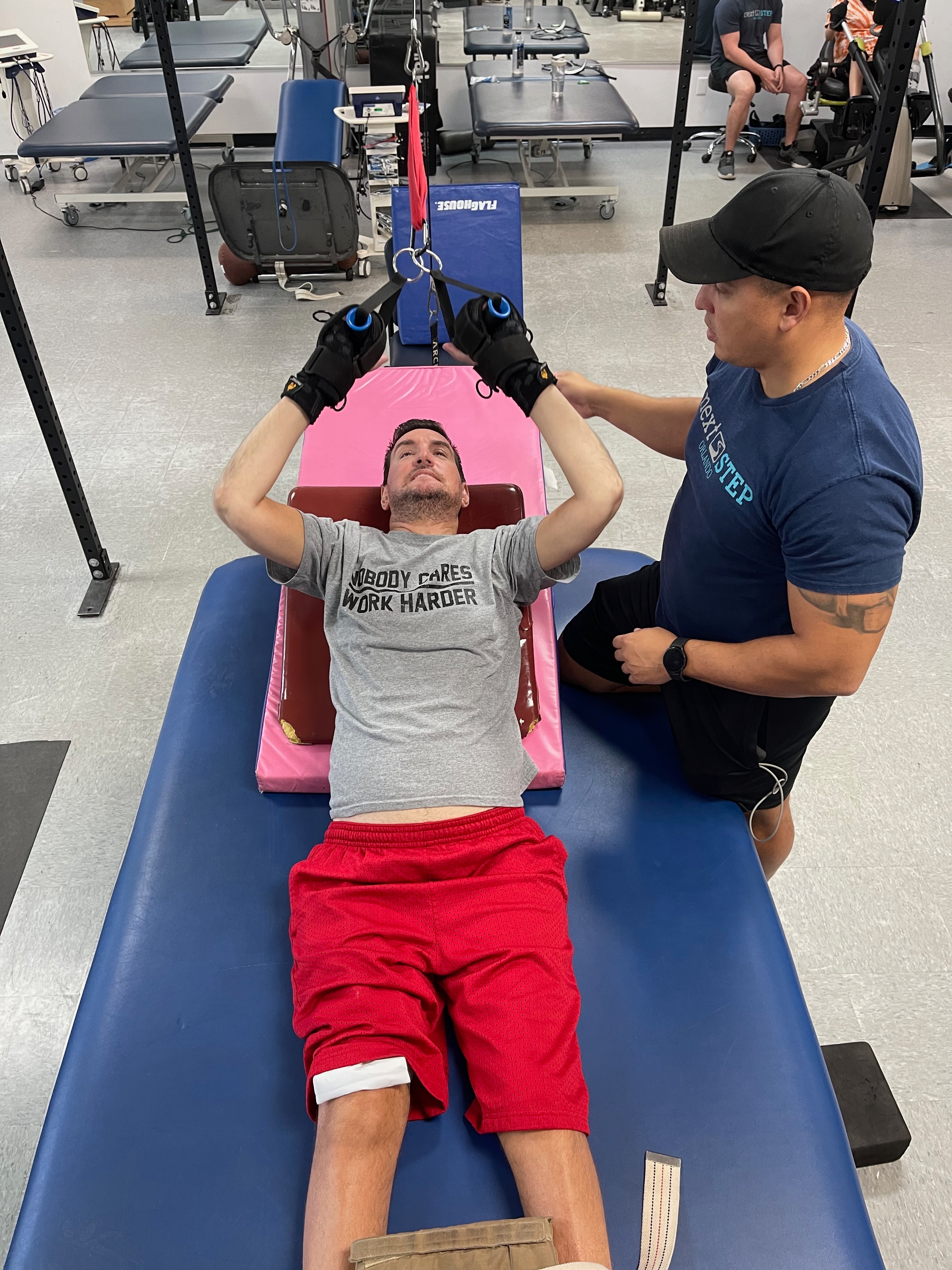
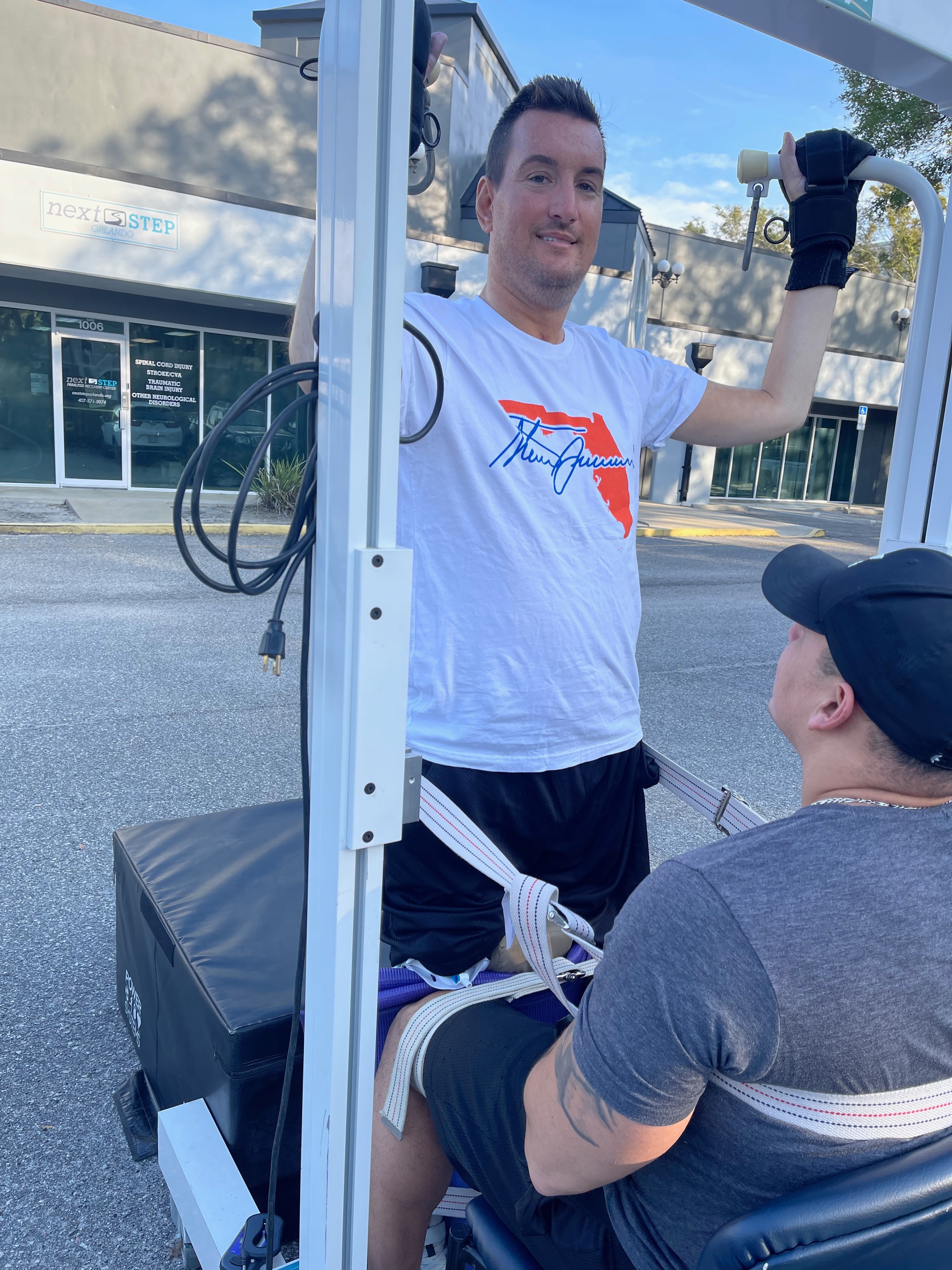


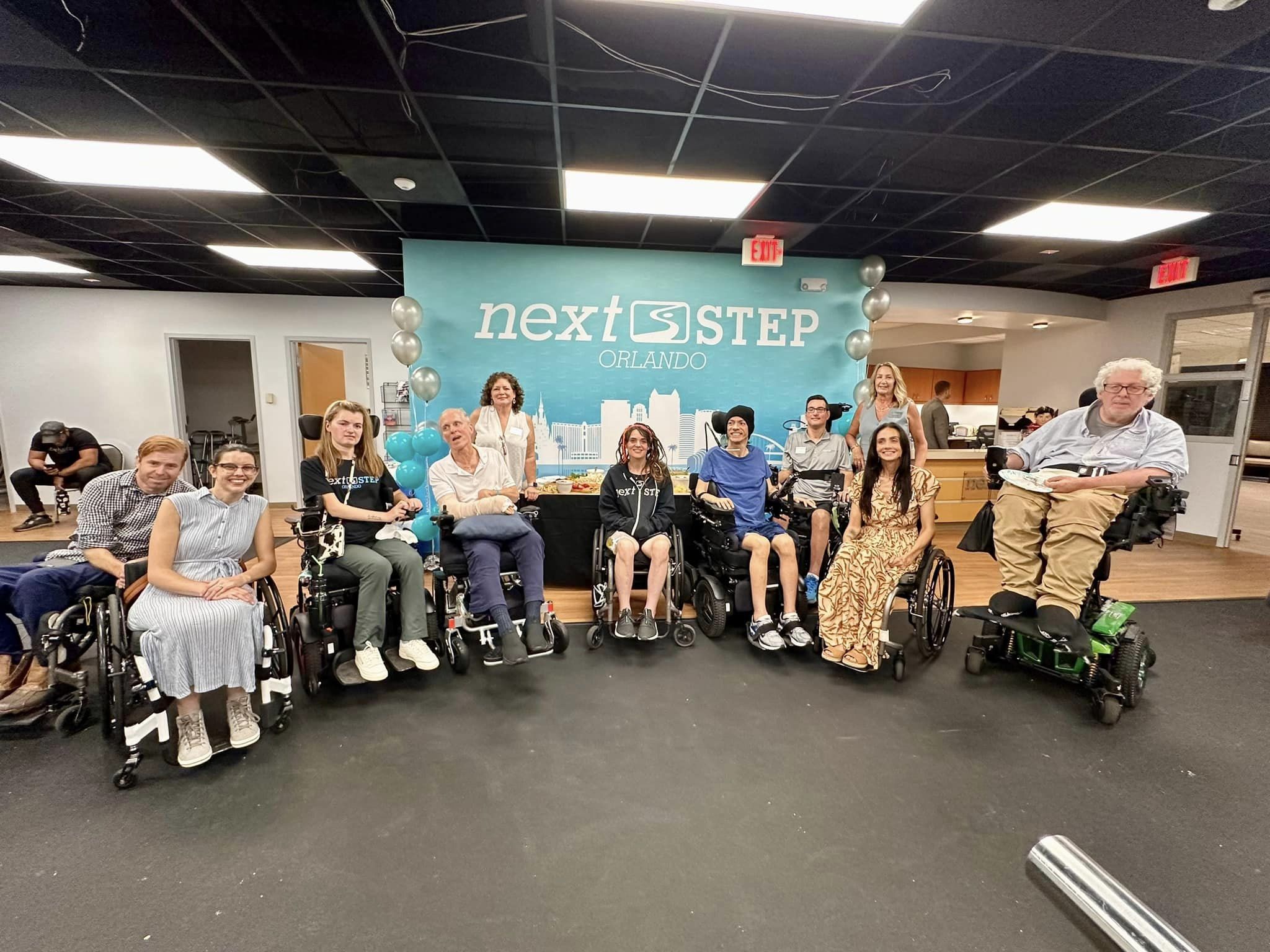
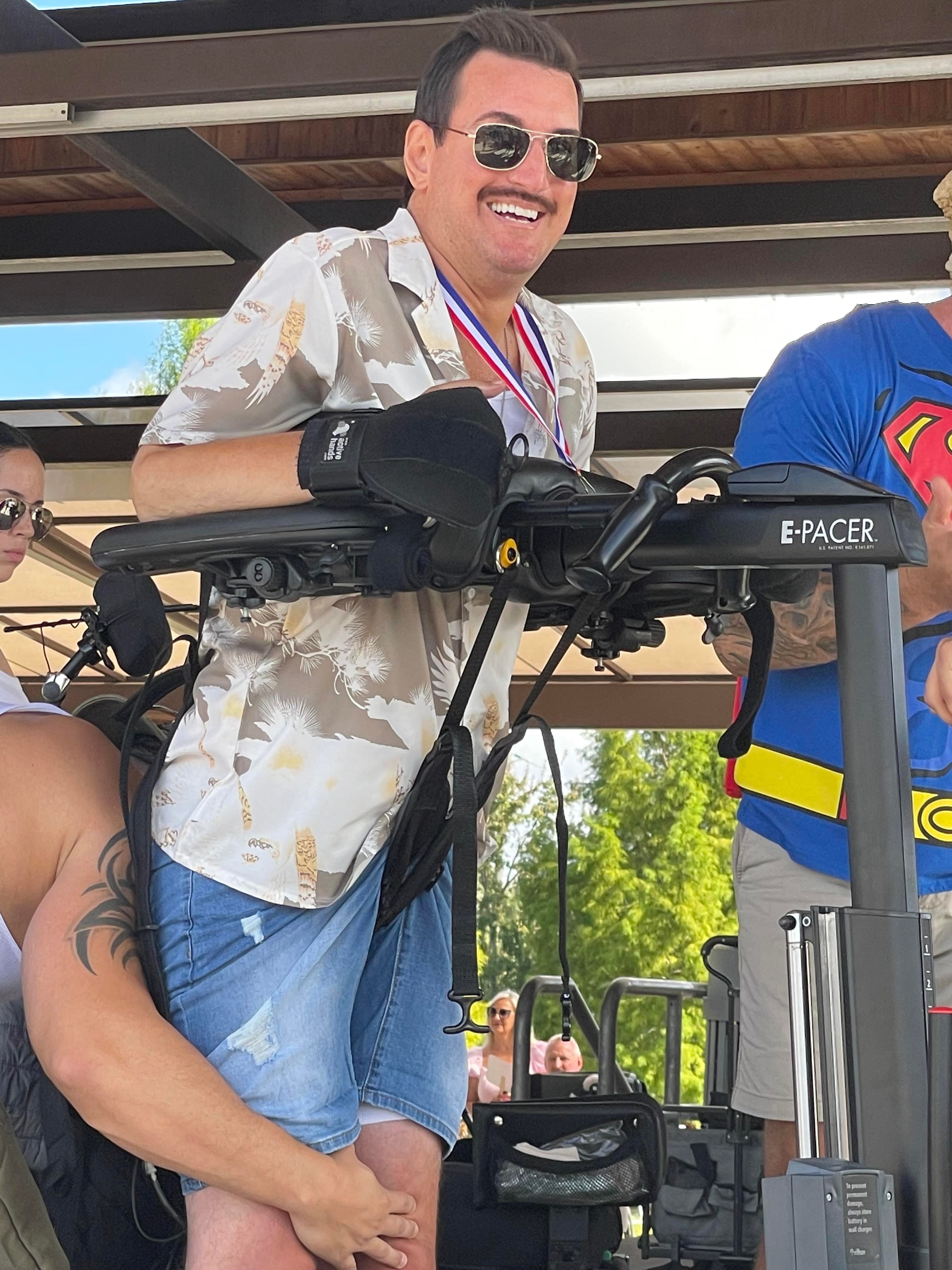
Image Credits
The group photo is from Nextstep Orlando grand opening