


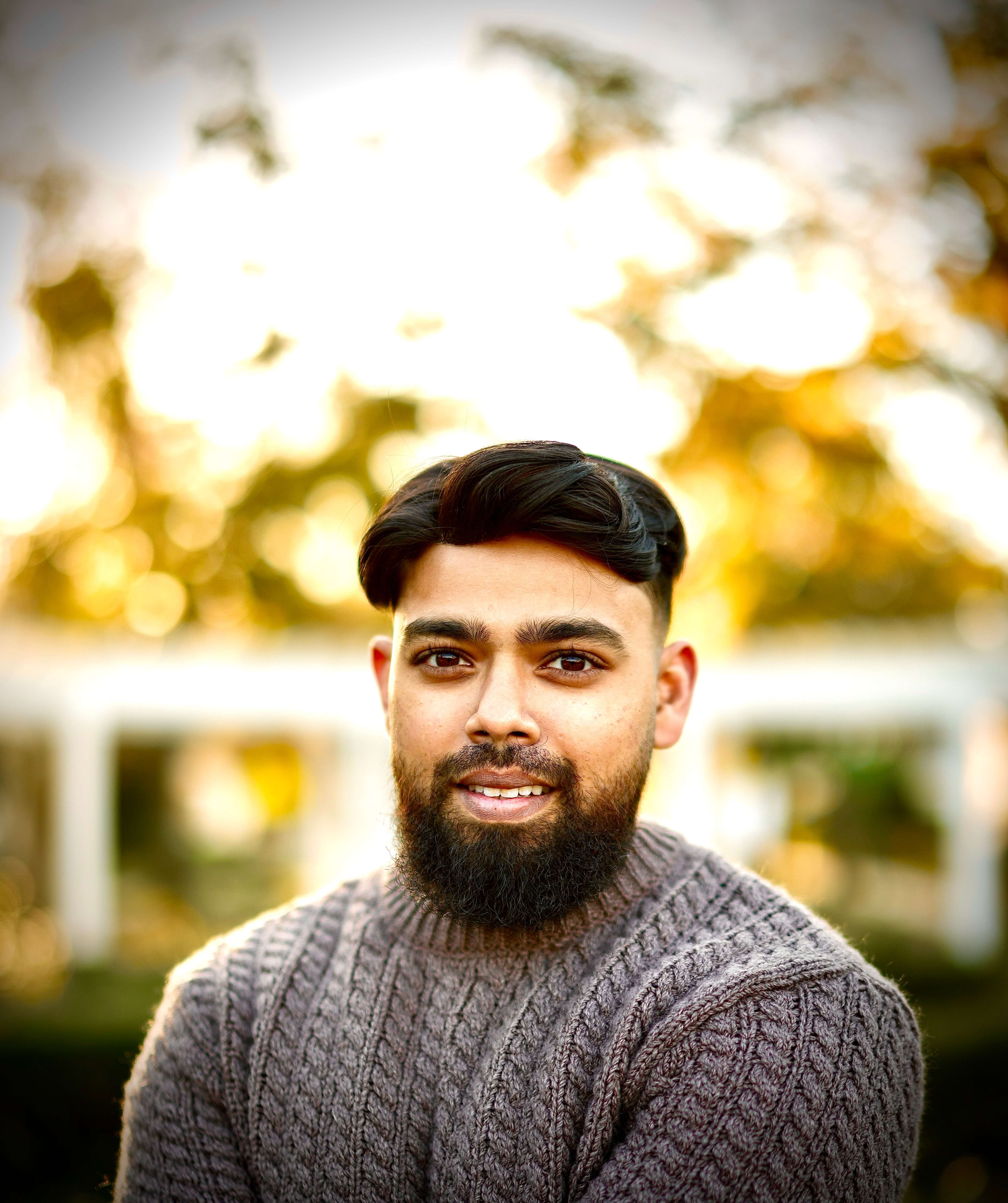
Today we’d like to introduce you to Aynzib Chowdhury.
Hi Aynzib, we’re thrilled to have a chance to learn your story today. So, before we get into specifics, maybe you can briefly walk us through how you got to where you are today?
I actually found my way into mental health by accident. During my gap years while preparing for PA school, I started working at a community mental health center. That’s where I first discovered psychology and psychotherapy, and how much our behavior, environment, and life experiences shape the way we see the world.
I quickly realized how natural this work felt for me and how much meaning it gave me. Over time, I made the big decision to step away from PA school and fully pursue psychology instead.
Seven years later, after graduate school and years of experience, I’m now a licensed psychotherapist running my own practice. My journey has also been deeply shaped by my faith and cultural background. I integrate those values into my work, creating space for people to explore not only their thoughts and emotions but also their spiritual and cultural identities.
I feel grateful every day to do work that feels purposeful and to support people in finding healing, strength, and connection in their lives.
I’m sure it wasn’t obstacle-free, but would you say the journey has been fairly smooth so far?
It definitely hasn’t been a smooth road. Shortly after I started my graduate program, Covid hit and everything shut down. I had to quickly adjust to a whole new way of living and learning while balancing full-time work, a full-time course load, and my practicum. It was overwhelming at times, and I wasn’t really prepared for it.
During that same period, my dad became ill and was diagnosed with cancer. Being a caregiver while also trying to hold everything else together was incredibly difficult for me and my family. I also got married during that time, which brought both joy and its own set of adjustments.
Not long after, my dad passed away. Walking through that loss was one of the hardest experiences of my life, and it challenged me in ways I could never have anticipated. Looking back now, though, those experiences deepened my compassion and shaped the way I show up for others in their own struggles.
Thanks – so what else should our readers know about INQ MindCare?
My practice is built on a simple but powerful motto: compassionate care for people who have suffered deeply. Many of my clients carry wounds from childhood, difficult relationships, friendships, or even through experiences as medical professionals. I specialize in working with trauma, particularly PTSD and complex trauma, as well as personality disorders, relational struggles, and generalized anxiety, all through a culturally sensitive lens.
As a minority, I witnessed firsthand how mental health was often treated as taboo in many communities. That experience shaped my commitment to normalize seeking help and to frame it as an act of courage and strength, especially for men and trauma survivors who may have never realized therapy was even an option.
What also makes my practice unique is the way I integrate Islamic principles into care for clients who come from that background. INQ Mindcare is rooted in the concepts of insight (inspired by the Qur’anic call to “iqra,” or to reflect and learn), nafs (the inner self and the struggles within), and qalb (the heart, as the center of both pain and healing). These principles guide the therapeutic process, offering not just psychological but also spiritual grounding for those who value it.
What I am most proud of brand wise is that INQ stands for healing, resilience, and accessibility. We aim to make therapy available to those who might feel overlooked or uncertain about whether help is for them. At its core, my practice exists to remind people that healing is possible, and that seeking it is not weakness, it is strength.
So, before we go, how can our readers or others connect or collaborate with you? How can they support you?
People can reach me through the contact form on my website or by simply calling my practice. Beyond individual sessions, I stay closely connected with the community by offering workshops and psychoeducation, especially for groups like firefighter crews and healthcare staff who often carry heavy emotional burdens. These gatherings are a chance to talk openly, share tools, and create safe spaces for healing conversations.
One of the most meaningful ways to support this work is by looking out for one another. If you notice someone who is struggling, remind them that help is available and that reaching out is a sign of courage, not weakness. Sometimes a gentle word of encouragement or sharing a resource can open the door to healing for someone who feels alone.
Contact Info:
- Website: https://inqmindcare.com
- Instagram: https://www.instagram.com/inqmindcare/?igsh=dGNmcDR5bTJrdHlh&utm_source=qr#