



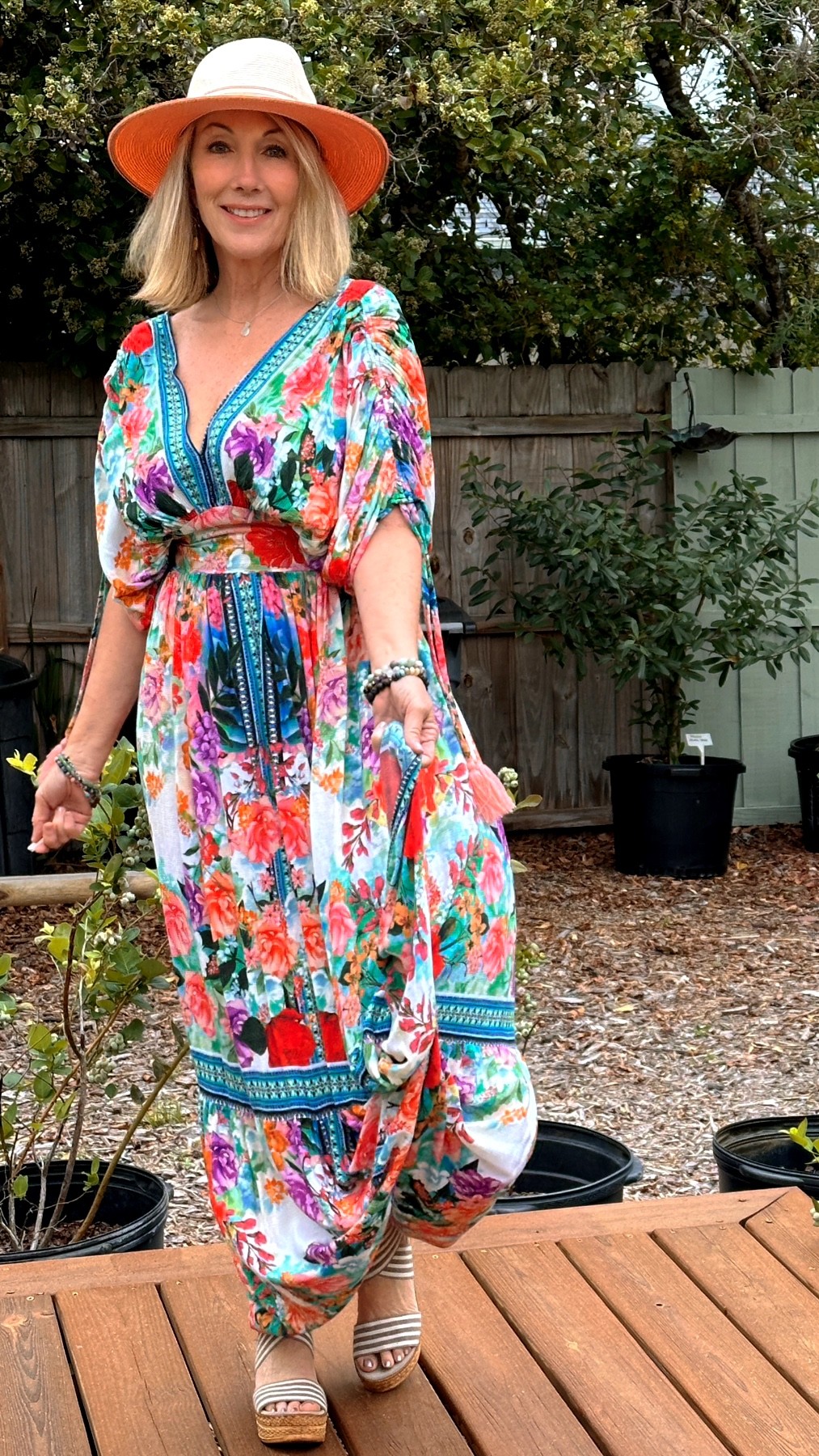
Today we’d like to introduce you to Katie Kamala Haley.
Hi Katie Kamala, thanks for joining us today. We’d love for you to start by introducing yourself.
The idea for the Pineapple Peace Garden began as a deeply personal vision rooted in my lifelong love for plants, healing, and education. After decades of working as an integrative therapist and herbalist, I wanted to create a living classroom — a place where people could reconnect with the earth, learn how to grow their own medicine and food, and feel empowered by nature.
It really started in my own backyard in Florida, where I began planting fruit trees, herbs, and flowers in a way that mimicked the natural harmony of a forest. I was inspired by permaculture principles, the healing traditions I studied in places like Peru and India, and the belief that growing food can be a spiritual act — a form of meditation and service.
My motivation came from seeing how disconnected many people had become from their food and from the land. I wanted to offer something hopeful and hands-on, especially for women and families, to show that you don’t need a lot of space or experience to grow abundance. The nonprofit model allows us to offer free and low-cost education, community events, and opportunities for people to get their hands in the soil — and their hearts connected to something bigger.
Can you talk to us a bit about the challenges and lessons you’ve learned along the way. Looking back would you say it’s been easy or smooth in retrospect?
One of the biggest struggles has been financial. I’ve poured so much of my own time, energy, and money into getting the garden off the ground. As a start-up nonprofit, it’s incredibly difficult to find grant funding in the early stages, and I quickly realized how much of the work — from building infrastructure to running programs — would fall entirely on me at first.
Even with decades of experience in herbalism, wellness, and holistic health, there was a steep learning curve. Growing a full backyard food forest is a completely different journey — dealing with the unpredictability of Florida’s hurricanes and droughts, managing soil health, and designing a thriving, balanced ecosystem. Every season brings new lessons.
Another challenge has been carving out my niche as a nonprofit and building awareness in the community. I’ve spent the last few years volunteering, collaborating, and helping others to slowly get the word out. It’s a grassroots effort in every sense.
And in the middle of all this, I wrote a book — Messages from the Medicine: Mother Ayahuasca Speaks — which took me three years to complete and was released this spring. All the proceeds from the book go directly toward supporting the nonprofit garden, which makes it feel even more meaningful. Every step has required resilience and faith, but the vision keeps me going.
We’ve been impressed with Pineapple Peace Garden, Inc., but for folks who might not be as familiar, what can you share with them about what you do and what sets you apart from others?
My vision goes beyond just growing food — it’s about creating a sanctuary where people can reconnect with nature, themselves, and each other. In a world that often feels overwhelming and fast-paced, I believe gardens can be medicine for the soul. Whether someone is planting herbs for healing, vegetables for nourishment, or native flowers for pollinators, they’re also planting seeds of peace within themselves.
I want the Pineapple Peace Garden to be a place of restoration — not just for the land, but for the human spirit. We host workshops and classes that blend gardening with mindfulness, meditation, and natural wellness practices. My dream is to help people remember that even a small plot of earth — or a few containers on a balcony — can become a space of healing and beauty.
The mental health benefits of gardening are profound. So many people are searching for meaning, calm, and connection, and I see the garden as a gentle teacher in all of those things. Ultimately, I hope the garden inspires others to live more simply, more in tune with the rhythms of nature, and to know that cultivating a garden is a sacred act — one that can transform lives from the ground up.
Is there anyone you’d like to thank or give credit to?
Pineapple Peace Garden would not exist without the love, support, and dedication of those who believed in the vision from the very beginning.
To my father, Jerome Haley — thank you for being there from the first shovel in the ground to the blossoming of this dream. Your wisdom, financial guidance, and unwavering support mean the world to me.
To our incredible board members, Banks Helfrich (Farmer Banks) and Paul Kroll Jr. of PK Bio Char — thank you for your expertise, encouragement, and commitment to regenerative practices.
To my sister, Bethany Meadows — your business insight and belief in my work have been a steady light.
To Jeff Barrett-A talented artist and plant lover who painted our mural.
And to every volunteer, friend, and neighbor who has shown up to help plant, build, teach, or simply share a moment in the garden — this is for you. This is ours.
Contact Info:
- Website: https://pineapplepeacegarden.org/
- Instagram: https://www.instagram.com/pineapplepeace23/
- Facebook: https://www.facebook.com/minneolafoodforest/
- Youtube: http://www.youtube.com/@KatieKamala
- Other: Amazon book: https://a.co/d/9yJ7A56


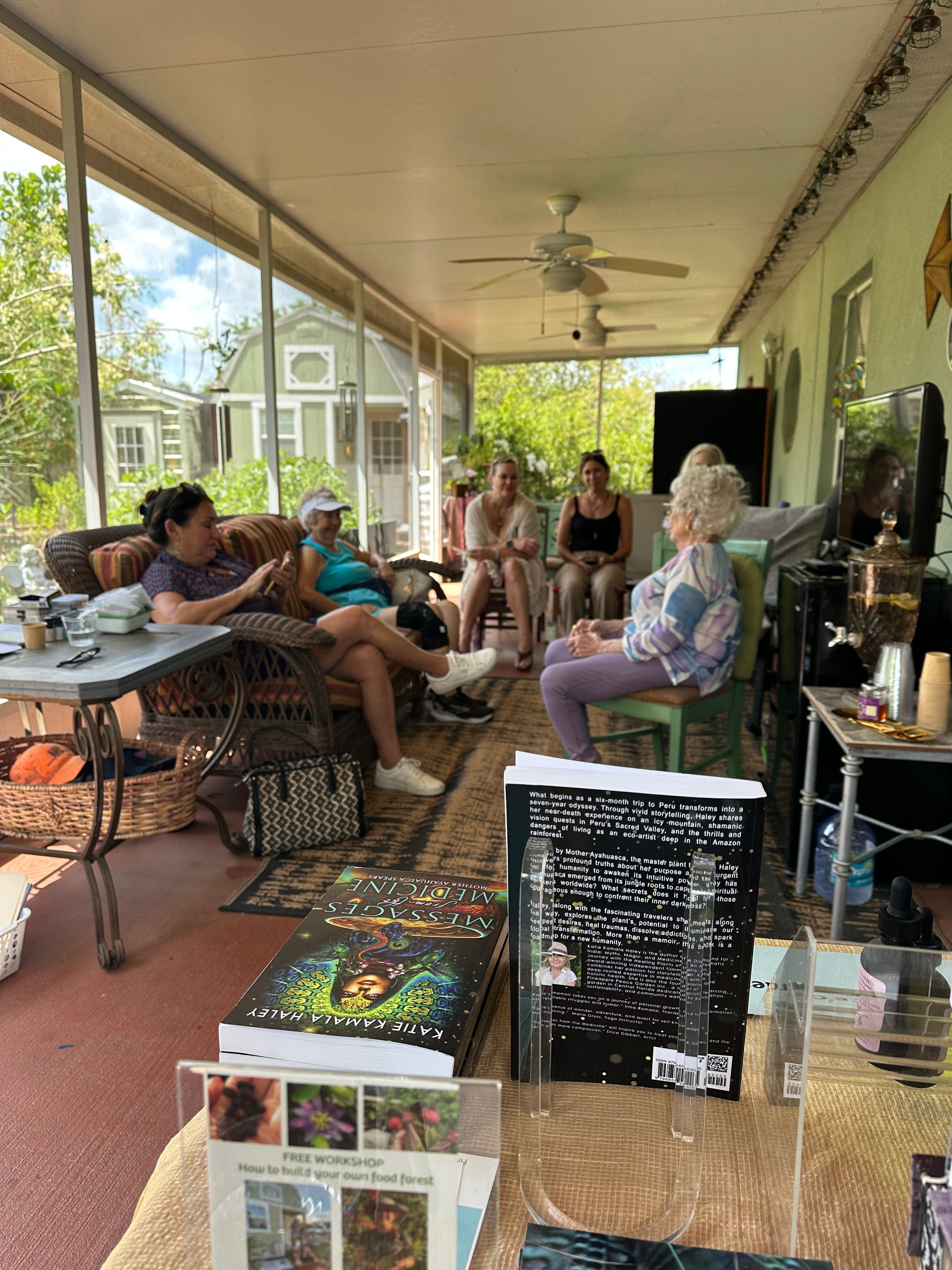
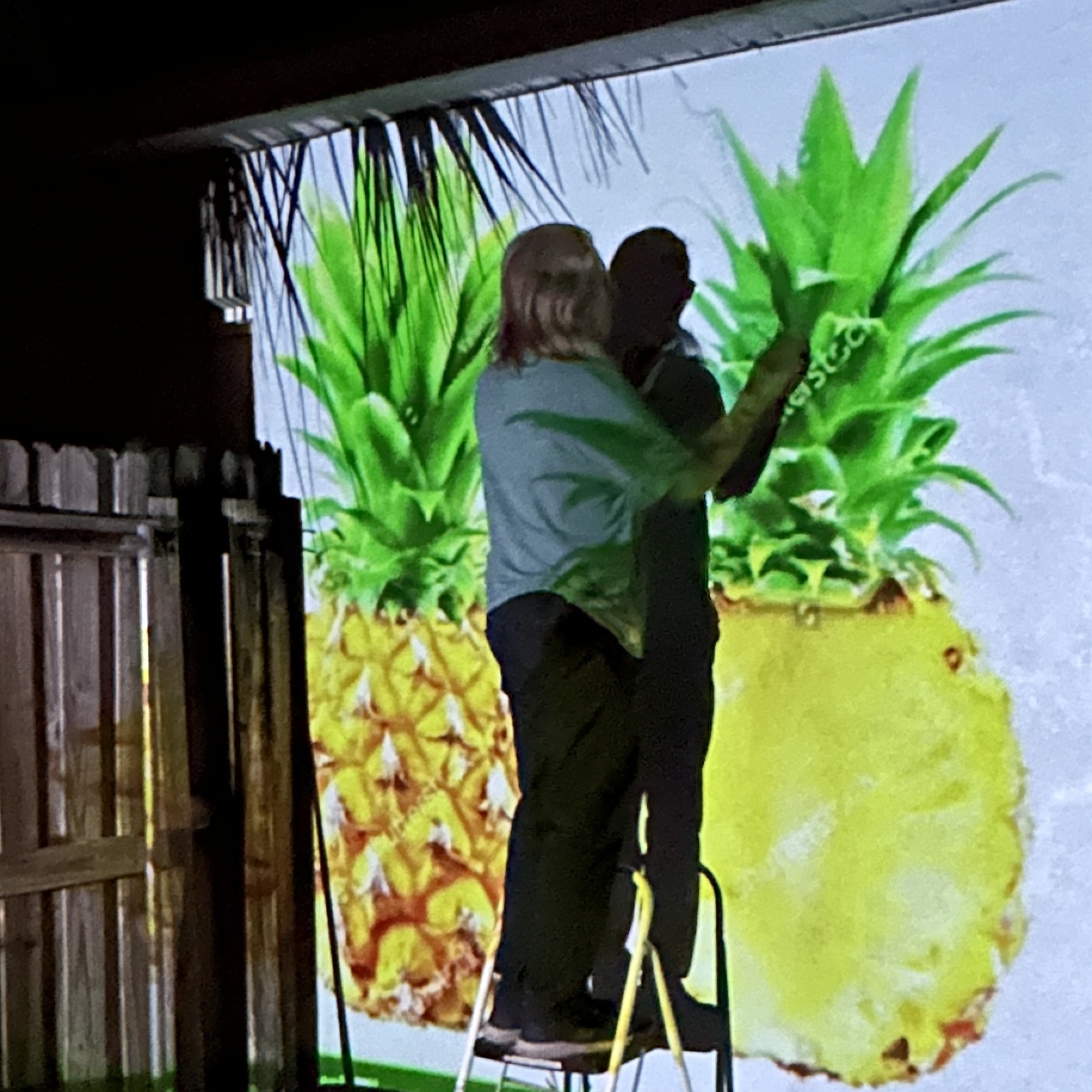
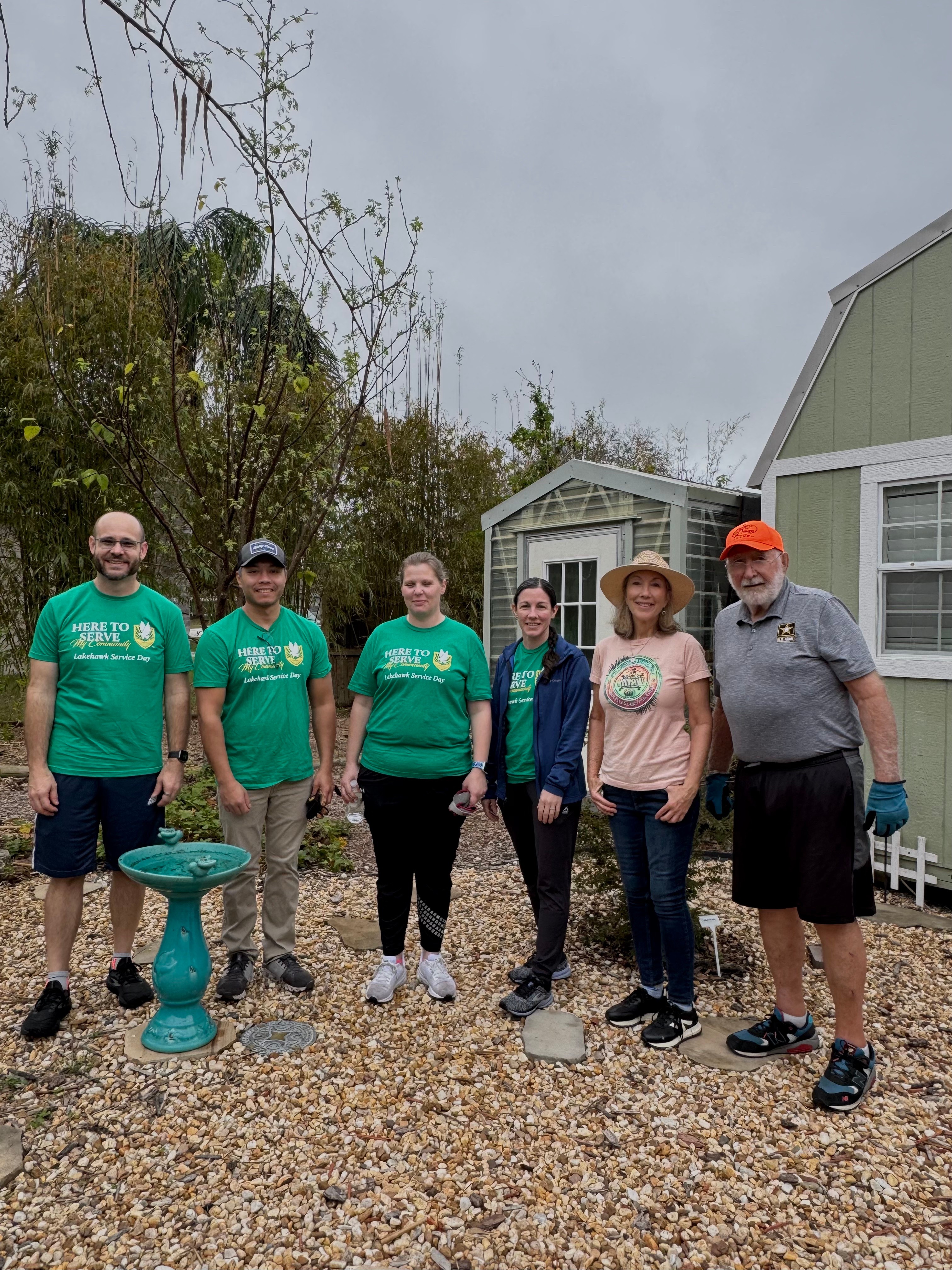
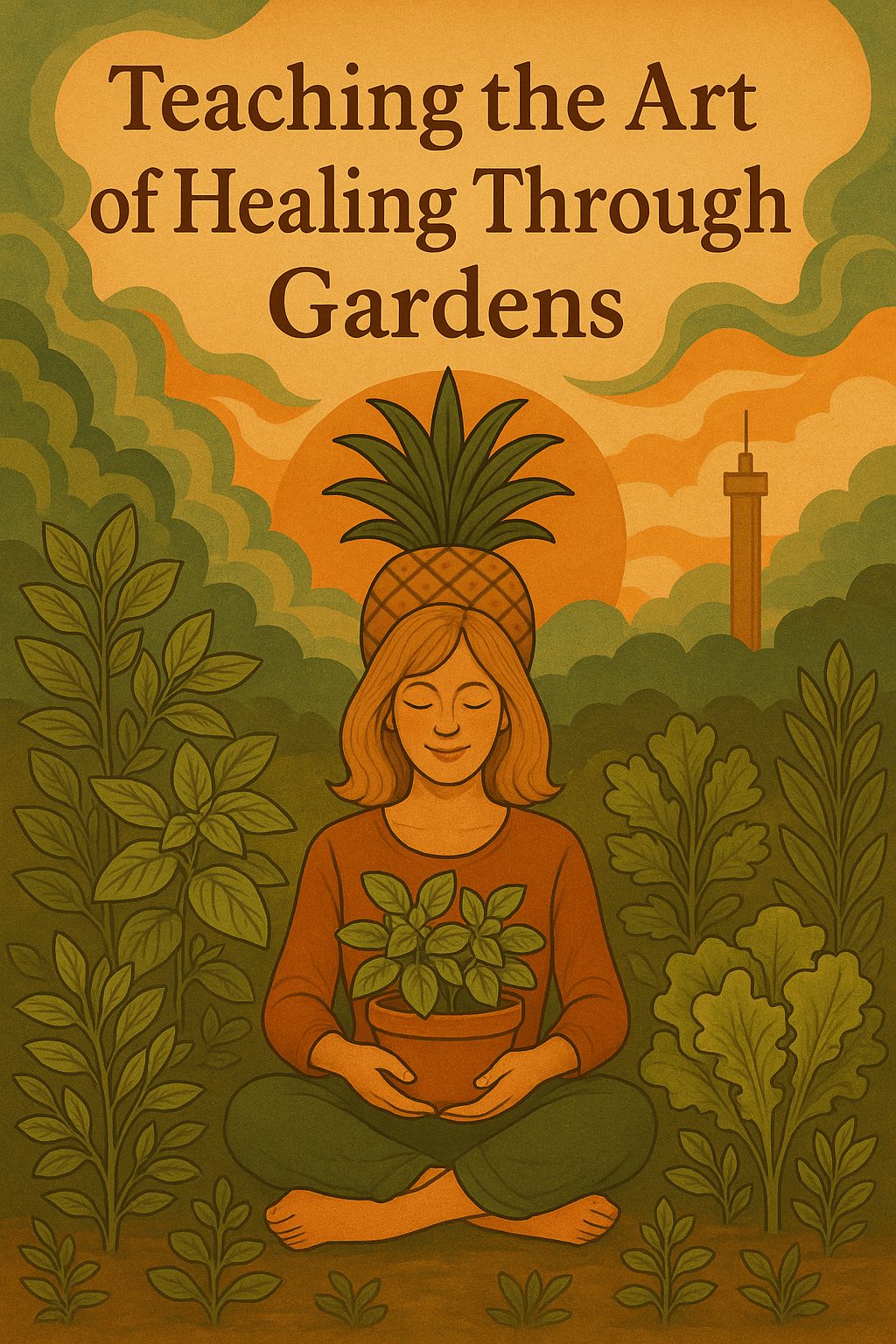
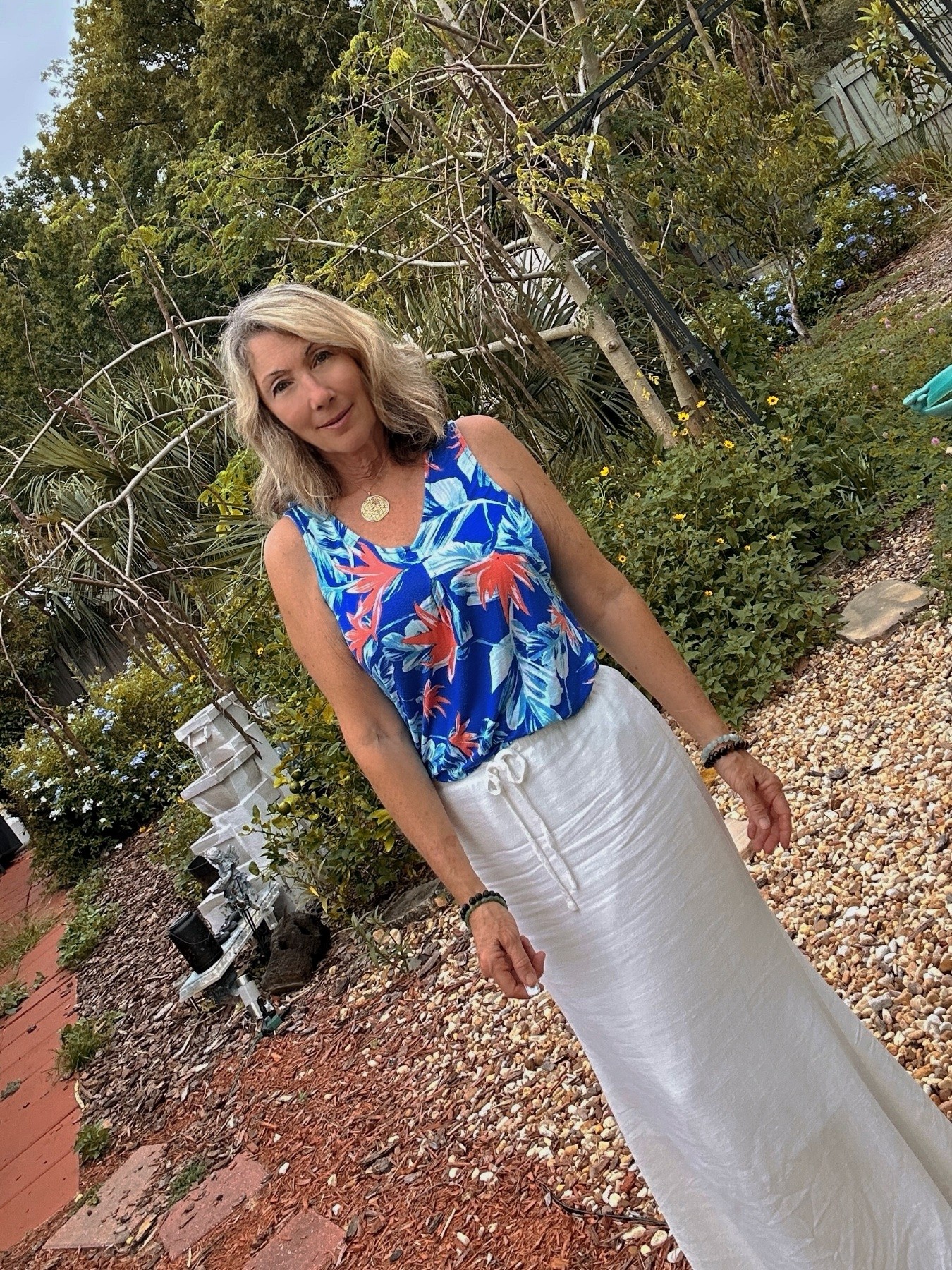
Image Credits
All photos personal property of Katie Kamala Haley