



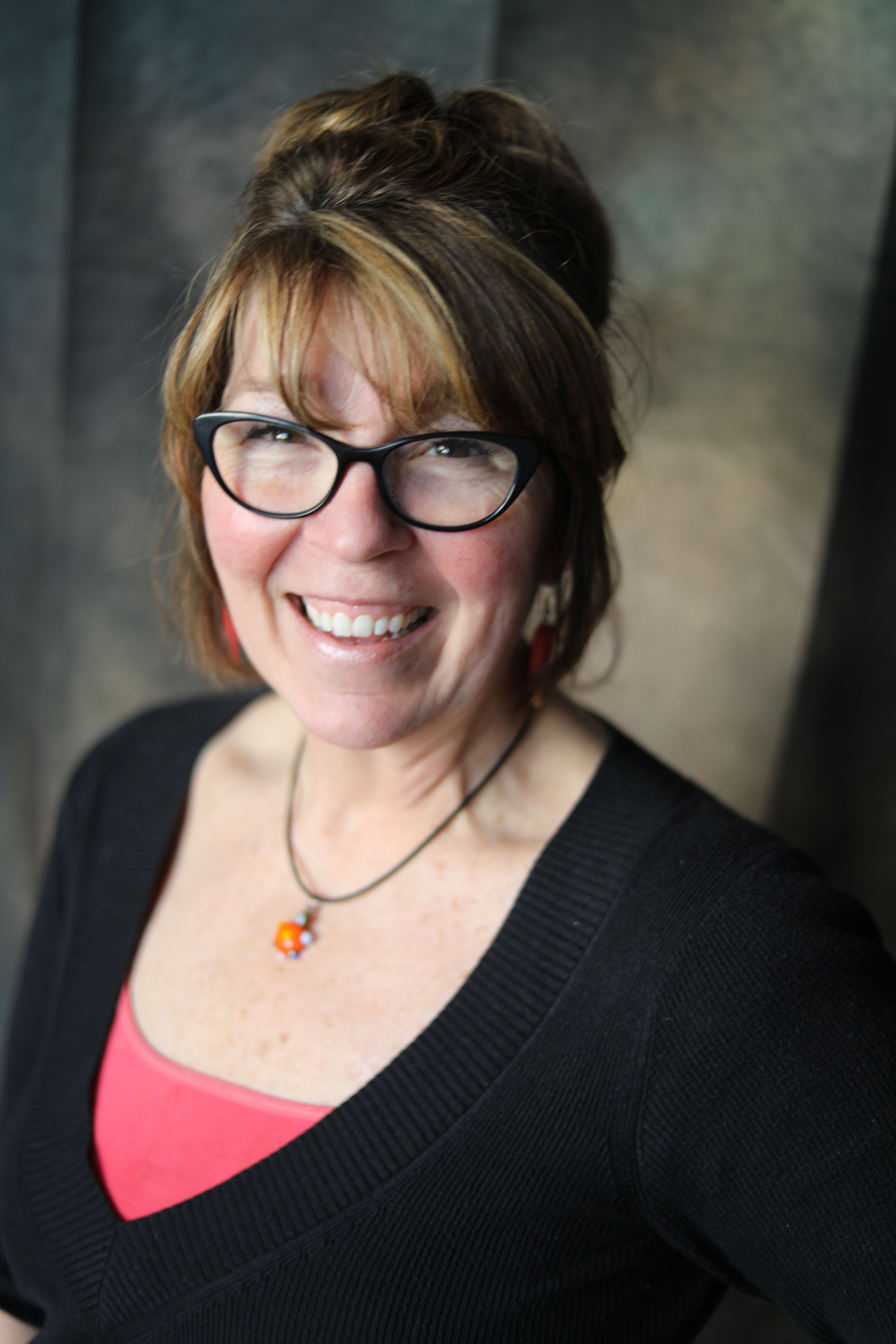
Today we’d like to introduce you to Dora Henderson.
Hi Dora, can you start by introducing yourself? We’d love to learn more about how you got to where you are today?
Hi, my name is Dora Henderson. I am a Licensed Mental Health Counselor & Supervisor, Registered Play Therapist Supervisor, Sand Tray Trainer & Consultant, EMDR Consultant, & author and trainer. I was born in Manhattan, New York, to a sweet young lady who was born in Iowa but decided she wanted to go to Bible college in Upstate New York. She met my Russian Father in New York. My father was a bridge painter in NY and a former Army paratrooper in World War II.
When I was seven, everything changed. I came home in New York City and found that my father had died of a heart attack in our apartment. I remember holding my mother and trying to be brave for her. That first time I comforted someone stayed with me. It was the beginning of my love for helping others.
Within a year, our family grew in a hurry. My mother married a family friend, and suddenly, we were a big blended family, moving clear across the country to Washington State. I was half Russian. My father’s parents had come through Ellis Island, and even as a third grader, I felt proud of my dad’s story as a World War Two paratrooper. Still, I was adjusting to a new home, new siblings, and missing my dad.
School felt hard in ways I could not explain. Numbers did not stick for me. I went to tutoring and sometimes sat in my younger stepsister’s math class because I could not keep up. I felt ashamed and thought I was just plain stupid. It took me years to understand that I have dyscalculia, a learning difference that made math especially difficult. Back then, none of us knew what was happening. I only knew the fear of being called to the board and the embarrassment of not getting it.
When I was thirteen, my stepfather took a job that moved us to Johannesburg, South Africa. We lived there for five years in the eighties. At that time, girls often had the option to skip math, and I chose not to take it. I learned shorthand and other practical skills and eventually finished high school by correspondence through the University of Nebraska. Can you imagine mailing your homework? It was slow and old-fashioned, but it worked. My stepfather became my best math teacher. He taught with patience and without the fear I had felt in other classrooms.
As a young adult, I married a wonderful South African man who later became a United States citizen. I worked in different jobs that helped people. I stayed home with my children for a while and ran a home daycare. That experience pushed me back into education. I went to Seminole State College and earned my childhood development credential so I could teach preschool. I fell in love with teaching three and four-year-olds. Watching little ones learn about themselves and gain confidence became my passion.
Parenthood also made me an advocate. I had three children with learning and sensory needs. My oldest was gifted but struggled with dyslexia. My son has ADHD and dyslexia. My daughter has autism and auditory processing differences. Learning how to navigate 504 plans and individualized education plans became part of my life. I learned to listen, to fight for services, and to help my children feel capable instead of ashamed.
In 2008, I decided to face my own fear of math and follow a deeper calling. I went to college and worked hard. I graduated with honors and earned a master’s degree from Webster University. I trained in play therapy and trauma-informed approaches at UCF. Today, I run a private practice with several therapists, I supervise TraumaPlay, and provide EMDR for adults. I write, train, and teach because I want children and families to feel seen and supported. No one is “stupid”, and I want to remove that word from everyone’s vocabulary. I support neurodiversity and the LGBTQ+ community; my work is rooted in love, dignity, and inclusion. I am a Christian and believe that Jesus turned no one away; my arms are open wide.
From comforting my mother in a small New York apartment to helping families heal today, my life has been shaped by loss, resilience, and a quiet conviction that no one is “stupid.” I am honored to serve my community and to keep learning so I can help others find their spark.
I love mentoring new therapists and welcoming interns, watching them grow into confident, licensed counselors who thrive in the field. I write children’s books, use puppets (including my neuron puppets) to teach kids about their brains, and coach parents in self‑regulation and parenting skills. It’s truly my joy. I also organize neuroscience conferences for therapists to share practical, play‑based approaches.
Thank you for letting me share my story.
Can you talk to us a bit about the challenges and lessons you’ve learned along the way. Looking back would you say it’s been easy or smooth in retrospect?
No — it hasn’t been smooth. Some of the struggles along the way:
Losing my dad at seven and stepping into the role of comforter while still a child.
Moving far from everything I knew, adjusting to a new home, a new family, and two new siblings.
Struggling in school with math without a name for it; feeling ashamed and thinking I was “stupid.”
Years of embarrassment, tutoring, and lowered confidence before learning I have dyscalculia.
Cultural shifts and upheaval, living as a teen in South Africa, then returning to the U.S. as an adult.
Parenting and advocating for three children with learning and sensory needs — navigating IEPs, 504s, therapies, and the worry that comes with it.
Returning to college as an adult, facing fears, balancing family, work, and studies, and pushing through imposter feelings.
The ongoing work of running a practice, training others, and turning painful experiences into strengths.
Those struggles taught me resilience, empathy, and a fierce commitment to make sure no child feels “stupid.”
Great, so let’s talk business. Can you tell our readers more about what you do and what you think sets you apart from others?
I am a pediatric mental health clinician and play therapist who helps children, families, caregivers, and adults heal from trauma and build everyday regulation skills. I specialize in trauma informed play therapy, polyvagal informed bottom up regulation, parent coaching, and EMDR for adults. I also supervise clinicians in TraumaPlay and train therapists in practical, play based neuroscience.
I am known for making neuroscience simple and playful. I teach kids about their brains using neuron puppets, stories, and hands on activities so self regulation feels fun and doable. I bring that same playful, practical approach to parent coaching and to work with adults, so families and individuals have tools they can use right away.
I am most proud of my private practice and the team of therapists I have mentored into confident clinicians. I am proud of the children and adults I have helped feel safe, the parents I have helped feel capable, and the community I have built that centers inclusion and curiosity.
What sets me apart
A play-first approach that blends trauma-informed care with child-friendly neuroscience
A strong focus on bottom-up regulation skills that work with the body and the senses, not just talk
Deep personal experience as a parent and advocate for neurodiverse children, which shapes my empathy and practicality
A commitment to growing new therapists through supervision, internships, and ongoing training
About my books
I write children’s books that teach emotional literacy, regulation, and belonging through characters like Flicker the firefly. The books pair with puppets and simple activities so kids learn with stories, play, and sensory experiences. I also create parent and clinician guides that translate the play based work into easy to use steps.
How do you define success?
Success, to me, means people feel safer, stronger, and more able to show up as themselves. It is the moment a child learns a skill that helps their body feel calm and grounded. It is a parent feeling confident using new tools at home. It is an adult moving through trauma with more ease and self -compassion. It is a new therapist growing into a capable, attuned clinician who trusts both their training and their presence.
Success is not perfection. It is safety, connection, growth, and the quiet confidence that healing is possible.
Success is progress over perfection: small, steady changes that increase connection, resilience, and joy. It’s rooted in seeing others thrive because of the work we do together.
Pricing:
- Insurance can be used
Contact Info:
- Website: https://www.asafespacellc.com
- Facebook: https://www.facebook.com/ASafeSpaceCounseling/
- LinkedIn: https://www.instagram.com/msbeespopcorn/


Image Credits
Caitlynn Henderson – my daughter – my illustrator for my books.