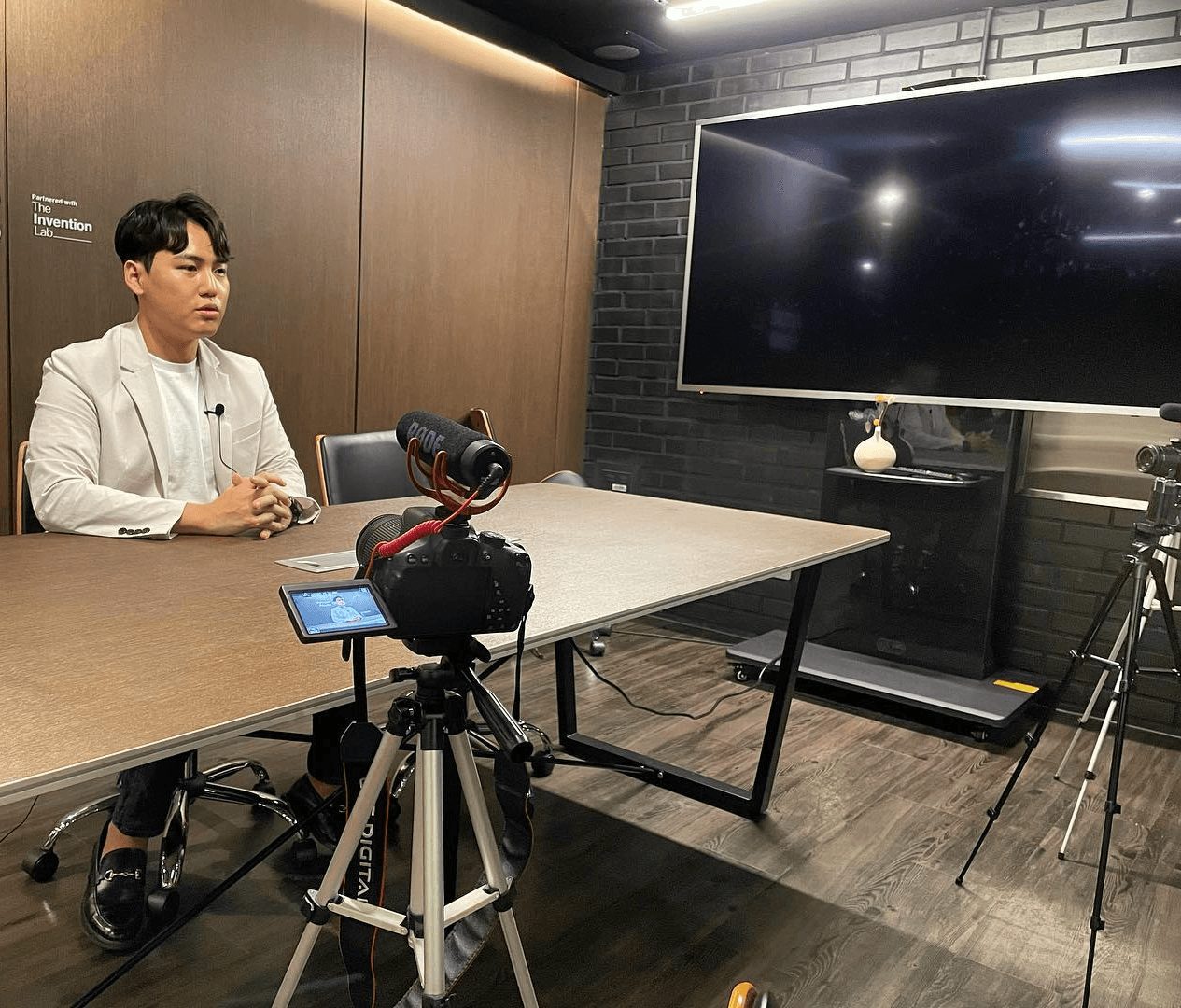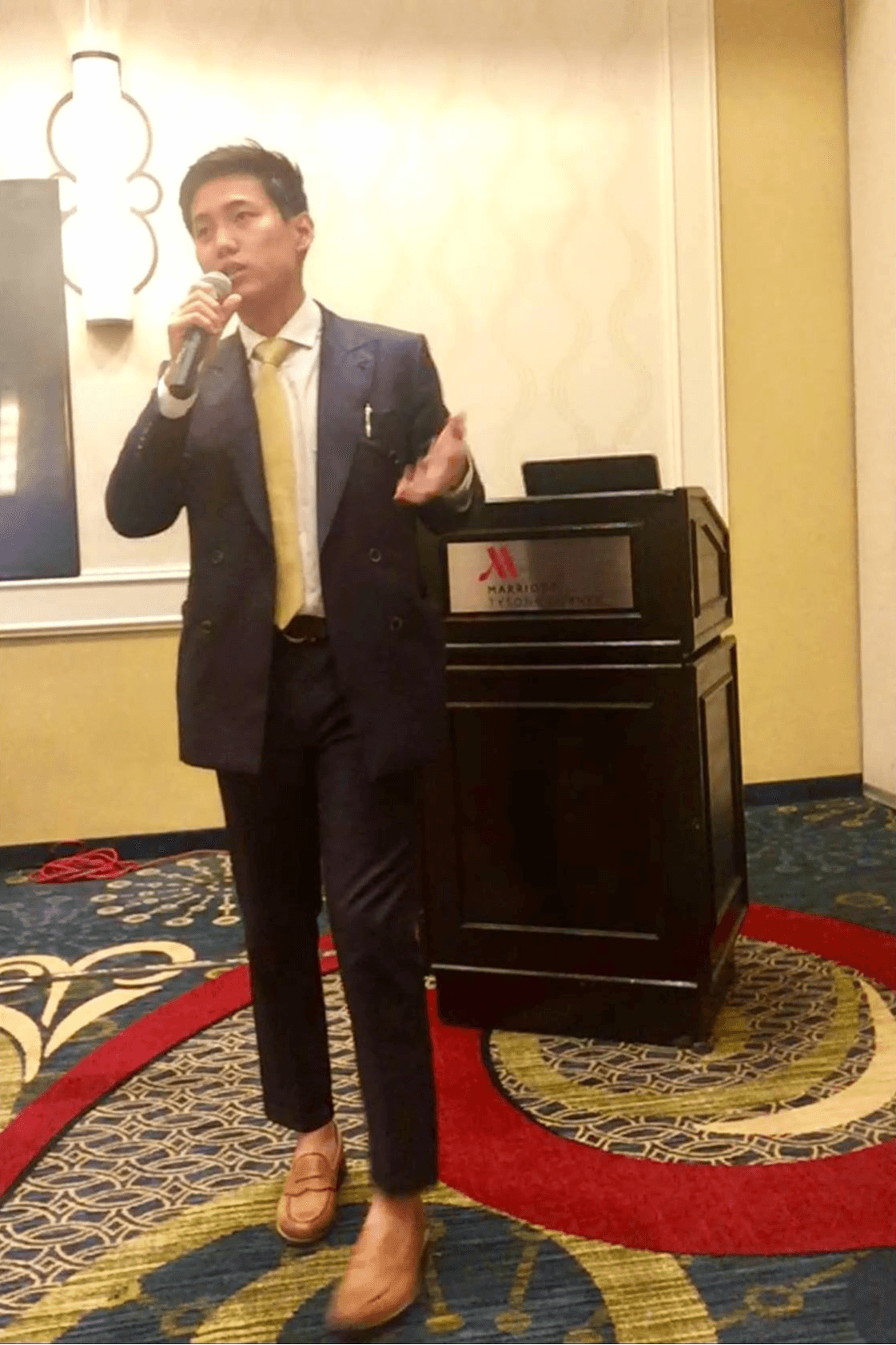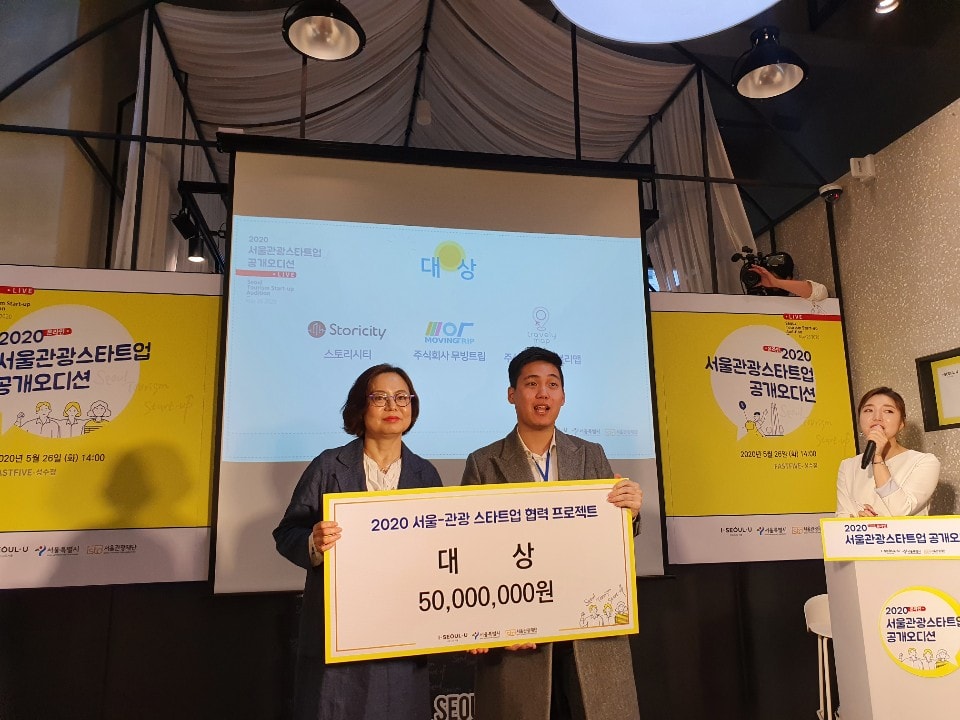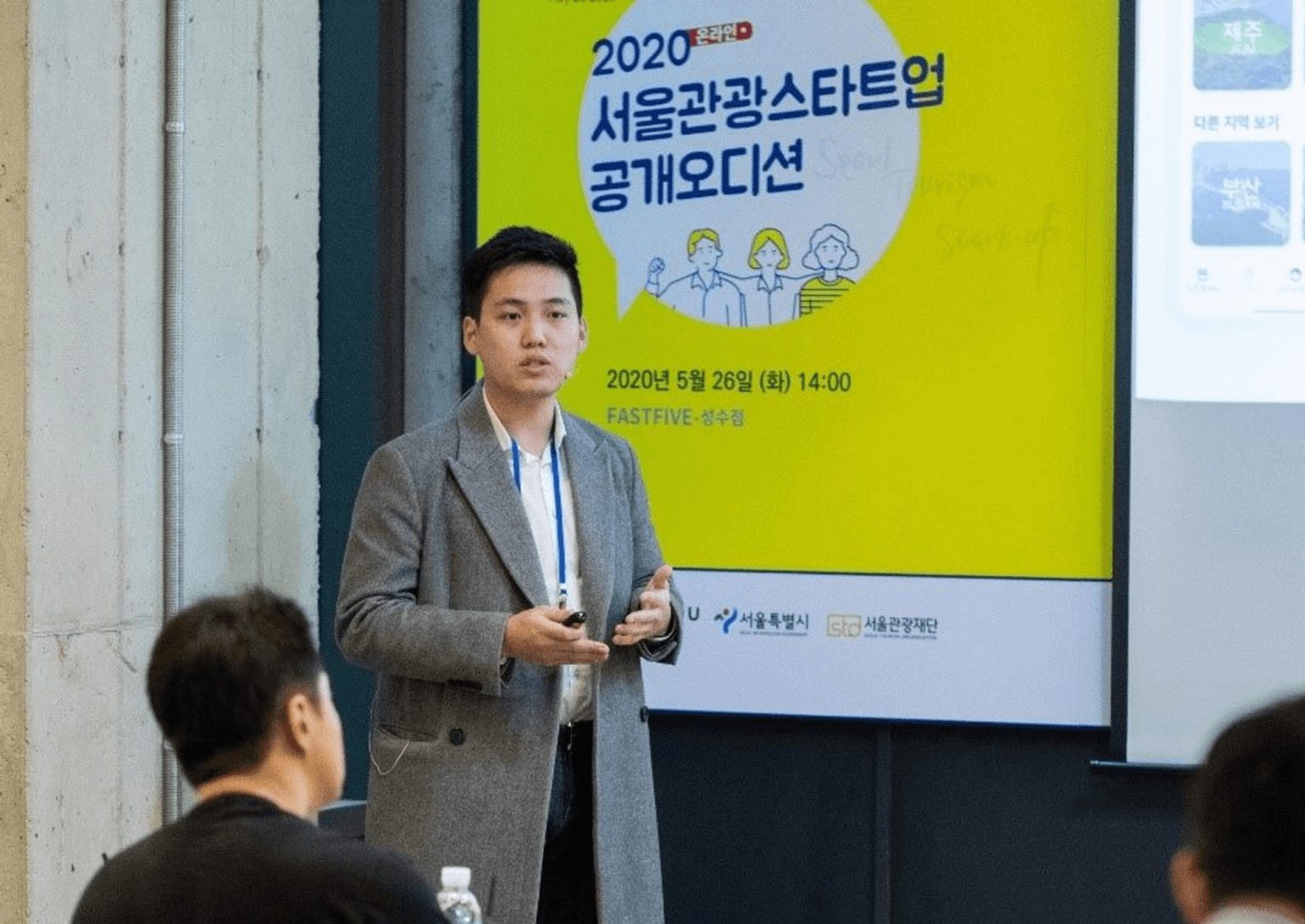




Today we’d like to introduce you to Frank Park.
Hi Frank, we’d love for you to start by introducing yourself.
I’ve been an entrepreneur for the last 12 years, but the itch started much earlier. My first real dive into the deep end was during my sophomore year at the University of Michigan. I ended up being one of those “typical college dropouts” you hear about—I saw an opportunity in the education services sector and just couldn’t ignore it. I got incredibly lucky with that first venture, eventually selling the company to a larger firm in South Korea. That was my first exit, and it really set the stage for everything that followed.
After the sale, the parent company that bought us out offered a joint venture, which led to my second journey. We moved fast—within the first year, we expanded into Seoul, Shanghai, and Hong Kong. It was a whirlwind of international growth, and by the time I was 24, I sold my shares back to the parent company for my second successful exit.
At that point, I wanted to branch out. I founded a travel-tech firm that landed VC funding almost as soon as we had a team in place. Around the same time, I decided to realize a childhood dream of mine: I opened a 7,000-square-foot cafe. I had the disposable income from my previous exits and figured it was the perfect time to build a space I actually enjoyed. Things were booming initially, but then COVID-19 happened. The pandemic effectively wiped out the travel industry and local retail overnight. Closing those businesses was one of the biggest financial and emotional hits I’ve ever taken. It was a hard lesson in how quickly things out of your control can dismantle years of work.
Eventually, I moved into the venture capital space, founding a firm where I helped build and fund over 100 early-stage tech companies. But I was running myself into the ground, working 100 to 120 hours a week with no breaks. My health completely tanked, and it culminated in me literally fainting and crashing in the middle of a meeting. That was my “epiphany” moment. I realized I was chasing glory at the expense of my life. I decided to retire, move back to the U.S., and just focus on being a human again. But as it turns out, I’m not very good at doing nothing. I bought 10 cars to experiment with Turo as a hobby, and before I knew it, those 10 cars had turned into Fleeteer.
I’m sure it wasn’t obstacle-free, but would you say the journey has been fairly smooth so far?
It definitely hasn’t been a straight line. I’ve dealt with the extreme highs of building something from a dorm room to an international exit, but I’ve also dealt with the “unlucky statistics” that come with global crises. Watching a well-funded tech platform and a successful physical business both get shut down by a pandemic was a massive reality check. I lost a lot of money and a lot of sleep during that period.
The biggest struggle, though, was the burnout. In the startup world, we’re taught to wear 100-hour weeks like a badge of honor, but it’s actually a disease. When I was hospitalized because I simply pushed too hard for too long, it forced me to rethink my entire relationship with work. Coming back to the U.S. for a “sabbatical” was actually one of the hardest things I’ve done because it meant letting go of the identity I’d built as a high-speed VC founder.
Even starting Fleeteer was a struggle in its own way. Transitioning from high-level tech and finance back into a “boots on the ground” labor-intensive business was a shock. But that struggle is actually where the “aha!” moment happened. I realized that the car-sharing industry was lacking the digital infrastructure I was used to in the tech world. I had to struggle through the manual labor of cleaning and managing cars myself to realize that I could automate the whole thing and change the industry.
Appreciate you sharing that. What should we know about Fleeteer?
Fleeteer is currently a fleet management and Turo co-hosting company, but we’re rapidly evolving into a specialized financial services firm. Our core mission is to allow people to invest in the high-yield car-sharing market without having to touch a single vehicle. Right now, we host cars for investors and share the profits, but our next step is much bigger.
What really sets us apart is what I call “digital transformation overkill.” Most people in this industry treat it like a side hustle or a small local business. Coming from a tech background, I treated it like a scalable software service. We’ve built a proprietary digital infrastructure that most competitors wouldn’t even know how to begin replicating. It’s the kind of tech stack that would cost a traditional operator six figures to develop, but because of my background, it’s just how we do business. This makes us the leanest and most efficient co-host in the country, allowing us to offer the lowest service rates while maintaining total transparency for our clients.
We’re also doing things that are unheard of in this space, like offering our own asset protection plans. If an investor experiences a financial loss while partnered with us, we cover it out of our own pocket. It’s a testament to our confidence in our data and our operations. Our ultimate goal is to turn “vehicle equity” into a financial product that feels as familiar as an ETF. We want to make it so that by 2026, anyone can invest in a car-sharing portfolio as easily as they’d buy a share of a mutual fund. We’re currently working with private equity firms to make that fund a reality.
Alright, so to wrap up, is there anything else you’d like to share with us?
There’s a bit of irony in my current situation that I think other entrepreneurs might appreciate. I started this whole journey as part of a “semi-retirement” plan. I thought I was done with the high-stakes startup life. But I’ve realized that entrepreneurship isn’t just a career path—it’s more like a lifestyle choice or a persistent disease you can’t quite cure.
What was supposed to be a quiet sabbatical turned into another journey because I saw a problem that needed a better solution. I’ve learned that “retirement” doesn’t mean sitting still; it means finally having the freedom to build exactly what you want, how you want to build it.
I’m incredibly proud of how lean we’ve kept Fleeteer and how we’re protecting our investors’ capital. At the end of the day, I’m not just trying to build another rental company; I’m trying to democratize a very lucrative industry that used to have a massive barrier to entry. If we can make investing in a fleet as simple as clicking a button on a brokerage app, then I’ll feel like I’ve truly built something worth coming out of retirement for.
Contact Info:
- Website: https://fleeteer.com