



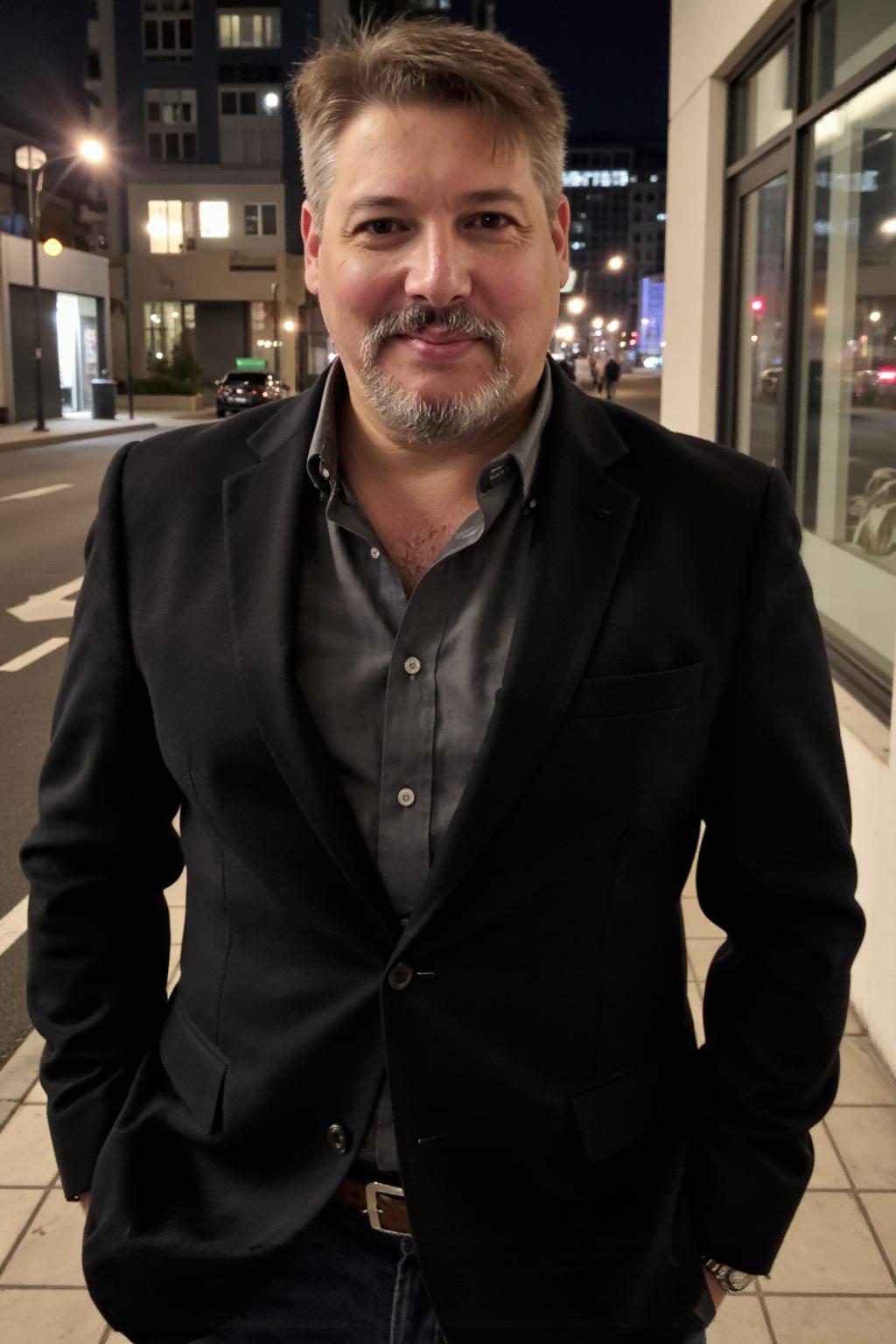
Today we’d like to introduce you to James Ross.
Hi James, we’d love for you to start by introducing yourself.
The Foundation: A Different Kind of Education – I’ve lived a life that doesn’t follow a straight line, and I think that’s exactly why I’m able to do what I do today. My education started early, but not in a traditional sense. My parents owned a carnival business, and as a kid, I grew up watching the world through that lens traveling from one town to the next each week. I learned how people move, how they make decisions, and how to tell the difference between someone navigating the world with confidence and someone being taken advantage of. It taught me resilience, self-reliance, and a rule I still live by: Be kind, but be smart. Don’t be a sucker.
The Middle: Leading Through the Fire – That grounded foundation carried me into a career in retail operations. I started at the ground level in customer service and worked my way into multi-unit management, leading and teaching other leaders. This is where I learned that real leadership isn’t always pretty; you are most helpful when you can tell people what they really need to hear, not what they want to hear.
Later, I transitioned into the veterinary industry, where I’ve spent the last 18 years in leadership and operations, across hundreds of clinics. My background in loss prevention and risk management – specifically as an investigator who helps people open up – put me in high-pressure situations most people never see up close. I’ve led and supported teams through protests, riots, hurricanes, bomb threats and crises at every level. And all the while, I was a teacher. It’s important to do more than point out a problem, you have to be part of building a solution. Whether it’s reworking the process to reduce the wrong things happening, educating corporate leaders with presentations and town halls, or working with a team up close and personal – finding ways to connect, teach, and always learning is at the heart of what I do.
That perspective was forged in the carnival business. When you grow up around high-stakes conflict, upset customers, and the relentless cycle of a business that tears itself down, loads into trucks, and rebuilds itself every week, you don’t get rattled easily. That experience created a perspective that is steady when “big stuff” happens. I’ve learned how to be calm in the storm so I can help others find the light.
The Present: Practical Leadership for Real Humans Everything I’ve done has shaped a very specific mission. I realized that most leadership advice is written for CEOs or by people who haven’t actually led real humans through real problems. I believe leadership should be principled, practical, and human. It should protect people, not use them. And I believe everyone has leadership in them – it isn’t this special club for people who look or talk a certain way.
After decades in the corporate and big business worlds, I’ve gone all-in on my own work here in Orlando. I am not just “one thing.” I am a carny, a manager, an investigator, and a teacher. A partner, a friend, a father, and a truth telling student of the human condition. A writer, a photographer, coach and translator of chaos. Most of all, I’m deeply curious about life, about people, and about helping things be better than how I found them.
I bring that full self to everything I do:
The Diagnostic Coach: Most advice tells you to “work harder.” I look at the forensics of your daily life or business to find the specific system failure causing the stress.
The Architect: I help people move from “operating” (reacting to everything that happens) to “architecting.” We build a blueprint so they are in control of the structure, rather than just ping-ponging from one messy thing to the next.
The Diagonalist: We often think of leadership as top-down. I teach people how to lead across different groups and connect people who aren’t usually talking. It’s about cutting through the noise to get everyone on the same page.
I didn’t follow a perfect plan to get here; I followed the work. It led me to a place where I can help others lead with strength without losing themselves in the process.
We all face challenges, but looking back would you describe it as a relatively smooth road?
The Cost of Principles: A Road Built on Truth
No, it hasn’t been a smooth road. But I wouldn’t have it any other way, because the hurdles I faced are exactly what gave me the tools I use today.
The Reality of “Summer Rich and Winter Poor” – My understanding of struggle started with the family business. We were poor, even while owning a business. Because the carnival is seasonal, we lived in a cycle of being “summer rich” and “winter poor,” We weren’t actually rich in the summer, but there was cash flow, which meant we ate differently in the winter than we did in the summer. That kind of instability teaches you to see the world as it really is, not as you wish it were. It removes the luxury of being naive.
The “Self-Created” Hurdles Throughout my career, I’ve faced plenty of situations that some might say were self-created. And to a degree, that’s true. There were many times I could have “gotten along” or “gotten further” by simply going along with the status quo.
But when you are trained in seeing deception—when you can listen between the lines, read body language, and see what is not being said—you can’t just turn that off. I expect people to fulfill their promises of principle. When I agree to lead, I take the responsibility of those in my charge seriously, and I expect those above me to do the same. Calling out those in power or speaking up for those with everything to lose can make the road bumpy. But I’ve always believed that if you aren’t willing to speak the truth when it’s hard, your leadership doesn’t mean much when it’s easy.
Walking Through the Minefield- I’ve often described my roles in loss prevention and operations as walking through a minefield with a stick—intentionally setting off the mines.
In my work at the enterprise level, I’ve had to teach that following principles is vital, even when it negatively impacts short-term results. That often put me at odds with senior leadership. It’s a difficult position to be in when your investigation uncovers that a “star employee” is stealing. In those moments, people tend to circle the wagons; they look for reasons to protect their results rather than protect their integrity. Navigating those waters requires a thick skin and a clear compass.
I’ve set off the mines so my clients don’t have to. i use my experience walking through those fields to help you navigate your own leadership challenges without losing your integrity or your mind.
As you know, we’re big fans of Unchained Coaching. For our readers who might not be as familiar what can you tell them about the brand?
What we do and what we specialize in: I founded Unchained Coaching, LLC to provide a different kind of support for early- and mid-career leaders who want to grow without losing their respect for the person in the mirror. I specialize in Diagnostic Leadership Development – helping people move from “operating” (reacting to the mess) to “architecting” (building a blueprint they actually control).
I am a Gallup-Certified Strengths Coach, but my approach is strictly results-oriented. I don’t believe in open-ended coaching that lasts for months or years with big, vague retainers. I work with clients on a 6-week basis to solve a specific barrier or roadblock they are facing. We pick a problem, we find the system failure causing it, and we solve it.
What sets us apart: Most leadership advice is written for CEOs by people who have never had to lead “real humans” through real problems. What sets Unchained Coaching apart is that my methodology was forged in the high-pressure environments of retail, veterinary operations, and risk management.
I don’t just “coach” – I look at the forensics of your work life and together we see what is pulling against you. You aren’t just getting a cheerleader; you’re getting a partner to help you identify exactly where the gears are grinding in your specific situation. Because I’ve spent decades as an investigator and an operations leader, I can listen “between the lines” and see the systemic issues that others miss. I am a “Diagnostic Coach” because I’m looking for the root cause, not just treating the symptoms of stress or inefficiency.
I don’t hand you a pre-packaged manual and walk away. We sit down at the drafting table together. My role is to provide the forensic tools and the architectural lens, but the blueprint we build is yours – designed for your specific strengths and your unique reality.
What I am most proud of brand-wise: I am most proud of the 6-week engagement because it’s built on a foundation of respect for your time. You don’t need a permanent shadow; you need a breakthrough. We solve the roadblock, we build the system, and I get out of your way so you can lead with the confidence you’ve earned.
What I want readers to know: Leaders are all around us. Being a leader is not a “special club” for people who talk a certain way. It is a set of skills that can be built and architected. And it’s about tapping into the leader in you. My goal is to help you lead with strength while remaining human. At Unchained Coaching, we find the truth of the situation, build a blueprint for the solution, and get you back to leading with confidence. Whether I’m helping a client leverage their strengths to overcome a career barrier or teaching them how to be a Diagonalist – leading across groups without needing formal authority—the goal is always clarity and self-trust.
To that end, I’m particularly excited about the launch of my book, The Manager’s Weekly Reset this February 2026. It’s a practical, tactical resource I’ve built to coach leaders through and to step out of the daily ‘ping-pong’ of reactive management and move into an ‘architect’ mindset in being a better leader. It’s designed to help you find the forensic clarity you need to own your week before it starts and regain control of your time. Whether it’s through this new tool or my 6-week coaching sprints, we find the truth of your situation, build a blueprint for the solution, and get you back to leading with confidence at a whole new level of insight and ability.
What would you say have been one of the most important lessons you’ve learned?
Being Clear is the Ultimate Form of Kindness
The most important lesson I’ve learned is that clarity is the only thing that holds up when the storm hits.
Earlier in my career, I thought leadership was about having all the answers or fitting someone else’s idea of what a leader looked like. But through the carnival business, the riots, the hurricanes, and the thousands of difficult conversations I’ve facilitated, I realized that people don’t actually need a “hero” – they need kindness through truth and the tools to make use of their own unique super powers.
Most of the stress we experience in our work lives comes from trying to “operate” within a broken system that we refuse to look at honestly. We tell ourselves that if we just work harder or stay more positive, things will change. But the forensics don’t lie. If the system is broken, your effort is just being wasted.
The lesson is this: You cannot architect a better life or a better business until you are willing to look at the forensics of the current one. Being kind doesn’t mean being soft; it means being clear. It means telling people what they need to hear so they can actually do something about it. Whether you are loading a carnival into a truck at midnight or leading a team through a corporate crisis, clarity is what keeps people safe and moves the work forward. Don’t be a “sucker” for your own excuses or the noise of the problem. Find the truth, build the blueprint, and lead from there.
Contact Info:
- Website: https://paperbell.me/james-ross
- LinkedIn: https://www.linkedin.com/in/jmarcusross
- Other: https://www.gallup.com/learning/certification/en/10624253/profile.aspx
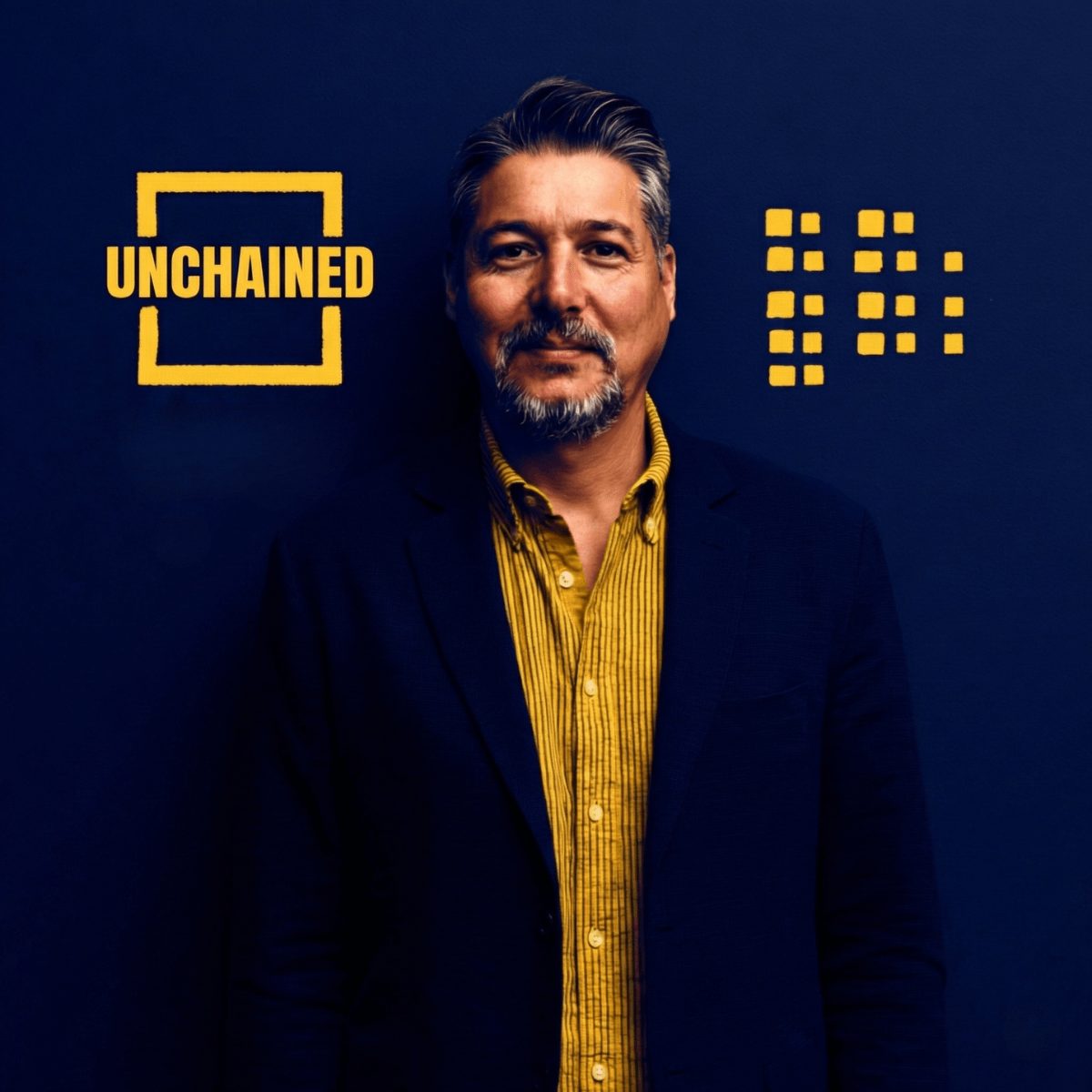

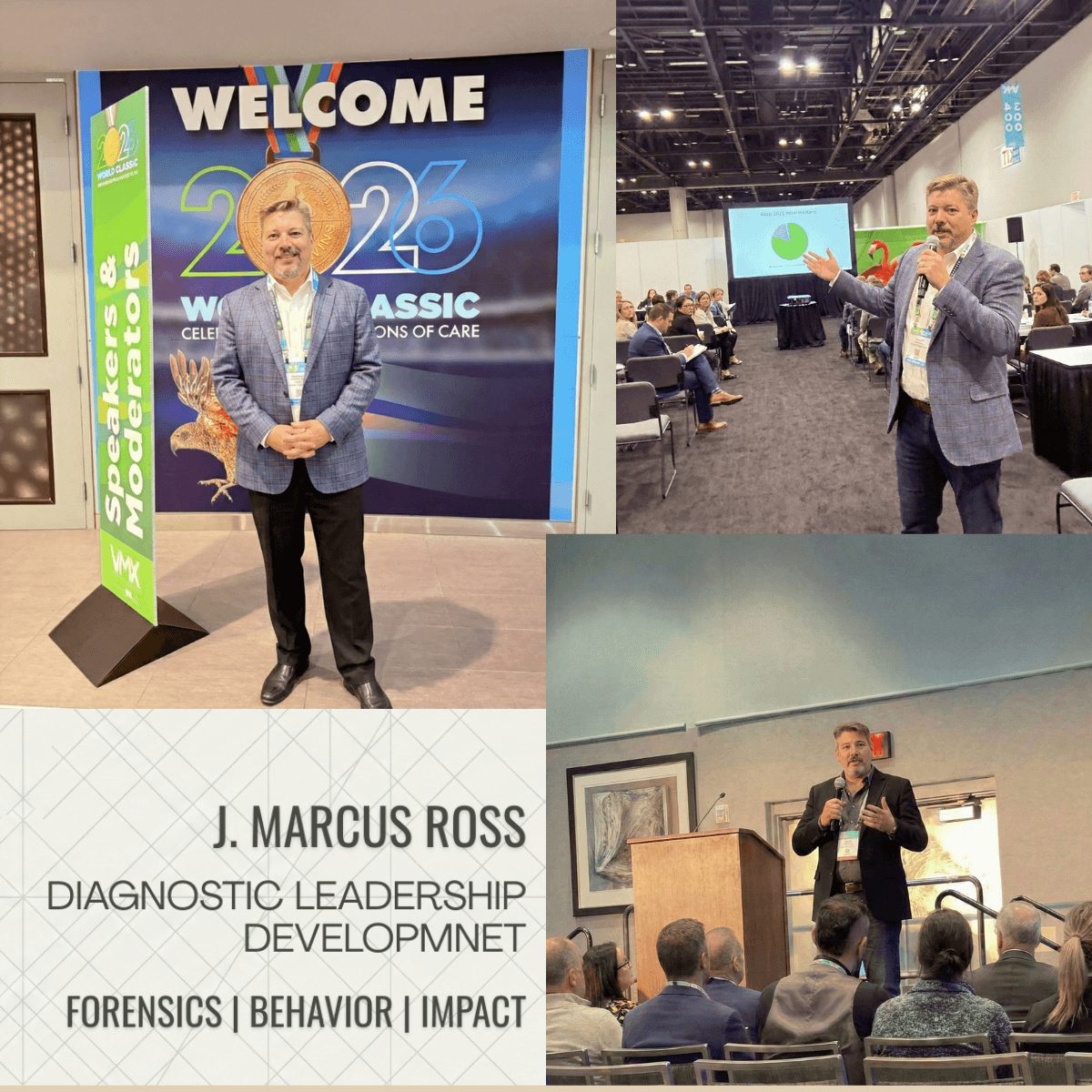
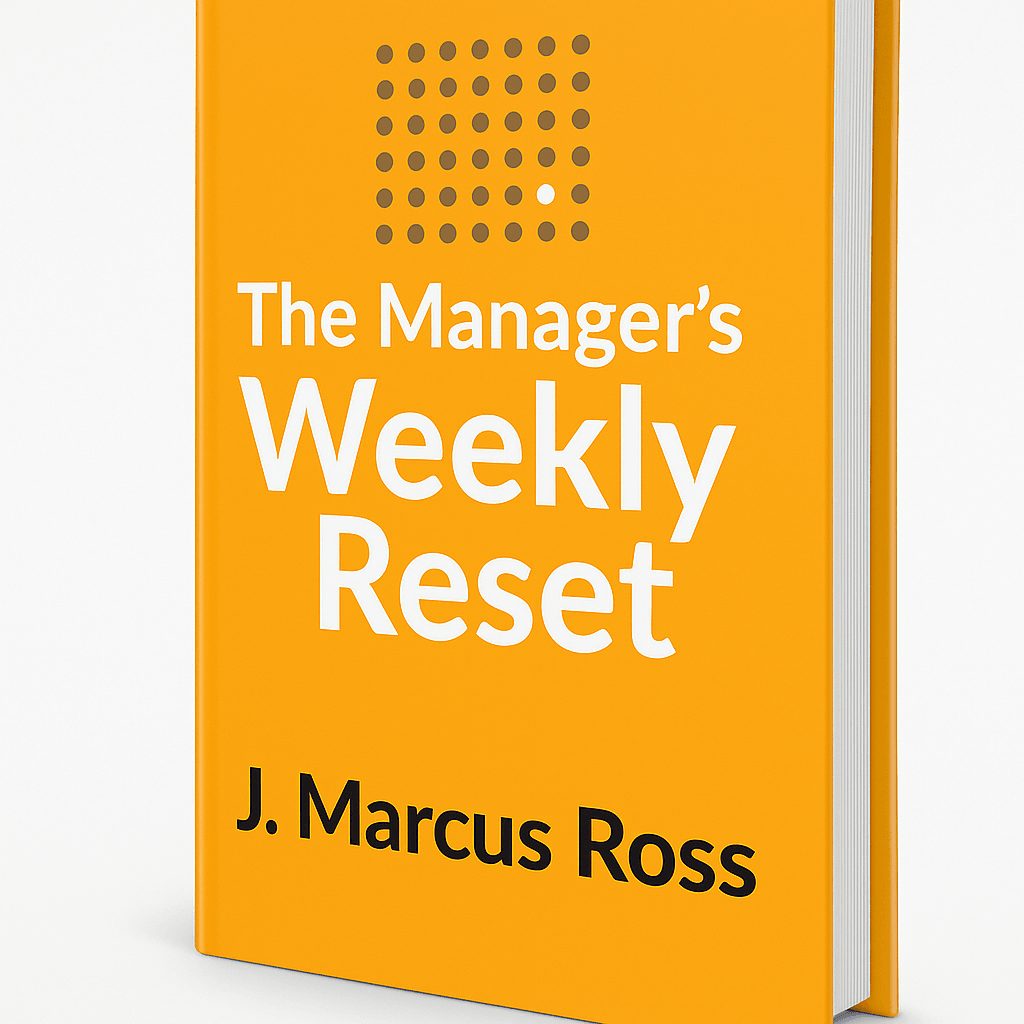
Image Credits
J. Marcus Ross