



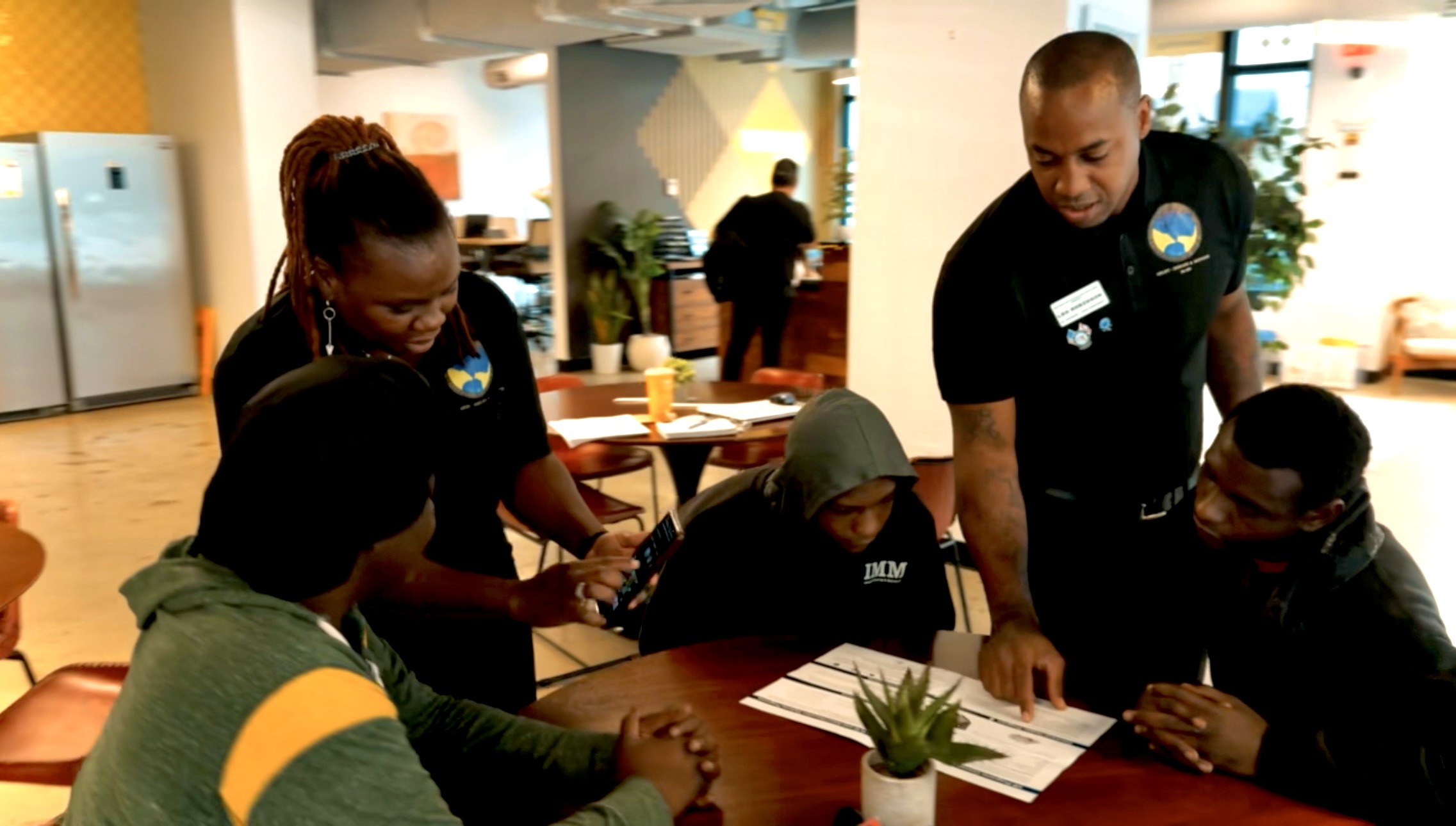
Today we’d like to introduce you to Samara & Leo Robinson.
Alright, so thank you so much for sharing your story and insight with our readers. To kick things off, can you tell us a bit about how you got started?
Leo and Samara’s story starts in very different places, but it comes together around the same idea: purpose shaped through pressure.
Leo grew up without his father, learning how to survive before learning how to be guided. Music became his outlet early on — a way to process pain, confusion, and identity when there were no mentors showing him the way. Like many young people trying to figure life out alone, he made mistakes, learned lessons the hard way, and eventually realized that talent without direction can only take you so far. What stayed with him was the awareness that there were countless fatherless kids and broken families walking the same road he already knew.
Samara’s upbringing looked very different. She was shaped by discipline, structure, and accountability rooted in faith. Where Leo was creative, expressive, and movement-driven, Samara was focused, strategic, and grounded. When they first connected, it wasn’t an instant fit. Samara challenged Leo in ways he wasn’t used to — not just encouraging his potential, but pushing him to remove distractions and commit to building something that would last.
That challenge changed everything.
Early on, they made a conscious decision to narrow their focus to three things: creative expression through music, purpose-driven entrepreneurship, and mentorship for fatherless children and abused families. They stayed committed to those priorities for years, often passing on opportunities that didn’t align with the bigger picture. There were moments when major music opportunities came up, but both agreed that personal success didn’t mean much if the families they were serving were still struggling.
What started as grassroots mentoring slowly grew into something bigger. As more families reached out, they realized heart alone wasn’t enough — the mission needed structure, accountability, and sustainability. That led to the creation of Mentors For Fatherless Children and Abused Families (MFCAF).
Since then, the growth has been steady and intentional. MFCAF has partnered with Orange County to deliver family support, youth mentorship, and prevention-focused programming across multiple neighborhoods. Along the way, Leo and Samara completed certifications in Nonprofit Management and Applied AI Science through the University of Central Florida, ensuring the organization wasn’t just passion-driven, but built with strong governance, smart systems, and forward-thinking tools. Licensing, policies, training, and infrastructure followed — not to chase credibility, but to protect the families they serve and prepare MFCAF for long-term impact.
A major milestone came with the opening of MFCAF’s downtown Orlando office, made possible through sponsorship by Warp Speed Group. For Leo and Samara, it wasn’t about having an address — it was about creating a central, accessible space where families, youth, mentors, and community partners could walk in and feel supported.
The most powerful accomplishments aren’t listed on paper. They’re found in the families who stayed together, the youth who avoided deeper system involvement, the parents who learned new tools for communication and emotional regulation, and the kids who finally had at least one consistent adult in their corner. Some success stories are loud. Most are quiet. All of them matter.
The journey hasn’t been glamorous. There were seasons of financial strain, personal sacrifice, and uncertainty — even while continuing to open their doors to families in crisis. They carried that weight quietly so the children they served wouldn’t feel it.
Today, Leo and Samara don’t see themselves as people who “made it.” They see themselves as people who stayed committed. They chose sustainability over speed, service over spotlight, and community over recognition. MFCAF continues to grow across Central Florida, grounded in the belief that healing happens through connection, consistency, and purpose.
The story is still being written — and that’s exactly how they want it.
We all face challenges, but looking back would you describe it as a relatively smooth road?
It definitely hasn’t been a smooth road.
One of the biggest challenges has been building something meaningful without having access to the same resources, networks, or safety nets that many organizations start with. In the early years, MFCAF was funded almost entirely by sacrifice—time, personal finances, and sheer persistence. There were seasons where Leo and Samara were juggling rent, utilities, transportation issues, medical expenses, and day-to-day survival, all while continuing to show up consistently for families in crisis.
Another major challenge was realizing that passion alone isn’t enough. As the work grew, so did the responsibility. Navigating compliance, licensing, policies, contracts, reporting requirements, and funding systems—especially while still doing direct service—was overwhelming at times. Learning how to build structure without losing heart took time, mistakes, and humility. That’s why education, certifications, and strong systems became non-negotiable.
There were also emotional challenges. Working closely with families impacted by trauma, abuse, and instability means carrying stories that don’t easily turn off at the end of the day. Burnout, compassion fatigue, and the pressure to always “be strong” were very real. There were moments when quitting would’ve been easier than continuing.
And then there’s the challenge most people don’t see: growing quietly. A lot of the work MFCAF does doesn’t come with big headlines or instant recognition. Progress often looks like prevention—things that didn’t happen, crises that were avoided, youth who stayed out of deeper systems. That kind of impact takes patience.
Despite all of it, the road has been worth it. Every obstacle clarified the mission. Every setback forced growth. And every challenge reaffirmed why this work matters—not just for the families served, but for the people building it.
The journey hasn’t been smooth, but it’s been honest—and that’s what’s allowed MFCAF to keep moving forward.
Alright, so let’s switch gears a bit and talk business. What should we know?
Mentors For Fatherless Children and Abused Families (MFCAF) is a Central Florida–based nonprofit dedicated to restoring guidance, stability, and purpose for youth and families impacted by fatherlessness, abuse, trauma, and instability.
Our mission is simple but intentional: to uplift, educate, and motivate at-risk youth and families through mentorship, emotional intelligence development, and comprehensive family support—building peace, love, and unity one family at a time.
What sets MFCAF apart is our two-part system of care focused on both prevention and intervention, delivered through our Intervention Home and Intervention Center models. Prevention emphasizes early mentorship, emotional development, leadership, and family engagement to help families build tools before crisis escalates. Intervention provides structured, hands-on support when families are already in crisis, including intensive mentoring, case management, emotional stabilization, and coordinated access to essential resources.
At the core of our work is relationship-based, trauma-informed mentorship. Trust comes first. Mentorship is the entry point—not paperwork—allowing us to support the entire family with consistency and care.
Through our partnership with Orange County Neighborhood Centers for Families, MFCAF serves families across six NCF locations, with our downtown Orlando office acting as a central hub for families, mentors, and community partners.
We measure success by stability, not visibility—families supported, youth redirected, and systems built to last.
Do you have any advice for those looking to network or find a mentor?
Finding a mentor isn’t about collecting contacts—it’s about building trust.
What’s worked best for us is showing up consistently in spaces where the work is actually happening, not just where networking is happening. Community meetings, volunteer opportunities, neighborhood events, and service-based spaces create real connection because people see how you move, not just how you talk.
We’ve learned to lead with curiosity instead of requests. Asking good questions, listening well, and being willing to contribute before asking for anything opens more doors than trying to impress someone. Most meaningful mentor relationships started organically—through shared values, shared work, and mutual respect.
It’s also important to be clear about what you’re looking for. A mentor doesn’t have to be perfect or famous—they just need experience in the areas you want to grow. Sometimes the best mentors are people a few steps ahead, not miles away.
Finally, consistency matters. Trust is built over time. Showing up prepared, following through, and being teachable goes a long way. Mentorship isn’t about access—it’s about alignment.
Contact Info:
- Website: https://www.mentorsforfatherlesschildren.com/
- Instagram: @mentorsforfatherlesschildren
- Facebook: @mentorsforfatherlesschildren
- LinkedIn: @mentorsforfatherlesschildren
- Twitter: @mentorsforfatherlesschildren
- Youtube: @mentorsforfatherlesschildren
- Other: https://Louisianapurposeclothing.com

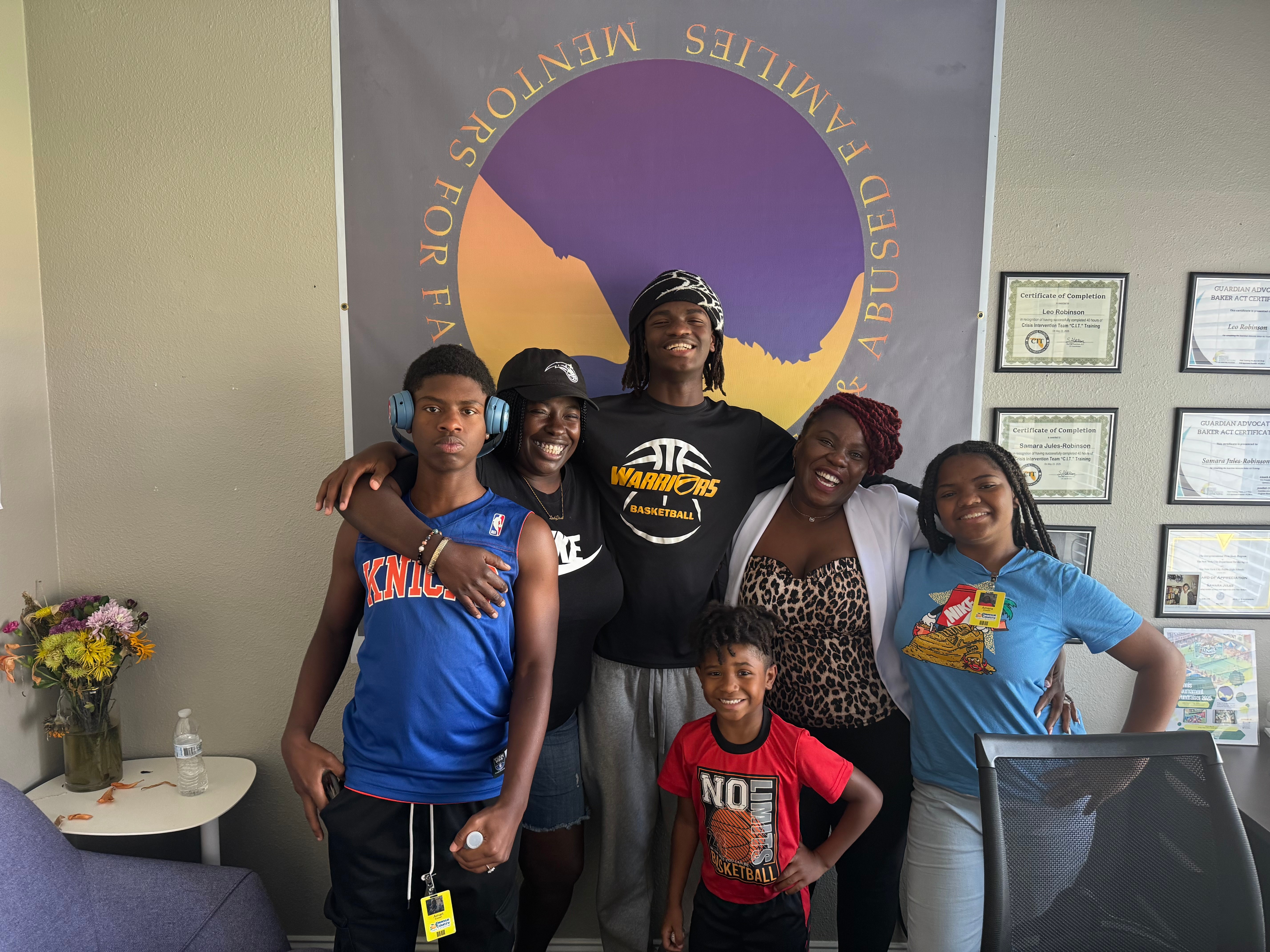

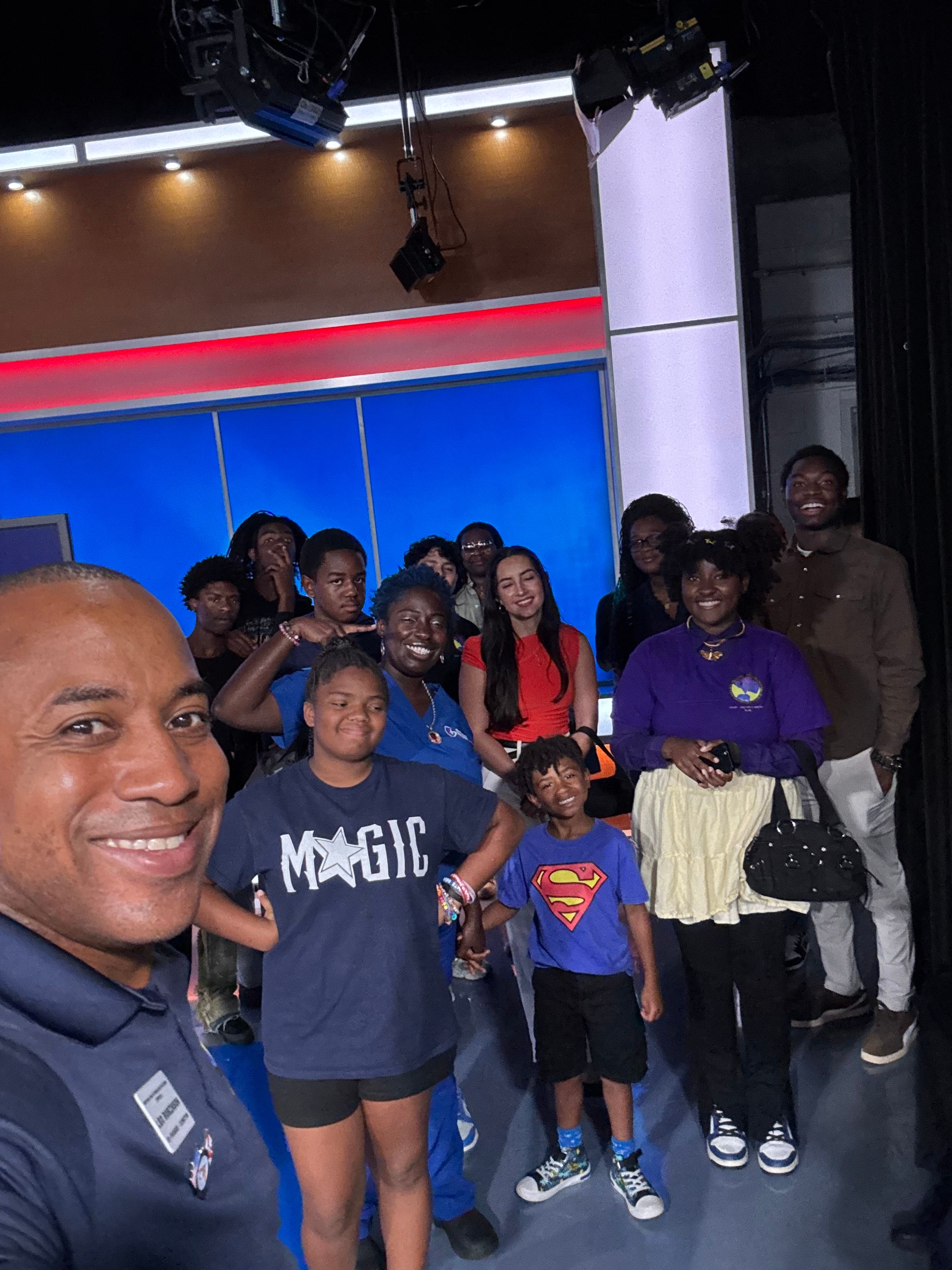
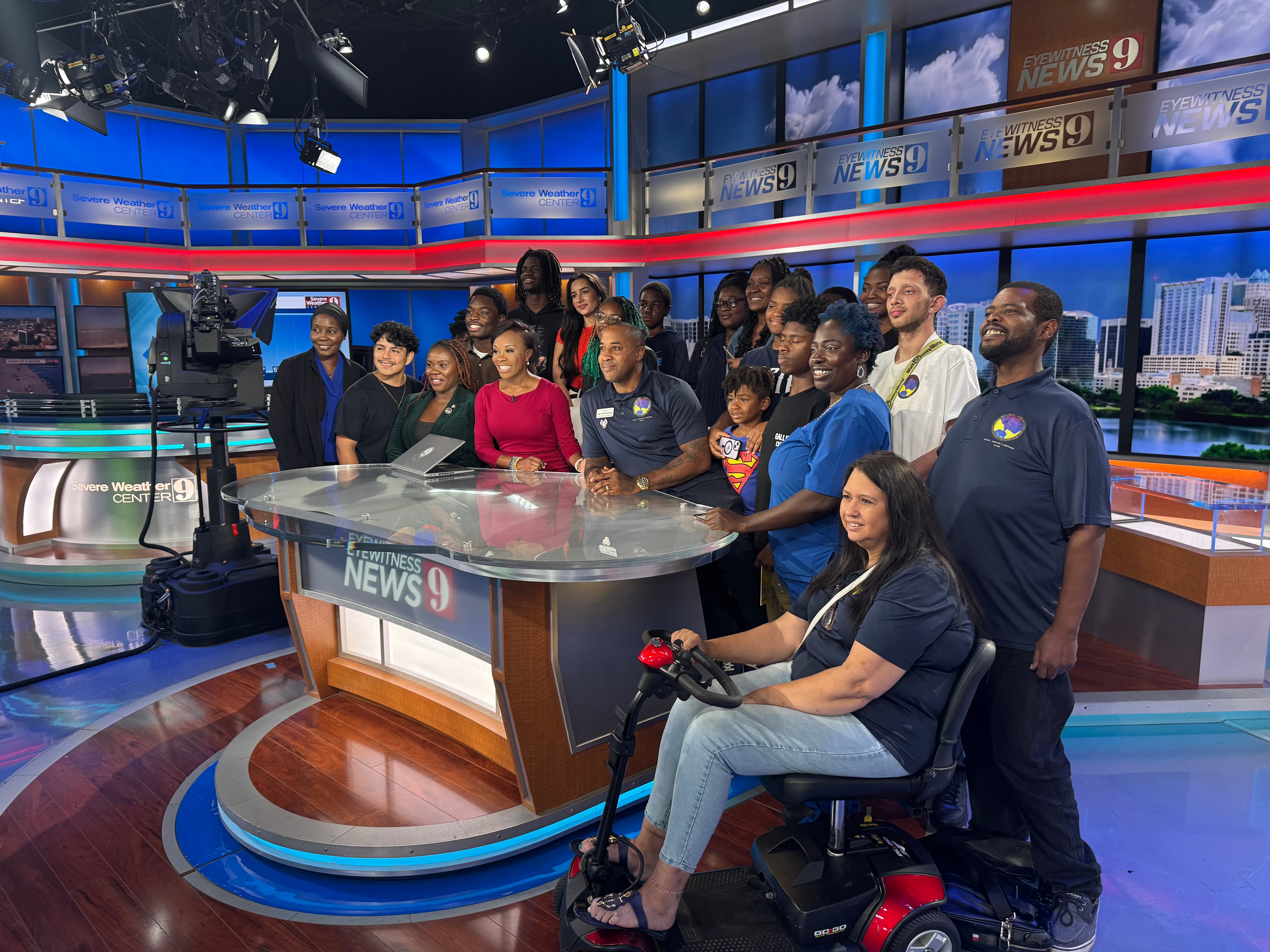


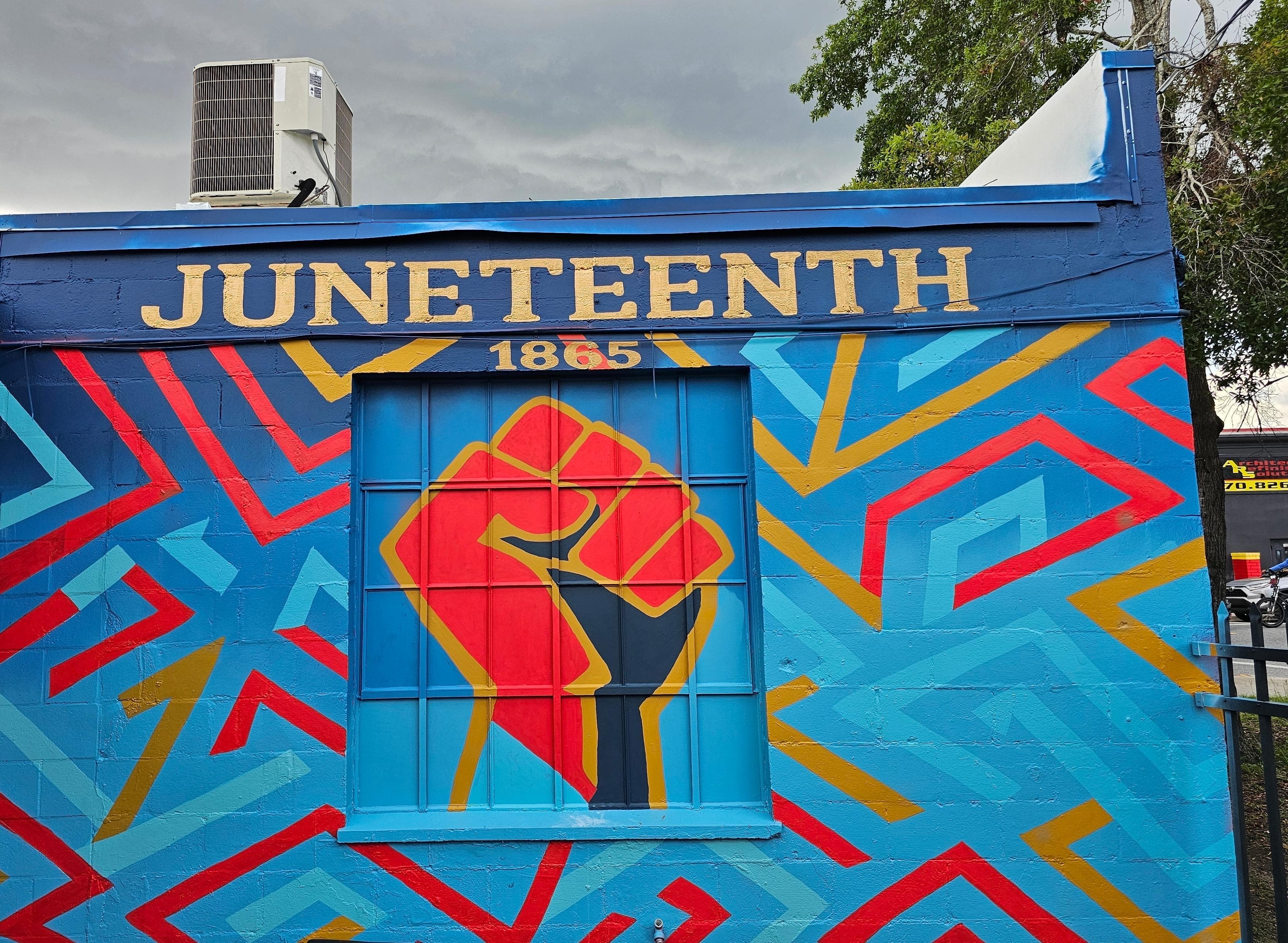
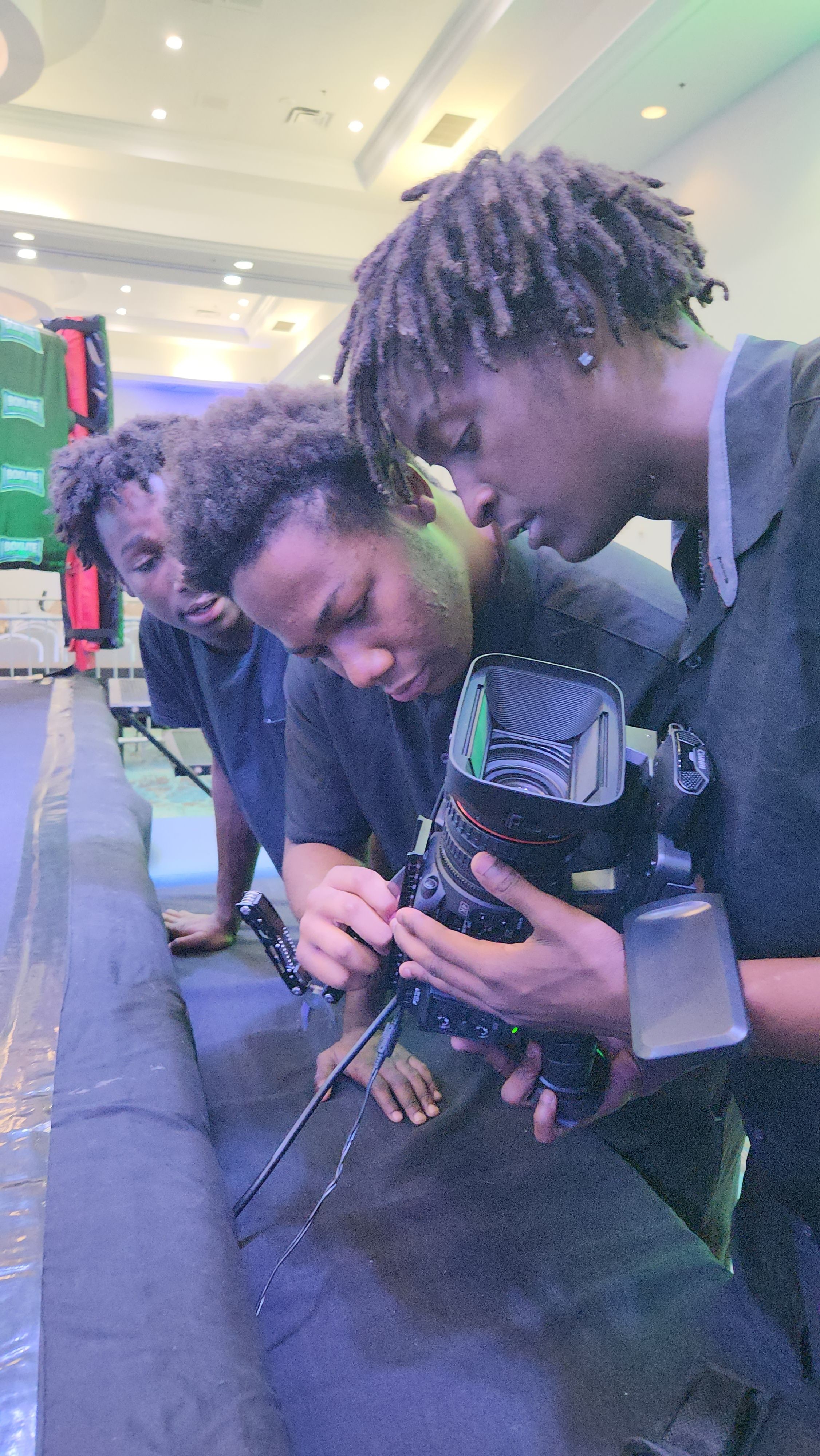
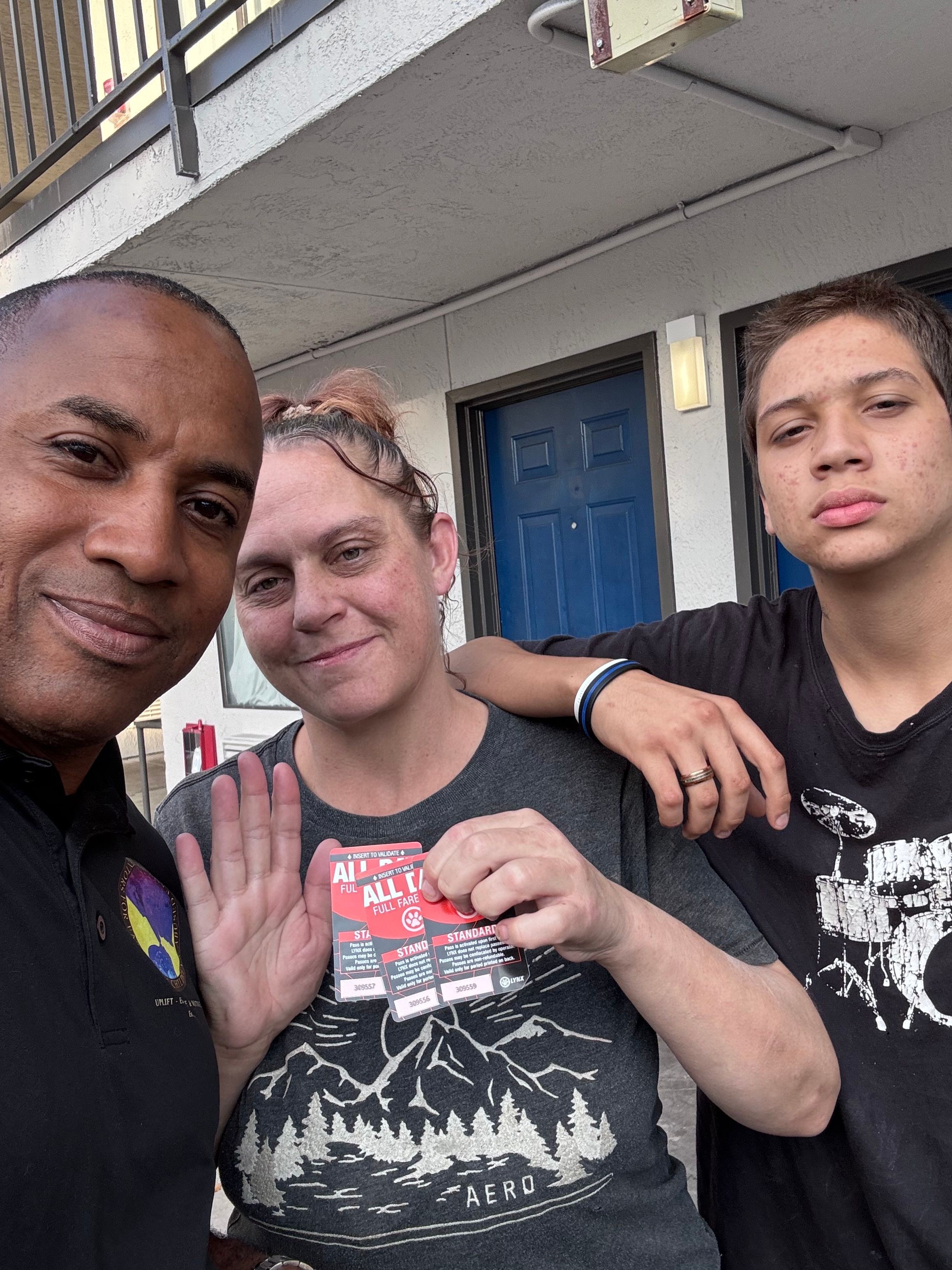
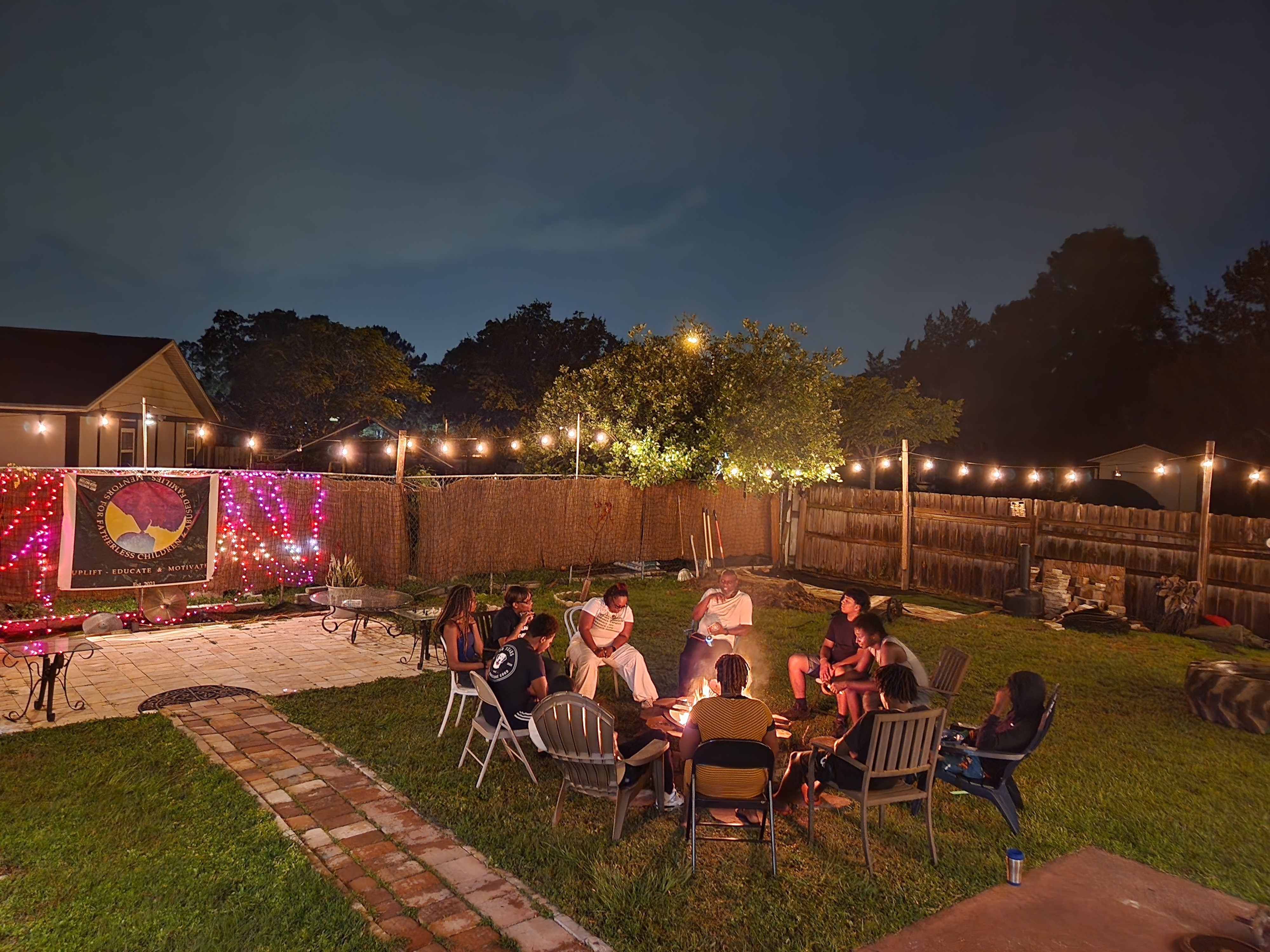
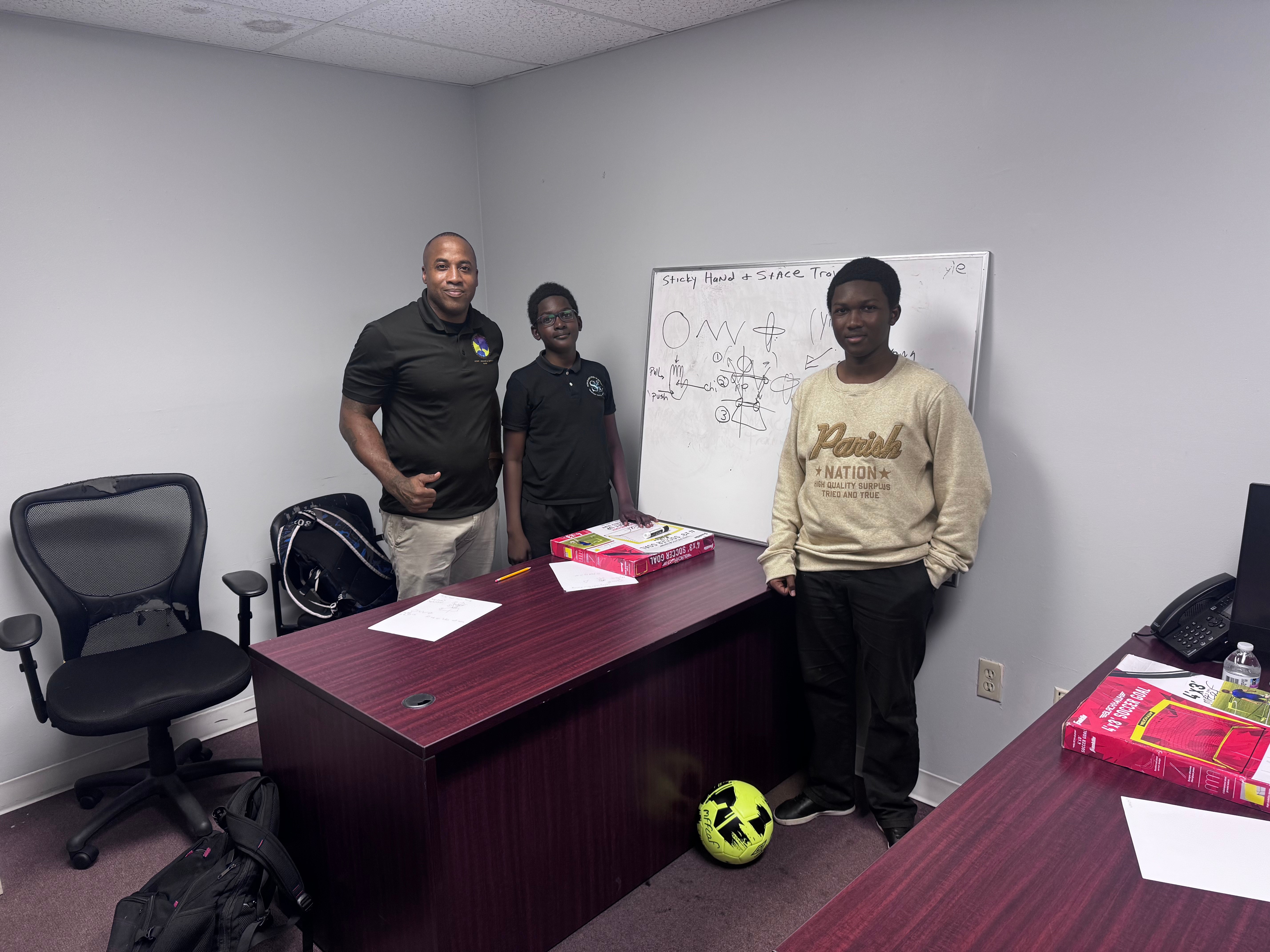

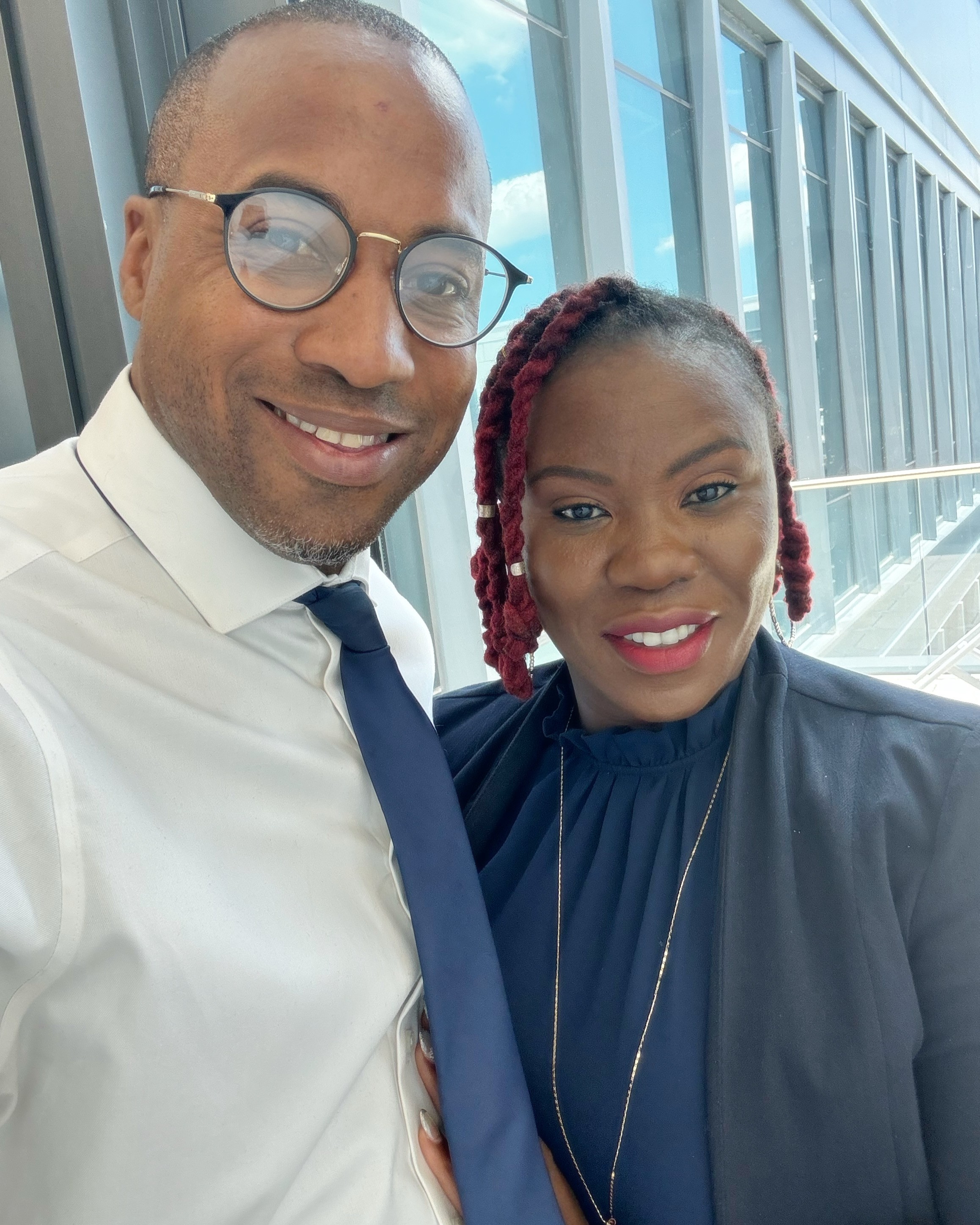

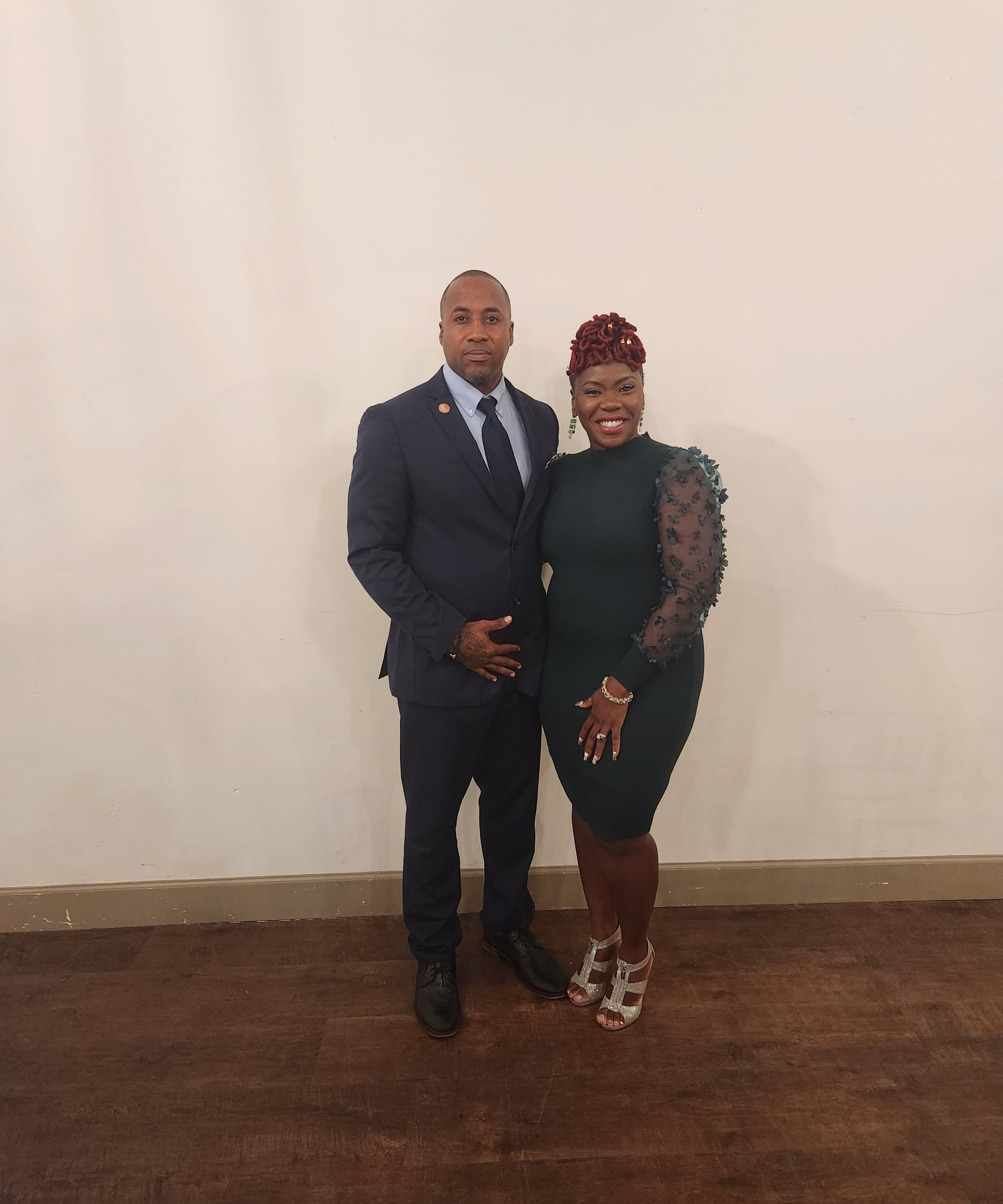
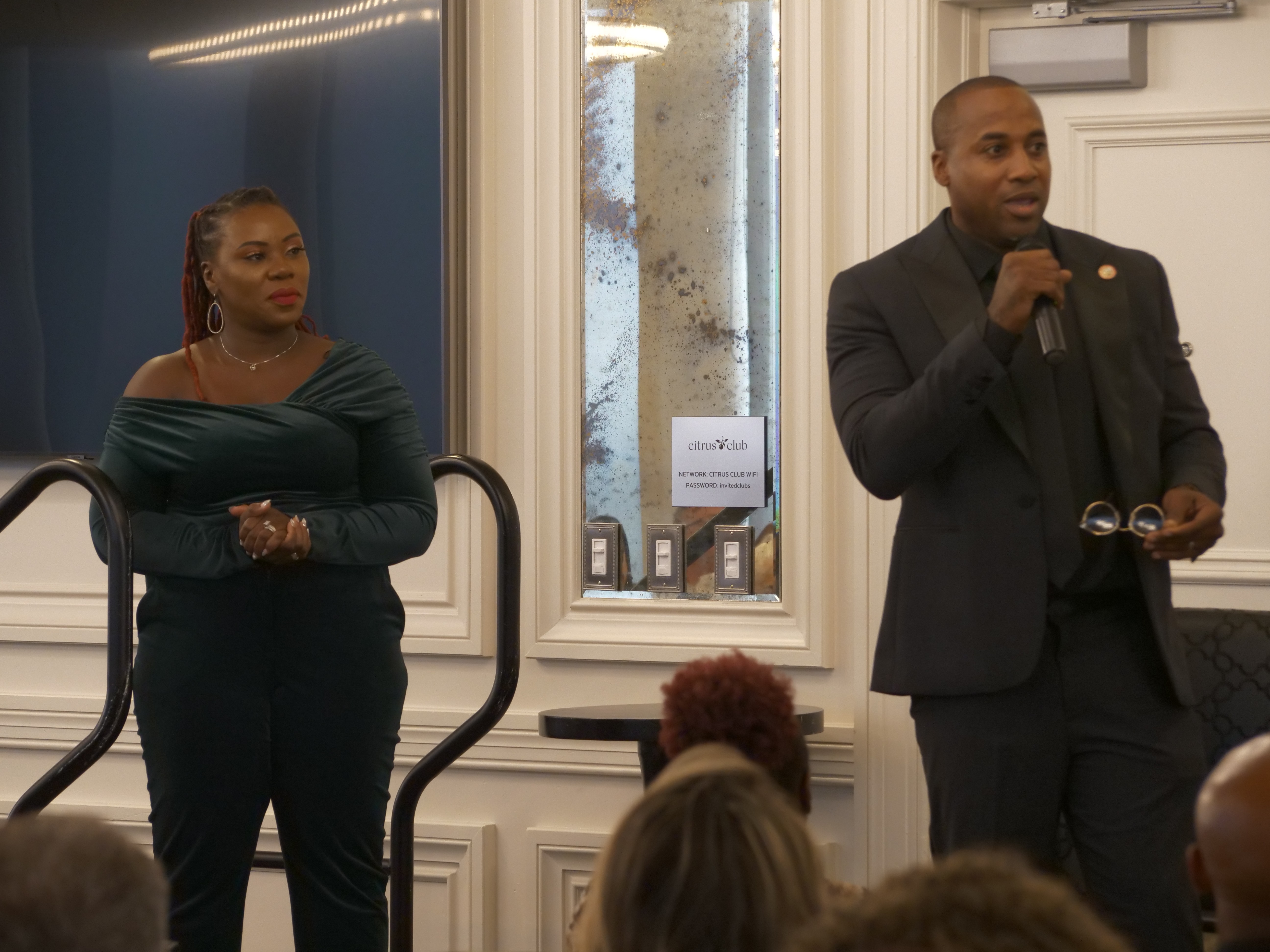
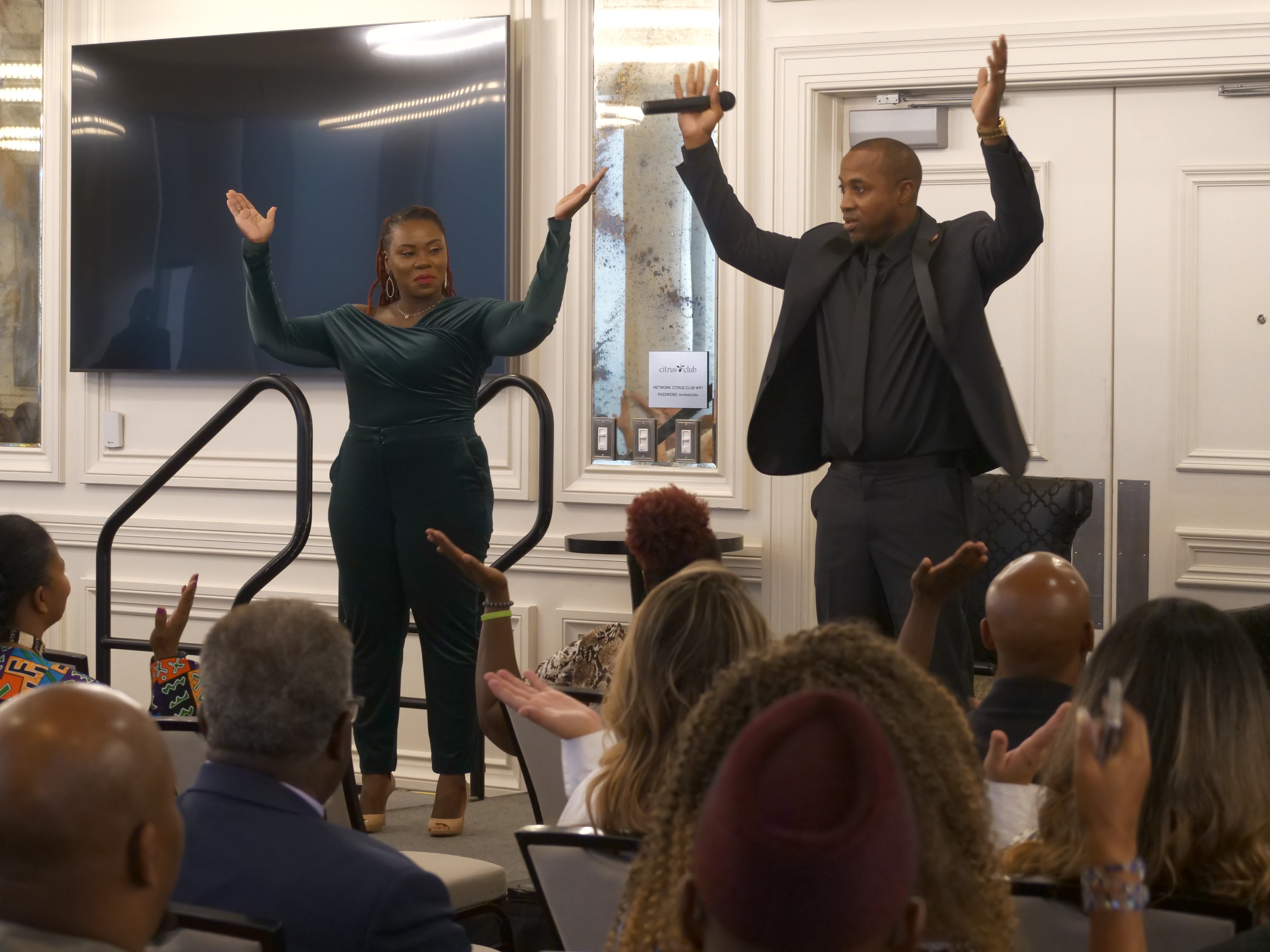
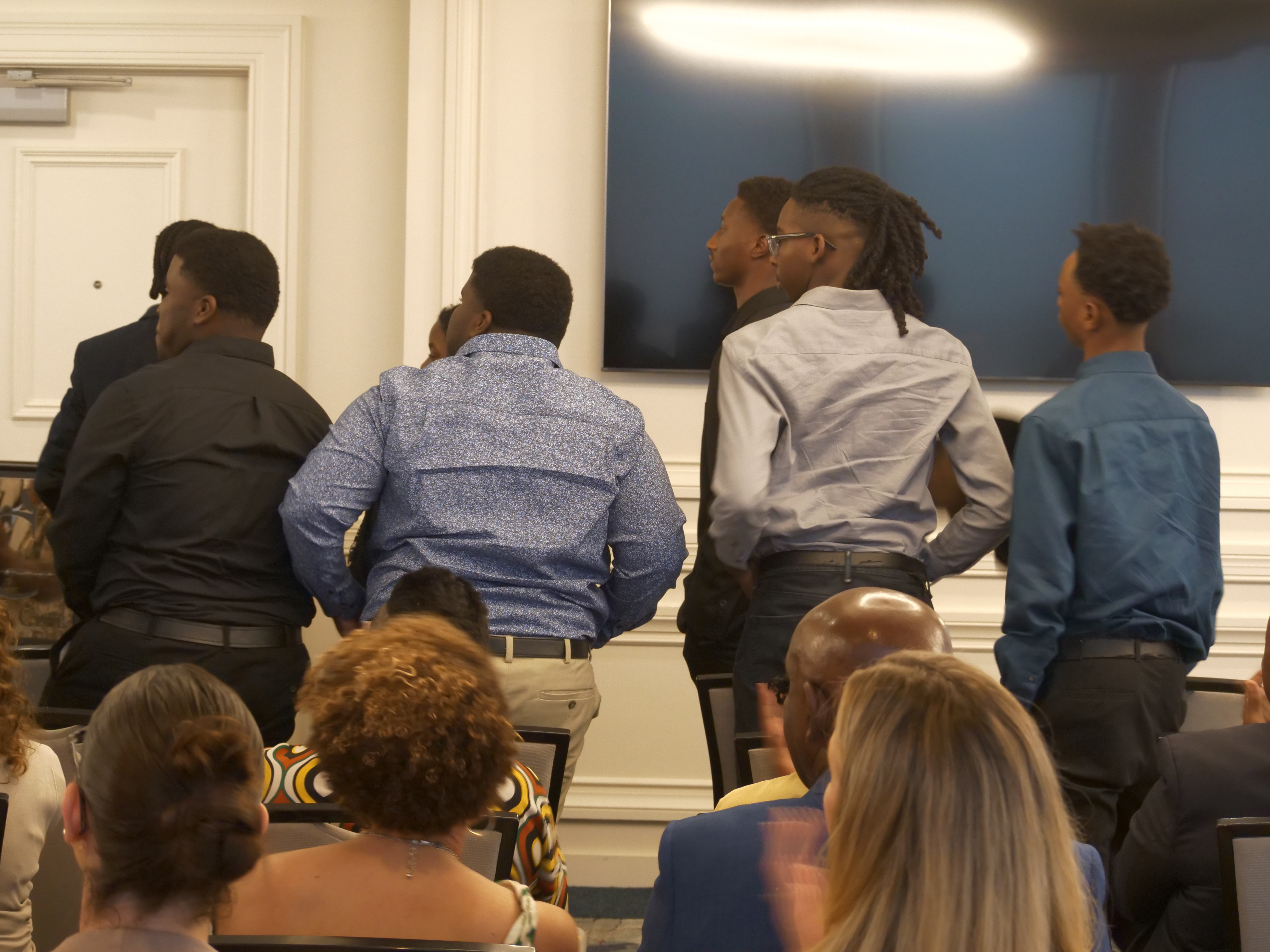
Image Credits
Mentors For Fatherless Children and Abused Families Program Events
Juneteenth Mural Event
MFCAF Downtown Orlando Office Activities
MFCAF Youth Fun Day Activities
MFCAF Family Engagement Events