



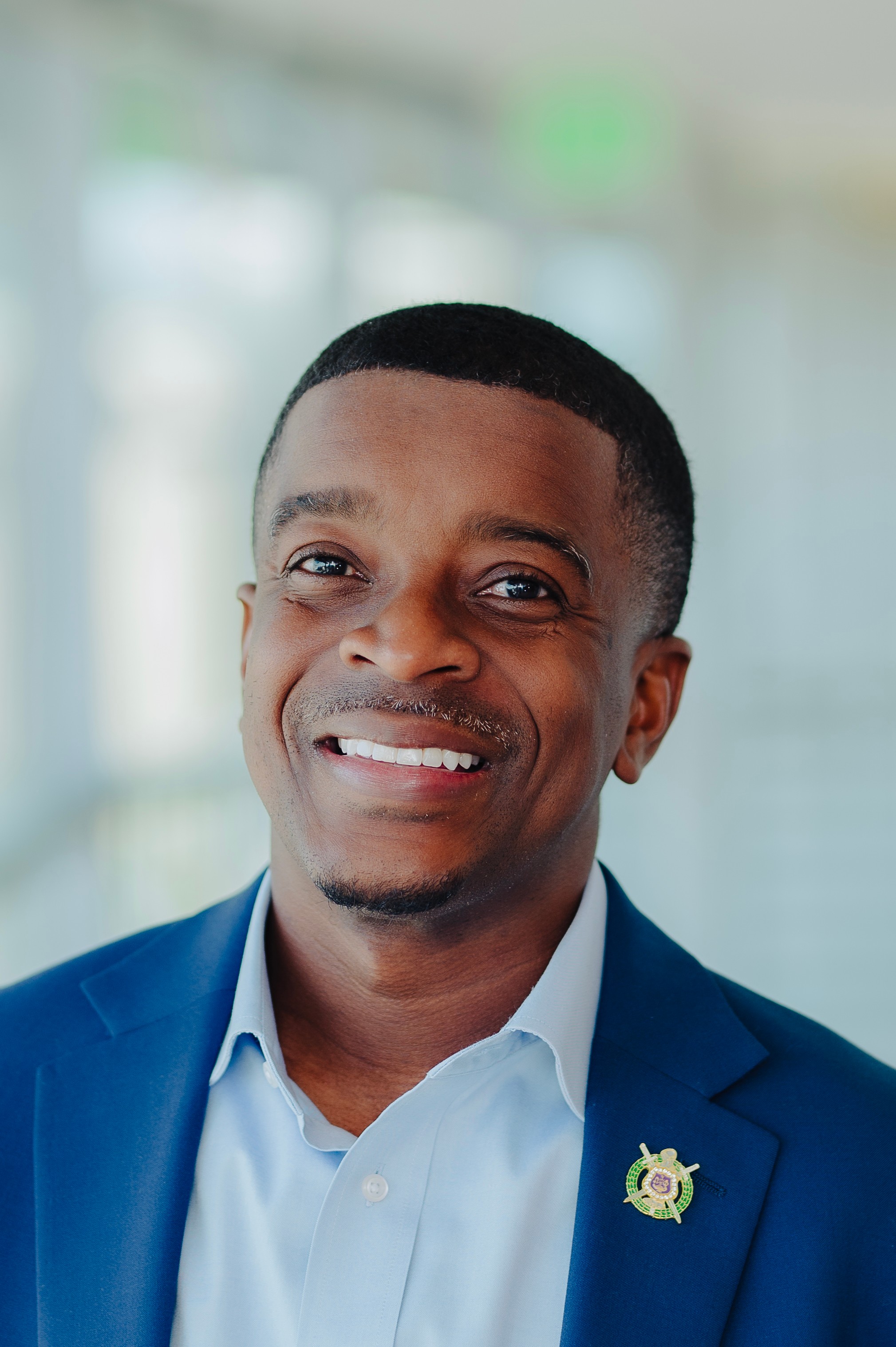
Today we’d like to introduce you to Kristopher Childs.
Alright, so thank you so much for sharing your story and insight with our readers. To kick things off, can you tell us a bit about how you got started?
My journey has always been rooted in mathematics, education, and a belief that children deserve powerful learning experiences.
I began my career as a mathematics teacher, and from the beginning, I became deeply interested in more than whether children could get the right answer. I wanted to understand what helped them build confidence, make sense of mathematics, and see themselves as capable thinkers.
That curiosity continued to shape my career. Over time, I moved from the classroom into school and district leadership, professional learning, curriculum development, and national education leadership. Each step gave me a broader view of what it takes to create meaningful learning for children and to support the educators and leaders responsible for making that possible.
Along the way, I founded The Mathematics Group, which has allowed me to work directly with schools, districts, organizations, and educators across the country. Through keynote speaking, professional learning, consulting, and mathematics experiences, I have been able to stay connected to the people doing the work every day.
More recently, I expanded that work to families. I created Kris Teaches Math, a children’s mathematics book designed to help young children build confidence and understanding in mathematics, and I continue to explore new ways to make high-quality mathematics more accessible beyond the classroom.
When I look at the different chapters of my career, they may appear very different: teacher, leader, author, speaker, entrepreneur. But the through-line has remained the same: helping create the mathematics experiences children deserve and helping the adults around them make those experiences possible.
I am still building, still learning, and still asking the same question that has followed me throughout my career: How do we make mathematics better for more children?
I’m sure it wasn’t obstacle-free, but would you say the journey has been fairly smooth so far?
One of the biggest challenges in my journey has been learning how to grow without losing the purpose behind the work.
As opportunities increased, so did the pressure to do more, say yes more often, and move faster. I had to learn that growth is not always about adding more. Sometimes it is about becoming clearer about what you do well, who you serve, and what you are willing to say no to.
Another challenge has been navigating spaces where new ideas can be met with resistance. Education is full of incredibly committed people, but it can also be slow to change. I have had to learn how to push thinking, challenge long-standing practices, and advocate for better experiences for children while still bringing people along in the process.
Entrepreneurship has also required me to become comfortable with uncertainty. Building a brand, creating new offerings, and putting your ideas into the world means there are no guarantees. Some ideas work immediately, some need to evolve, and some teach you what not to do next.
Those challenges have made me more focused. I have learned to trust the work, stay close to the people I serve, and keep asking whether what I am building is actually making a difference.
Alright, so let’s switch gears a bit and talk business. What should we know?
The Mathematics Group was created around a simple idea: mathematics should be meaningful, engaging, and accessible, and the adults who teach and lead mathematics deserve support that is equally thoughtful.
Our work centers on professional learning, keynote speaking, consulting, leadership development, and mathematics experiences for educators and organizations. I work with schools, districts, conferences, and education organizations across the country to strengthen mathematics teaching, improve instructional leadership, and help teams rethink the experiences they create for children.
What sets the brand apart is its practical focus. I care deeply about research and strong mathematics instruction, but I also believe educators should leave a session knowing what they can do differently tomorrow. Whether I am working with a classroom teacher, a school leader, or an entire district, the goal is to turn big ideas into actions that improve children’s experience with mathematics.
Over time, the brand has expanded beyond professional learning. I am also the author of Kris Teaches Math, a children’s book designed to help young children and families build confidence and understanding in mathematics. I have also been intentional about developing resources that help families see themselves as part of their child’s mathematics journey, not simply as people who help with homework.
Brand-wise, I am most proud that the work has remained connected to its original purpose as it has grown. The speaking engagements, professional learning, books, family resources, and digital experiences may look different, but they all come back to the same belief: children deserve powerful mathematics experiences, and we can help make those experiences possible.
I want readers to know that The Mathematics Group is not simply a consulting company or speaking brand. It is an evolving platform for improving how people experience, teach, lead, and think about mathematics.
What does success mean to you?
I define success by impact, not by titles, recognition, or how busy I am.
For me, success means knowing that something is better because I was part of it. Did an educator leave with a new idea they could use? Did a leader make a stronger decision for children? Did a family feel more confident supporting mathematics at home? Did a child begin to see themselves differently as a mathematics learner?
My definition of success has evolved. Earlier in my career, I probably measured it more by accomplishments and opportunities. Today, I think much more about alignment. Am I doing work that matters? Am I using my gifts well? Am I creating opportunities for others? Am I building something that can have an impact beyond my own involvement?
Success also means having the freedom to keep creating, learning, and taking meaningful risks while still being present for the people who matter most to me.
At the end of the day, I want my work to leave people, organizations, and communities better than I found them. That is the measure that matters most to me.
Contact Info:
- Website: https://www.kristopherchilds.com/
- Instagram: DrKChilds
- Facebook: https://www.facebook.com/drkchilds/
- LinkedIn: https://www.linkedin.com/in/drkristopherjchilds/
- Youtube: https://www.youtube.com/@DrKChilds