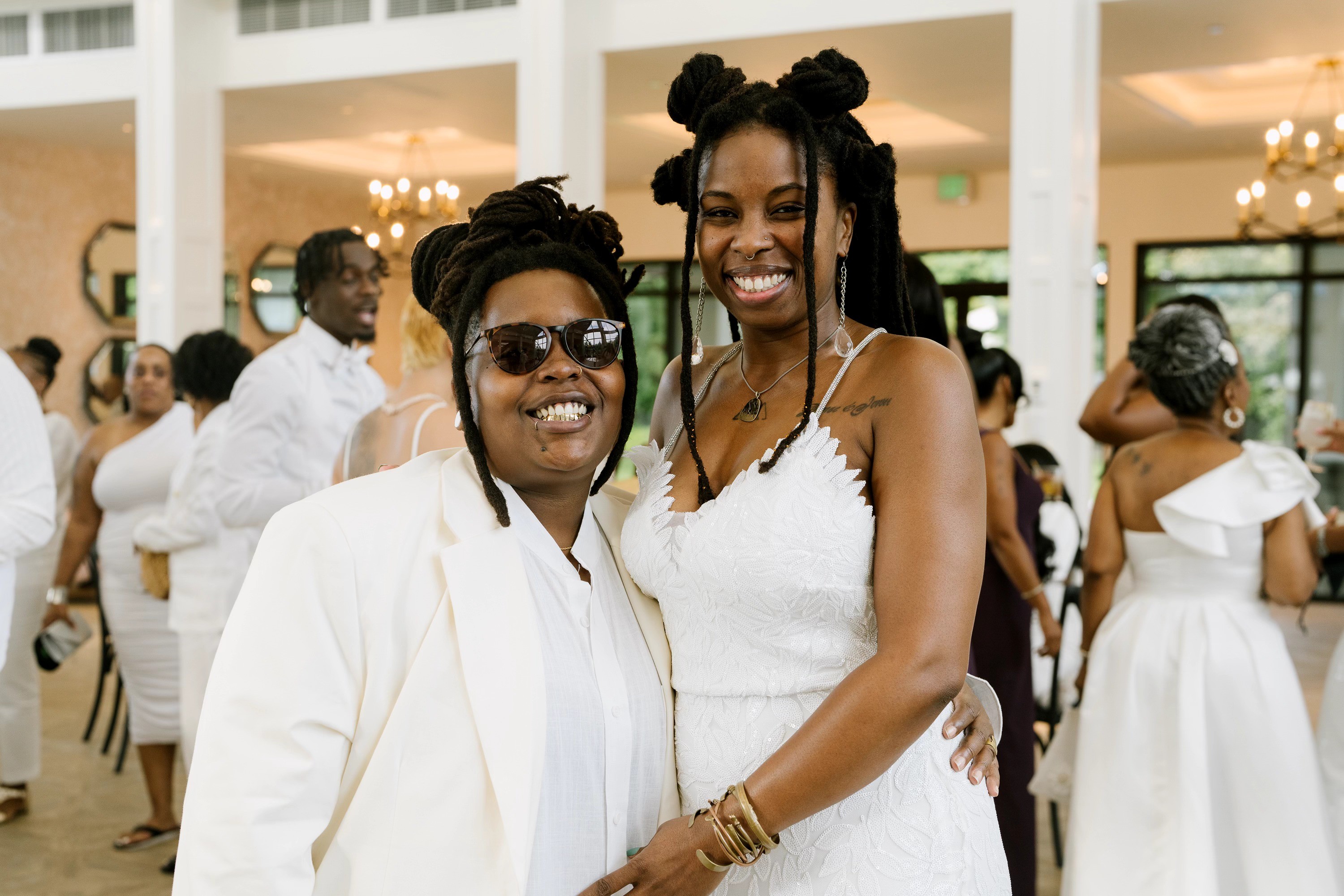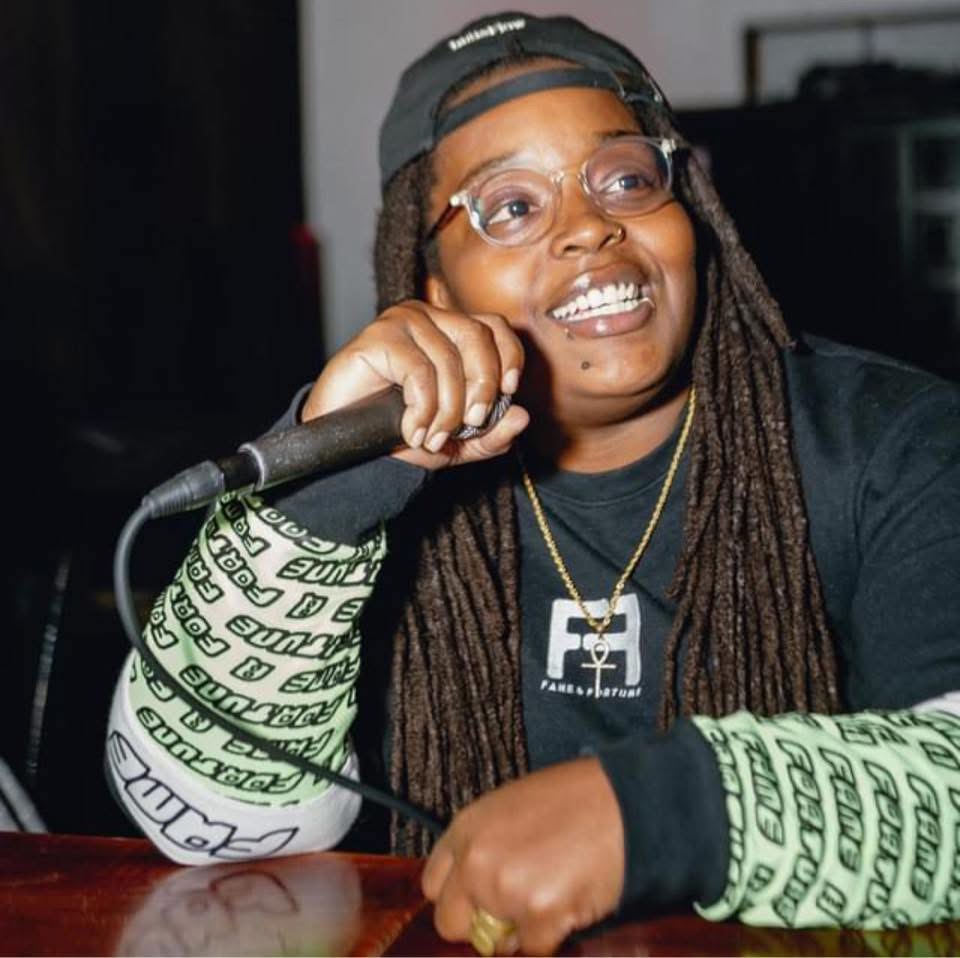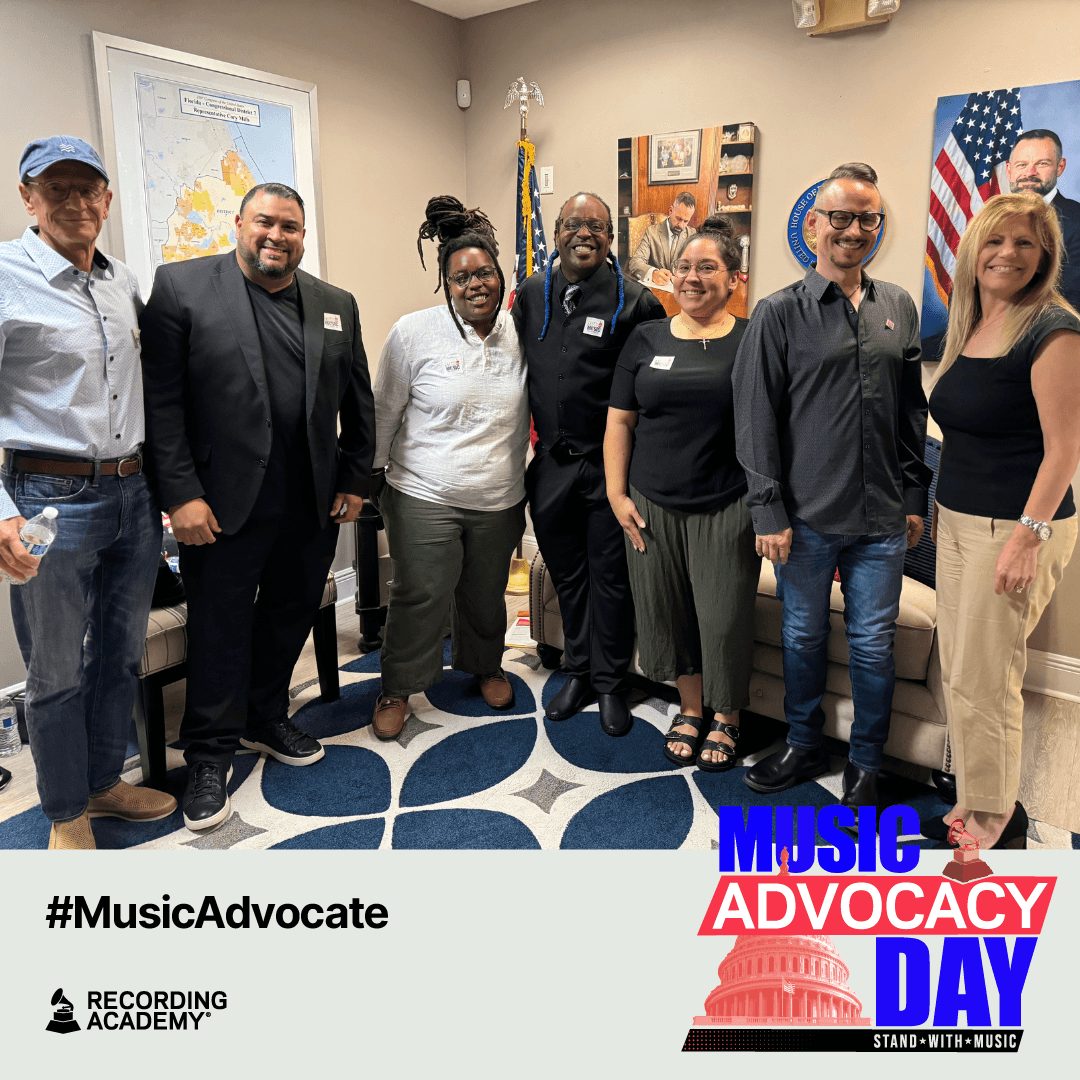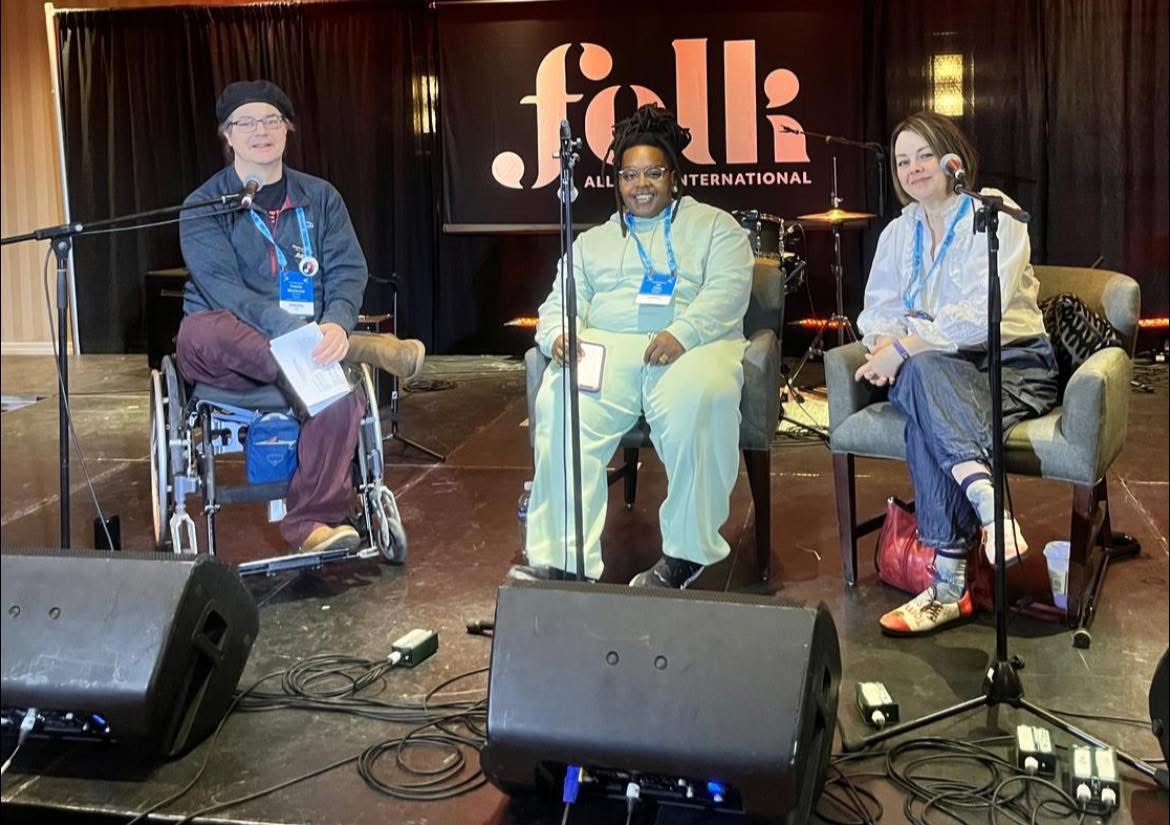



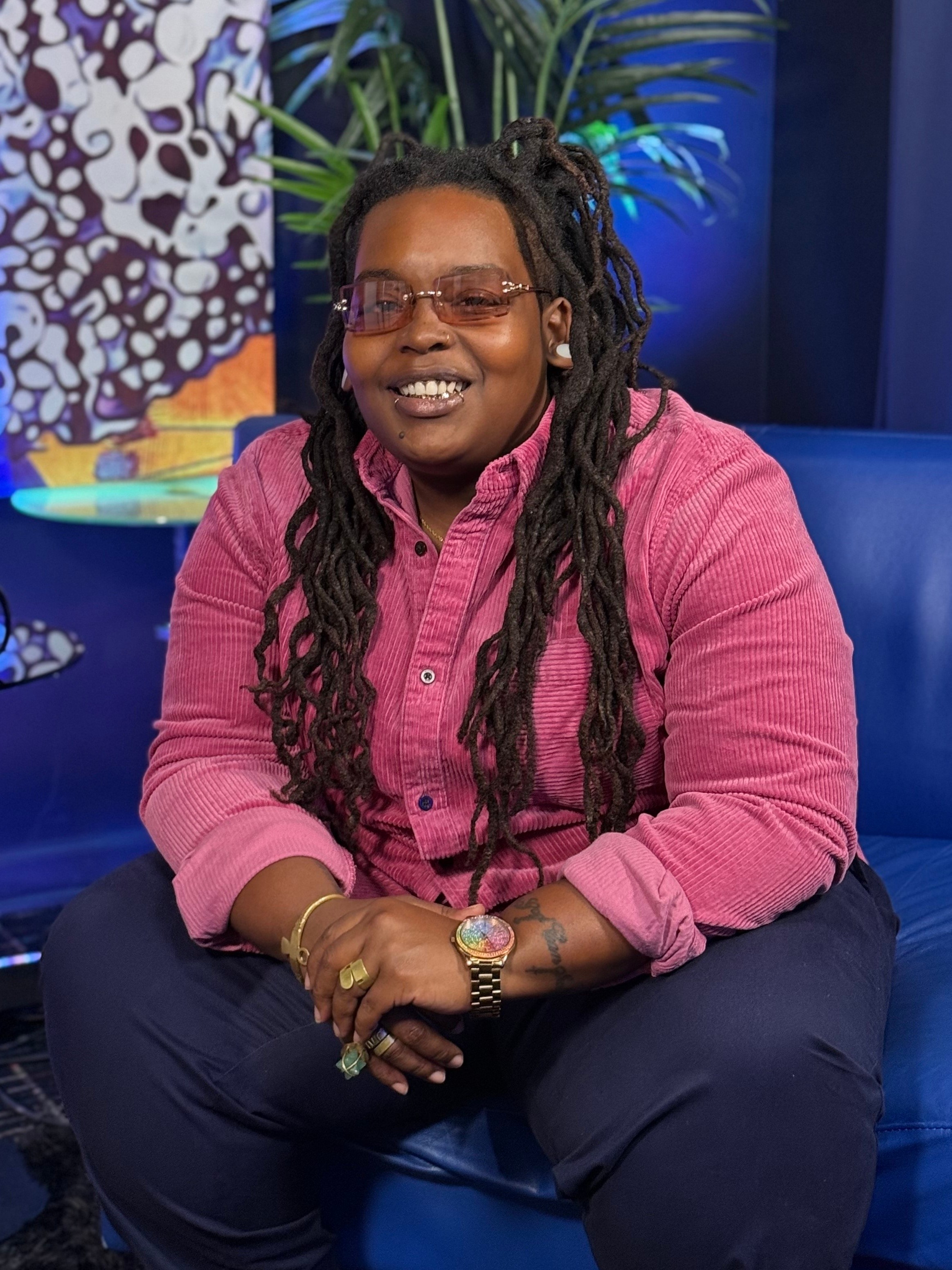
Jai Yoko shared their story and experiences with us recently and you can find our conversation below.
Jai, a huge thanks to you for investing the time to share your wisdom with those who are seeking it. We think it’s so important for us to share stories with our neighbors, friends and community because knowledge multiples when we share with each other. Let’s jump in: What is something outside of work that is bringing you joy lately?
What’s been bringing me the most joy lately is the community work I’ve been pouring into outside of my day-to-day. I’ve been building programs with the Boys & Girls Club—everything from teaching student-athletes about financial literacy, NIL deals, and mental wellness, to running a podcasting program in partnership with Rollins College. We’ve also done writing camps that give young creators space to really hone their talent. For me, it’s about giving back, opening doors, and reminding these kids that their voices matter. Watching them discover new skills and new confidence—it feeds me just as much as the work feeds them
Can you briefly introduce yourself and share what makes you or your brand unique?
I’m Jai Yoko, founder of Jai Yoko Ent., where I work as an Artist Development Specialist, Project Manager, and Rights & Royalty Manager. I’m also newly appointed Co-Chair of Education at SONA (Songwriters of North America).
Through Jai Yoko Ent., I’m in the trenches with artists—developing rollout plans, brokering deals (including with international labels), cleaning up catalogs, and making sure creators are actually collecting the royalties they’ve earned. A big part of my work is education: breaking down the music business in plain language and putting artists on game about how things really move behind the scenes.
We stay busy. One week I’m guiding a first-time creator through their debut release, the next I’m helping a more established artist restructure their catalog. No matter the level, my mission is the same: keep the music right, the business tight, and make sure artists walk away empowered to grow.
Okay, so here’s a deep one: Who were you before the world told you who you had to be?
I’ve always followed the beat of my own drum—it’s literally how I built the career I have now. A lot of people don’t know this, but I originally wanted to be a music producer. While most folks were content with just creating, I wanted to understand the rules of the game. That’s what pushed me into the business side of music—I taught myself how things worked behind the scenes so I could move with intention.
I’ve never been a follower. I’ve always been a rebel with a cause, telling the world who I am instead of letting the world tell me who to be. That mindset is what shaped not just my career, but the way I help artists today—making sure they own their story instead of letting the industry write it for them.
What did suffering teach you that success never could?
Suffering taught me something success never could—that I’m the one in control of my own destiny. A lot of my pain came from trying to be “normal,” trying to squeeze myself into a cookie-cutter lifestyle I was never built for.
Being neurodivergent, I had to learn how my brain really works, and that journey wasn’t easy. Years of struggling forced me to realize life is too short to live miserable. That suffering is what pushed me to step outside the box, to create a life and career that actually fits me. I needed those hard lessons to understand I didn’t have to live the way the world said I should—I could build something different.
Sure, so let’s go deeper into your values and how you think. What are the biggest lies your industry tells itself?
One of the biggest lies in the music industry is that vanity metrics equal success. Artists get told to chase streams, rack up followers, and be the most popular person on the internet. But that’s not what music was built on. Music has always been about community, culture, rebellion, and taking a stand—not just being the loudest voice in the room.
Another lie is that artists need a major label to “make it.” The truth is, ownership and independence are more powerful than ever, but the industry still sells the idea that you’re not validated until a big company signs off on you.
They also push the narrative that talent alone is enough. It’s not. You can be the most talented person in the world, but if you don’t understand your business, your rights, and your money, the system will eat you alive.
And then there’s the idea that every artist has to fit into one lane. The industry loves to box people in, when in reality the artists who last are the ones who break those boxes.
At the end of the day, a lot of the “rules” we’re told are just marketing myths. The real game is about building community, protecting your art, and moving with intention—not chasing numbers that don’t even pay the bills.
Before we go, we’d love to hear your thoughts on some longer-run, legacy type questions. Could you give everything your best, even if no one ever praised you for it?
Yes—without a doubt. I don’t do this work for praise, I do it because I know it’s the right thing to do. I’ve always said, especially when I’m speaking on panels or in classrooms, if I can reach just one person—help them realize they can make a living from their art—then I’ve done my job.
I don’t need applause or a crowd of people telling me I’m great. The reward for me is internal: knowing the knowledge I’m sharing is shifting someone’s perspective, giving them clarity, or helping them avoid a mistake that could’ve cost them everything. That’s the win. Praise fades, but impact lasts.
Contact Info:
- Website: http://www.jaiyokoent.com/
- Instagram: https://www.instagram.com/jaiyokoent/
- Linkedin: https://www.linkedin.com/in/jaiyokoent/
- Twitter: https://x.com/JaiYokoENT
- Facebook: https://www.facebook.com/JaiYokoENT/
- Youtube: https://www.youtube.com/@jaiyoko_ent