


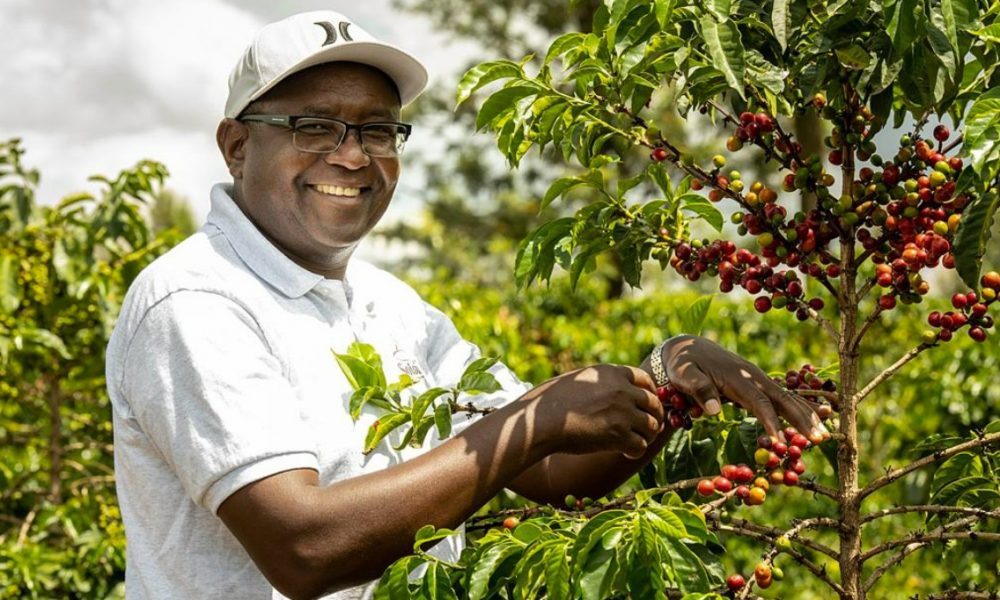
Today we’d like to introduce you to Lameck Omariba.
Hi Lameck, We are so excited to have you with us today. What can you tell us about your story?
Lameck Omariba Solai Coffee Co-Founder & COO
I was born and raised in a small coffee and tea farming village in Kisii County, located on Kenya’s western side. Growing up, I was involved in coffee farming, helping my parents with tasks around the farm, including coffee cherry-picking and going to the coffee processing factories, which were co-ops owned. In other words, “Kahawa is was Life” (Coffee is was life). I grew up in an era where coffee farmers were underpaid, and even today, they are! This is more evident in the small-scale farming business, with a broad representation of women and the youth. As the co-founder of Solai Coffee, one of my goals is to ensure women are empowered through fair compensation and access to education and resources. The effect is extraordinary because new opportunities for women will empower the community. In turn, children will have a chance to stay in school, ending child labor and poverty.
Many years ago, I visited a coffee shop in Minneapolis, Minnesota, and was struck by the price of a cup of coffee – that was what a farmer gets get paid per kilo of coffee. At that moment, I started thinking of importing coffee from Kenya. I brought the samples and sent them to the roasters in the USA and Canada but never heard from anybody – it was sad! At that moment, my idea died, but I never buried it!
As the years went by, our parents had a dream to export the coffee beans directly to the USA’s consumers as some farmers with the money, connections and the capacity would export their green beans to the USA. Three years ago, Solai Coffee was born. Peter Kuria and I founded the company to keep our parents and our small-scale farmers in Kenya to stay in the coffee business. Can you imagine that, right now, in Kenya, small-scale farmers are getting paid 30 cents per pound?
Alright, so let’s dig a little deeper into the story – has it been an easy path overall and if not, what were the challenges you’ve had to overcome?
It has been a challenging road. First, in the USA, attending marketing seminars, networking, making phone calls, belonging to local chapters, and attending coffee expos and fests all looked very promising in selling our Solai coffee on the fly, but this has not yet the case. Back in Kenya, getting the growers and export licenses took work. There was a lot of paperwork to plow through. Clear guidance and processes were not in place. The process was tiring. Shipping the coffee to the US was not easy as we started the time of COVID-19, and there were no containers in circulation. The containers were reserved for the big players, and the people were already networked in the shipping industry. However, we managed to get our container. Competing with established Kenyan coffee importers in the US took a lot of work. We found out that most of the Kenya coffee that is imported into the US is used by roasters to create blends to compete with more prominent coffee companies. Our low marketing budget makes educating about Kenyan coffee and the importance of direct and fair trade challenging. Most of our customers in the US have yet to taste Kenyan single-origin coffee. They hear stories that Kenya coffee is delicious, even better than Jamaica Blue Mountain, but is very expensive. However, the feedback we get from our customers they say they have never experienced coffee with fruity, floral, caramel, and black currant notes.
Can you tell our readers more about what you do and what you think sets you apart from others?
My professional journey is diverse. I serve as an IT analyst for Great River Energy and volunteer as the secretary for the Minnesota Kenyan International Development Association (MKIDA). I take pride in the projects I’ve contributed to throughout my career. What sets me apart from others is a unique blend of qualities. I am determined, a risk-taker, and possess a strong sense of perseverance. My patience and focus have earned me the trust of my co-workers and the community I serve.
If you had to, what characteristic of yours would you give the most credit to?
If I attribute my success to one characteristic, it would be flexibility. The ability to adapt and evolve with the ever-changing needs and challenges of the moment has been instrumental in my journey. Whether it is learning new information, marketing, adjusting to different environments, or responding to business needs, my flexibility has allowed me to navigate and manage various situations effectively.
Pricing:
- Kenya Specialty AA -12 oz- $14
- Kenya Specialty Pea berry (PB) 12oz- $14
Contact Info:
- Website: https://SolaiCoffee.com
- Instagram: https://www.instagram.com/solaicoffee
- Facebook: https://www.facebook.com/SolaiCoffee
- Twitter: https://www.twitter.com/SolaiCoffee
- Youtube: https://www.youtube.com/channel/UCUHuEp60RQ9ZN66tS5rsrJQ
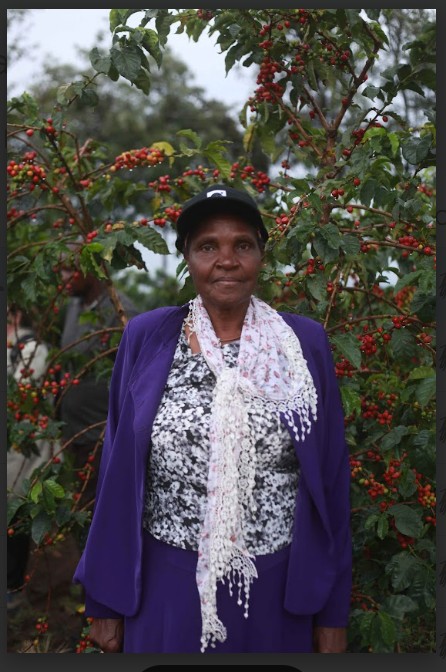
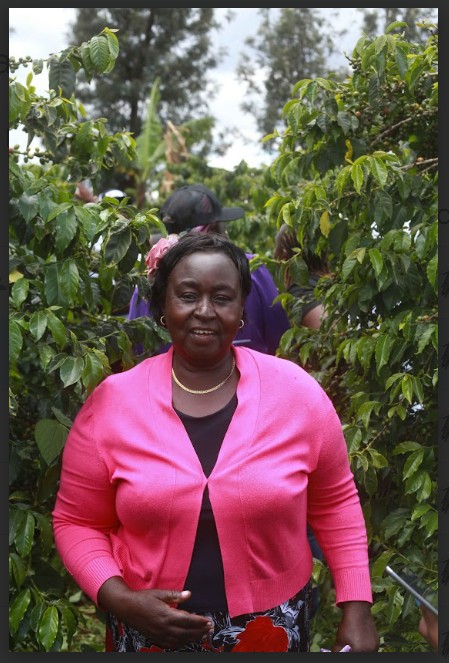
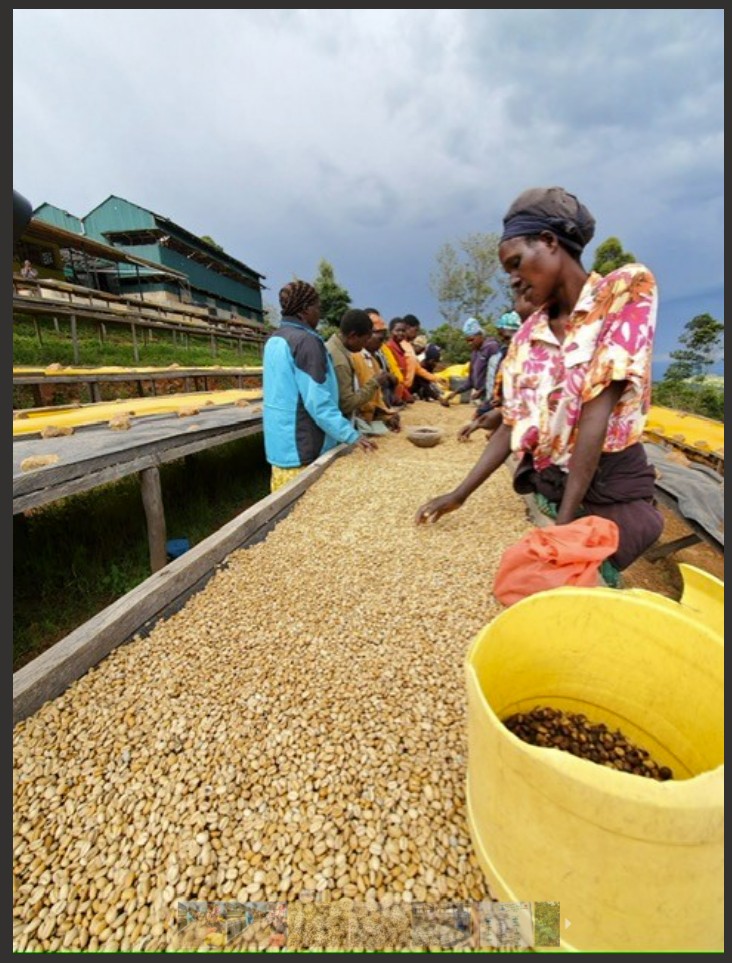
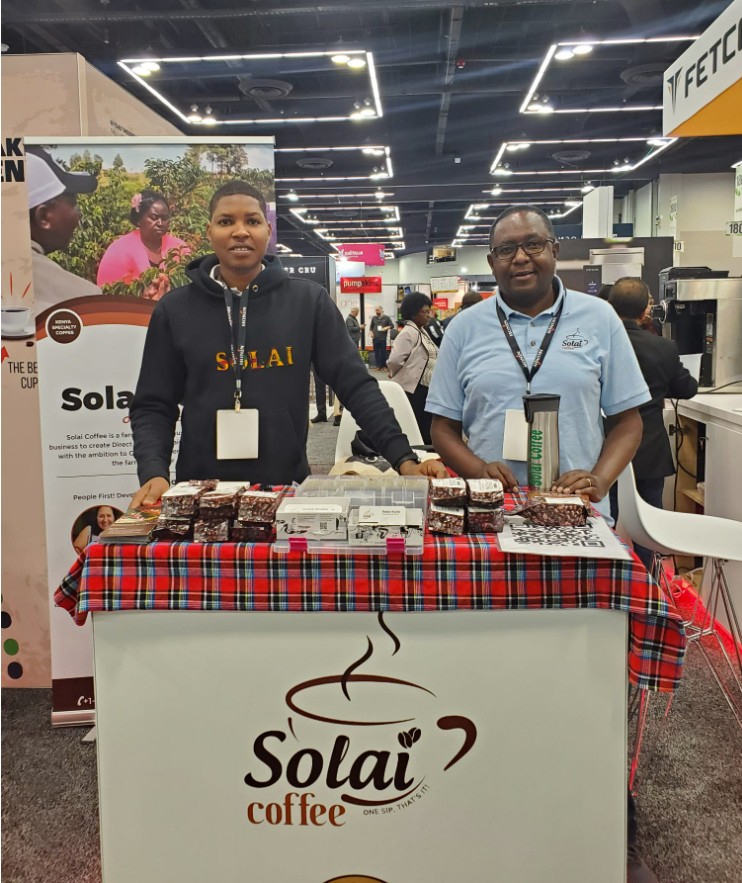
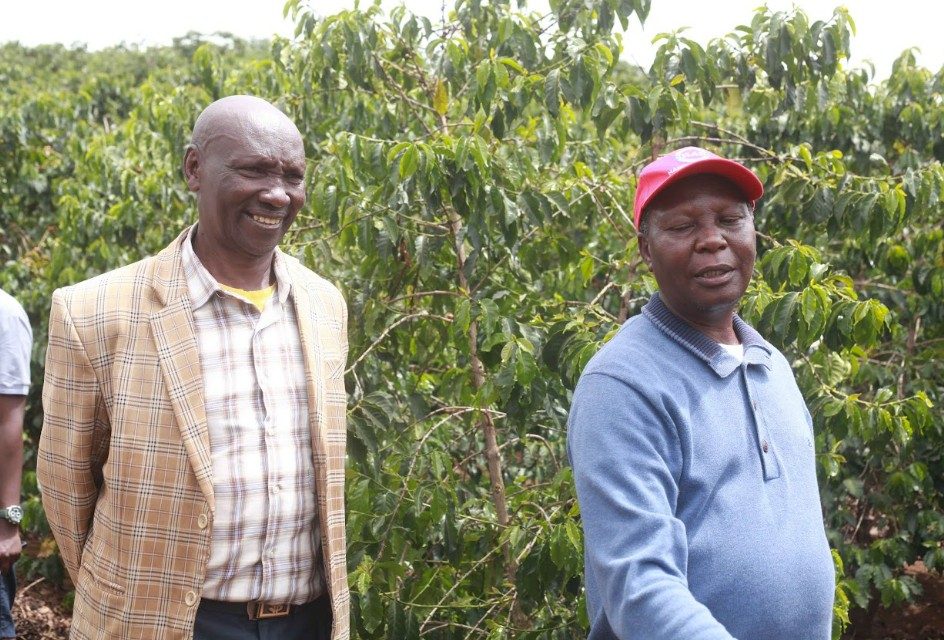
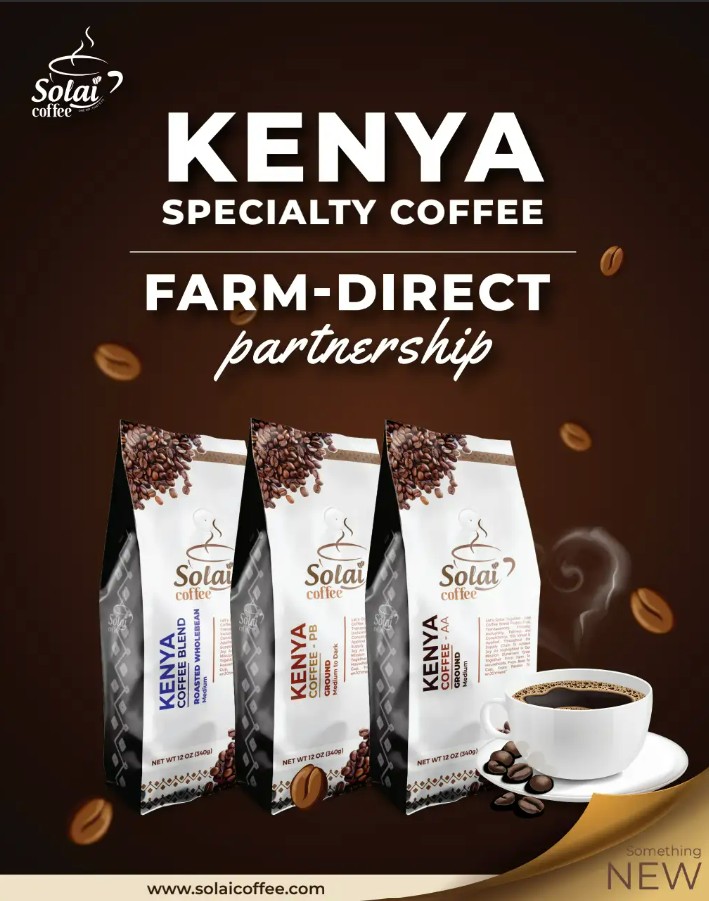
Image Credits
Wagika and Liwani – farm owners