




Today we’d like to introduce you to Ramon Perez
Hi Ramon, can you start by introducing yourself? We’d love to learn more about how you got to where you are today?
I joined the military after 9/11 and had various deployments to Iraq, Afghanistan, and elsewhere. I left the service in 2017 and have been working as a technology consultant focused on building AI and machine learning applications for governments and large companies. After the January 6th attacks on the US Capitol, I found myself wondering how I could have spent 13 years fighting for democracy in other countries, only to watch it start to crumble right here in the United States. I felt like I needed to take my technology expertise and put it to work in the cause of democracy reform, because I believe that there are serious structural deficiencies in our system of government that are in need of modernization. That’s how our non-profit, the Digital Democracy Project, was born.
Would you say it’s been a smooth road, and if not what are some of the biggest challenges you’ve faced along the way?
Any time you get involved with anything remotely political, you’re opening yourself up to public scrutiny. I have been accused of being in league with Governor DeSantis by some Democratic legislators. At the same time, our Project has been called “too liberal” by others on the right. As we have been producing scorecards for the past year now, the data is starting to shape up where we see which legislators are more closely aligned with the voters. That has made some legislators happy and others very critical (on both sides).
We don’t take a position on any legislative policy. We are simply providing a platform that allows voters to speak in a new way that was previously impossible. As such, there are several Republicans who are currently at the top of the leaderboard in the US Congress, and there are many Democrats in the top spots in the Florida State House. This indicates that voters are not so clearly tied to party labels as the media would like us to believe. When given concrete facts about legislation, not filtered through a media or political bias, people are able to use their own values and experience to decide which policies are best for their communities. This manifests itself in interesting ways, which don’t neatly align to a left versus right dichotomy.
This Project is still in its infancy, and we have a lot of work to do to expand to all 50 States, but the early results give me a lot of hope that the results will be worth the effort.
Great, so let’s talk business. Can you tell our readers more about what you do and what you think sets you apart from others?
We are using mobile voting software, which is used in real elections, to let voters tell their legislators in Tallahassee and Washington how to vote on bills as they are being debated. We then compare what voters wanted in the app to how their legislators voted on the same bills in the session, providing each representative with a scorecard to show how closely they match the will of the people. Our hope is to use this disruptive new technology to drive greater transparency and accountability, while still ensuring trust and security, so that voters can rebuild faith in a system that feels like it is no longer responsive to their needs.
How do you think about luck?
We were very lucky to put together a bipartisan coalition of Florida legislators who believe in this project. Senator Keith Perry (R-Ocala) and Representative Rita Harris (D-Orlando) both cosponsored a budget request to fund the Digital Democracy Project and got support from other Republicans and Democrats in both chambers. As a result, we were successfully able to get funding from the Florida Legislature passed in the 2024 budget.
Unfortunately, Gov. DeSantis later used his line-item veto power to cancel our funding. So, I guess you could say that we had good luck in generating bipartisan support, but bad luck in drawing the ire of the Governor! However, we’ll keep trying find support from non-profit foundations and other government grants. The work continues.
Pricing:
- Free to registered voters
Contact Info:
- Website: https://digitaldemocracyproject.org/
- Instagram: https://www.instagram.com/digital_democracy_project
- Facebook: http://facebook.com/digitaldemocracyproject
- Twitter: https://twitter.com/digitaldemoproj
- Youtube: https://youtube.com/@digitaldemocracyproject
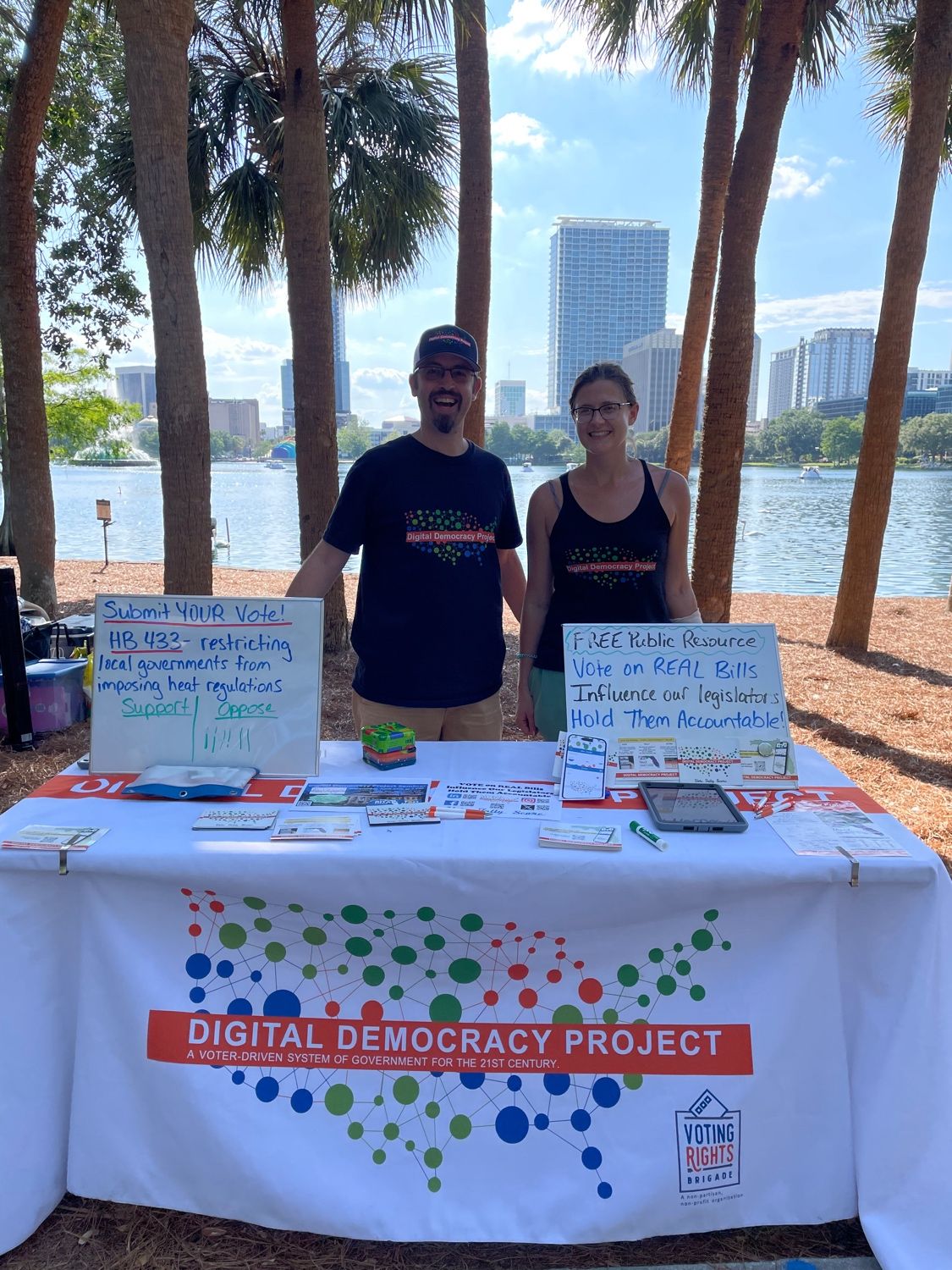
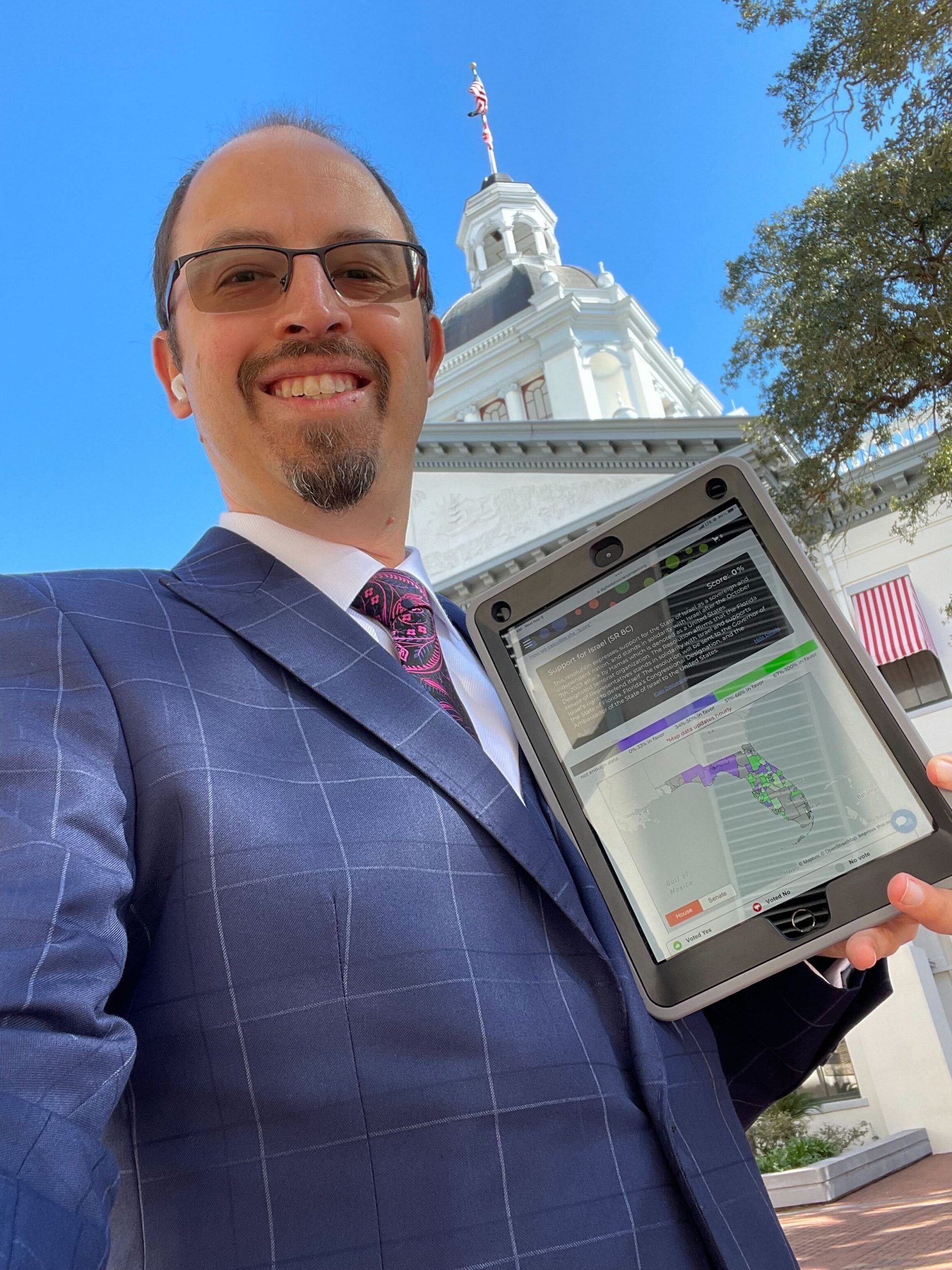
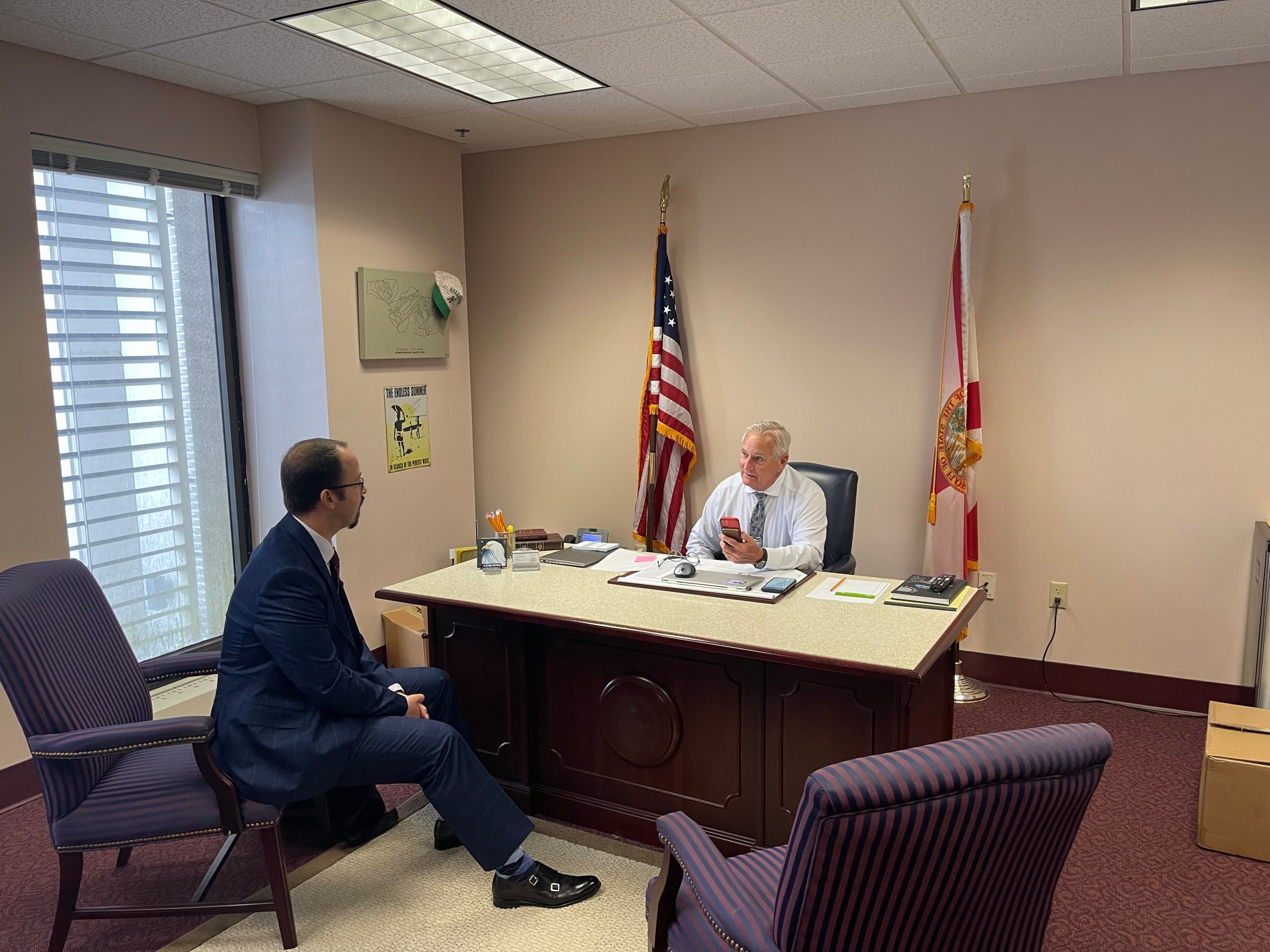
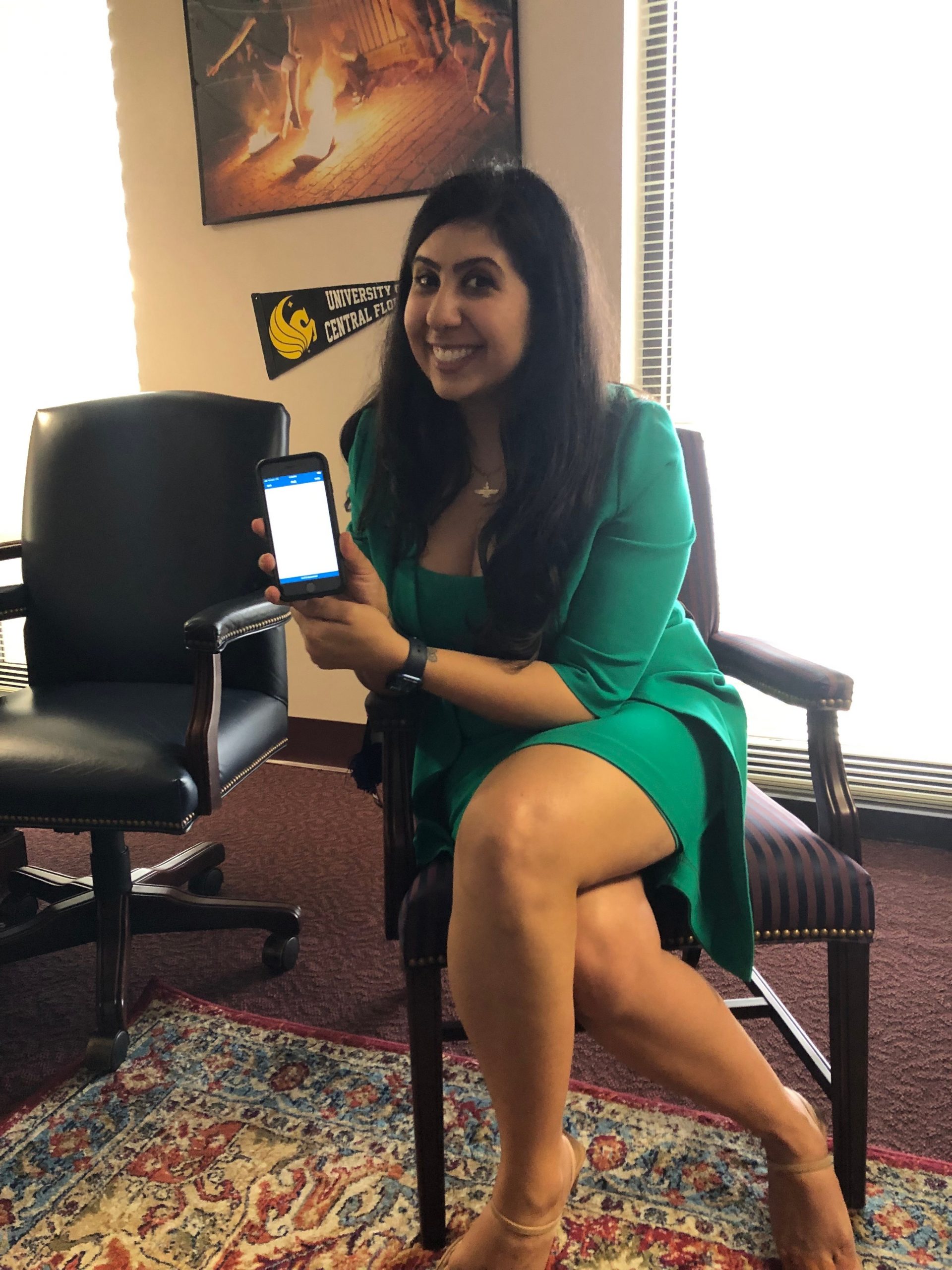
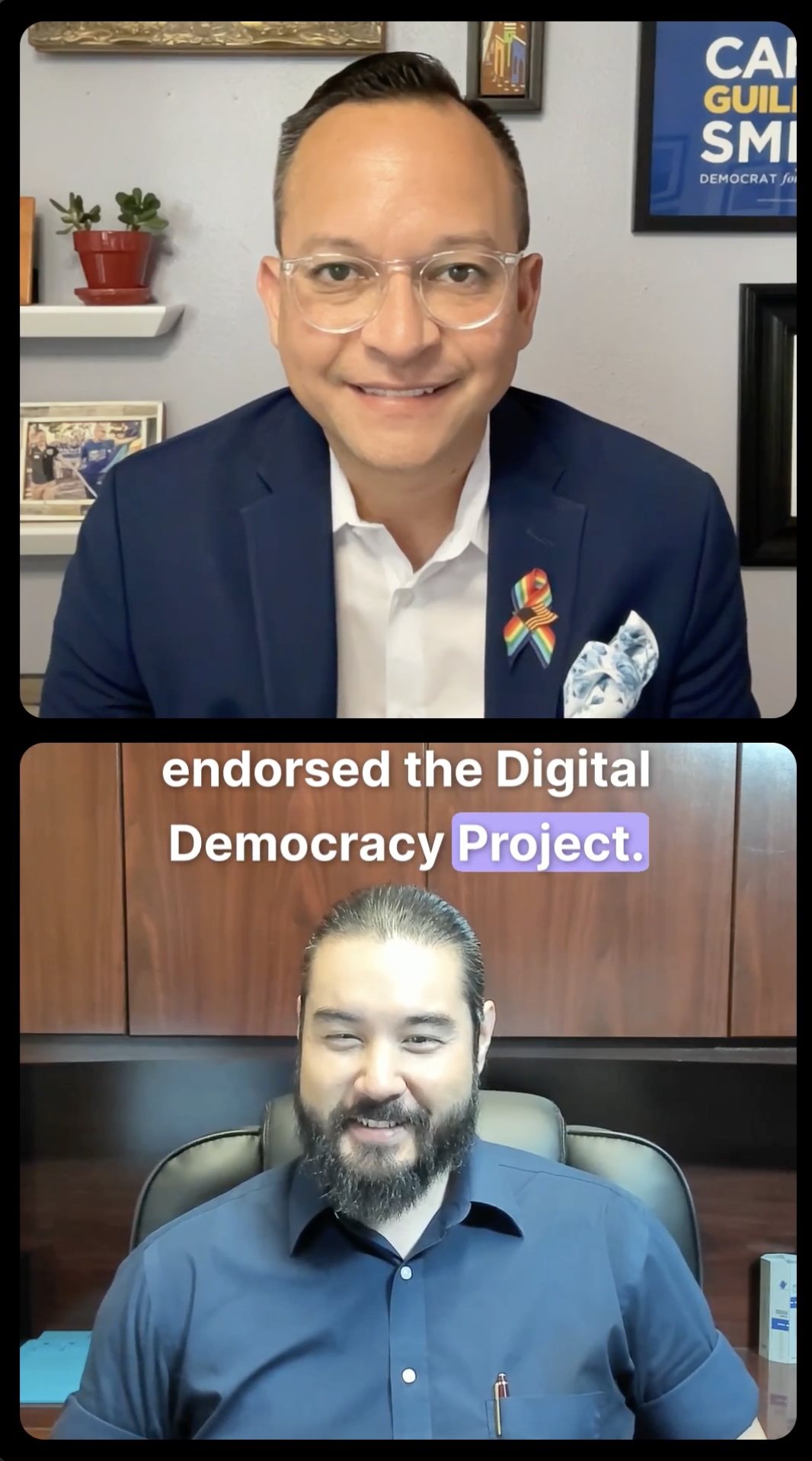
Image Credits
Public Domain License