



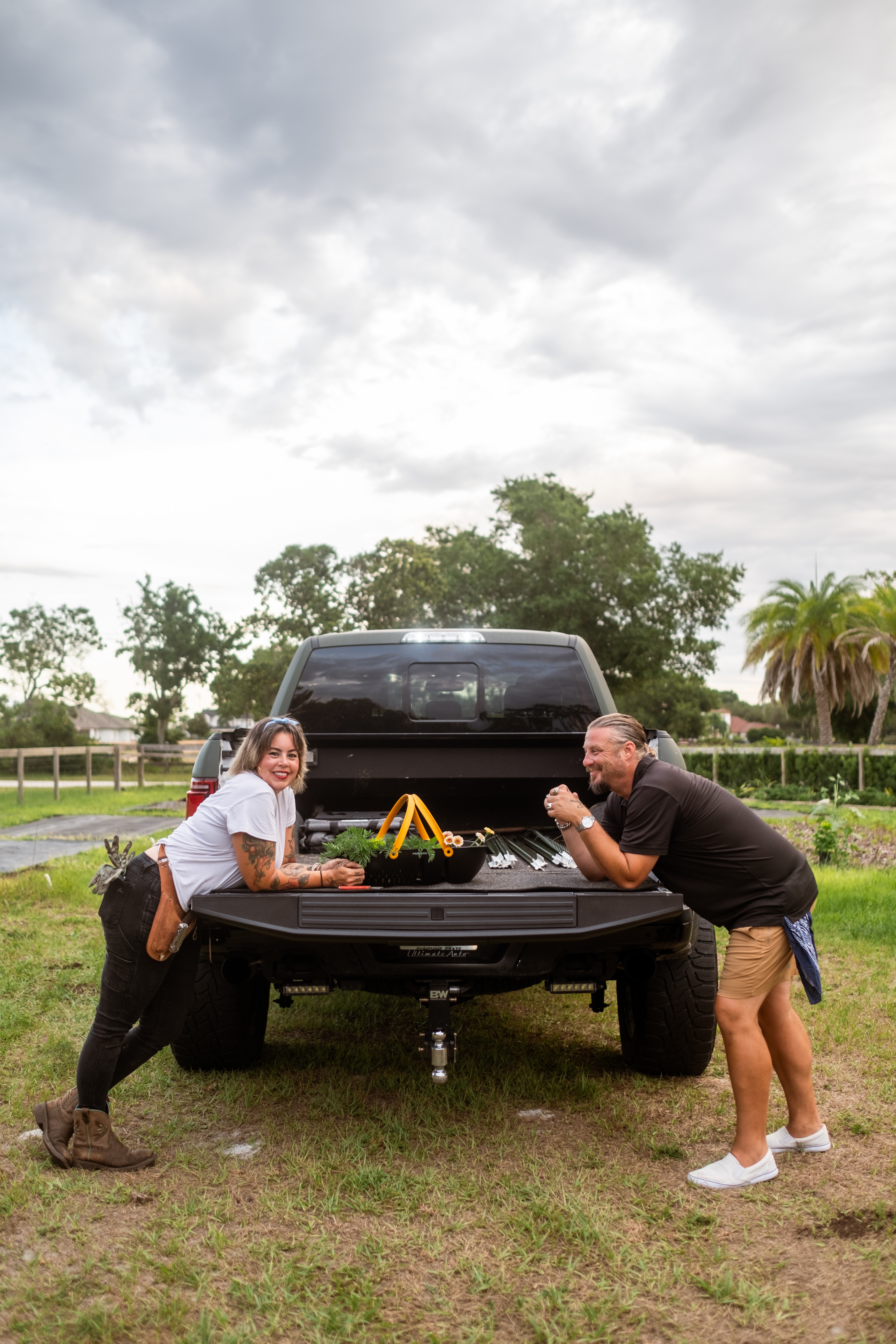
Today we’d like to introduce you to Bernadette Girvin
Hi Bernadette, so excited to have you with us today. What can you tell us about your story?
My journey to farming wasn’t exactly traditional. I spent years in the corporate world, working in leadership, training, and business development. I ran my own company with my partner, GFG Solutions, helping business owners streamline their operations and grow their brands. While I loved the work, I always felt drawn to something more tangible—something rooted in nature, sustainability, and real human connection.
That pull led me to farming. My husband, Charlie, and I started 4 Girvins Farm with the vision of producing real food, grown naturally, and creating a space where people could reconnect with where their food comes from. We started small, raising pastured poultry, eggs, and pork, along with naturally grown produce and cut flowers. Our focus has always been on regenerative farming, raising animals in a way that respects the land and growing food without synthetic fertilizers or pesticides.
As the farm grew, I realized that beyond just selling food, I wanted to create an experience—something that could truly bring people closer to what we do. That’s where our Farm to Table Dinner Series was born. These dinners are a way to invite people onto the farm, share a meal created from ingredients grown right here, and show them firsthand what makes real, local food so special.
Now, we’re continuing to grow—expanding our offerings, hosting events, and looking ahead to even bigger dreams for the farm. Through it all, our mission remains the same: to bridge the gap between everyday people and farmers, making high-quality, ethically raised food more accessible and appreciated.
Would you say it’s been a smooth road, and if not what are some of the biggest challenges you’ve faced along the way?
It definitely hasn’t been a smooth road—farming is rewarding, but it’s also demanding, unpredictable, and humbling.
One of the toughest challenges we’ve faced was losing half of our layer flock during Hurricane Milton last year. We knew hurricanes were always a risk in Florida, but nothing prepares you for the devastation of watching something you’ve built take such a hard hit. We did everything we could to protect our animals, but the storm was relentless. In the aftermath, we had to rebuild, re-evaluate, and push forward—because that’s what farming demands. It was a heartbreaking loss, but it also reinforced our resilience and commitment to what we do.
Beyond natural disasters, time management has been a big challenge. Coming from a structured corporate background, I was used to schedules, deadlines, and clear progress markers. Farming, however, doesn’t operate on a predictable schedule. The animals, the weather, and the endless to-do list don’t wait for a convenient time. Juggling farm work, deliveries, marketing, and customer outreach—while still making time for life outside the farm—has been a learning curve.
Another major challenge has been educating customers. Many people are used to grocery store convenience, and we’ve had to teach them why buying directly from a farmer is different—and worth it. For example, when people are used to just grabbing a pack of boneless, skinless chicken breasts at the store, it takes effort to show them how to use a whole, pasture-raised chicken and why it’s a better, more sustainable choice.
There have also been financial hurdles. Unlike traditional businesses, farming requires significant upfront investment—in infrastructure, feed, equipment, and animals—before you ever see a return. Plus, unexpected expenses always pop up, whether it’s a piece of equipment breaking down or a predator getting into the chicken coop.
Weather, of course, is another challenge. Farming in Florida means dealing with heat, hurricanes, and unpredictable rain patterns. A heavy storm can wipe out crops in minutes, and extreme heat can stress animals, so we’re constantly adapting and problem-solving to keep everything running smoothly.
Despite all of these struggles, it’s worth it. Seeing customers truly appreciate the food we produce, watching families enjoy our Farm to Table Dinners, and knowing that we’re helping people reconnect with real food makes all the hard work meaningful. Farming isn’t easy, but it’s fulfilling in a way that few things are.
Can you tell our readers more about what you do and what you think sets you apart from others?
At 4 Girvins Farm, we specialize in naturally grown produce and pasture-raised meats and eggs, but more than that, we focus on creating a deeper connection between people and their food.
One of the things we’re most known for is our pasture-raised eggs. Our hens are raised on pasture, where they can forage naturally, soak up the sun, and live as chickens should. This results in eggs that are richer in flavor and nutrition compared to conventional store-bought options. To make it easier for our customers to enjoy these high-quality eggs regularly, we offer an egg subscription service, ensuring they get a fresh supply of pasture-raised eggs on a consistent basis.
Beyond eggs, we’re known for our pastured poultry and pork, fresh vegetables, and cut flowers—all produced with regenerative farming principles that prioritize the health of the land and animals. We never use synthetic fertilizers or pesticides, and our animals are raised with care, never confined to factory-style conditions.
One of the things we’re most proud of is our Farm to Table Dinner Series. These events allow us to bring people onto the farm to experience firsthand what farm-fresh food really means. Sitting down at a beautifully set table, enjoying a meal made with ingredients grown right here, and sharing that moment with others—it’s an experience that goes beyond just food. It’s about storytelling, tradition, and reconnecting with nature.
What Sets Us Apart
A True Connection to Your Food – Unlike grocery store brands, we invite our customers to see exactly where and how their food is produced. They can walk our fields, visit our animals, and experience firsthand what goes into raising high-quality food.
Regenerative, Not Just Sustainable – We don’t just sustain the land; we work to actively improve it. Our methods enrich the soil, promote biodiversity, and create a healthier ecosystem.
Community-Focused Approach – Whether it’s through our egg subscription service, our direct-to-consumer deliveries, or our farm events, we focus on building real relationships with our customers. We want people to feel like they are part of the farm, not just a transaction.
Bringing Beauty and Nature Together – In addition to our farm-fresh food, we offer seasonal flower bouquets, crocheted blankets, and hand-poured candles—products that bring the warmth and beauty of the farm into everyday life.
At the end of the day, we’re not just selling food—we’re cultivating an experience, a lifestyle, and a community. That’s what makes 4 Girvins Farm different.
What sort of changes are you expecting over the next 5-10 years?
Over the next 5-10 years, I see local, regenerative farming becoming more essential than ever. Consumers are becoming more conscious about where their food comes from, and there’s a growing demand for transparency, ethical sourcing, and nutrient-dense foods. This shift will likely push small farms like ours to the forefront as people seek out alternatives to industrial agriculture.
Key Trends and Shifts in the Farming Industry
Regenerative Farming Will Become Mainstream
More farms will move beyond just “sustainable” practices to fully regenerative methods—improving soil health, increasing biodiversity, and creating closed-loop systems that benefit both the environment and the consumer. This is already gaining traction, but in 5-10 years, I expect it to become the gold standard for small farms.
Direct-to-Consumer Will Grow
People want to know their farmers and buy food directly from them. The traditional grocery store model is convenient, but more consumers are looking for quality over quantity. I expect subscription models, like our egg subscription service, and farm-direct delivery services to grow as people shift to buying their food straight from the source.
Consumers Will Demand Transparency
People want to know exactly how their food is grown, how animals are raised, and what’s in their food. Labels like “organic” and “free-range” are often misleading, so I believe we’ll see more emphasis on farmers telling their own stories through social media, farm tours, and events—something we’re already doing with our Farm to Table Dinners.
Local Food Will Compete with Big Ag
As more people become disillusioned with industrial farming, we’ll see a stronger shift toward local food systems. More co-ops, farm hubs, and direct-to-consumer models will pop up, allowing small farms to compete with larger supply chains. The biggest challenge will be making small farms financially viable, but as consumers prioritize quality and ethics, I think we’ll see a rise in demand for farms like ours.
Farm Experiences Will Become More Popular
Beyond just selling food, people want experiences. Whether it’s farm dinners, educational workshops, or agritourism, farms will become places where people engage with food in a meaningful way. That’s why we’re leaning into on-farm events, creating experiences where people can see firsthand what goes into growing their food.
Pricing:
- $7/doz for eggs
Contact Info:
- Website: https://www.4girvinsfarm.com
- Instagram: @4_girvinsfarm
- Facebook: https://www.facebook.com/profile.php?id=100094159266929
- LinkedIn: https://www.linkedin.com/in/bernadette-girvin-30b0058a/
- Other: https://cozycooprentals.com/collections/all
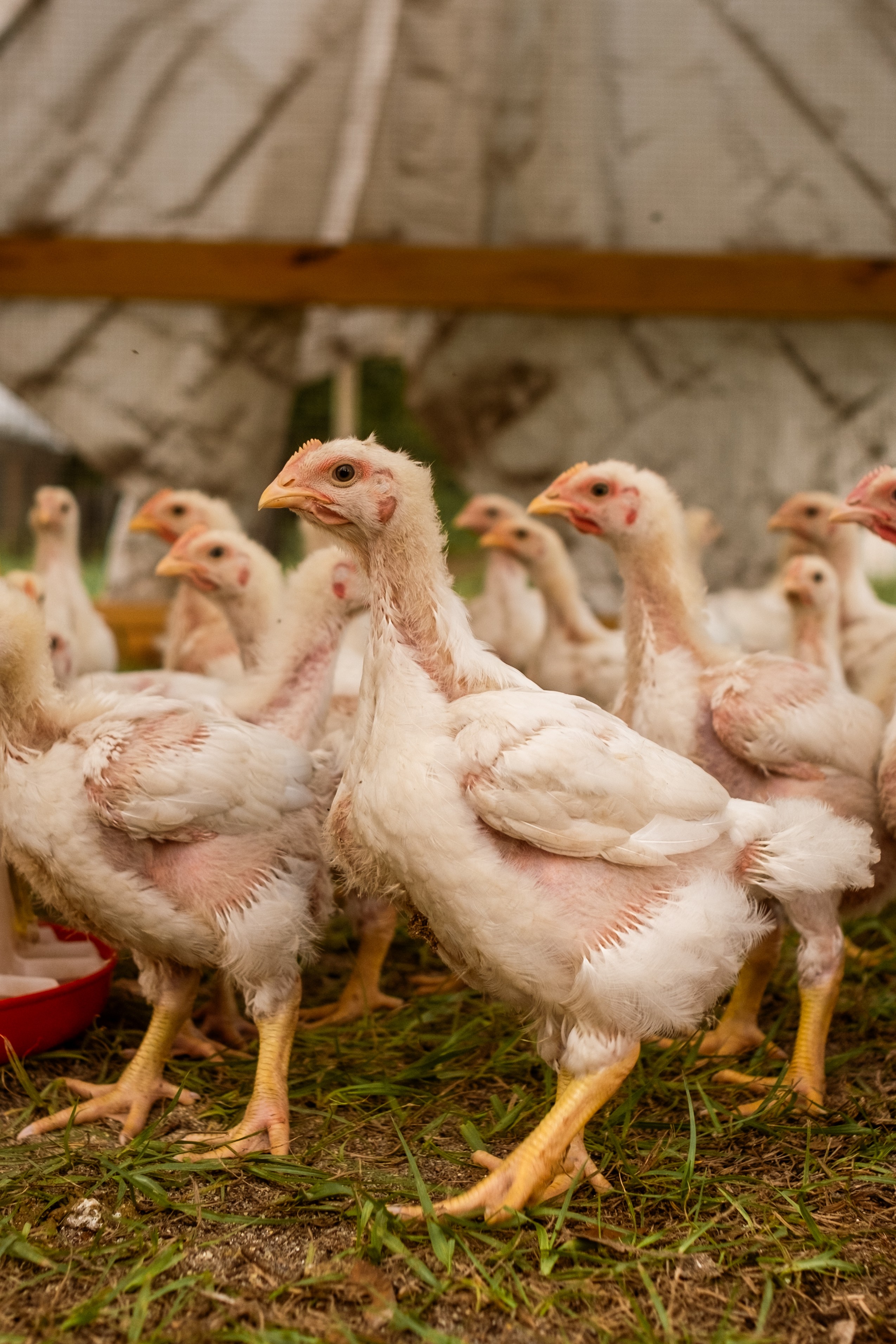


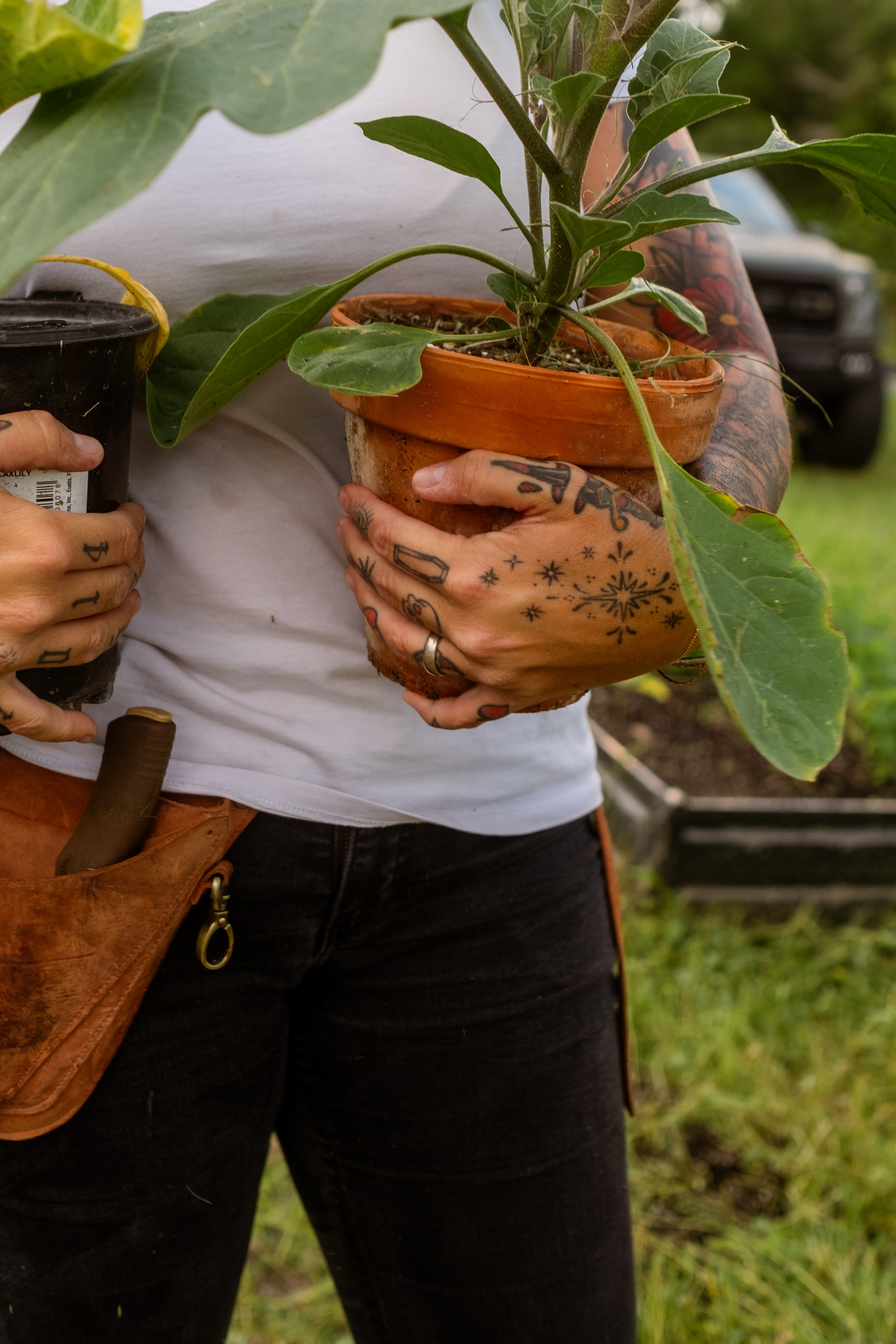
Image Credits
Images by Lauren Potter @doecreativeco