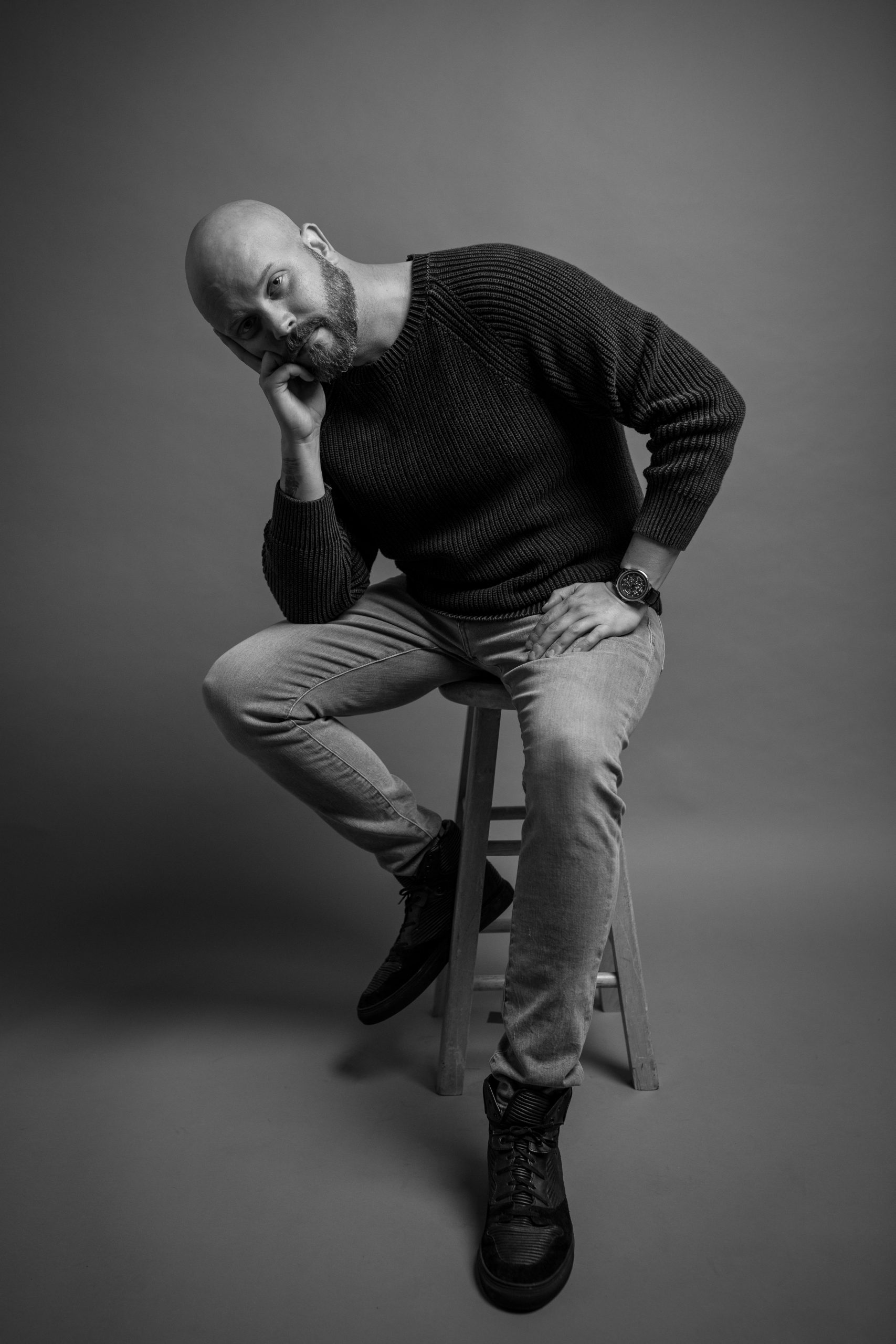


Today we’d like to introduce you to J.D. Casto.
Hi J.D., we appreciate you taking the time to share your story with us today. Where does your story begin?
The story surrounding my relationship with photography is very much like the coming-out process – nonlinear and full of twists, turns, and glitter.
My relationship with photography began when I joined the “Photo Club” in seventh grade for the sole purpose of getting my hands on one of Franklin County’s first digital cameras. This was at the turn of the 21st century (I can feel a gray chin hair growing as I type that), and photographers were still primarily film-based – a process I would later learn in high school. Photography was an escape from the doldrums of early adolescence. Still, I remember that I entered a photo contest for the youth section of our local paper, The Columbus Dispatch called, “Now!”
On May 23, 2001, I became a published photographer at the ripe old age of 13. I left the medium almost immediately, and I didn’t recognize the accomplishment for what it was. I had a front-page, above-the-fold picture published in our city’s most significant publication, but I had bigger things to deal with, like figuring out a career path since I was entering high school in a year. I wish I was joking. My curiosity with natural sciences – meteorology and climate science – and filmmaking replaced my relationship with photography. I wouldn’t return to it in a professional capacity until 2015.
“We need a photographer to cover our mixers. Is that something you’d be willing to do?” I was desperate for any type of gig back in 2015. The adult entertainment studio I had been working for as a director and editor had just shut down. I didn’t want to go back to living out of my car, a form of homelessness I experienced upon returning to Orlando in 2013, so, with as much confidence an introvert masquerading as an extrovert could muster, I said, “Of course! Easy stuff!” Photography had recently returned as a hobby – a continued way to escape the doldrums of figuring myself out as a now out twenty-something. However, I neglected to mention to this organization that when I agreed to cover their mixers, I was still using my camera in “Auto” mode and had no idea what I was doing.
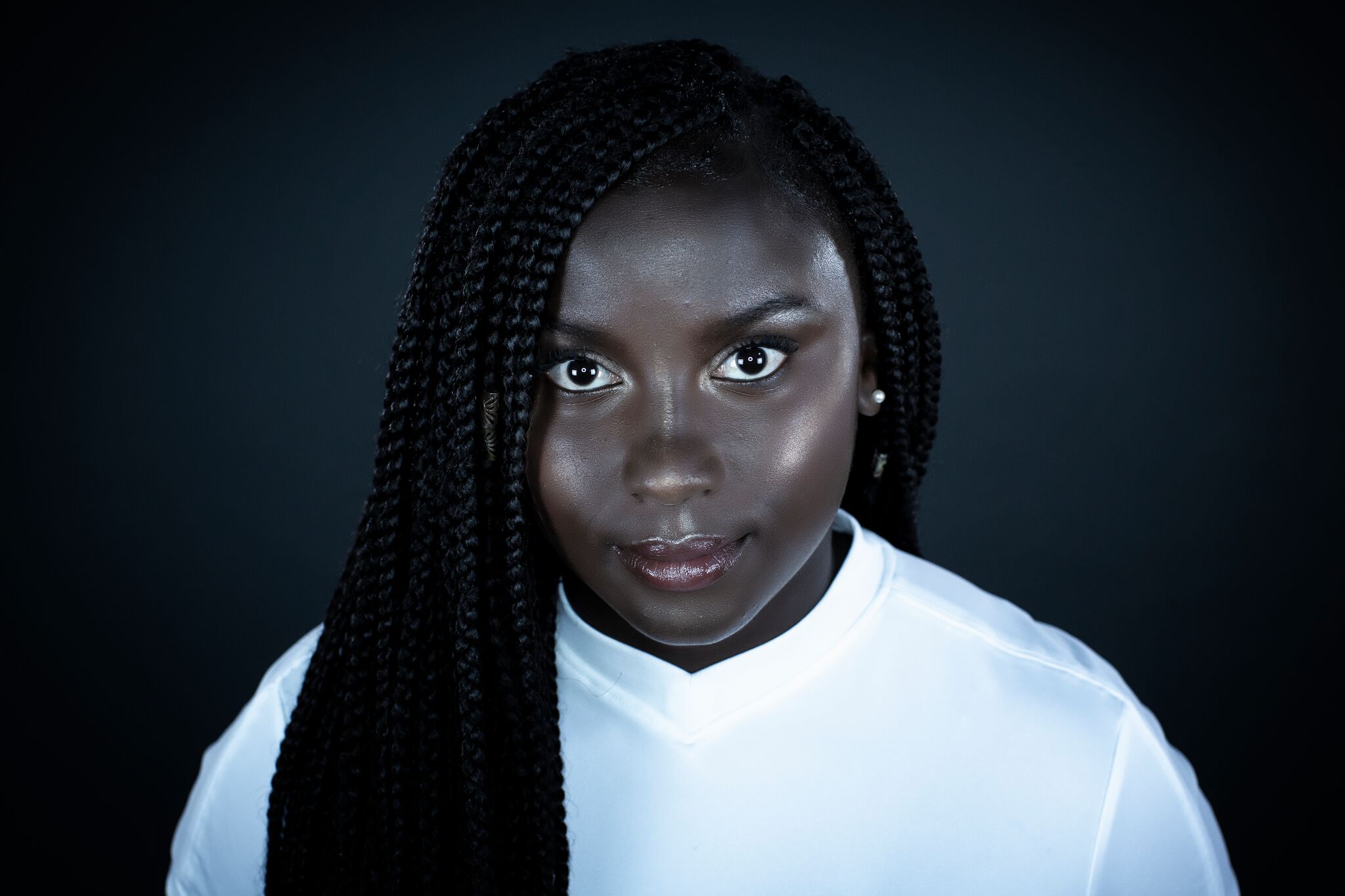
The following year was a baptism by fire. I did everything I could to learn photography, and somehow no one seemed the wiser. The Pride Chamber, known at the time as MBA Orlando, and their mixers helped introduce me to Orlando’s vibrant LGBTQIA+ non-profit sector. I started taking portraits of small business owners and lived as a full-time freelancer. I bounced between photography and videography. No week was the same, and I loved it. In what feels like an act of destiny, all of these relationships and my new confidence as a photographer were called to purpose when, on June 12, 2016, I woke to the news of the Pulse Nightclub Massacre.
Following the shooting, I captured the city of Orlando’s love and light as we all recovered from what we now know was a random act of hate. I had access that most didn’t because, at the time, I was serving three LGBTQIA+ non-profit organizations as either a board member or senior leader. I was disappointed by how national and international media were crafting the narrative. They focused on Orlando’s pain – something media scholars have labeled “tragedy porn” – yet I experienced so much more than that. Everywhere I went, there were hugs, laughter, love.
This is what I chose to focus on instead, and it turned into a beautiful reminder for myself and others that, as a human race, we have a tremendous capacity for love. Organizations like the BBC and CNN have featured these photographs, and they’ve been published in textbooks and books across the world. The most meaningful place these pictures have ended up, though, is Pulse itself. The interim memorial surrounding the nightclub is primarily made up of photographs that I took following the tragedy.
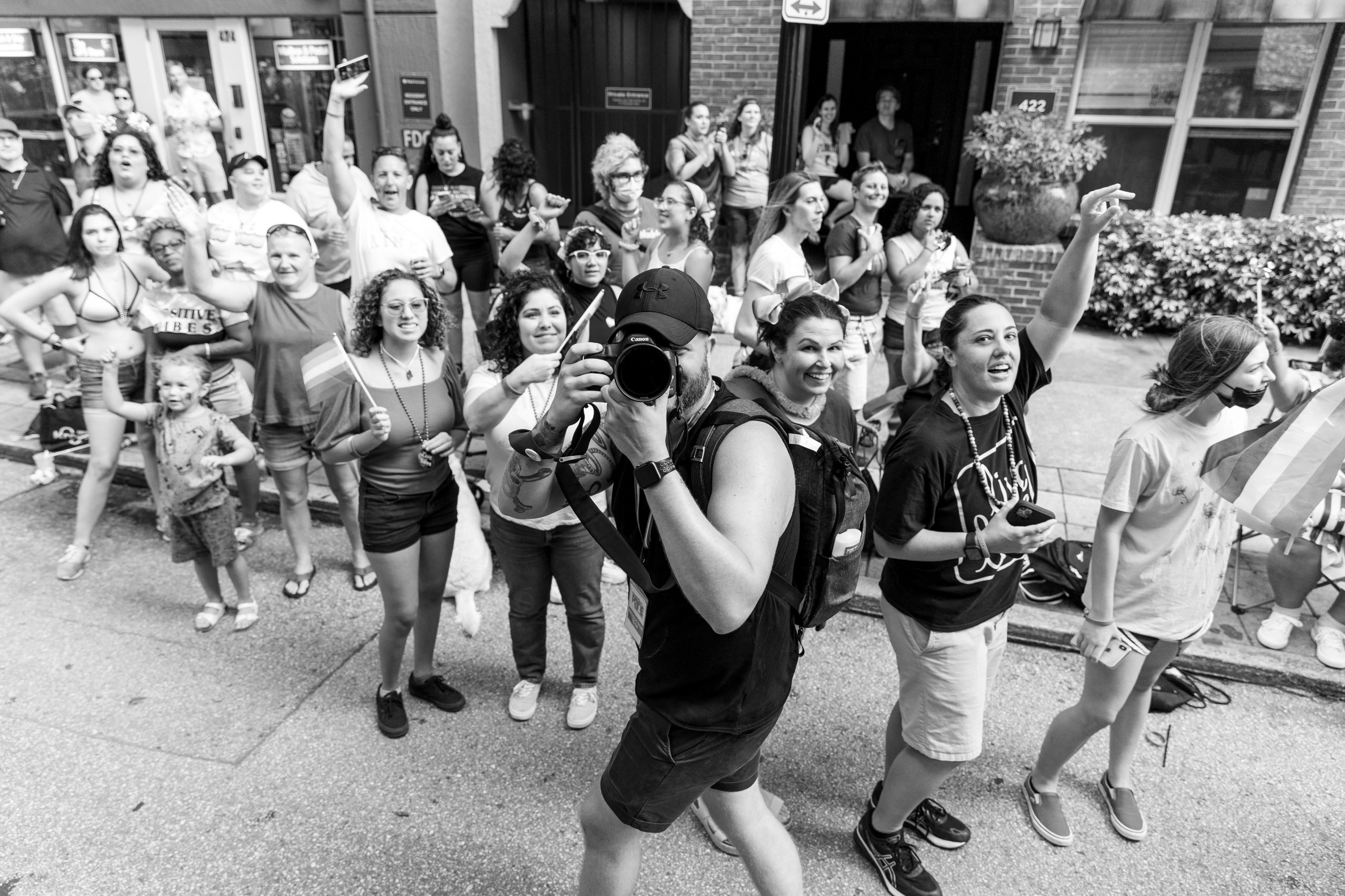
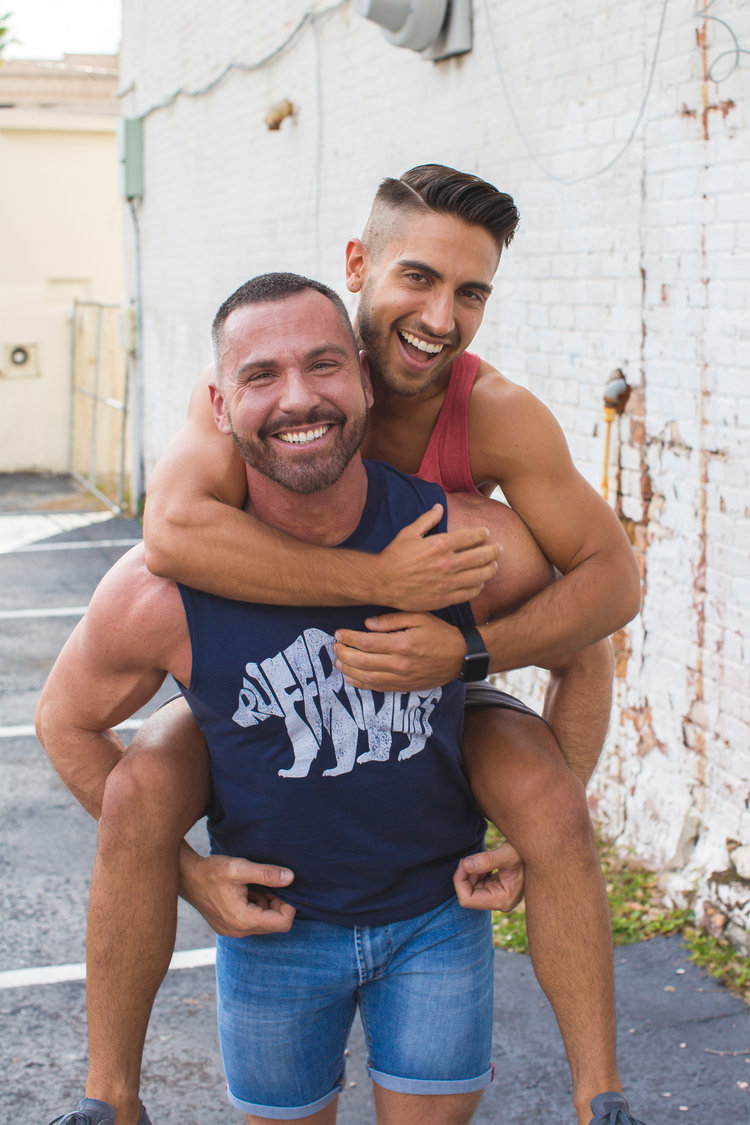
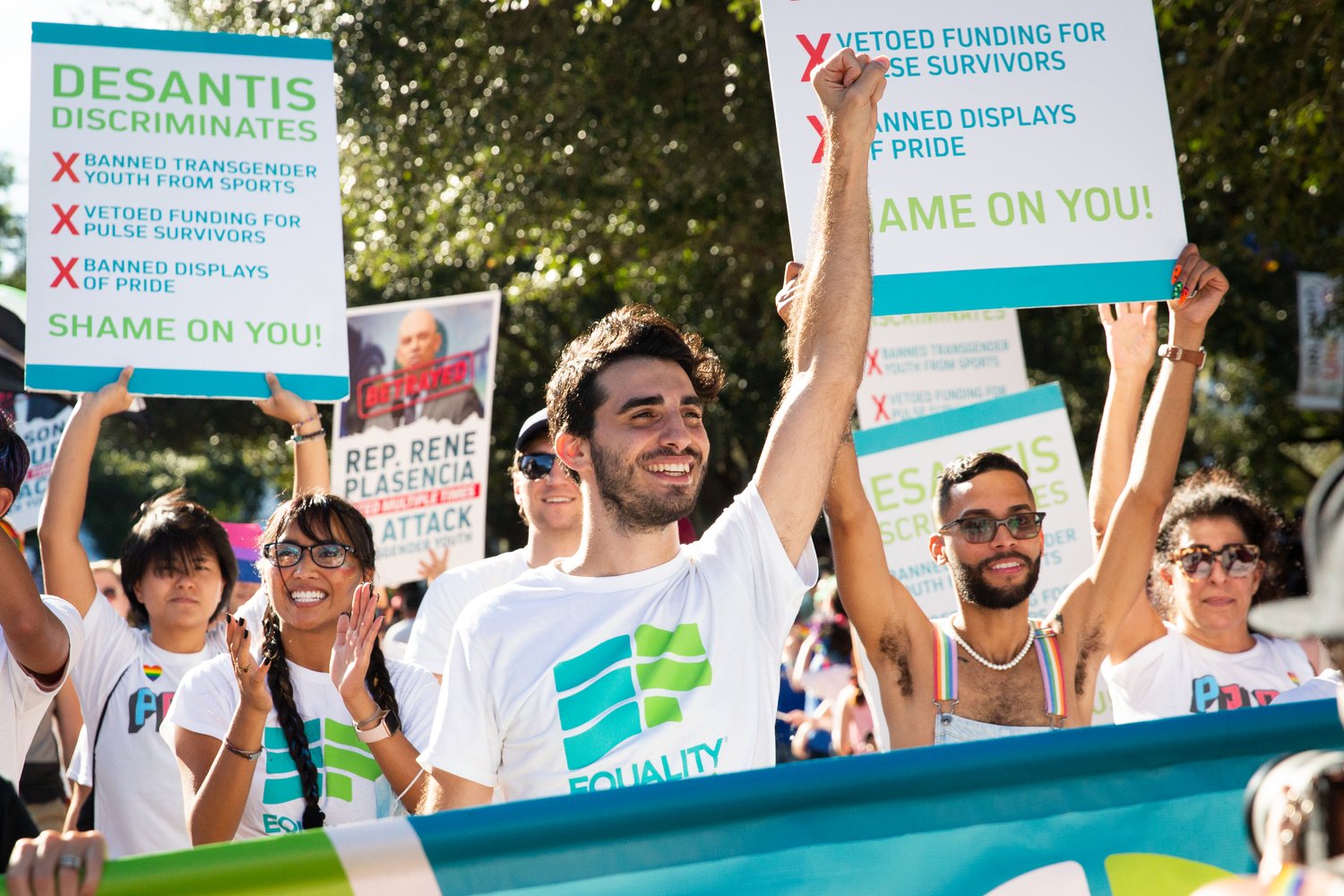
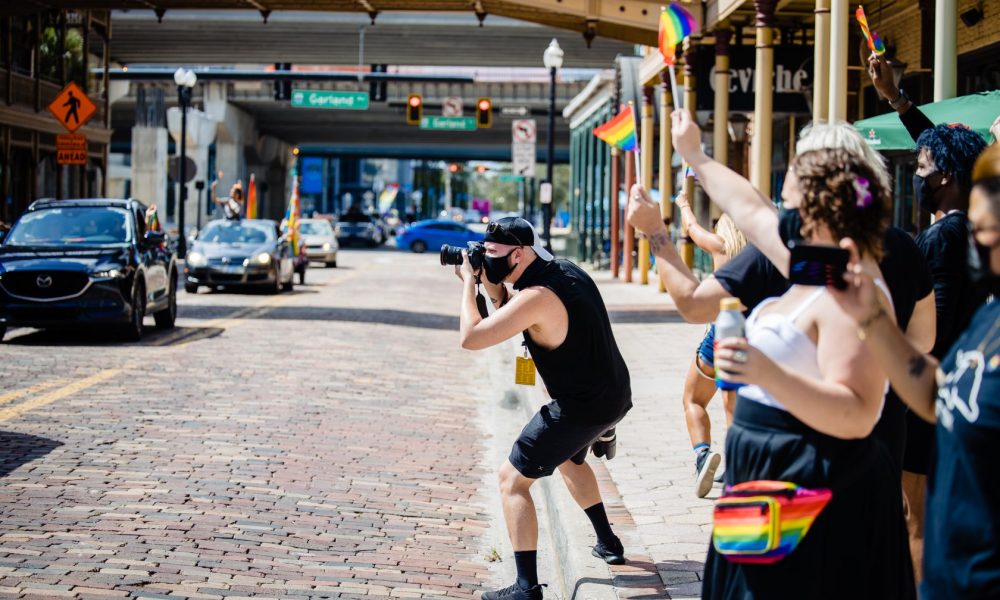
Covering Pulse launched me on a trajectory that I could never have predicted. There’s a label that the Orange County Regional History Center has for a photographer like myself: Accidental Historian. Since Pulse, I’ve made a point to continue to document Orlando’s LGBTQIA+ community and its intersections. My hope is to have a detailed visual history so, in the future, queer Floridians can learn and appreciate the struggles that their predecessors overcame for the future generation’s benefit.
Can you talk to us a bit about the challenges and lessons you’ve learned along the way? Looking back, would you say it’s been easy or smooth in retrospect?
Unless you’ve got a wealthy family member, being a full-time photographer is difficult at best. The market is oversaturated; the general public doesn’t value our craft because “What’s the difference between you and my phone?” and folks think “exposure” pays the bills for photographers and other artists. This line of work is not for the faint of heart.
Our equipment packs can sometimes cost more than a downpayment on a house. You also have to know your worth as an artist, which doesn’t come easy to most. That has been a consistent struggle for me, and there have been multiple times where I’ve wanted to give up. I think it’s a very natural and common thing for artists to experience this doubt and exhaustion.
American society has moved away from the arts and pushed us toward a false narrative that our worth as a human is defined by the amount we make and the amount we hustle. The duality of being an artist who’s aware of how capitalism negatively impacts and attempts to invalidate us is oftentimes depressing A.F. Outside of late-stage capitalism, though, the most recent struggle that I have control over and have grown a lot from has been the onset of the pandemic.
When I turned away from freelancing in video and photo, I went all-in on photography and created my company, J.D. Casto Photography. I was intentional in focusing on my creative strengths. After documenting Pulse and experimenting with other forms of photography, I realized that I’m great at capturing, but I struggle with creating. My ecosystem was purposefully based on live events like trade shows, concerts, and sports to accommodate this.
We all know what happened to those sectors when the Global Patricia made her grande entrance – they were Thanos-snapped out of existence. This forced me to think outside of the box. How can photography exist in a forking pandemic? Outdoor portraits. Porchraits! I did this for a while, but everyone in Central Florida was struggling financially back then. I decided to pack away my gear and accepted defeat.
One day, amid a lovely episode of existential dread and depression, my phone rang. An old friend had a gig for me. It was a production assistant position for what I thought was a one-off video shoot. I hadn’t done P.A. work in years, but Disney had just furloughed thirty-thousand employees that week, and I wasn’t about to be picky about how I made money.
That shoot ended up being for the video game company 2K. They’re best known for the games BioShock, Mafia, and their sports properties NBA 2k, WWE 2K, and PGA 2K. The shoot went well, and within six months, I became a director of 3D scanning for their first-ever east coast production team. Since joining this team, I’ve spent most of my time traveling the east coast and midwest portions of the country, scanning the faces of world-class and truly legendary athletes alike.
The process is very similar to photography, so I like to say that this job is photo-adjacent. It’s allowed me the financial freedom to take photography projects on for fun, and now that concerts are back, I’m slowly pivoting towards a bucket-list goal of touring with a band as their photographer.
Can you tell our readers more about what you do and what you think sets you apart from others?
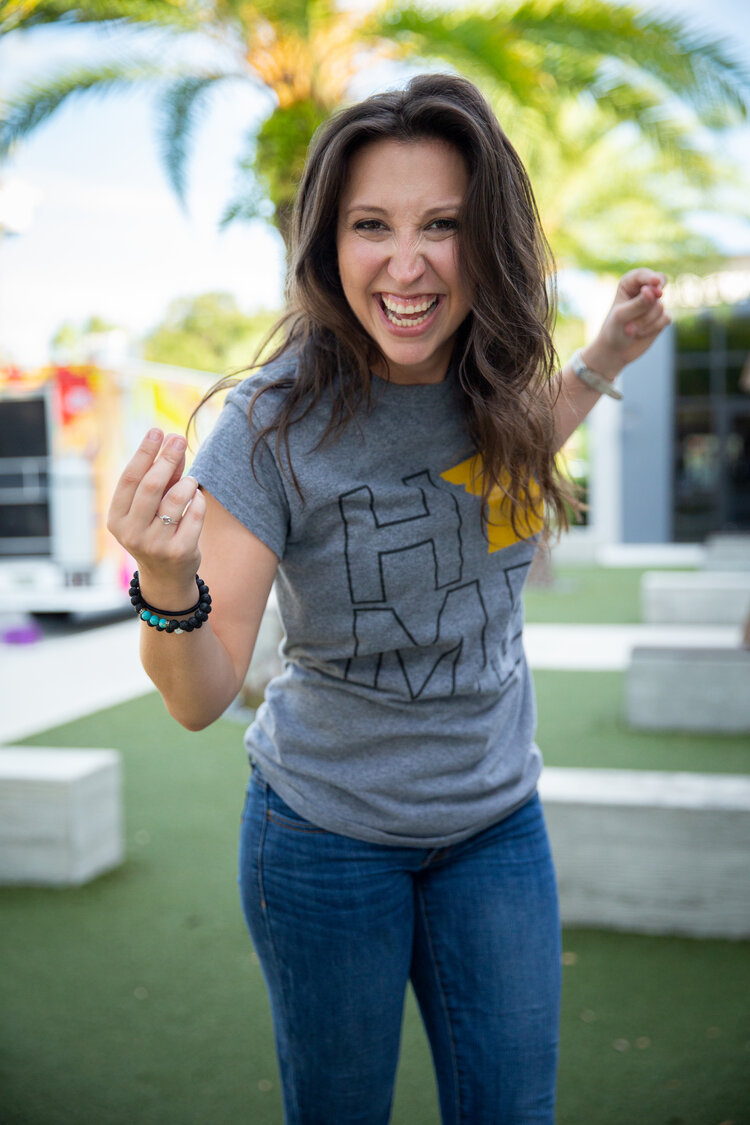
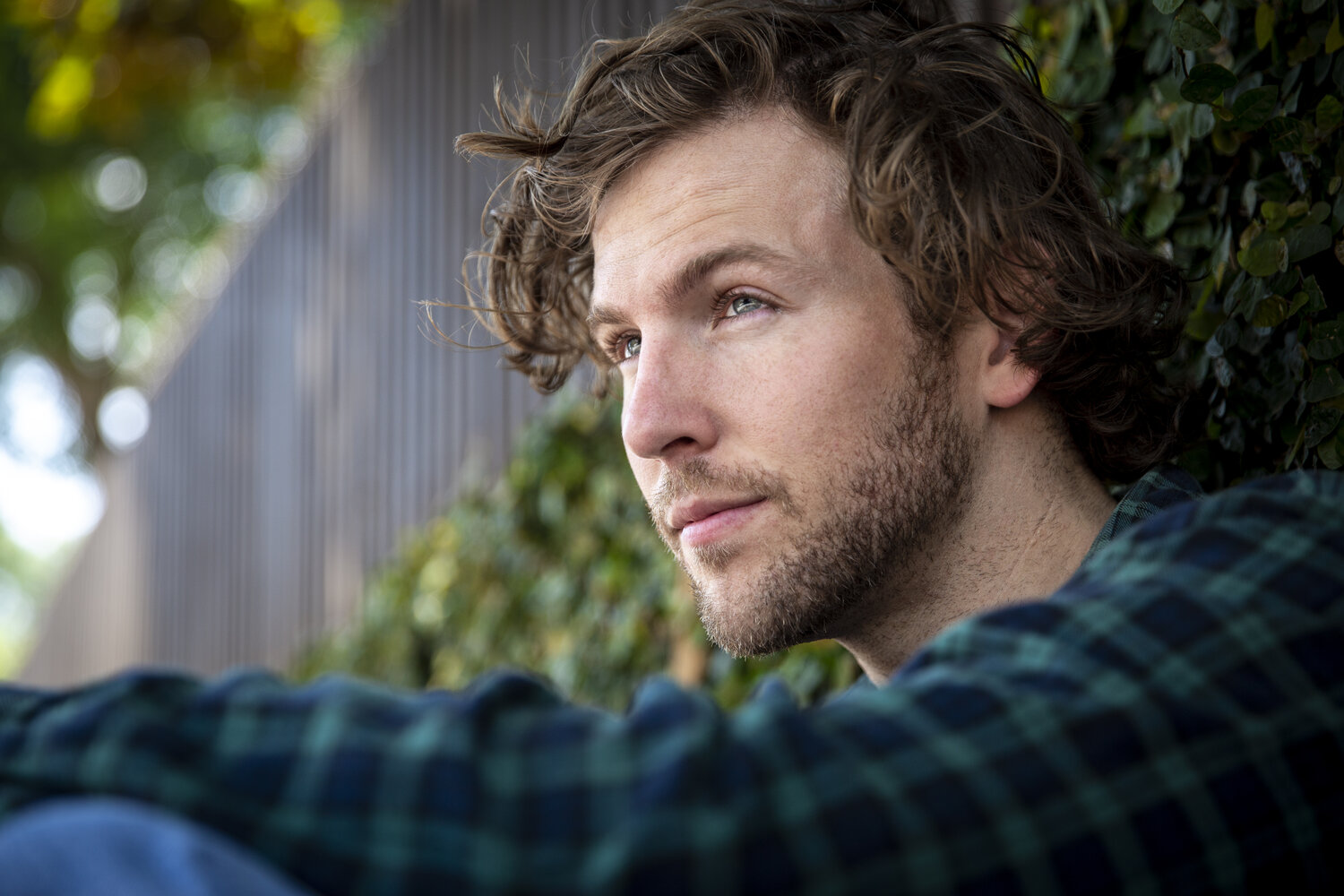
When it comes to my photography, I explain to my clients that I focus on energy. You’ll hear a lot of photographers talk about this, actually. When we participate with photography and connect to a frame or series of frames, it’s not the lighting, the editing, the angle we’re connecting with; it’s the energy frozen in time.
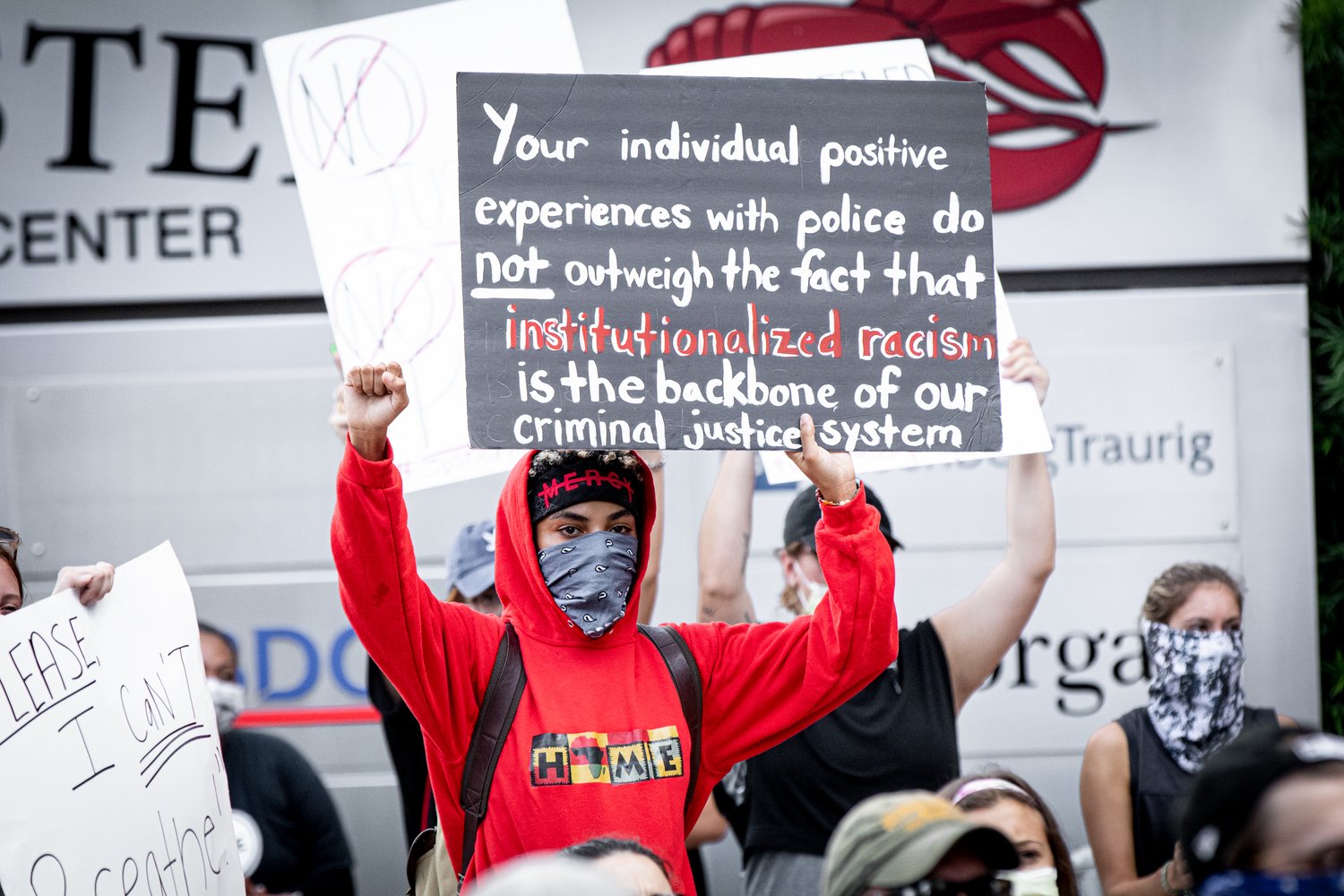
Sure, framing, lighting, and editing help communicate that suspended moment of time, but at the most basic level, what I specialize in is capturing authentic energy. This can be in the form of a portrait, live event, rally, and honestly, it can come in the form of inanimate objects like buildings too. This ability is something I’m very proud of.
Photography has always been a way for me to capture a bit of what I thought I was missing – hope, love, authenticity. I’ve struggled with depression, anxiety, and my self-worth for years, and I can say, with the utmost pride, after years of struggling, I know my worth, and I couldn’t be prouder of that.
Contact Info:
- Email: [email protected]
- Instagram: https://www.instagram.com/jdcasto/