


Today we’d like to introduce you to Sukaina Nasser.
Alright, so thank you so much for sharing your story and insight with our readers. To kick things off, can you tell us a bit about how you got started?
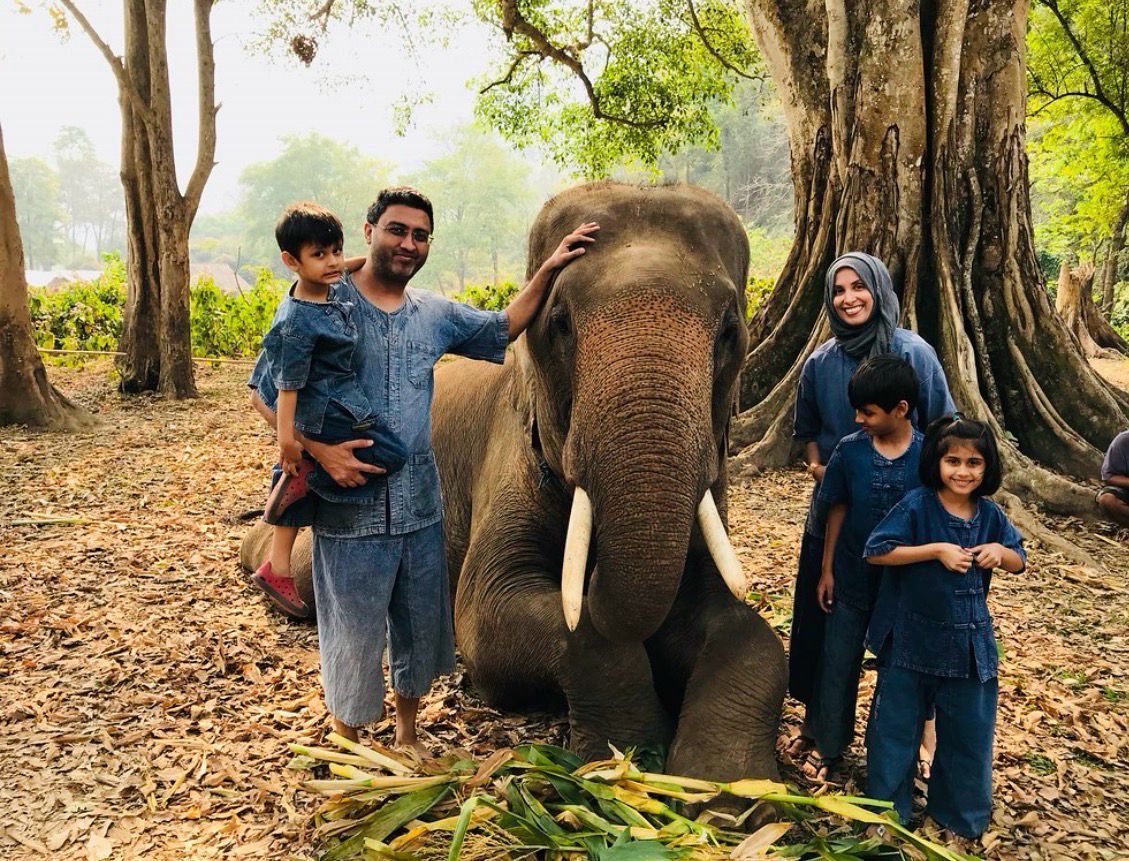
Astrolabe Institute began in 2019, the same year I made the decision to homeschool my own children. Before and during that journey, I was also blessed with the opportunity to experience “worldschooling” at different times throughout the year, traveling internationally and exposing my children to a variety of learning environments and educational approaches around the world. Seeing how children in different countries learned, explored, and grasped concepts so naturally completely changed the way I viewed education.
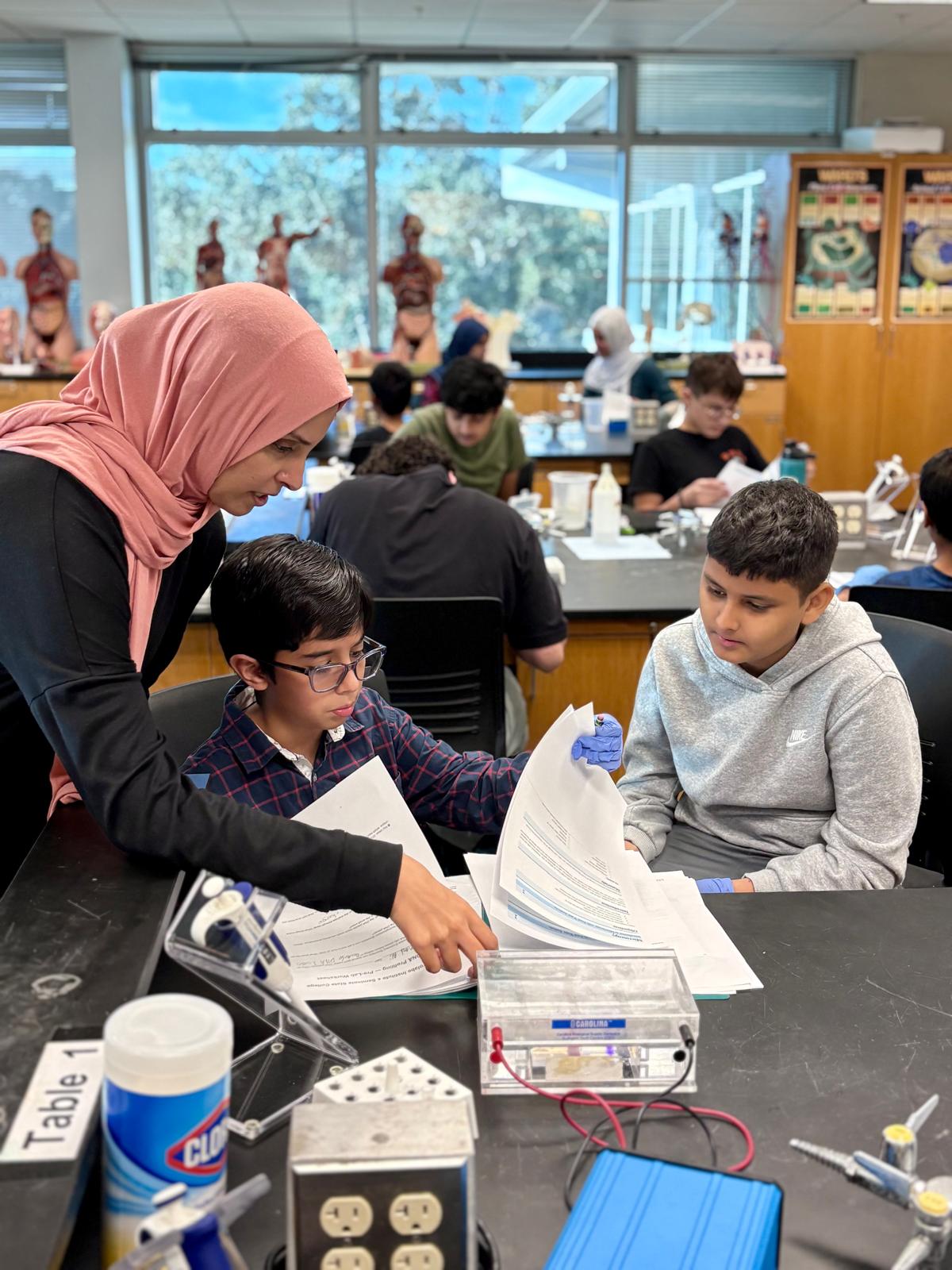
Coming from a healthcare and science background, I was especially passionate about science education. However, I quickly realized that many traditional programs and curriculums were heavily age-based rather than ability-based. I saw students who were capable of far more when given the right environment, hands-on experiences, and encouragement.
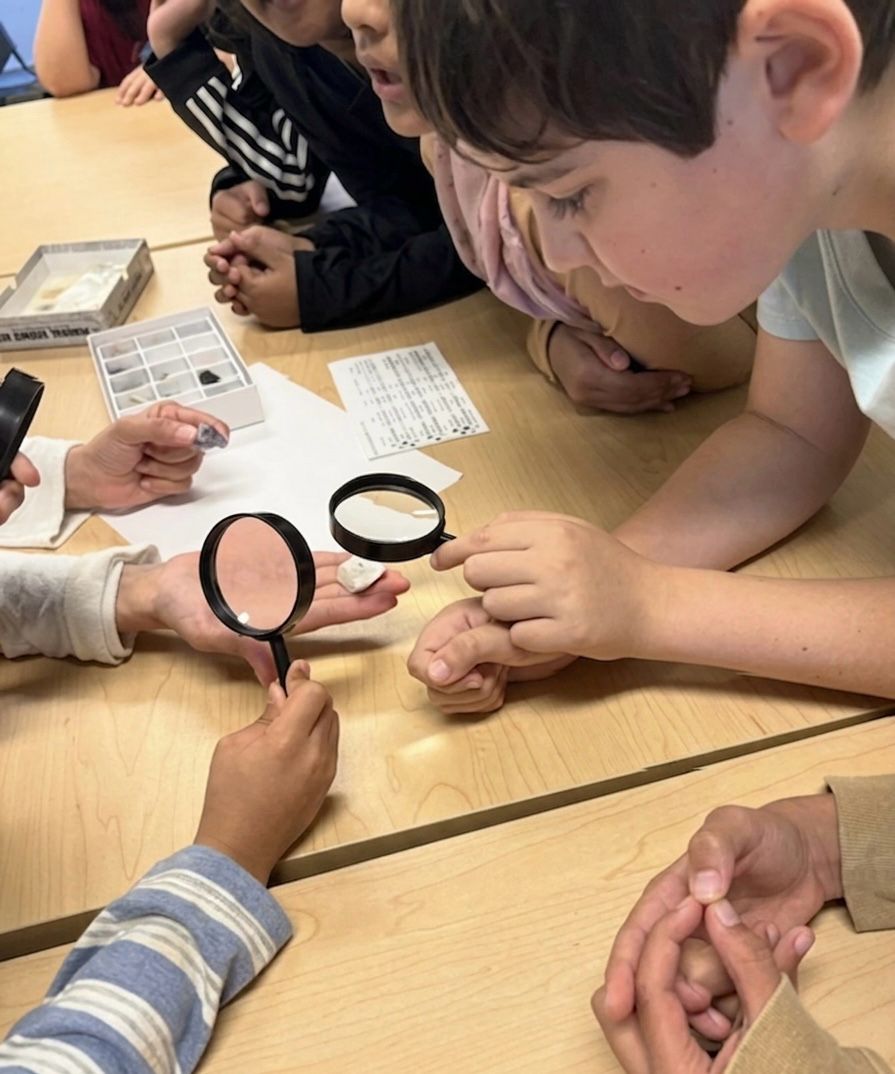
What started as a small science class for six children in my home quickly grew through word of mouth into a program serving over twenty students within just a few months. Families were looking for something more personalized, engaging, and academically meaningful a place where children could think critically, explore creatively, and develop confidence in their abilities.
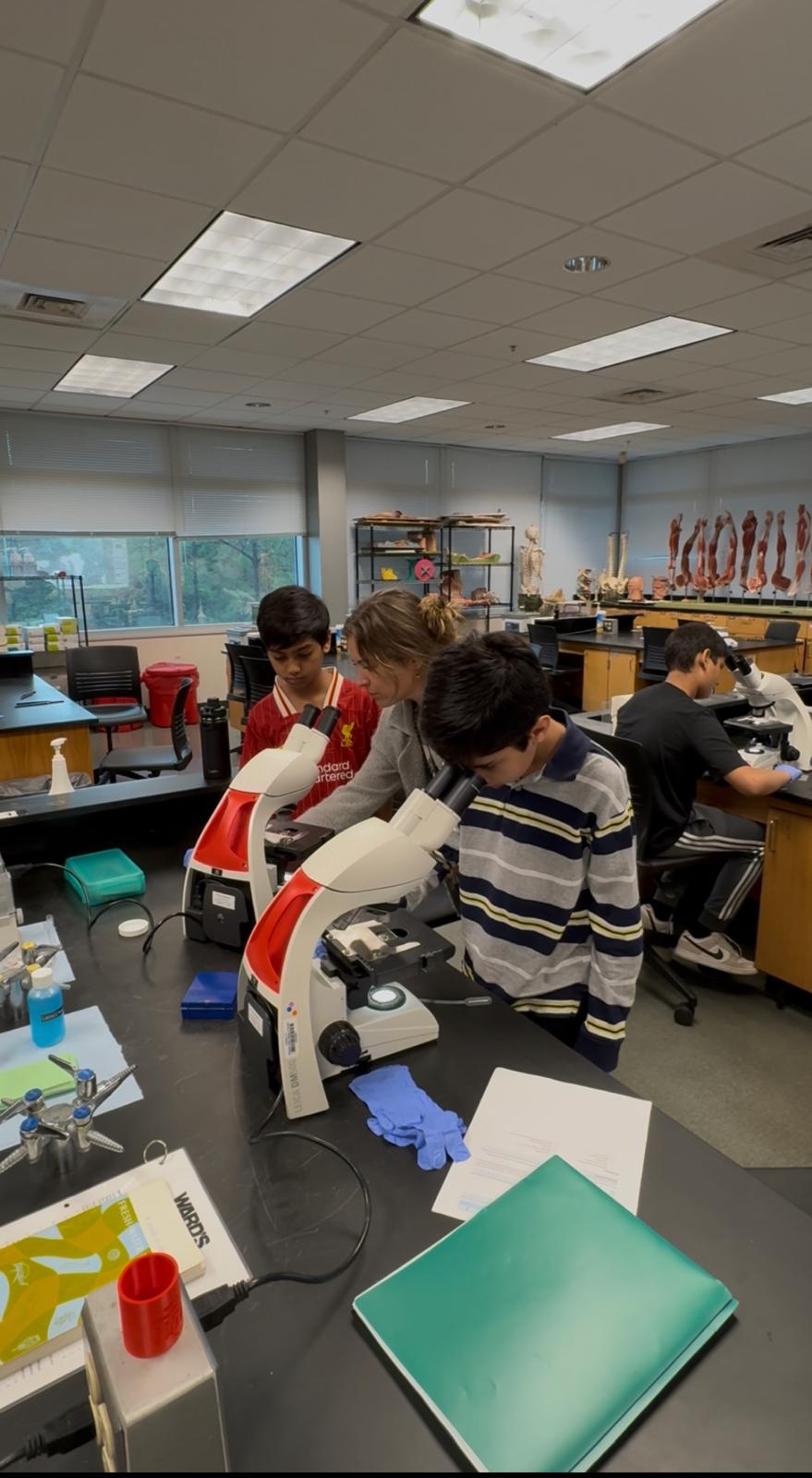
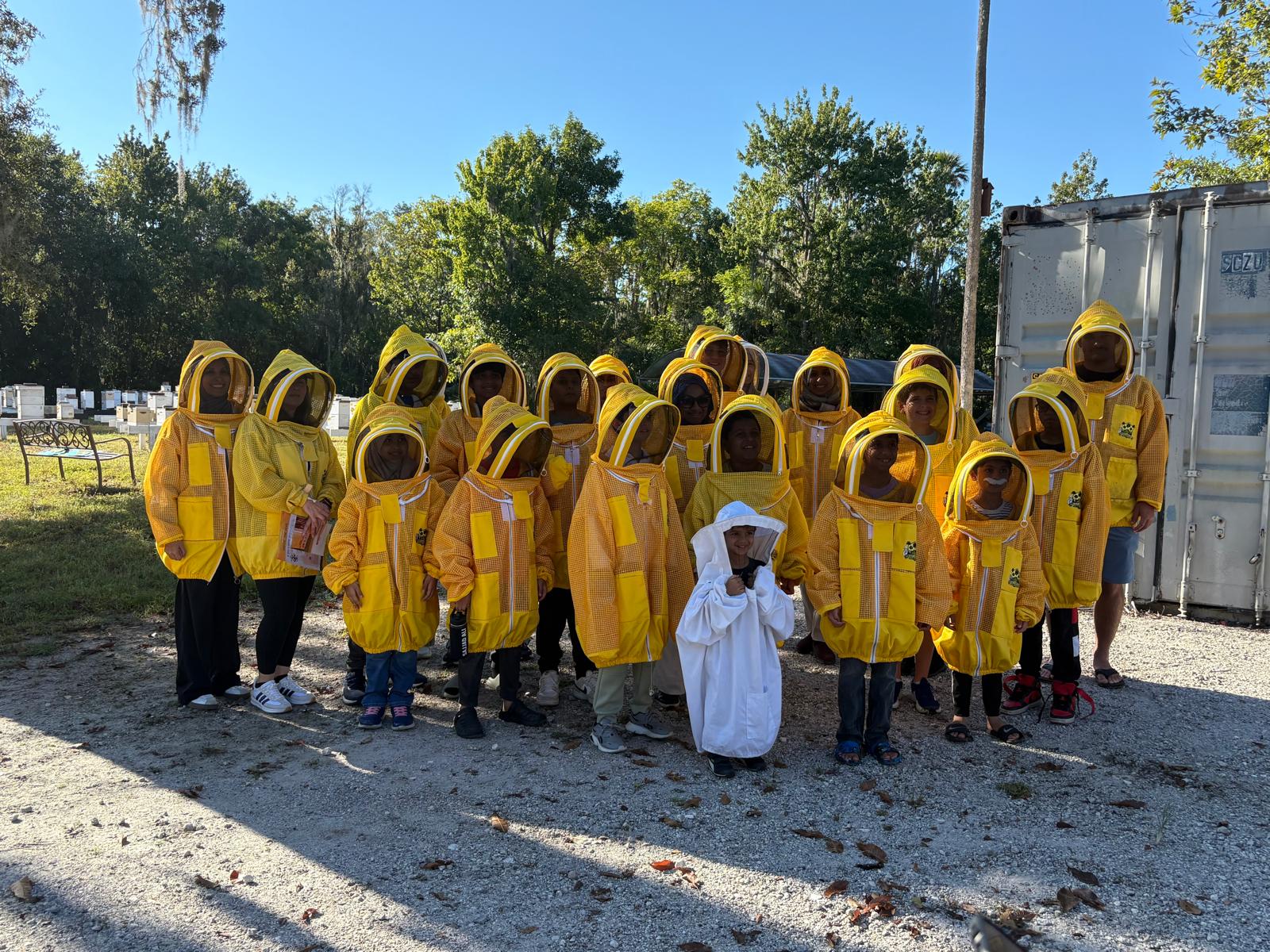
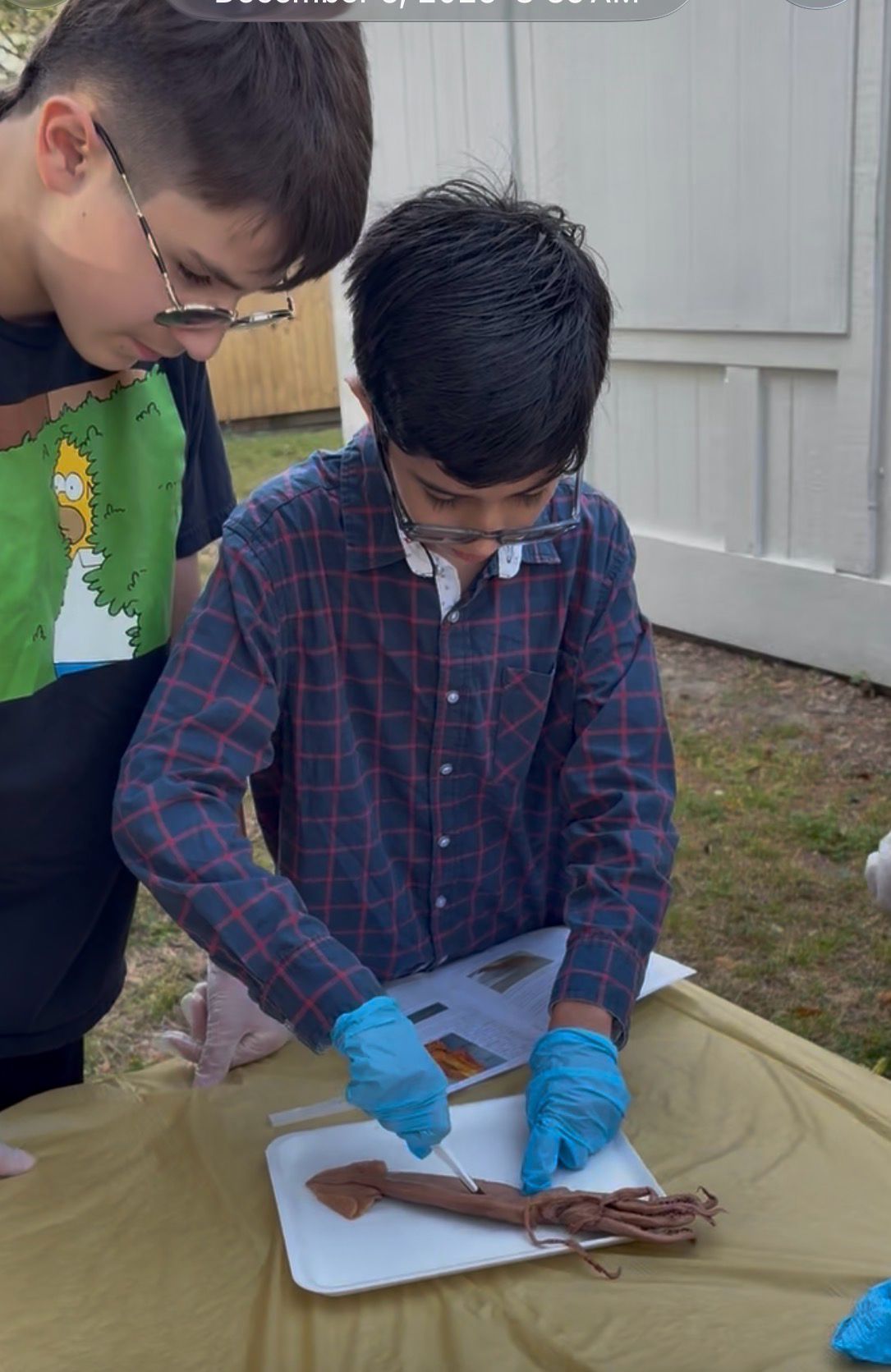
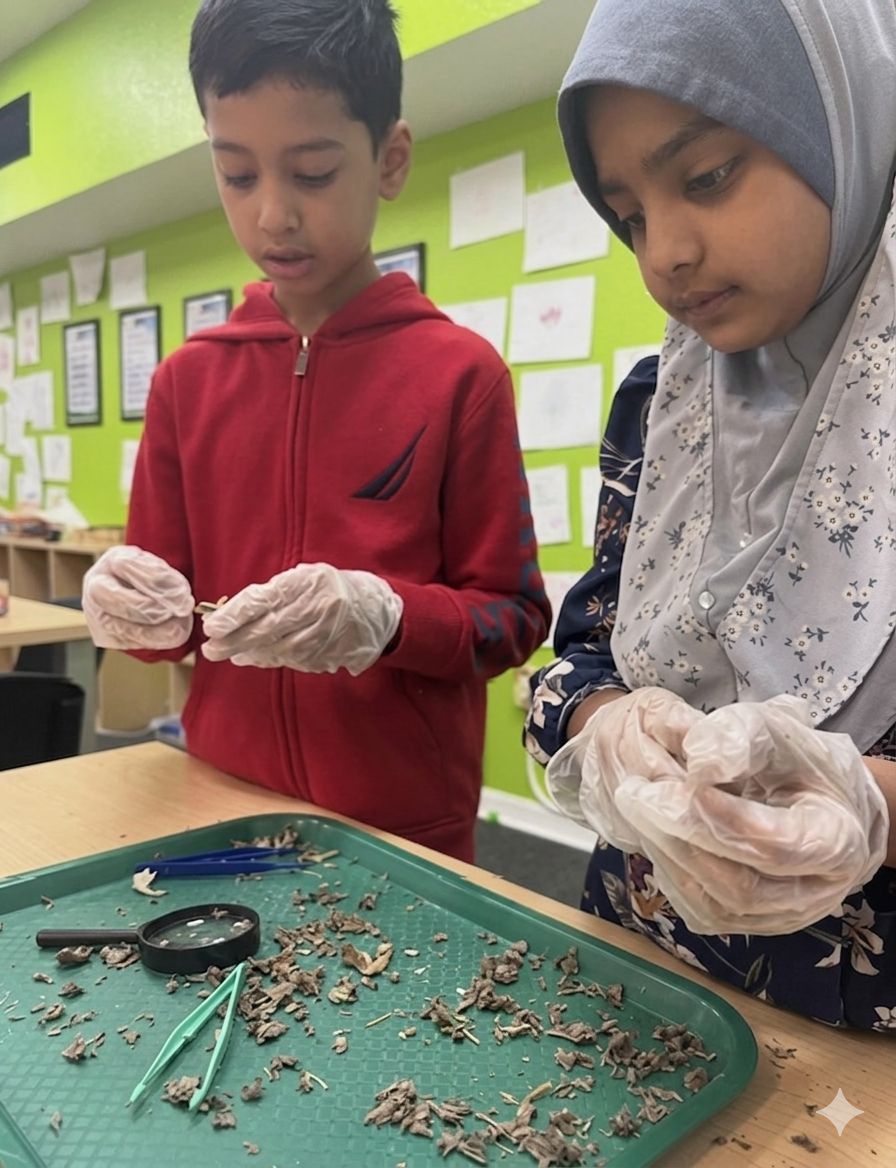
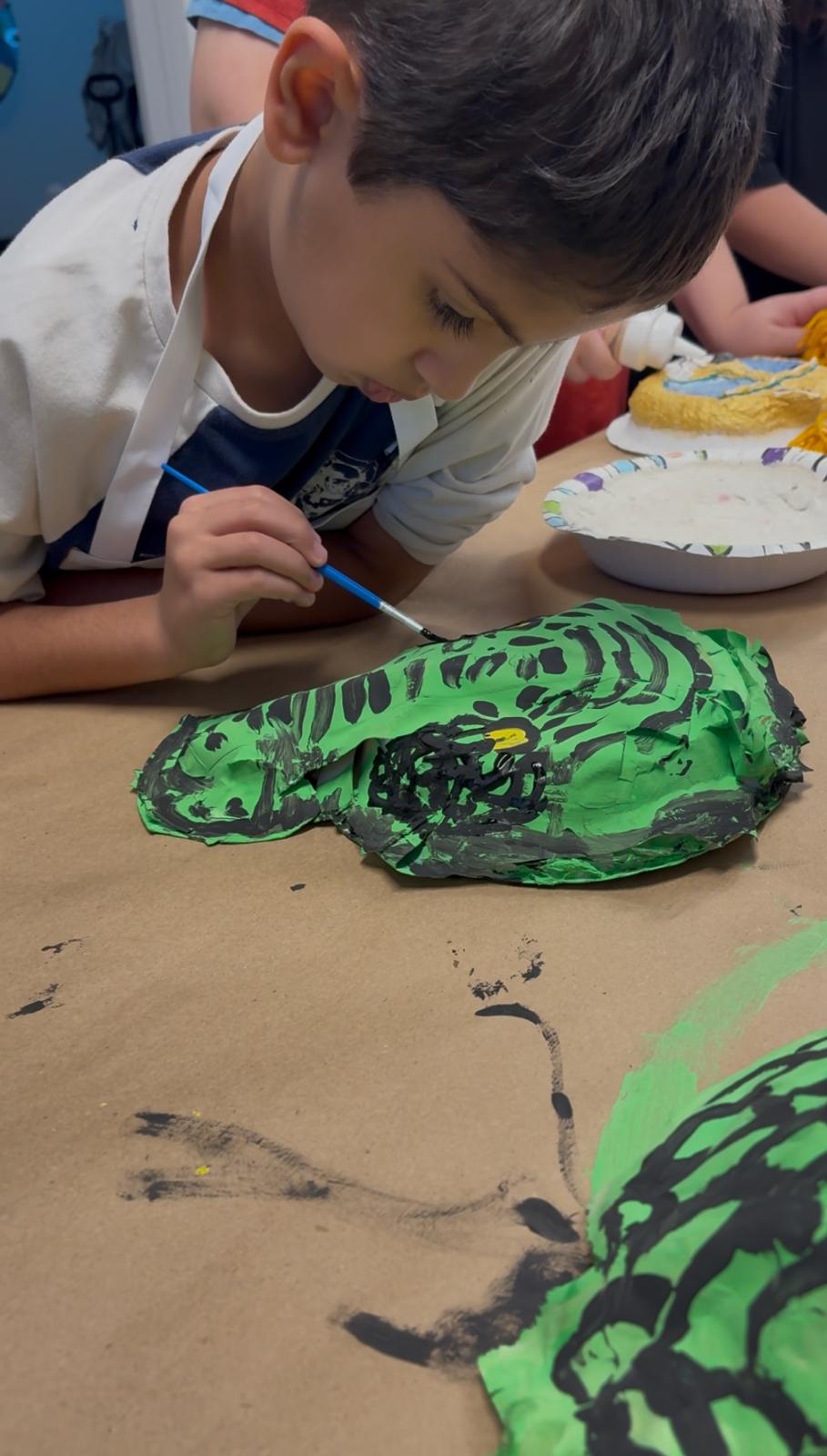
Over the years, Astrolabe Institute has evolved into a hands-on, project-based learning environment focused on curiosity, real-world learning, communication, entrepreneurship, and STEM education. My goal has always been to create the type of educational experience I wish existed when I was in school one where students could gain knowledge through meaningful experiences beyond the classroom, while also being in an environment that values a child’s potential, individuality, and love for learning.
Would you say it’s been a smooth road, and if not what are some of the biggest challenges you’ve faced along the way?
Like any startup, the journey has definitely come with challenges. One of the biggest obstacles came just one year after we opened, when the COVID-19 pandemic nearly forced us to shut down. At that point, Astrolabe Institute had already grown beyond what we could comfortably host from home, and we had expanded our class offerings as well. We realized we needed to find a dedicated space, but during a time of social distancing and uncertainty, securing rental space for an educational program was incredibly difficult.
That season required a lot of creativity, flexibility, and resilience. We adapted by implementing hybrid learning models that allowed students to participate either in person or virtually depending on the circumstances and comfort levels of families at the time. Like many small businesses and educational programs, we had to constantly adjust and rethink how we operated.
Then, in 2024, I faced another major challenge when I was diagnosed with cancer. There was a period where I genuinely wasn’t sure if the program would be able to continue because of the physical and emotional demands that came with my health journey. However, by the grace of God, and through an incredible amount of support from my family, close friends, staff, and the parents who truly believed in what we had built, we were able to keep Astrolabe Institute going.
That experience reminded me that Astrolabe had become much more than just a program it had become a community. The support we received during that time was deeply humbling and reinforced why creating meaningful educational spaces matters so much. While the road has not always been smooth, every challenge has strengthened both me and the mission behind Astrolabe Institute.
As you know, we’re big fans of you and your work. For our readers who might not be as familiar what can you tell them about what you do?
A lot of my work centers around rethinking what education can look like for children when learning becomes more hands-on, interdisciplinary, and connected to the real world. Through Astrolabe Institute, I’ve focused on creating programs that combine science, communication, entrepreneurship, creativity, and experiential learning in a way that helps students become confident thinkers and problem solvers.
My background is in healthcare and dentistry, which gave me a strong foundation in science, research, and critical thinking. That background heavily influenced the way I approached teaching, especially in STEM education. However, some of the biggest inspiration for Astrolabe came from my experiences worldschooling and exposing my children to different educational environments around the world. It opened my eyes to how much children are capable of when learning moves beyond traditional classroom limitations.
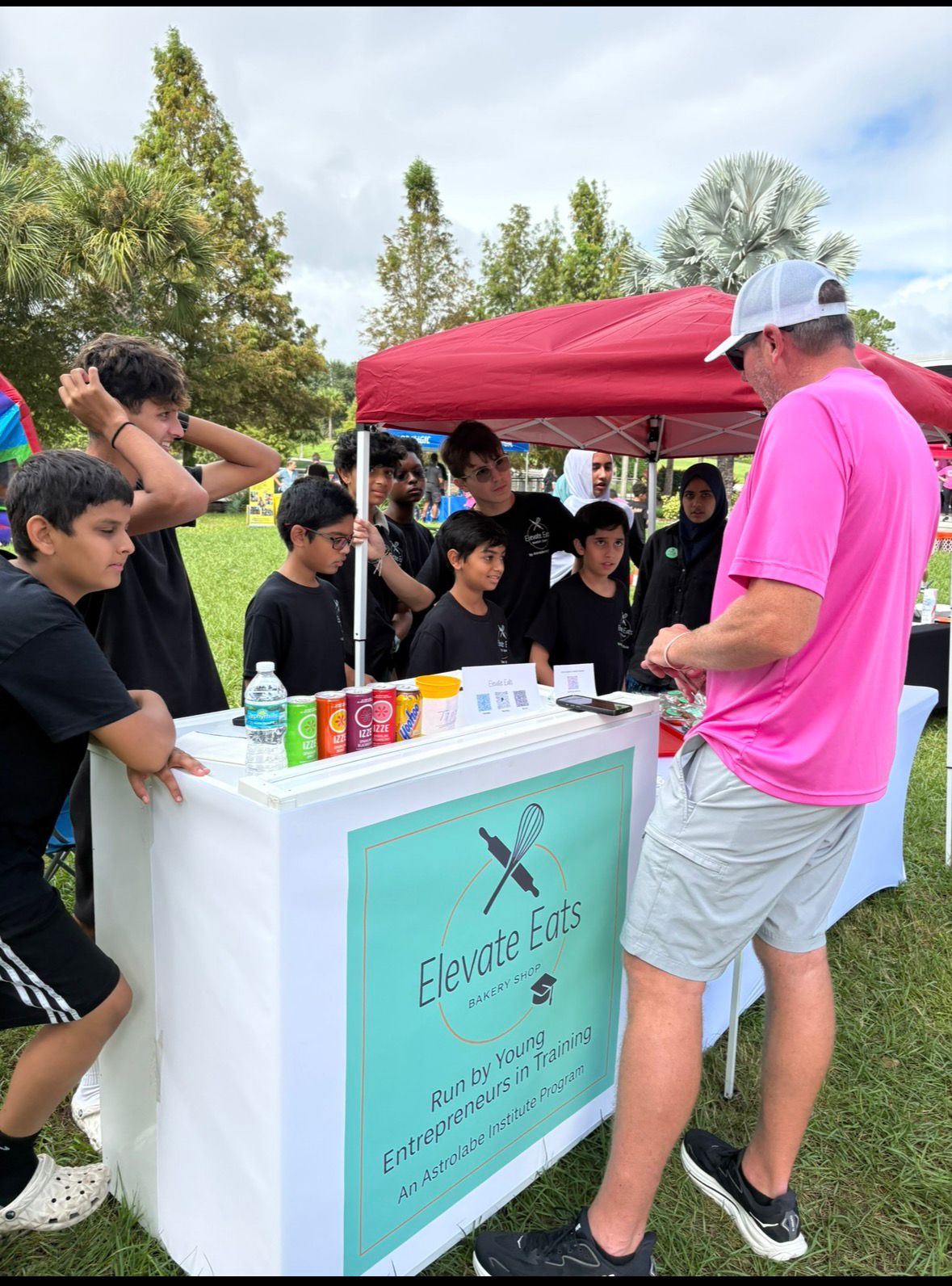
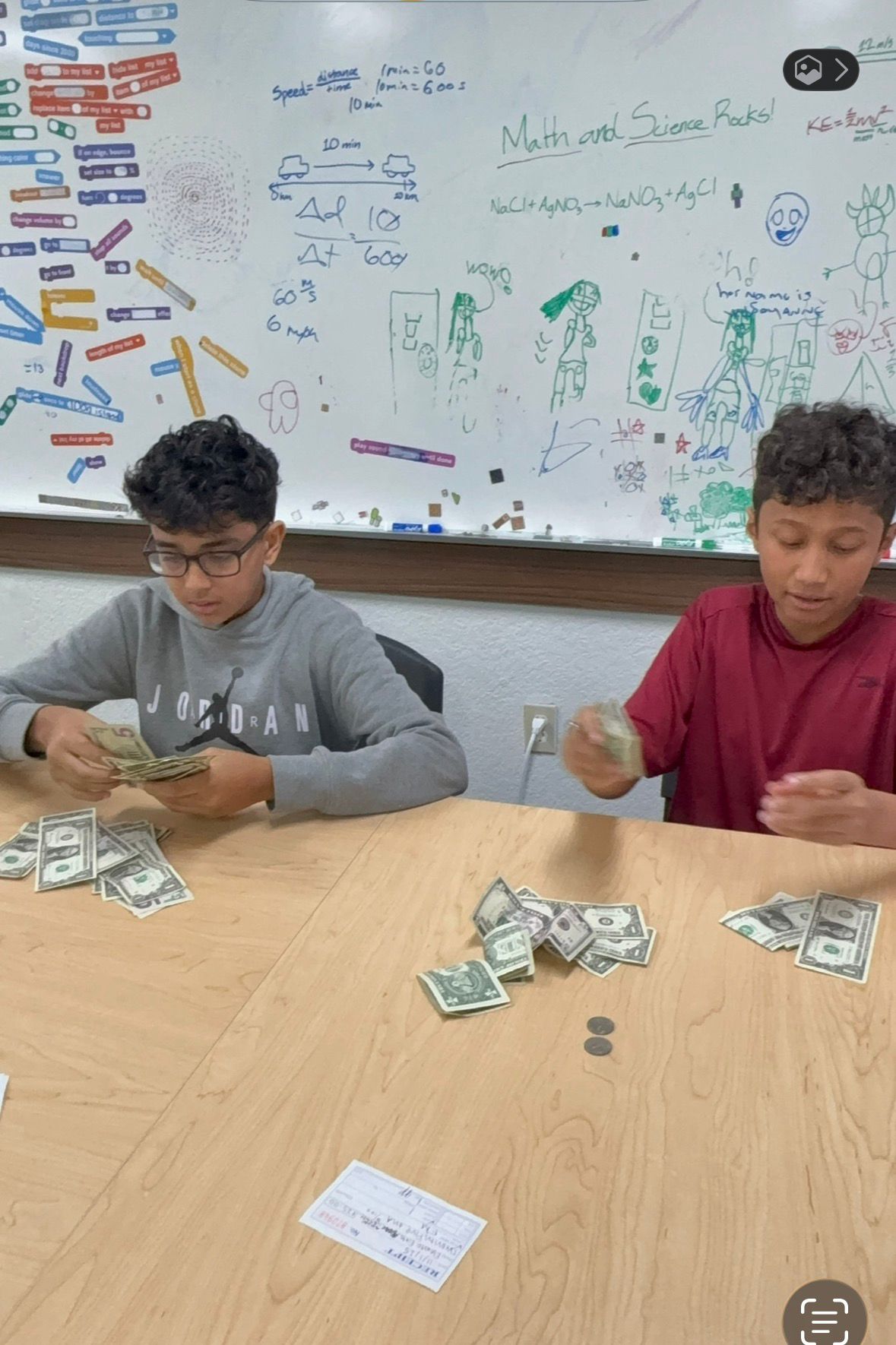
Over time, Astrolabe Institute became known for its hands-on learning environment, small-group approach, and focus on helping students develop not only academically, but also as communicators, creators, and independent thinkers. One project I’m especially proud of was a student-led entrepreneurship initiative called “Elevate Eats,” where students built a business completely from scratch. They learned how tariffs impacted product pricing, explored innovative ways to increase sales, developed customer service skills, created their own website, and learned how to navigate payment platforms. These were real-world experiences and responsibilities that many students are not typically exposed to at such a young age, and it taught lessons that extended far beyond the classroom.
I’m especially proud that many families have described the program as a place where their children rediscovered a love for learning and gained confidence in themselves.
Today, in addition to leading Astrolabe Institute, I also serve as the Director of the Middle School Program at Shine Academy, where I continue to focus on innovative and student-centered education.
I think what sets my work apart is the combination of science, global educational exposure, and a deep belief that children learn best when education feels meaningful, engaging, and connected to the world around them.
Can you talk to us about how you think about risk?
One of the biggest risks I’ve taken was deciding to continue Astrolabe Institute after my cancer diagnosis in 2024. At the time, I genuinely believed I would have to close the program because I wasn’t sure if I could sustain the physical and emotional demands while managing my health. I had even announced that the program would be closing.
When registration season came around, I delayed opening enrollment until the very end of the summer because I was uncertain about what the future would look like. Mentally, I had prepared myself for very low enrollment and the possibility that families may have moved on. Choosing to reopen despite all of that uncertainty felt like a huge leap of faith.
What I learned from that experience is that risk often comes hand in hand with purpose. When you truly believe in what you are building, and when it is rooted in something meaningful, it gives you the strength to continue even when the outcome is unclear. By the grace of God and the incredible support of families and our community, the classes filled, and it reminded me that sometimes the biggest growth happens during the moments when you feel the least certain.
One perspective that has stayed with me throughout this journey is:
“I learned that courage was not the absence of fear, but the triumph over it.” — Nelson Mandela
I think risk-taking, especially in education and entrepreneurship, is less about being fearless and more about being willing to continue even when there are no guarantees.
Contact Info:
- Website: https://www.astrolabeinstitute.com/
- Instagram: https://www.instagram.com/astrolabe_institute/
- Facebook: https://www.facebook.com/p/Astrolabe-Institute-61584483491349/